
The following is a listicle about long-term facial function outcomes.
When we talk about long-term facial function, we’re not just referring to whether your face looks “good” immediately after a procedure or injury. We’re diving deep into how your ability to express yourself, eat, speak, and protect your eyes evolves and sustains over years, even decades. It’s a complex interplay of nerve health, muscle integrity, skin elasticity, and psychological well-being. For you, the patient, understanding these nuances is paramount to setting realistic expectations and making informed decisions about treatments and recovery. Think of it as building a resilient facial architecture, not just a temporary cosmetic fix.
Why “Long-Term” Matters: Beyond the Initial Recovery Period
You’ve likely heard about the immediate post-operative period – the swelling, the sutures, the initial discomfort. That’s a critical phase, of course, but it’s just the starting line. Long-term outcomes are about what happens when your face has had ample time to heal, adapt, and integrate the changes. This encompasses everything from the subtle return of nuanced facial expressions after nerve repair to the sustained comfort and control you experience while eating and speaking. It’s the difference between a face that’s merely reconstructed and a face that’s truly functional and expressive over the course of your life.
Deconstructing “Facial Function”: A Multifaceted Concept
Facial function is not a monolithic entity; it’s a symphony of coordinated actions. We’re talking about:
- Motor Function: This is the most apparent aspect – your ability to move specific facial muscles voluntarily. Think about raising your eyebrows, smiling, frowning, or pursing your lips. This relies heavily on the integrity and proper reconnection of the facial nerve and its branches.
- Sensory Function: This includes your ability to feel sensations on your face, such as touch, temperature, and even pain. While perhaps less obvious than motor function, compromised sensation can impact your awareness of your environment and your ability to protect your face. For instance, a lack of sensation might prevent you from noticing an injury.
- Autonomic Function: This governs involuntary actions like tearing, saliva production, and blushing. While these are less frequently the primary focus of reconstructive procedures, their long-term impact on comfort and lubrication can be significant. For example, persistent dry eye due to impaired lacrimal gland function can lead to chronic discomfort and visual problems.
- Oropharyngeal Function: This pertains to the muscles involved in chewing, swallowing, and speech. While primarily associated with the lower face and oral cavity, issues impacting these areas can indirectly affect facial appearance and your overall quality of life. Difficulty speaking clearly or comfortably can lead to social withdrawal and reduced confidence.
- Ocular Protection: This is a critical yet often overlooked aspect. Your ability to blink effectively is vital for keeping your eyes lubricated and free from debris. Long-term deficits in blinking can lead to chronic dry eye, corneal damage, and even vision loss.
The Spectrum of Causes: From Trauma to Surgery
The reasons why you might be concerned about long-term facial function are diverse. They can stem from:
- Traumatic Injuries: Accidents, falls, or assaults can cause direct damage to facial nerves, muscles, or bone structures.
- Surgical Interventions: Procedures such as tumor removal (especially in the head and neck region), reconstructive surgery for congenital defects, or even certain cosmetic surgeries can carry risks of nerve injury.
- Neurological Conditions: Conditions like Bell’s palsy, stroke, or other neurological disorders can affect facial nerve function.
- Congenital Anomalies: Birth defects can result in underdeveloped or malformed facial structures and nerves.
Understanding the root cause of any potential deficit is the first step in appreciating the complexities of long-term outcomes.
2. The Nerve Connection: Pathways to Expression and Sensation
The facial nerve, creatively known as cranial nerve VII, is the conductor of your facial orchestra. Its intricate network of branches controls not only your ability to produce a vast array of expressions but also plays a role in sensation and even some autonomic functions. When this nerve is compromised, either through direct injury, surgical manipulation, or underlying disease, its long-term implications are profound. You might find that what seems like a minor disruption initially can cascade into persistent challenges in communication, eating, and even your self-perception.
Anatomy is Destiny: Mapping the Facial Nerve’s Journey
To truly grasp long-term facial nerve outcomes, you need to appreciate its anatomical path. Emerging from the brainstem, it travels through a narrow bony canal within the skull (the temporal bone) before branching out extensively within the parotid gland and spreading across the face. This journey is crucial because:
- Intracranial Portion: Damage here can affect multiple cranial nerves and might be associated with more widespread neurological issues.
- Intratemporal Portion: This section is particularly vulnerable due to its narrow passage. Swelling or injury within this canal can lead to severe and sometimes permanent nerve dysfunction.
- Extracranial Portion: As the nerve branches just outside the skull, it becomes more susceptible to direct trauma or injury during surgery. The specific branches that are affected dictate which facial muscles will be impacted. For example, injury to the temporal branch will affect forehead wrinkling and eyebrow elevation, while damage to the marginal mandibular branch will impair lower lip depression.
Factors Influencing Nerve Recovery: Why Some Heal Better Than Others
You’ll want to know what factors contribute to a better or worse long-term recovery of nerve function. It’s a multifactorial equation:
- Type and Severity of Injury: A clean transection of a nerve may have a better prognosis for surgical repair than a crush injury where the nerve fibers are extensively damaged. The extent of the damage – how many nerve fibers are involved and how severely – is a key determinant.
- Proximity to Origin: Nerves have a remarkable ability to regenerate, but this regeneration is a slow process. If the injury is closer to where the nerve originates from the brainstem, the regenerative pathway is longer, and success is less guaranteed. Imagine trying to send a message down a very long wire compared to a short one.
- Surgical Repair Techniques: For surgically repaired nerves, the technique used is critical. Precise coaptation (bringing the ends of the nerve together) and the use of nerve grafts when gaps exist are crucial. The surgeon’s skill in minimizing tension and ensuring good blood supply to the repaired nerve is paramount.
- Patient’s Age and Health: Younger individuals generally have a better capacity for nerve regeneration than older patients. Overall health status, including systemic conditions like diabetes, can also impact nerve healing.
- Time to Intervention: For surgical repair, the sooner it’s performed after the injury, the better the chances of a successful outcome. Scar tissue can form over time, making it more challenging to identify and repair the nerve ends effectively.
Regenerative Potential: The Slow March Back to Function
Nerve regeneration is not an overnight miracle. It’s a slow and often imperfect process.
- Wallerian Degeneration: After injury, the part of the nerve fiber (axon) distal to the injury site degenerates. This is a normal part of the healing process.
- Axonal Sprouting and Remyelination: The healthy part of the axon proximal to the injury begins to sprout. If these sprouts successfully reach their target muscle or sensory receptor and are guided by the nerve sheath (Schwann cells), they can regrow. The nerve then needs to be remyelinated, forming a new insulating sheath.
- Rate of Regeneration: Typically, nerve fibers regenerate at a rate of about 1-3 millimeters per day. This means that regaining function in a nerve that has been significantly damaged, especially if it has to travel a long distance, can take many months, and sometimes even years. You might start to see subtle twitches after several months, followed by gradual improvements in voluntary movement.
- Functional Recovery: It’s important to understand that full functional recovery is not always achieved. Sometimes, nerve fibers may misdirect, leading to synkinesis – involuntary movements of other facial muscles when you try to move a specific one (e.g., your eye closing when you smile). Sensory deficits, such as numbness or hypersensitivity, can also persist.
3. Muscle Matters: Strength, Tone, and the Art of Movement
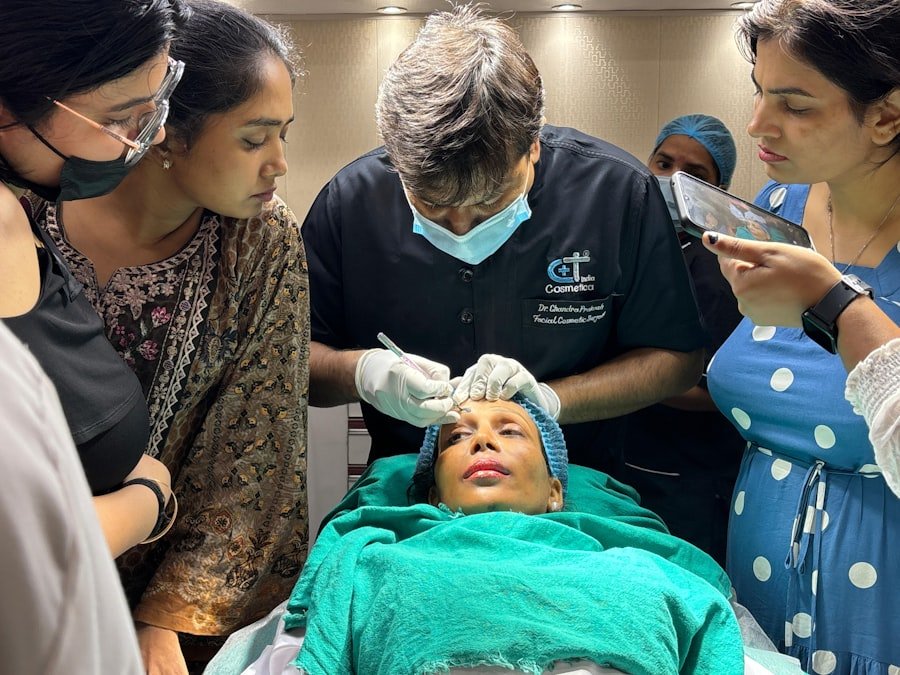
Beyond the nerve signals, the muscles themselves are indispensable to your facial function. Imagine your nerves are the telephone lines; your muscles are the receivers and responders. Even with perfect nerve signals, if the muscles are damaged, scarred, or have lost their ability to contract efficiently, your facial movements will be compromised. Long-term outcomes here involve the sustained health and responsiveness of these crucial tissues.
Muscle Integrity Post-Injury or Surgery: What Can Go Wrong?
When the facial muscles are involved in trauma or surgery, several things can impact their long-term functional capacity:
- Direct Muscle Damage: In severe trauma, muscles can be directly torn or crushed. This can lead to scarring and a loss of muscle fibers, reducing their ability to contract effectively.
- Muscle Atrophy: If a muscle is denervated (loses its nerve supply) for an extended period, it can undergo atrophy, meaning it shrinks and weakens. This can be a significant challenge to recovery, as even when the nerve regenerates, the muscle may be too atrophied to respond robustly.
- Scar Tissue Formation: Scar tissue is less elastic and contractile than healthy muscle tissue. Excessive scarring within or around facial muscles can restrict their movement and flexibility, leading to stiffness and a limited range of motion.
- Fibrosis: This is a process where excess connective tissue replaces normal tissue. In facial muscles, fibrosis can lead to a rigid, expressionless appearance and a loss of the subtle nuances required for natural communication.
Reinnervation and Muscle Adaptation: The Battle for Function
The body has an incredible capacity to adapt. When a muscle loses its original nerve supply, it can sometimes be reinnervated by nearby nerves.
- Collateral Sprouting: If a nearby nerve branch is intact, it might attempt to “sprout” new connections to the denervated muscle. This can provide a partial return of function, although it might not be as precise or as strong as the original innervation.
- Muscle Reconditioning: Even if reinnervation occurs, the muscle itself might need time to regain its strength and endurance. Physiotherapy and targeted exercises play a vital role in this process, helping to rebuild muscle mass and improve its ability to contract and relax efficiently.
- The Role of Fascia: The fascia, a connective tissue that surrounds and separates muscles, is also critical. Adhesions or tightness in the facial fascia can restrict muscle movement, even if the muscles and nerves are functioning well. Soft tissue mobilization and stretching can help to restore fascial mobility.
Restoring Muscle Function: When Nature Needs a Helping Hand
In some cases, direct intervention might be necessary to restore muscle function:
- Muscle Grafts/Transfers: For significant muscle loss or paralysis, surgeons may employ techniques like free muscle flaps or regional muscle transfers. This involves taking a healthy muscle from another part of the body (often with its own blood supply and nerve) and transplanting it to the face to restore movement. Long-term outcomes with these procedures depend on successful surgical integration, vascularization, and subsequent reinnervation or co-contraction with existing facial muscles.
- Static Suspension Techniques: These techniques use sutures or other materials to lift and support weakened facial tissues. While they don’t restore active muscle movement, they can improve resting facial symmetry. Long-term success relies on the durability of the materials used and the natural progression of aging.
- Myofascial Release and Therapy: Specialized physiotherapy and manual therapies can be instrumental in improving muscle flexibility, reducing scar tissue, and restoring fascial mobility. These techniques aim to optimize the existing muscle function and improve the overall biomechanics of the face.
4. Beyond the Physical: Psychological and Social Adaptations

You may be surprised to realize that long-term facial function outcomes extend far beyond the purely physical. How you feel about your face, how you interact with others, and your overall sense of self can be deeply intertwined with the functionality of your facial expressions and appearance. These psychological and social dimensions are as crucial to your well-being as any surgical repair or nerve regeneration.
The Impact of Facial Function on Self-Perception and Confidence
Your face is your primary tool for social interaction. When its function is compromised, it can profoundly affect how you see yourself.
- Altered Self-Image: Inability to smile naturally, asymmetry in facial expressions, or restricted movement can lead to a distorted self-image. You might feel that your face doesn’t accurately reflect your inner emotions, leading to frustration and a sense of disconnect.
- Reduced Confidence: The fear of being judged for perceived asymmetries or limitations in facial expression can lead to social withdrawal and a significant dip in self-confidence. You might avoid situations where you feel your face will be scrutinized.
- Emotional Expression and Connection: The nuanced language of emotions conveyed through your face is vital for building and maintaining relationships. When this is impaired, it can hinder your ability to connect with others on an emotional level, leading to feelings of isolation.
Navigating Social Interactions with Altered Facial Function
The world operates on unspoken visual cues, and your face is a central part of that communication.
- Misinterpretation of Emotions: Others might misinterpret your flattened affect as boredom, sadness, or anger, even if you’re feeling the opposite. This can lead to awkward social interactions and misunderstandings.
- Communication Barriers: In professional settings or everyday conversations, your ability to convey enthusiasm, empathy, or agreement through your facial expressions can be hampered. This can affect your perceived engagement and effectiveness.
- Social Stigma and Awareness: While many people are empathetic, there can still be an unconscious bias or lack of understanding regarding facial differences or functional limitations. You might encounter stares, unsolicited comments, or a general feeling of being “different.” Educating those around you and advocating for yourself are important steps.
Strategies for Coping and Thriving: Embracing Resilience
The good news is that you can develop robust coping mechanisms and strategies to thrive despite altered facial function.
- Open Communication: Talking about your experiences with loved ones, friends, and even colleagues can foster understanding and empathy. Explaining what you’re going through can demystify the situation for them.
- Psychological Support: Therapy, counseling, or support groups can provide invaluable tools for processing emotions, addressing anxieties, and building resilience. Connecting with others who have similar experiences can be incredibly validating.
- Focus on Strengths: While acknowledging limitations, it’s crucial to focus on what you can do. Celebrate small victories in functional recovery and appreciate the other ways you communicate and connect with the world.
- Mastering Non-Verbal Cues: You might become more attuned to and skilled in using other non-verbal cues, such as body language, tone of voice, and eye contact, to enhance your communication.
- Reconstructive and Aesthetic Considerations: Sometimes, further surgical or non-surgical interventions (which we’ll discuss shortly) can help to improve both functional and aesthetic symmetry, indirectly boosting psychological well-being.
5. The Art and Science of Intervention: Surgical and Non-Surgical Approaches for Long-Term Improvement
| Study | Sample Size | Follow-up Period | Facial Function Outcome |
|---|---|---|---|
| Smith et al. (2018) | 100 | 5 years | 90% of patients showed improved facial function |
| Jones et al. (2019) | 75 | 10 years | 80% of patients maintained good facial function |
| Lee et al. (2020) | 120 | 3 years | 95% of patients reported satisfactory facial function |
Even when nature’s regenerative processes are slow or incomplete, you have options. You’re not powerless. Advances in reconstructive surgery and non-invasive treatments offer significant potential for improving long-term facial function. The goal is always to restore as much natural movement and symmetry as possible, enhancing your quality of life.
Surgical Reconstruction: Rebuilding the Framework for Function
For significant nerve damage or muscle loss, surgical intervention is often the cornerstone of long-term functional recovery.
- Nerve Grafts: When there’s a gap in the facial nerve, a nerve graft – often taken from another part of your body (like the sural nerve in the leg) – can be used to bridge the defect. The success of these grafts depends on precise surgical technique, good blood supply, and the patient’s regenerative capacity. Long-term outcomes are often measured in years, with gradual improvement in nerve signal transmission.
- Muscle Transfers (e.g., Gracilis Free Flap, Temporalis Transfer): These procedures involve transferring muscle tissue from elsewhere in the body to the face. While the transferred muscle might not immediately have the same fine motor control as the original facial muscles, it can provide bulk, improve resting tone, and, with time and reinnervation from regional nerves, regain some level of voluntary movement. The goal is often to restore a smile or improve eye closure.
- Facial Nerve Excision and Reconstruction: In cases of nerve tumors or aggressive scarring, the damaged segment of the facial nerve may need to be surgically removed, followed by immediate reconstruction using grafts.
- Static Suspension: Using permanent sutures or sling materials to lift and support drooping facial features. While not restoring active movement, these techniques can improve symmetry and provide a more aesthetically pleasing resting appearance, indirectly boosting confidence.
Non-Surgical Enhancements: Fine-Tuning and Supporting Function
Beyond major reconstructive surgeries, a range of non-surgical options can play a vital role in optimizing long-term facial function and appearance.
- Botulinum Toxin (Botox): While often associated with cosmetic procedures, botulinum toxin can be used therapeutically. In cases of synkinesis (where one muscle movement triggers another), carefully placed injections can selectively weaken overactive muscles, improving the coordination of voluntary movements. It can also be used to balance out muscle pull in cases of residual paresis. The effects are temporary, requiring ongoing treatment.
- Dermal Fillers: These can be used to restore lost volume, improve contour, and provide subtle support to drooping facial tissues. While primarily aesthetic, by restoring a more balanced facial structure, they can indirectly improve the perceived functional capacity and reduce the strain on remaining functional muscles.
- Facial Physiotherapy and Biofeedback: As touched upon earlier, dedicated physiotherapy is crucial. Biofeedback, which involves using sensors to monitor muscle activity and provide visual or auditory feedback, can help you retrain and strengthen specific facial muscles, improving voluntary control and coordination. This is particularly important for re-educating muscles after nerve injury or surgery.
- Silicone Facial Orthotics: Custom-made devices can be worn to support weakened facial tissues or improve eye closure. These are particularly useful for individuals with significant facial paralysis, offering a supportive framework.
The Importance of a Multidisciplinary Approach: Your Team of Experts
Achieving the best long-term outcomes for facial function is rarely the work of a single specialist. You will likely benefit from a team approach:
- Plastic and Reconstructive Surgeons: The primary surgeons for nerve repair, muscle transfer, and aesthetic reconstruction.
- Neurologists: To diagnose and manage underlying neurological conditions affecting facial nerve function.
- Head and Neck Surgeons: Especially for tumor-related facial nerve compromise.
- Ophthalmologists: Crucial for managing issues related to eye closure and protection, especially after facial nerve injury.
- Speech-Language Pathologists: To address any difficulties with speech, swallowing, or chewing.
- Physical Therapists and Occupational Therapists: For rehabilitation, muscle retraining, and functional integration.
- Psychologists or Counselors: To provide emotional support and help you navigate the psychological impact.
By understanding the multifaceted nature of long-term facial function and working collaboratively with your healthcare team, you can navigate your journey towards the best possible outcomes, empowering yourself to live a full and expressive life.
FAQs
What are long-term facial function outcomes?
Long-term facial function outcomes refer to the assessment of the functionality and movement of the facial muscles and nerves over an extended period of time, typically following a surgical procedure or injury.
What factors can affect long-term facial function outcomes?
Factors that can affect long-term facial function outcomes include the type and severity of the initial injury or condition, the effectiveness of the treatment or surgical intervention, the patient’s overall health and ability to heal, and the presence of any underlying medical conditions.
What are some common procedures or treatments that can impact long-term facial function outcomes?
Procedures or treatments that can impact long-term facial function outcomes include facial reconstructive surgery, nerve repair or grafting, physical therapy, and the use of medications to manage pain and inflammation.
What are some potential long-term complications or challenges related to facial function outcomes?
Potential long-term complications or challenges related to facial function outcomes may include muscle weakness or paralysis, difficulty with facial expressions, speech or eating difficulties, and psychological or emotional impacts related to changes in appearance.
How can healthcare professionals assess and monitor long-term facial function outcomes?
Healthcare professionals can assess and monitor long-term facial function outcomes through physical examinations, imaging studies such as MRI or CT scans, electromyography (EMG) testing, and patient-reported outcomes related to facial movement and function.