
As your Listicle Content Architect, I’m here to guide you through the process of understanding radiation treatment. You’re embarking on a path that, while challenging, is a powerful tool in your fight. This listicle is designed to equip you with knowledge, demystify the experience, and empower you to navigate your treatment journey with confidence.
Before we delve into the practicalities, it’s crucial to grasp the fundamental purpose of radiation therapy. Think of it as a highly targeted attack on cancer cells, designed to disrupt their ability to grow and multiply. It’s a cornerstone of cancer treatment, often used independently or in conjunction with other therapies like surgery and chemotherapy. Your medical team has determined that radiation is the optimal strategy for your specific type of cancer, its stage, and your overall health.
What is radiation therapy?
Radiation therapy, also known as radiotherapy, uses high-energy radiation to kill cancer cells. This radiation can come from a machine located outside your body (external beam radiation therapy) or from radioactive substances placed inside your body (brachytherapy) or in your bloodstream. The beams are precisely aimed at the tumor, aiming to damage the DNA of cancer cells, preventing them from dividing and causing them to die. As these cancer cells die, the tumor shrinks. It’s important to understand that while radiation affects rapidly dividing cells, it also has the potential to impact healthy cells. However, modern radiation techniques are incredibly sophisticated, allowing for precise targeting of the tumor while minimizing damage to surrounding healthy tissues and organs.
How does radiation work to fight cancer?
The core principle behind radiation’s effectiveness lies in its ability to damage the genetic material (DNA) of cells. Cancer cells, by their nature, are characterized by uncontrolled growth and division. When radiation interacts with the DNA within these cells, it creates breaks and other damage that prevent them from replicating successfully. Over time, this continuous damage leads to the death of cancer cells. Healthy cells also absorb radiation, but they are generally more resilient and have better repair mechanisms than cancer cells. This difference in resilience is what allows radiation to be an effective weapon against cancer. The dosage and duration of radiation are carefully calculated to maximize the impact on cancer cells while keeping the side effects on healthy cells at a manageable level.
What are the different types of radiation therapy?
There are several forms of radiation therapy, and your doctor will determine the most suitable one for your condition.
External Beam Radiation Therapy (EBRT)
This is the most common type of radiation therapy. A machine called a linear accelerator (LINAC) is used to deliver high-energy X-rays or protons to the affected area from outside your body. The treatment is delivered in daily sessions, typically over several weeks.
- 3D Conformal Radiation Therapy (3D-CRT): This technique uses computer technology to create a 3D image of the tumor and surrounding tissues. The radiation beams are then shaped and angled to conform precisely to the tumor’s shape, minimizing exposure to healthy organs.
- Intensity-Modulated Radiation Therapy (IMRT): A more advanced form of EBRT, IMRT allows for even finer control over the radiation dose. The beam is divided into many small segments, and the intensity of each segment can be adjusted. This enables the delivery of a higher dose to the tumor while sparing surrounding healthy tissues more effectively.
- Image-Guided Radiation Therapy (IGRT): IGRT uses imaging techniques (like X-rays or CT scans) during treatment sessions to precisely locate the tumor. This allows the radiation team to make real-time adjustments to the patient’s position and the radiation beams, ensuring accuracy, especially for tumors that may move slightly with breathing or bodily functions.
- Stereotactic Radiosurgery (SRS) and Stereotactic Body Radiation Therapy (SBRT): These highly precise forms of radiation deliver very high doses of radiation to small tumors in a few treatment sessions. SRS is typically used for brain tumors, while SBRT can be used for tumors in other parts of the body. They require exceptional accuracy in targeting.
Internal Radiation Therapy (Brachytherapy)
In brachytherapy, a radioactive source is placed directly inside or very close to the tumor. This allows for a high dose of radiation to be delivered precisely to the cancer cells while minimizing exposure to other parts of the body.
- Temporary Brachytherapy: The radioactive source is placed inside your body for a specific period and then removed. This can involve capsules, seeds, or ribbons containing the radioactive material.
- Permanent Brachytherapy (Seed Implants): Small radioactive seeds are permanently placed in the tumor and gradually lose their radioactivity over time. This is often used for prostate cancer.
Systemic Radiation Therapy
This involves ingesting radioactive drugs or having them injected into your bloodstream. The radioactive substance travels throughout your body and concentrates in cancer cells, emitting radiation to destroy them. This is often used for certain types of thyroid cancer and lymphoma.
Why have you been prescribed radiation treatment?
Your oncological team has carefully considered your individual circumstances and determined that radiation therapy is the most appropriate course of action for you. This decision is based on a comprehensive evaluation of several factors, including:
- The type and stage of your cancer: Different cancers respond differently to radiation. The stage of the cancer (how far it has spread) also plays a significant role in treatment planning.
- The location of your tumor: Radiation can be very effective for localized tumors when surgery may not be feasible or sufficient.
- Your overall health and other medical conditions: Your doctor will assess your general health to ensure you can tolerate radiation treatment.
- Whether radiation is to be used as a primary treatment, adjuvant therapy, or palliative care:
- Primary Treatment: Radiation may be used as the main treatment to cure the cancer.
- Adjuvant Therapy: It might be used after surgery to kill any remaining cancer cells and reduce the risk of recurrence.
- Neoadjuvant Therapy: Radiation could be given before surgery to shrink a tumor, making it easier to remove.
- Palliative Care: Radiation can be used to relieve symptoms caused by cancer, such as pain or pressure, even if it cannot cure the disease.
This thorough assessment ensures that radiation therapy is not only a viable but also the best-performing option for your specific needs.
2. Preparing for Your Radiation Journey: What to Expect Before Treatment Begins
The period leading up to your first radiation treatment is crucial for ensuring accuracy and your comfort. This preparatory phase involves detailed planning and the establishment of your treatment markers.
The Initial Consultation and Planning Session
This is where the meticulous groundwork for your treatment begins. You will meet with your radiation oncology team, which typically includes a radiation oncologist (the doctor who oversees your treatment), a medical physicist (who ensures the accuracy and safety of the equipment), and radiation therapists (who deliver the treatment).
- Medical History Review: Your doctor will review your complete medical history, including any previous treatments, medications, allergies, and other health conditions. Be prepared to discuss these openly.
- Physical Examination: A thorough physical examination will be conducted to assess your current health status and to identify any physical changes relevant to your treatment.
- Imaging Scans: To precisely map the area to be treated, you’ll likely undergo specific imaging scans. These can include CT scans, MRI scans, or PET scans. These scans are vital for the radiation oncologist to delineate the tumor and surrounding organs.
- Simulation (Sim): This is a critical step. You will lie down on a treatment table, in the exact position you will be in during your actual treatments. This allows the team to create a personalized treatment plan.
- Marking Your Skin: Small, permanent or semi-permanent marks (like tiny tattoos or dots) will be made on your skin. These are called alignment marks or reference points. They are incredibly important as they ensure you are positioned precisely in the same spot for every treatment session. Don’t wash them off!
The Simulation Process: Creating Your Blueprint
The simulation is more than just a practice run; it’s the blueprint for your entire radiation course.
Why is the simulation so important?
The simulation is paramount because it allows for the precise localization of your tumor and the planning of radiation beams. Even slight variations in positioning from day to day can alter where the radiation is delivered. The simulation ensures that the beams are aimed accurately at the target while sparing as much healthy tissue as possible. It’s about maximizing effectiveness and minimizing side effects through precision.
What happens during the simulation?
During the simulation, you will be positioned on the treatment table identical to how you will be for your actual treatments. This might involve using immobilization devices like molds, casts, or straps to help you remain perfectly still. The radiation therapists will then take X-rays or CT scans of the treatment area. These images will be used by the medical physicist and radiation oncologist to plan the angles, shapes, and intensities of the radiation beams. It’s a non-invasive procedure, but it’s essential for the success of your treatment.
The Treatment Planning Process: Crafting Your Personalized Strategy
Once the simulation is complete, the real planning begins behind the scenes.
Who develops your treatment plan?
Your treatment plan is a collaborative effort. The radiation oncologist defines the target area and the prescribed radiation dose. The medical physicist then uses specialized computer software to design the radiation beams. They consider the tumor’s size and location, the proximity of sensitive organs, and the required dose to effectively destroy cancer cells while minimizing damage to healthy tissues. It’s a highly technical and sophisticated process.
What does your treatment plan involve?
Your treatment plan is highly individualized. It will specify:
- The total dose of radiation: This is measured in Grays (Gy), and it’s the amount of radiation energy delivered to the tumor.
- The number of treatment sessions: Treatments are usually given daily, Monday through Friday, for several weeks. The total duration of the treatment course can vary depending on the type and stage of cancer.
- The size and shape of the radiation beams: These are meticulously planned to cover the tumor precisely.
- The angles from which the radiation will be delivered: Multiple angles are often used to distribute the dose effectively and reduce the impact on any single organ.
You may have an opportunity to discuss your treatment plan with your radiation oncologist before your first treatment session to address any questions or concerns.
3. The Daily Grind: What to Expect During Your Radiation Treatments
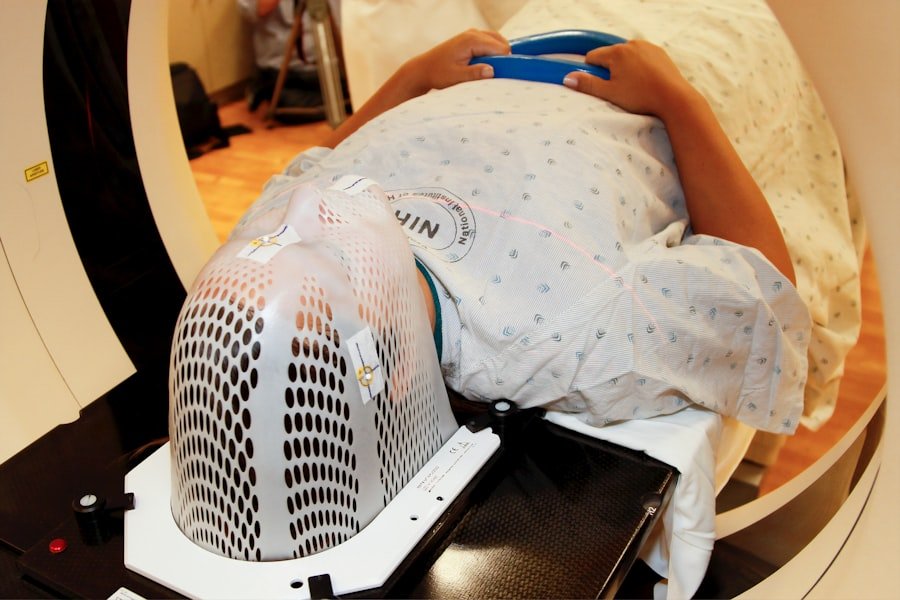
This is where the active phase of your treatment takes place. While the process is generally straightforward, understanding the routine will help alleviate any anxiety.
Arriving for Your Daily Treatment Session
Your treatment days will likely become a routine. It’s important to be on time for your appointments.
What to wear and bring on treatment days?
You can wear comfortable clothing, preferably loose-fitting. You will be asked to change into a hospital gown in the treatment room, so avoid anything difficult to remove or that might get in the way. You can usually keep your undergarments on if they don’t interfere with the treatment area.
Bring any personal items you might need for comfort, such as a book or headphones. You might want to bring a small snack or drink, especially if you have side effects like nausea.
What happens when you arrive at the treatment center?
Upon arrival, check in at the reception desk. You’ll likely be directed to a waiting area. When it’s your turn, a radiation therapist will call your name and escort you to a private changing room. Here, you’ll change into the gown.
The Treatment Room Experience: Precision in Action
The treatment room itself is designed for precise delivery of radiation.
What does the treatment room look like?
The treatment room houses the linear accelerator (LINAC) machine, which is a large, complex piece of equipment. It looks somewhat like a large CAT scan machine but is designed specifically for radiation therapy. You will lie on a movable treatment table beneath the LINAC.
How is the radiation delivered?
Once you are positioned correctly on the treatment table, the radiation therapists will leave the room to operate the machine from a control booth. The LINAC will move around you, delivering radiation beams from different angles. You will not see or feel the radiation itself. The entire process is painless. The therapists will be able to see you through a camera and communicate with you via an intercom. They will ensure you are comfortable and that the machine is operating correctly.
During the Treatment: Staying Still and Relaxed
Your role during the treatment session is primarily to remain still.
How long does each treatment session last?
Each treatment session is usually quite brief, typically lasting between 5 to 20 minutes. This includes the time it takes to get you into position and make any necessary adjustments. The actual delivery of radiation is often only a few minutes.
What do you need to do during treatment?
Your main responsibility is to lie still and try to relax. The immobilization devices, if used, will help keep you in the correct position. You might be instructed to hold your breath for short periods during certain parts of the treatment. The radiation therapists will guide you on this. It’s important to stay as relaxed as possible, as tensing muscles can sometimes affect positioning.
After Your Treatment: What to Expect Immediately
Once the radiation beam is turned off, your treatment is complete for the day.
Will you feel anything during or after the treatment?
No, you will not feel anything during or immediately after the radiation treatment itself. Radiation therapy does not cause any immediate physical sensation. You won’t feel heat, pain, or any tingling. The side effects of radiation therapy tend to develop gradually over time, as they are caused by damage to cells.
Can you drive yourself home after treatment?
In most cases, yes. Radiation therapy is an outpatient procedure, and you can typically resume your normal activities immediately after your session. Most people are able to drive themselves home or be picked up by a friend or family member. However, if you experience any significant fatigue or other side effects that might impair your ability to drive safely, it’s always best to arrange for transportation.
4. Managing the Side Effects: Navigating the Physical and Emotional Landscape
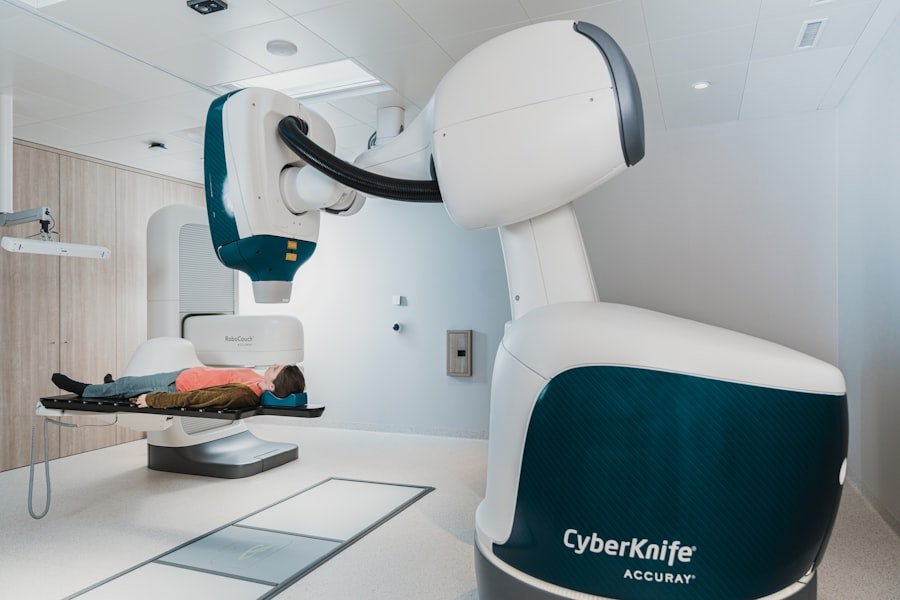
Radiation therapy, while powerful, can also cause side effects. These are generally manageable and often temporary, improving after treatment concludes. Understanding what to anticipate allows you to address them proactively.
Common Radiation Side Effects and How to Manage Them
The specific side effects you experience will depend on the area of your body being treated and the dose of radiation.
Skin Reactions
The skin in the treatment area may become red, dry, itchy, or even peel, similar to a sunburn.
- Gentle Skin Care: The radiation oncology team will provide specific instructions. Generally, use mild, unscented soaps and lukewarm water. Pat your skin dry gently instead of rubbing.
- Moisturizers: They may recommend specific lotions or creams to keep the skin hydrated and prevent dryness or cracking. Apply them as directed.
- Avoid Irritants: Steer clear of perfumed products, harsh chemicals, tight clothing, and excessive heat or cold (like hot baths or saunas) in the treatment area.
- Sun Protection: The treated skin will be more sensitive to the sun. Protect it with loose clothing and sunscreen with a high SPF, even after treatment is finished.
Fatigue
Fatigue is one of the most common side effects and can range from mild tiredness to profound exhaustion. It’s your body’s response to the energy it’s expending to heal and repair damage.
- Pacing Yourself: Prioritize rest and don’t overexert yourself. Break down tasks into smaller, manageable steps.
- Listen to Your Body: If you feel tired, rest. Avoid pushing yourself to do too much.
- Gentle Exercise: While it may seem counterintuitive, light physical activity like short walks can sometimes help improve energy levels. Discuss this with your doctor.
- Nutrition and Hydration: Eating a balanced diet and staying well-hydrated are crucial for maintaining energy.
- Communicate: Let your care team know how severe your fatigue is so they can offer support and advice.
Nausea and Vomiting (if treating the abdominal or pelvic area)
If radiation is directed towards your abdomen or pelvis, you might experience nausea and, in some cases, vomiting.
- Dietary Adjustments: Eat small, frequent meals. Opt for bland, easily digestible foods. Avoid greasy, spicy, or heavily seasoned foods.
- Hydration: Sip on fluids like water, clear broths, or diluted juices throughout the day.
- Medications: Your doctor can prescribe anti-nausea medications to help manage these symptoms.
- Ginger: Some people find ginger in various forms (ginger ale, ginger candies) to be helpful.
Hair Loss (if hair follicles are in the treatment field)
Hair loss is typically localized to the area being treated.
- Scalp Hair Loss: If your scalp is treated, expect thinning or complete hair loss in that specific area. This is usually temporary, and hair often regrows after treatment, though it may be a different texture or color.
- Facial Hair Loss: Similarly, if facial hair is in the field, it may be affected.
- Gentle Hair Care: Use mild shampoos and conditioners. Avoid harsh styling products or excessive heat.
Other Potential Side Effects
Depending on the treatment area, other side effects can include:
- Mouth Sores (if treating the head or neck): Good oral hygiene is essential. Your team may recommend special mouthwashes or pain relief.
- Diarrhea (if treating the pelvic area): Dietary changes and anti-diarrheal medications can help.
- Changes in Taste or Smell: These are usually temporary.
- Urinary or Bowel Changes: These can occur if the bladder or rectum is in the treatment field. Your team will provide specific management strategies.
Addressing Emotional and Psychological Well-being
The emotional impact of cancer treatment is just as significant as the physical. It’s normal to experience a range of emotions.
Coping with Anxiety and Fear
It’s natural to feel anxious about the unknown, the side effects, and the treatment itself.
- Open Communication: Talk to your medical team about your fears and concerns. They are there to reassure you and provide information.
- Support Systems: Lean on your family and friends. Talking about your feelings can be incredibly cathartic.
- Mindfulness and Relaxation Techniques: Practicing deep breathing exercises, meditation, or gentle yoga can help manage anxiety.
- Information is Power: The more you understand about your treatment, the less intimidating it may seem. This listicle is a starting point!
Dealing with Depression and Mood Swings
The stress of cancer treatment can lead to feelings of sadness, frustration, or even depression.
- Acknowledge Your Feelings: It’s okay to feel down. Don’t try to suppress these emotions.
- Seek Professional Support: If feelings of sadness persist or interfere with your daily life, talk to your doctor. They can refer you to counselors or therapists who specialize in oncology support.
- Maintain Routines: As much as possible, try to maintain some semblance of your normal routine, including social activities and hobbies, to help boost your mood.
- Focus on Small Victories: Celebrate the completion of each treatment session or a good day.
The Importance of a Strong Support Network
Having a solid support system is invaluable.
- Family and Friends: They can offer practical help, emotional encouragement, and a listening ear.
- Support Groups: Connecting with others who are going through similar experiences can be incredibly validating and provide practical advice. Many cancer centers offer these.
- Oncology Social Workers: These professionals are dedicated to helping patients and their families navigate the emotional and practical challenges of cancer.
Your well-being is multifaceted. Don’t hesitate to reach out for help, both medically and emotionally.
5. Beyond Treatment: What to Expect After Radiation Ends and Long-Term Outlook
| Aspect | Details |
|---|---|
| Treatment Duration | Each session typically lasts 10-30 minutes, and the entire course of treatment can last several weeks. |
| Frequency | Most patients receive radiation therapy 5 days a week, Monday through Friday. |
| Side Effects | Common side effects may include fatigue, skin changes, and localized discomfort. |
| Preparation | Prior to treatment, patients may need to undergo imaging scans and have small tattoos or marks placed on their skin to ensure accurate radiation delivery. |
| Follow-up Care | After completing radiation therapy, patients will have regular follow-up appointments to monitor their progress and manage any lingering side effects. |
Completing radiation therapy is a significant milestone, but your journey doesn’t end there. This section focuses on the period immediately following treatment and the long-term considerations.
The Immediate Aftermath: Signs of Healing and Lingering Effects
As your last radiation session concludes, your body begins its healing process, but some effects may persist.
Physical Recovery
- Gradual Improvement: Many side effects, like fatigue and skin reactions, will begin to improve gradually in the weeks and months following treatment.
- Lingering Fatigue: Fatigue can sometimes linger for a while. Continue to prioritize rest and gentle activity as advised by your doctor.
- Skin Healing: The treated skin will continue to heal. It may remain sensitive for some time, and protective measures against the sun are still important.
Continued Monitoring and Follow-Up Appointments
Regular follow-up appointments are crucial to monitor your progress and detect any potential recurrence or late side effects.
- Scheduled Check-ups: Your oncologist will schedule regular appointments to assess your overall health and well-being.
- Imaging and Tests: These appointments may involve physical examinations, blood tests, and imaging scans (like CT scans or X-rays) to check for any changes in the tumor or surrounding areas.
- Open Dialogue: This is your opportunity to discuss any changes or concerns you’ve noticed, no matter how small they may seem.
Potential Long-Term Effects of Radiation
While radiation therapy is generally safe and effective, some long-term effects can occur, especially for higher doses or treatments in sensitive areas.
Late Radiation Effects
These are effects that may develop months or even years after treatment.
- Fibrosis: Scar tissue can form in the treated area, leading to stiffness or tightness.
- Changes in Organ Function: Depending on the organs treated, there might be changes in their function over time. Your medical team will monitor for this.
- Secondary Cancers: While rare, there is a slightly increased risk of developing a new cancer in the treated area. This risk is carefully weighed against the benefits of radiation therapy in treating the primary cancer.
- Sexual Health and Fertility: Depending on the treatment area and dose, radiation can affect fertility and sexual function. Discuss any concerns with your doctor, as there may be options for preservation or management.
Importance of Reporting Any New Symptoms
It’s vital to stay vigilant and report any new or unusual symptoms to your medical team promptly, even years after treatment. Early detection and management of late effects are key.
Embracing Life After Treatment: Rebuilding and Thriving
Completing treatment is a major accomplishment. The focus now shifts to rebuilding your strength, reclaiming your life, and moving forward.
Returning to Normal Activities
- Gradual Reintegration: You’ll likely ease back into your daily routines, work, and social activities as your energy levels and health improve.
- Patience is Key: Don’t rush the process. Listen to your body and allow yourself ample time to recover.
Lifestyle and Well-being
- Healthy Diet and Exercise: Maintaining a healthy lifestyle is crucial for long-term well-being and can help reduce the risk of recurrence.
- Stress Management: Continue to prioritize stress-reducing activities.
- Emotional Well-being: Continue to nurture your emotional health. The psychological impact of cancer treatment can take time to process.
The Long-Term Outlook and Support
- Positive Prognosis: For many, radiation therapy leads to successful treatment outcomes and long-term remission. Your medical team will be able to provide specific information about your prognosis.
- Continued Support: Remember that support is available beyond active treatment. Your cancer center may offer survivorship programs, support groups, and resources to help you thrive.
- Advocacy for Your Health: You are now an expert in your own body. Continue to advocate for your health and communicate openly with your healthcare providers.
This listicle has provided you with a comprehensive overview of what to expect during radiation treatment. Remember, knowledge is empowering. By understanding each step of the process, you are better prepared to navigate your journey with confidence and resilience. Your medical team is your greatest ally, and open communication is your most valuable tool. You’ve got this.
FAQs
What is radiation treatment?
Radiation treatment, also known as radiotherapy, is a common cancer treatment that uses high doses of radiation to kill cancer cells and shrink tumors.
What can I expect during radiation treatment?
During radiation treatment, you can expect to undergo a series of sessions where a machine delivers targeted radiation to the specific area of your body where the cancer is located. Each session is painless and typically lasts only a few minutes.
What are the potential side effects of radiation treatment?
Common side effects of radiation treatment may include fatigue, skin changes in the treated area, and potential damage to nearby healthy tissues. Your healthcare team will work with you to manage any side effects that may arise.
How should I prepare for radiation treatment?
Before starting radiation treatment, your healthcare team will provide you with specific instructions on how to prepare. This may include avoiding certain foods or medications, staying hydrated, and taking steps to protect your skin in the treatment area.
How effective is radiation treatment in treating cancer?
Radiation treatment can be highly effective in treating certain types of cancer, either as a standalone treatment or in combination with other therapies such as surgery or chemotherapy. The effectiveness of radiation treatment will depend on the type and stage of cancer being treated.