
You’re navigating the world of acoustic neuroma, and you’re looking for clarity on what the future holds. As a Listicle Content Architect, I understand the importance of providing clear, actionable, and comprehensive information. You deserve to know what to expect, not just today, but years down the line. This listicle is designed to illuminate the long-term outlook for acoustic neuroma patients, breaking down complex medical concepts into digestible insights. We’ll explore the factors influencing your prognosis, the ongoing management strategies, and the potential for a fulfilling life post-diagnosis.
As an acoustic neuroma patient, your journey is intrinsically linked to the behavior of the tumor itself. Understanding its natural history and growth patterns is foundational to grasping your long-term outlook. This isn’t about definitive predictions, but about understanding the probabilities and the variables that shape your individual experience.
The Slow and Steady Pace of Most Tumors
You’ll likely find comfort in knowing that acoustic neuromas, often also called vestibular schwannomas, are almost always benign, meaning they aren’t cancerous and don’t spread to other parts of the body. Their defining characteristic is their slow growth. For many, the tumor may grow so gradually that it remains stable for years, even decades. This slow pace is a significant factor in offering a generally positive long-term outlook for many patients. You might experience periods where your symptoms remain relatively unchanged, leading to a prolonged phase of watchful waiting. This stability is a testament to the non-aggressive nature of these tumors.
Factors Influencing Growth Rate
While many tumors are slow-growing, you should be aware that the rate of growth can vary. Several factors can influence how quickly, or if, your acoustic neuroma progresses.
Size and Location Significance
The initial size of your acoustic neuroma plays a role. Larger tumors are sometimes more likely to exhibit some growth than very small ones, though this isn’t a hard and fast rule. The specific location within the cerebellopontine angle (CPA) – the space at the base of your brain where the tumor arises – can also influence its impact. A tumor pressing on vital structures, even if small, might have more immediate noticeable effects and potentially influence its growth trajectory by interacting with surrounding tissues.
Genetic Predispositions and Syndromes
For a small percentage of patients, underlying genetic conditions can influence tumor growth. Neurofibromatosis type 2 (NF2) is the most common genetic disorder associated with bilateral (occurring on both sides) acoustic neuromas, and in these cases, the tumors may grow more aggressively and appear earlier in life. If NF2 is a consideration for you, your long-term outlook will be discussed with more specific attention to managing multiple tumors and potential genetic counseling.
Age and Hormonal Influences (Less Common but Noteworthy)
While less definitively established as a primary driver, some research suggests that age at diagnosis and potential hormonal influences might play a minor role in tumor growth or progression. However, these are generally considered less significant than the tumor’s inherent characteristics and the factors mentioned above. Your medical team will consider your overall health and age when formulating your long-term management plan.
The Concept of “Active Observation”
For many, especially those with small, asymptomatic, or slowly growing tumors, “active observation” is the preferred long-term strategy. This doesn’t mean you’re left to fend for yourself. Instead, it involves regular, scheduled monitoring to detect any significant changes.
Imaging Surveillance: Your Window to the Tumor
Magnetic Resonance Imaging (MRI) is your primary tool for this surveillance. You’ll likely undergo periodic MRIs, with the frequency determined by your doctor based on the tumor’s characteristics and your previous scans. These scans allow your medical team to precisely measure the tumor’s size, assess its shape, and identify any subtle changes. This vigilant monitoring ensures that any progression is detected early, allowing for timely intervention if necessary.
Audiological Assessments: Listening to Your Hearing
Your hearing is often among the first and most affected senses by an acoustic neuroma. Regular hearing tests, including pure-tone audiometry and speech discrimination tests, are crucial. These assessments help track any decline in hearing function, which can be an indicator of tumor growth or pressure on the auditory nerve. Prompt identification of hearing loss can also inform treatment decisions, especially if hearing preservation is a key goal.
When Growth Becomes Clinically Significant
Not all growth is concerning. However, your medical team will define “clinically significant” growth as a change that warrants intervention. This typically involves a measurable increase in tumor size that begins to impinge on surrounding neurological structures, leading to new or worsening symptoms. For instance, if a tumor that was previously stable starts to press on the brainstem or cranial nerves responsible for facial movement or balance, it crosses a threshold where intervention is reconsidered.
2. Treatment Options and Their Long-Term Implications
Your long-term outlook is inextricably linked to the treatment path you and your medical team choose. Each treatment modality carries its own set of potential side effects and implications for your future well-being. Understanding these nuances is crucial for informed decision-making.
Conservative Management: Watchful Waiting and Symptom Control
For many diagnosed with small or slow-growing acoustic neuromas, the primary long-term strategy is conservative management, often referred to as watchful waiting or active surveillance as previously discussed. If your tumor isn’t causing significant symptoms or showing concerning growth, this approach prioritizes avoiding the potential side effects of more aggressive treatments.
Minimizing Intervention, Maximizing Quality of Life
The goal here is to allow you to live your life with as few medical interventions as possible, preserving your quality of life while maintaining vigilance. Your long-term outlook in this scenario largely depends on the tumor remaining stable and any existing symptoms being manageable.
Symptom Management: Addressing Hearing Loss, Tinnitus, and Vertigo
Even with watchful waiting, you might experience symptoms. Effective symptom management is a vital part of your long-term care. This can involve:
Hearing Aids and Cochlear Implants
For gradual hearing loss, hearing aids can significantly improve your ability to perceive sound and engage in communication. In cases of profound hearing loss, cochlear implants are a more advanced option that bypasses the damaged parts of the ear to stimulate the auditory nerve directly, potentially restoring a degree of hearing. Your audiologist will work with you to determine the best assistive listening devices for your needs.
Tinnitus Management Strategies
Tinnitus, the perception of ringing or buzzing in the ear, can be managed through various techniques, including sound therapy, cognitive behavioral therapy (CBT), and relaxation exercises. Masking devices that generate soothing sounds can also help to make the tinnitus less intrusive.
Vestibular Rehabilitation Therapy (VRT)
For balance issues and vertigo, VRT is a highly effective form of physical therapy. It involves specific exercises designed to retrain your brain to compensate for the impaired balance signals from your inner ear, improving your stability and reducing dizziness. A physical therapist specializing in vestibular disorders will guide you through this process.
Surgical Intervention: Balancing Tumor Removal and Neurological Function
Surgery is a primary treatment option for larger tumors, those causing significant symptoms, or those showing rapid growth. The goal is to remove the tumor while preserving the function of nearby cranial nerves, most notably the facial nerve (CN VII) and the cochlear nerve (CN VIII).
Types of Surgical Approaches and Their Long-Term Outcomes
The specific surgical approach will depend on the tumor’s size, location, and your overall health. Common approaches include:
Retrosigmoid Craniotomy
This is a frequently used approach that involves an incision behind the ear and removal of a small piece of bone. It offers good access to the tumor and a higher chance of hearing preservation compared to some other methods, particularly for smaller tumors. Long-term outcomes are generally good, with patients often recovering well after a period of rehabilitation. The risk of facial nerve weakness or hearing loss exists but is often minimized with experienced surgeons.
Translabyrinthine Approach
This approach involves removing the bone of the inner ear (labyrinthectomy) to access the tumor. It provides excellent visualization of the tumor but invariably results in the loss of hearing in the operated ear. This approach is often favored for larger tumors where hearing preservation is less likely, or for patients who already have significant hearing loss in that ear.
Middle Fossa Craniotomy
This approach is typically used for smaller tumors located more superiorly within the CPA. It offers a good view of the tumor and can sometimes provide better rates of facial nerve preservation.
Potential Long-Term Side Effects of Surgery
While surgery can effectively remove the tumor, it’s important to be aware of potential long-term side effects:
Facial Nerve Weakness or Paralysis
Damage to the facial nerve can lead to weakness or paralysis of the facial muscles, affecting your ability to smile, close your eye, or move facial expressions. While some recovery is often possible, permanent deficits can occur. Plastic surgery or other reconstructive techniques may be considered for cosmetic and functional improvement over time.
Hearing Loss
Even with meticulous surgical technique, hearing loss in the affected ear is a common long-term consequence, especially with the translabyrinthine approach. As mentioned, assistive devices are crucial for managing this.
Cerebrospinal Fluid (CSF) Leak
In rare cases, a CSF leak can occur, requiring further intervention. This is usually managed surgically.
Balance and Dizziness
Post-surgery, you may experience persistent balance issues and dizziness, often managed with vestibular rehabilitation therapy.
Risk of Tumor Recurrence or Residual Tumor
While surgical removal aims to be complete, there’s always a small risk of tumor recurrence or that a small portion of the tumor may remain, particularly if it’s adhered closely to vital structures. Regular follow-up imaging is essential to monitor for this.
Radiation Therapy: Targeting Tumors with Precision
Radiation therapy, particularly stereotactic radiosurgery (SRS) or stereotactic radiotherapy (SRT), is another important treatment option, often used for patients who are not surgical candidates, have residual tumor after surgery, or for whom surgery carries too high a risk.
Gamma Knife and CyberKnife: Advanced Delivery Systems
These sophisticated technologies deliver highly focused beams of radiation to the tumor, minimizing damage to surrounding healthy tissues.
Immediate and Delayed Effects of Radiation
The immediate effects of radiation are typically minimal, with patients often returning to normal activities shortly after treatment. However, the long-term effects are a result of the radiation gradually shrinking the tumor and potentially affecting nearby structures.
Potential Long-Term Side Effects of Radiation Therapy
While radiation therapy is generally well-tolerated, long-term considerations include:
Hearing Loss
Radiation can damage the cochlear nerve, leading to progressive hearing loss over time. This risk is often carefully weighed against the benefits of tumor control.
Facial Nerve Dysfunction
Similar to surgery, there’s a risk of facial nerve weakness or paralysis, though generally less common and often less severe than with surgery.
Tinnitus and Vertigo
These symptoms can persist or even develop after radiation therapy.
Risk of Radiation-Induced Neurological Damage (Rare)
In very rare cases, prolonged high doses of radiation can lead to damage to surrounding brain tissue. This is a significant consideration that your radiation oncologist will discuss thoroughly with you.
Tumor Control and Growth Inhibition
The primary long-term goal of radiation is to stop tumor growth or significantly shrink it. For many, this can provide excellent long-term control and avoid the need for further interventions.
3. The Crucial Role of Ongoing Monitoring and Surveillance
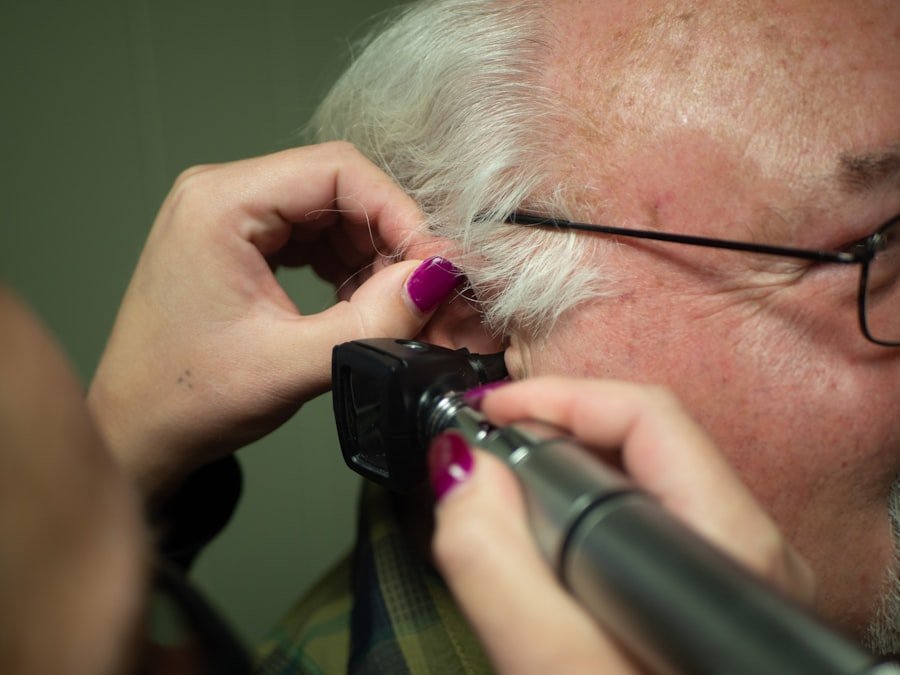
Your journey with acoustic neuroma doesn’t end with treatment. For many, it transitions into a lifelong phase of diligent monitoring and surveillance. This is a critical component of ensuring your long-term health and well-being, allowing for prompt identification of any changes and timely adjustments to your care plan.
The “New Normal”: Living with a Stable Tumor
For a significant number of patients, the long-term outlook involves living with a stable acoustic neuroma. This means the tumor has stopped growing or has reached a size and position where it no longer causes significant symptoms. Your life might have a “new normal” where you live with the presence of the tumor, but it doesn’t actively dictate your daily life.
Regular Check-ups: The Cornerstone of Long-Term Care
These regular check-ups are not just a formality; they are the bedrock of your long-term care. Your medical team will establish a schedule for your follow-up appointments, which will likely involve:
Scheduled MRI Scans: Visualizing Stability and Change
You’ll continue to have periodic MRI scans, though the frequency might decrease over time if the tumor remains stable. This allows for the earliest possible detection of any subtle growth or changes in the tumor’s appearance. The goal is to catch any progression when it’s small and most amenable to management.
Audiological Assessments: Monitoring Hearing Health
Consistent hearing tests are vital, especially if you’ve experienced any hearing loss. Monitoring your hearing allows for timely adjustments to hearing aids or other assistive devices and can also serve as an early indicator of tumor-related changes.
Neurological Examinations: Assessing Overall Function
Your doctor will perform neurological exams to assess for any new or worsening symptoms related to cranial nerve function, balance, or other neurological signs. This is a holistic approach to your well-being.
Symptom Management: A Continuous Process
Even with a stable tumor, you might continue to experience some symptoms. Ongoing symptom management is a crucial part of your long-term outlook.
Adapting to Hearing Loss
As mentioned earlier, managing hearing loss is an ongoing process. This might involve periodic adjustments to your hearing aids, exploring new assistive listening technologies as they become available, or seeking support from audiology and speech-language pathology services.
Coping with Tinnitus and Balance Issues
Tinnitus and balance issues can fluctuate over time. Continued engagement with specialists for management strategies, such as VRT or mindfulness techniques, can help you cope effectively.
Psychological Well-being: Navigating the Emotional Landscape
Living with a chronic condition, even a benign one, can have emotional implications. Your long-term outlook includes prioritizing your psychological well-being.
Support Groups and Peer Connections
Connecting with others who have experienced acoustic neuroma can be incredibly valuable. Support groups, both online and in-person, offer a platform for sharing experiences, gaining coping strategies, and reducing feelings of isolation.
Professional Counseling
If you’re experiencing anxiety, depression, or difficulty adjusting, seeking professional counseling can provide you with tools and support to navigate these challenges.
When to Be Proactive: Recognizing Warning Signs
While vigilance is key, it’s also important to know when to be proactive and contact your medical team. Don’t hesitate to reach out if you experience:
New or Worsening Symptoms
Any sudden onset of new symptoms, or a significant worsening of existing ones, such as:
Increased or Changed Hearing Loss
A noticeable decline in hearing that isn’t related to a cold or other temporary issue.
Increased Dizziness or Vertigo
More frequent or severe episodes of unsteadiness.
Facial Weakness or Numbness
Any new or progressive weakness or altered sensation in your face.
Headaches
Persistent or severe headaches that are different from your usual pattern.
Concerns About Your Imaging Reports
If you have questions or concerns after reviewing your MRI reports with your doctor.
Your medical team is your greatest resource. Open communication is paramount to ensuring your long-term care is consistent with your changing needs and the tumor’s behavior.
4. Impact on Lifestyle and Daily Functioning: A Balanced Perspective
Your acoustic neuroma diagnosis and any subsequent treatment can undoubtedly impact your lifestyle. However, a central theme in the long-term outlook for acoustic neuroma patients is the remarkable ability to adapt and lead fulfilling lives, often with minimal long-term limitations.
Adapting to Sensory Changes: Hearing and Balance
The most common long-term adaptations revolve around managing changes in hearing and balance.
Navigating Communication Challenges
If you’ve experienced hearing loss, you’ll likely develop strategies to enhance communication. This might include:
Strategic Seating in Social Situations
Choosing seats where you can face the speaker and minimize background noise.
Utilizing Visual Cues
Paying closer attention to facial expressions and body language.
Openly Communicating Your Needs
Letting others know if you’re having trouble hearing so they can speak more clearly or face you.
Embracing Technology
As mentioned, hearing aids and other assistive listening devices are transformative. Exploring apps that provide real-time captioning or amplify specific sounds can be incredibly helpful.
Maintaining Balance and Mobility
For those with persistent balance issues, the focus is on maintaining safety and independence.
Vestibular Rehabilitation Therapy (VRT)
As a cornerstone of managing balance, VRT empowers you with exercises to improve your stability and reduce falls.
Home Modifications
Simple adjustments to your home, such as removing tripping hazards, adding grab bars in bathrooms, and ensuring adequate lighting, can significantly enhance safety.
Assistive Devices
Using a cane or walker can provide stability and confidence when navigating uneven surfaces or longer distances.
Sensible Exercise
Engaging in low-impact exercises like swimming or yoga can improve strength and balance without exacerbating dizziness.
Employment and Career Considerations
A significant concern for many patients is how their diagnosis will affect their employment. The good news is that for most, with appropriate management and adaptations, continued employment is very achievable.
Workplace Accommodations: Creating an Inclusive Environment
Many employers are legally obligated to provide reasonable accommodations to employees with disabilities. For acoustic neuroma patients, this might include:
Noise Reduction Measures
Access to quiet workspaces or noise-canceling headphones.
Flexible Work Schedules
Allowing for appointments or periods of rest if symptoms fluctuate.
Accessible Communication Tools
Ensuring access to visual aids or amplified phone systems.
Advocating for Your Needs
It’s important to feel empowered to discuss your needs with your employer. Honesty and open communication, within the bounds of your comfort level, can lead to a more supportive work environment. Many patients find that with proactive communication, they can continue to thrive in their careers.
Social and Recreational Activities: Rekindling and Rediscovering
The idea of restricted social and recreational activities often looms large, but acoustic neuroma generally doesn’t have to mean an end to a vibrant social life.
Adapting Hobbies and Interests
Many hobbies can be adapted. For example:
Music Appreciation
If hearing loss is significant, exploring genres with richer bass or focusing on instrumental music can still be enjoyable.
Sports and Fitness
As mentioned, many adapted sports and fitness activities are available.
Travel
With careful planning, travel can remain a wonderful part of your life.
The Importance of Social Connection
Maintaining social connections is vital for overall well-being. Prioritizing activities that you enjoy and that don’t exacerbate your symptoms is essential.
Long-Term Emotional and Psychological Adjustment
While the physical aspects are often managed, the emotional journey is equally important.
Building Resilience
Many patients develop remarkable resilience over time. Learning to accept and adapt to changes is a powerful part of the healing process.
Focusing on Strengths and Gratitude
Shifting focus to what you can do and appreciating the things that remain constant can be incredibly beneficial.
Maintaining a Positive Outlook
While challenges will arise, cultivating a positive outlook, focusing on progress rather than deficits, is a powerful predictor of overall well-being.
5. Future Outlook and Emerging Innovations: Hope on the Horizon
| Metrics | Long-term Outlook for Acoustic Neuroma Patients |
|---|---|
| Survival Rate | High, with most patients surviving for many years after treatment |
| Hearing Loss | May experience permanent hearing loss in the affected ear |
| Tumor Growth | Slow-growing tumors, with low risk of recurrence after treatment |
| Quality of Life | Improves for many patients after treatment, with some experiencing long-term side effects |
The long-term outlook for acoustic neuroma patients is continuously evolving, thanks to ongoing advancements in medical research and technology. You’re not just facing today’s treatments; you’re part of a trajectory that promises even better outcomes in the future.
Advancements in Diagnostic Imaging and Early Detection
The earlier an acoustic neuroma is detected, the more options are available for management, often leading to better long-term prognoses.
Higher Resolution MRI Technology
Newer MRI machines offer even higher resolution, allowing for the detection of smaller tumors and more subtle changes in tumor morphology. This means your diagnostic scans will become increasingly precise.
Artificial Intelligence (AI) in Image Analysis
AI is beginning to play a significant role in analyzing medical images. AI algorithms can potentially identify subtle patterns in MRIs that human eyes might miss, leading to earlier and more accurate diagnoses. This could revolutionize how tumors are screened for and monitored.
Biomarker Research for Predicting Growth
Researchers are actively exploring potential biomarkers – biological indicators – that could help predict which tumors are more likely to grow rapidly. Identifying these markers could allow for more personalized and proactive treatment strategies, tailoring interventions to individual risk profiles.
Refined Surgical Techniques and Technology
Surgical approaches for acoustic neuromas are constantly being refined to minimize invasiveness and maximize functional preservation.
Enhanced Endoscopic and Microscopic Tools
The development of advanced endoscopic and microscopic instruments allows surgeons to operate with greater precision and visualization, leading to potentially less invasive procedures and quicker recovery times.
Intraoperative Monitoring Improvements
Improvements in intraoperative nerve monitoring techniques allow surgeons to better assess the integrity of the facial and auditory nerves during surgery, further reducing the risk of nerve damage.
Robotic-Assisted Surgery
While still in its nascent stages for acoustic neuromas, robotic-assisted surgery holds promise for increased precision and minimally invasive access in the future.
Innovations in Radiation Therapy
Radiation therapy continues to evolve as a precise and effective treatment modality.
Hypofractionation and Pulsed Radiation
Researchers are exploring different fractionation schedules (delivering radiation in fewer, larger doses) and pulsed radiation techniques. These methods aim to maximize tumor cell kill while minimizing damage to surrounding healthy tissues, potentially leading to fewer long-term side effects.
Targeted Radionuclide Therapy
The development of targeted radionuclide therapies, which deliver radioactive isotopes directly to tumor cells, is another area of active research. This approach could offer highly localized treatment with minimal systemic side effects.
Promising Research into Medical Therapies
While surgery and radiation remain the primary treatments, the exploration of medical therapies to manage or even treat acoustic neuromas is gaining momentum.
Targeted Drug Development for NF2-Related Tumors
For patients with NF2, significant research is focused on developing targeted therapies that can inhibit tumor growth or even induce tumor regression. Drugs that target specific signaling pathways involved in schwannoma development are showing promising results in preclinical studies and early clinical trials.
Investigating Novel Immunotherapies
The field of immunotherapy, which harnesses the body’s own immune system to fight cancer, is also being explored for its potential in treating acoustic neuromas, particularly those associated with genetic predispositions.
Gene Therapy Approaches
Emerging gene therapy techniques aim to correct genetic defects or introduce genes that can inhibit tumor growth. While this is a more futuristic approach, it represents a significant area of hope for long-term cures.
The Importance of Patient-Centered Care and Patient Advocacy
As you navigate your acoustic neuroma journey, and as treatments evolve, your role as an informed and engaged patient is paramount.
Staying Informed and Engaged
Actively participate in your healthcare decisions. Ask questions, seek second opinions when necessary, and stay informed about the latest research and treatment options.
Contributing to Research Through Data Sharing
When appropriate and with your consent, contributing your anonymized medical data to research registries can significantly accelerate our understanding of acoustic neuromas and the development of new treatments.
Advocating for Access to Care
As treatment options expand, advocating for accessible and equitable care for all acoustic neuroma patients is vital. This includes ensuring that newer, potentially life-changing treatments are available and affordable.
Your long-term outlook for acoustic neuroma is one of ongoing management, adaptation, and importantly, hope. The medical field is not static, and your future is brighter with every passing year due to dedicated research and innovation. By staying informed, actively participating in your care, and embracing the advancements on the horizon, you are well-positioned to manage your condition and live a full and meaningful life.
FAQs
What is an acoustic neuroma?
An acoustic neuroma is a non-cancerous tumor that develops on the main nerve leading from the inner ear to the brain. It can cause hearing loss, ringing in the ear, and unsteadiness.
What are the long-term outlook for acoustic neuroma patients?
The long-term outlook for acoustic neuroma patients varies depending on the size of the tumor, the patient’s age, and overall health. Treatment options include observation, radiation therapy, and surgical removal of the tumor.
What are the potential complications of acoustic neuroma treatment?
Complications of acoustic neuroma treatment can include hearing loss, facial weakness, balance problems, and cerebrospinal fluid leakage. These complications can impact the long-term quality of life for patients.
What are the follow-up care recommendations for acoustic neuroma patients?
Follow-up care for acoustic neuroma patients typically includes regular monitoring of symptoms, hearing tests, and imaging studies to assess the tumor’s growth or recurrence. Patients may also need ongoing rehabilitation for any lingering symptoms.
What are the support resources available for acoustic neuroma patients?
Support resources for acoustic neuroma patients may include patient advocacy organizations, support groups, and online forums where patients can connect with others facing similar challenges. These resources can provide valuable information and emotional support for patients and their families.