
You’re looking to conquer acne, aren’t you? You want that clear, glowing skin and you know a consistent routine is the key. But with so much information out there, it can feel overwhelming. Don’t worry, skilled Listicle Content Architect (that’s me!) is here to break it down for you, step-by-step. This isn’t just a list; it’s your roadmap to a healthier complexion. We’ll delve into the “why” behind each step, empowering you to make informed choices and build a routine that truly works for you. Get ready to transform your skin, one daily habit at a time.
You might think cleansing is just about washing your face, but it’s so much more. It’s the cornerstone of any effective acne skincare routine, removing the daily grime that can lead to breakouts. Without a proper cleanse, all the amazing serums and treatments you apply afterward will be battling an uphill battle, trying to penetrate layers of oil, dirt, and dead skin cells. This step is about stripping away the bad without stripping away the good, leaving your skin refreshed and ready to absorb the nourishment it needs.
1.1. Morning Cleanse: Waking Up Your Skin Gently
Your skin has been working hard all night, repairing and regenerating. In the morning, your goal is to gently remove any excess oil and sweat that accumulated while you slept, without disrupting your skin’s natural barrier. This sets the stage for the rest of your day and prepares your skin for any treatments or makeup you might apply.
1.1.1. Choose the Right Cleanser: Avoid Harshness
This is arguably the most critical decision you’ll make in your cleansing routine. For acne-prone skin, you want a cleanser that effectively removes impurities but doesn’t leave your skin feeling tight, dry, or irritated. Harsh sulfates and alcohols are your enemies here, as they can strip your skin of its natural oils, leading to your skin overcompensating by producing even more oil. Look for keywords like “gentle,” “sulfate-free,” “non-comedogenic” (meaning it won’t clog your pores), and “pH-balanced.”
1.1.1.1. For Oily and Acne-Prone Skin: Salicylic Acid is Your Friend
If you tend to have an oily T-zone or are prone to blackheads and whiteheads, a cleanser with salicylic acid can be a game-changer. This beta-hydroxy acid (BHA) is oil-soluble, meaning it can penetrate deep into your pores to dissolve sebum buildup and dead skin cells. It also has anti-inflammatory properties, which can help calm existing breakouts. Start with a lower concentration and use it a few times a week if you’re new to it.
1.1.1.2. For Sensitive or Dry Acne-Prone Skin: Hydrating Cleansers are Key
If your acne is accompanied by redness, tightness, or flakiness, you need to prioritize hydration. Opt for a milky, creamy, or gel-based cleanser that contains ingredients like glycerin, hyaluronic acid, or ceramides. These ingredients help to draw moisture into your skin and support your skin barrier. You might even consider a “double cleanse” at night, starting with an oil-based cleanser to break down makeup and then following with a gentle, water-based cleanser.
1.1.2. The Gentle Application: Think Soft Touches
You’re not scrubbing a dirty pan; you’re nurturing your skin. Apply a pea-sized amount of cleanser to your damp fingertips. Gently massage it over your face in circular motions for about 30-60 seconds. Pay attention to areas where you tend to break out the most. Avoid vigorous scrubbing, as this can exacerbate inflammation and damage your skin.
1.1.3. The Thorough Rinse: No Residue Allowed
Use lukewarm water to rinse your face thoroughly. Hot water can strip your skin of its natural oils and potentially worsen inflammation. Make sure all traces of cleanser are removed. You can use your hands to cup water and splash your face, or if you prefer, a soft washcloth can be used gently. Ensure the washcloth is clean for each use to avoid spreading bacteria.
1.2. Evening Cleanse: The Essential De-Conjugation
Your evening cleanse is arguably even more important than your morning cleanse. Throughout the day, your skin accumulates not just oil and dirt, but also makeup, sunscreen, pollution particles, and bacteria. If you don’t effectively remove these, they can clog your pores, leading to breakouts, dullness, and premature aging. This is your opportunity to give your skin a fresh start for its overnight repair cycle.
1.2.1. The Double Cleanse Method: A Deeper Cleanse
For a truly deep clean, especially if you wear makeup or sunscreen daily, the double cleanse method is highly recommended. This involves two steps:
1.2.1.1. Step 1: Oil-Based Cleanser or Micellar Water
Start with an oil-based cleanser, balm, or micellar water. These are excellent at breaking down oily substances like makeup, sunscreen, and excess sebum. Gently massage the oil cleanser onto your dry face, allowing it to dissolve impurities. Then, add a little water to emulsify the oil and rinse thoroughly. Micellar water can be applied to a cotton pad and swiped across your face, no rinsing required in this first step.
1.2.1.2. Step 2: Water-Based Cleanser
Follow with your regular water-based cleanser (the same one you use in the morning, or a slightly more potent one if needed). This second cleanse removes any remaining residue from the oil-based cleanser and any water-soluble impurities. This two-step process ensures that your pores are thoroughly cleansed, creating an optimal canvas for your nighttime treatments.
1.2.2. The “Touch Test”: Ensuring a Complete Rinse
After rinsing, gently pat your face with a clean towel. Run your fingers over your skin. Do you feel any residual film or greasiness? If so, you might need to rinse again or consider a slightly more effective cleanser for your second step. Your skin should feel clean and refreshed, not stripped or tight.
2. Targeted Treatments: Addressing Your Specific Acne Concerns
Once your skin is clean and fresh, it’s time to introduce active ingredients that will directly combat your acne. This is where the magic happens, where you actively work to reduce inflammation, unclog pores, and prevent future breakouts. Choosing the right treatments, and using them correctly, is crucial for seeing visible results.
2.1. The Power of Exfoliation: Unveiling Smoother Skin
Exfoliation is essential for removing dead skin cells that can clog pores and contribute to acne. It also helps to improve skin texture and tone, making your complexion appear brighter and smoother.
2.1.1. Chemical Exfoliation: The Preferred Method for Acne
Chemical exfoliants are generally preferred for acne-prone skin over harsh physical scrubs. They work by dissolving the bonds between dead skin cells, allowing them to slough off more easily.
2.1.1.1. BHAs (Beta-Hydroxy Acids): A Pore-Penetrating Hero
As mentioned with cleansers, salicylic acid (a BHA) is a superstar for acne. It can penetrate into the pores to dissolve oil and debris, making it excellent for blackheads and whiteheads. Look for it in serums, toners, or spot treatments. Start with a 1-2% concentration and introduce it gradually.
2.1.1.2. AHAs (Alpha-Hydroxy Acids): For Surface Concerns and Brightening
AHAs like glycolic acid and lactic acid work on the surface of the skin to exfoliate dead skin cells. They are great for improving skin texture, reducing hyperpigmentation (acne scars), and increasing hydration. Glycolic acid is more potent, while lactic acid is gentler and more hydrating.
2.1.2. Frequency is Key: Don’t Overdo It
While exfoliation is beneficial, over-exfoliating can damage your skin barrier, leading to increased sensitivity, redness, and even more breakouts. Start by exfoliating 2-3 times per week and adjust based on your skin’s response. Pay attention to how your skin feels – if it becomes red, irritated, or flaky, you’re exfoliating too much.
2.2. Spot Treatments: Zapping Zits in Their Tracks
When a pesky pimple rears its ugly head, a targeted spot treatment can be your secret weapon. These formulations are designed to deliver a concentrated dose of active ingredients directly to the affected area, helping to reduce inflammation and speed up healing.
2.2.1. Benzoyl Peroxide: The Antimicrobial Powerhouse
Benzoyl peroxide is a potent ingredient that kills acne-causing bacteria and helps to unclog pores. It comes in various strengths (2.5%, 5%, 10%). Lower concentrations are often recommended to start, as higher percentages can be drying and irritating. Be aware that benzoyl peroxide can bleach fabrics, so use it with caution.
2.2.2. Sulfur: A Gentler Alternative for Inflammation
Sulfur is another effective ingredient for acne, known for its anti-inflammatory and antibacterial properties. It’s often a gentler option for those who find benzoyl peroxide too harsh. It works by drying out the surface of the pimple and reducing redness.
2.2.3. Salicylic Acid Spot Treatments: For Deep-Seated Clogs
If your pimples tend to be more blackhead or whitehead-focused, a salicylic acid spot treatment can penetrate those clogged pores and help to break them down.
2.2.4. Application Technique: Just a Dab Will Do
Apply a small amount of spot treatment directly onto the pimple, preferably after cleansing and before applying other treatments, or as the last step in your routine. Avoid applying it all over your face unless instructed to do so by a dermatologist.
2.3. Serums: Delivering Potent Actives for Broader Concerns
Serums are lightweight, concentrated formulations designed to deliver a high dose of active ingredients to the skin. They are excellent for addressing specific concerns like hyperpigmentation, inflammation, and uneven texture.
2.3.1. Niacinamide: The Multi-Tasking Marvel
Niacinamide (Vitamin B3) is a champion ingredient for acne-prone skin. It helps to regulate oil production, reduce inflammation, minimize the appearance of pores, and improve the skin barrier. It’s generally well-tolerated by most skin types.
2.3.2. Hyaluronic Acid: For Hydration Without Clogging
If you’re worried about dryness from acne treatments, a hyaluronic acid serum can provide much-needed hydration without clogging your pores. It draws moisture into the skin, plumping it up and making it appear more supple.
2.3.3. Vitamin C: For Brightening and Scar Fading
Once your active breakouts are under control, a Vitamin C serum can be invaluable for fading post-acne marks (hyperpigmentation) and evening out your skin tone. It also acts as an antioxidant, protecting your skin from environmental damage. Be sure to use a stable form of Vitamin C and always wear sunscreen, as it can increase photosensitivity.
3. The Essential Hydration Step: Don’t Fear the Moisturizer!
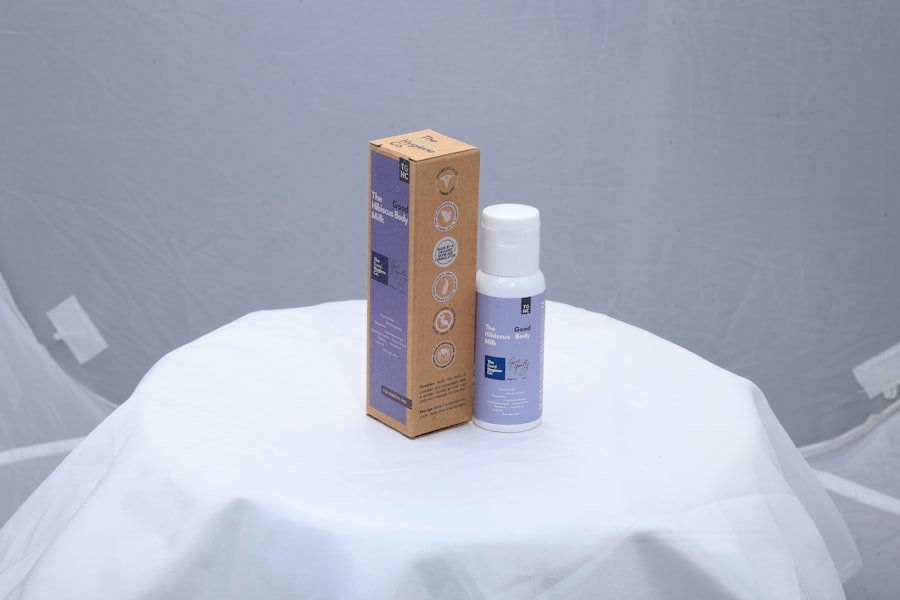
This is where many people with acne make a crucial mistake. They fear that moisturizer will clog their pores and make their acne worse. This couldn’t be further from the truth! Skipping moisturizer can actually worsen your acne because it forces your skin to overcompensate by producing even more oil to try and keep itself lubricated. Hydrated skin is healthy skin, and healthy skin is better equipped to fight off acne.
3.1. Lightweight, Oil-Free Formulas: Your Go-To
For acne-prone skin, the key is to choose a moisturizer that is specifically formulated to be lightweight and oil-free. Look for products labeled “non-comedogenic,” as this indicates they are formulated so as not to clog your pores. Gel-based or lotion formulations are often ideal.
3.1.1. Humectants: Attracting Moisture
Look for ingredients like hyaluronic acid, glycerin, and panthenol (Vitamin B5). These are humectants that attract water from the atmosphere into your skin, providing essential hydration without adding excess oil.
3.1.2. Barrier Support: Ceramides and Fatty Acids
Ceramides and fatty acids are crucial for maintaining a healthy skin barrier. A compromised skin barrier can lead to increased sensitivity, inflammation, and acne. Moisturizers containing these ingredients can help to strengthen and repair your skin barrier, making it more resilient.
3.2. When to Moisturize: After Treatments, Before Sunscreen
You should always moisturize after applying your active treatments (serums, exfoliants, etc.) but before applying sunscreen in the morning. This seals in the benefits of your treatments and provides a protective layer. In the evening, it’s the final step after all your treatments.
3.2.1. The “Buffering” Effect: Protecting Against Irritation
Sometimes, using multiple potent acne treatments can lead to dryness and irritation. Applying a moisturizer before your most potent actives can act as a buffer, helping to reduce potential irritation without compromising the effectiveness of the treatment. You can then apply a thinner layer of moisturizer over the other treatments.
3.3. Don’t Forget Your Neck and Chest: They Get Acne Too!
It’s easy to focus solely on your face, but your jawline, neck, and chest can also be prone to breakouts. Extend your cleansing, treatment, and moisturizing routine to these areas for comprehensive acne management.
4. Sun Protection: The Non-Negotiable Defense Against Damage and Discoloration
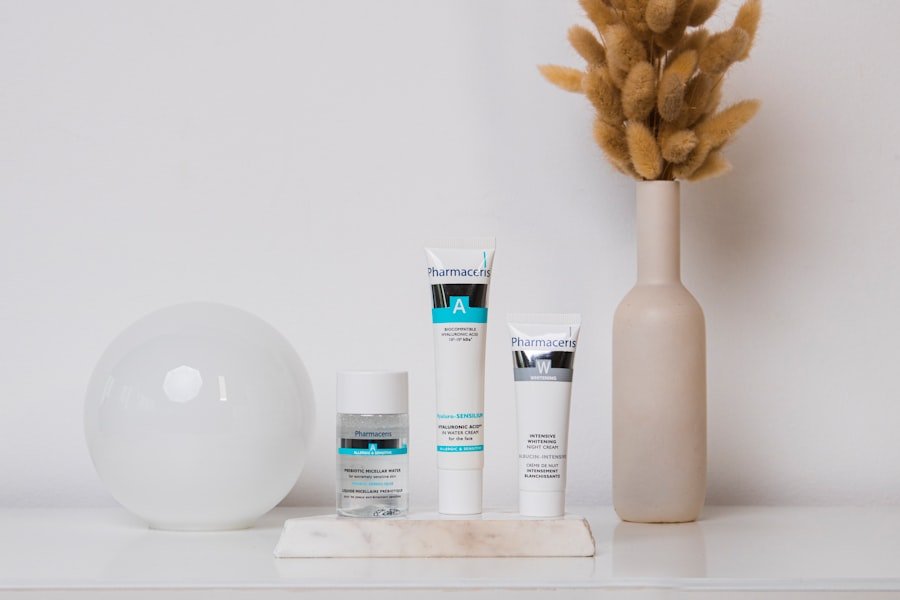
This is perhaps the most overlooked yet critical step in an acne skincare routine. You might be battling active breakouts, but sun exposure can wreak havoc on your skin, exacerbating inflammation, worsening hyperpigmentation (those dark spots left behind after pimples), and even contributing to premature aging.
4.1. Why Sunscreen is Crucial for Acne-Prone Skin: More Than Just Sunburn Prevention
Sunscreen is not just about preventing sunburn; it plays a pivotal role in managing acne and its aftermath.
4.1.1. Preventing Post-Inflammatory Hyperpigmentation (PIH): Fading Those Marks
Acne lesions, especially when inflamed, can leave behind dark spots called post-inflammatory hyperpigmentation (PIH). UV radiation from the sun significantly darkens these marks, making them much harder to fade. Consistent sunscreen use is your best defense against worsening PIH.
4.1.2. Reducing Inflammation: Soothing Your Skin
UV radiation can increase inflammation in the skin. For already inflamed acne, this can make breakouts worse and prolong healing time. Sunscreen helps to protect your skin from this additional inflammatory trigger.
4.1.3. Preventing Further Breakouts: The Sun’s Role in Oil Production
While it might seem counterintuitive, sun exposure can actually trigger increased oil production in some individuals in the long run, potentially leading to more breakouts.
4.2. Choosing the Right Sunscreen: Your Daily Shield
Not all sunscreens are created equal, especially when you have acne-prone skin. You need a formula that protects effectively without causing clogged pores or irritation.
4.2.1. “Non-Comedogenic” and “Oil-Free”: Your Must-Haves
Always look for sunscreens that are explicitly labeled as “non-comedogenic” and “oil-free.” These formulations are designed to be less likely to clog your pores.
4.2.2. Broad-Spectrum Protection: SPF 30 or Higher
Ensure your sunscreen offers broad-spectrum protection, meaning it guards against both UVA and UVB rays. Aim for an SPF (Sun Protection Factor) of 30 or higher for adequate protection.
4.2.3. Mineral vs. Chemical Sunscreens: What’s Best for You?
- Mineral Sunscreens: These contain physical blockers like zinc oxide and titanium dioxide. They sit on top of the skin to physically block UV rays. They are generally less likely to cause irritation and are a good option for sensitive acne-prone skin.
- Chemical Sunscreens: These absorb UV rays and convert them into heat. They can be lighter in texture but may cause irritation or allergic reactions in some individuals. If you have sensitive skin, opt for mineral formulations.
4.3. Application is Key: Don’t Skimp!
The best sunscreen is the one you’ll actually use. Make it a non-negotiable part of your morning routine.
4.3.1. Generous Application: Enough is Enough
Apply a generous amount to all exposed areas of your skin at least 15 minutes before sun exposure. Don’t forget your ears, neck, and the back of your hands.
4.3.2. Reapplication Matters: Especially During the Day
Reapply sunscreen every two hours when outdoors, and more often if you’re sweating or swimming. Even on cloudy days, UV rays can penetrate the clouds, so daily application is crucial. Consider carrying a sunscreen stick or spray for easy reapplication on the go.
5. Lifestyle Factors: Supporting Your Skin from Within and Without
| Step | Description |
|---|---|
| Cleansing | Use a gentle cleanser to remove dirt and oil from the skin. |
| Exfoliating | Use a mild exfoliant to remove dead skin cells and unclog pores. |
| Toning | Apply a toner to balance the skin’s pH levels and remove any remaining impurities. |
| Treatment | Apply acne treatment products, such as benzoyl peroxide or salicylic acid, to target acne. |
| Moisturizing | Use a non-comedogenic moisturizer to keep the skin hydrated without clogging pores. |
| Sun Protection | Apply a broad-spectrum sunscreen to protect the skin from UV damage. |
Your skincare routine is undoubtedly important, but what you do outside of your bathroom can significantly impact your complexion. Think of these as the supporting pillars that enhance the effectiveness of your topical treatments.
5.1. Hydration from Within: The Power of Water
You’ve heard it a million times, but it bears repeating: drinking enough water is fundamental for healthy skin.
5.1.1. Flushing Out Toxins: A Natural Detox
Water helps your body flush out toxins, which can contribute to inflammation and breakouts. When your body is properly hydrated, your skin functions optimally, aiding in repair and regeneration.
5.1.2. Maintaining Skin Elasticity: Plumper, Healthier Skin
Dehydrated skin can appear dull and less supple. Adequate hydration helps maintain your skin’s elasticity and can contribute to a smoother, more radiant complexion. Aim for at least eight glasses of water per day, or more if you’re active or in a hot climate.
5.2. Diet and Nutrition: Feeding Your Skin
What you eat directly impacts your skin’s health and its ability to combat acne.
5.2.1. The Glycemic Index: Sugar’s Connection to Breakouts
High-glycemic foods (like refined sugars, white bread, and processed snacks) can cause a rapid spike in blood sugar, leading to increased inflammation and sebum production. Consider reducing your intake of these foods and opting for whole grains, fruits, and vegetables.
5.2.2. Dairy’s Role: A Potential Trigger for Some
While not everyone experiences acne flare-ups from dairy, some studies suggest a correlation between dairy consumption and acne for certain individuals. If you suspect dairy is contributing to your breakouts, consider temporarily eliminating it to see if your skin improves.
5.2.3. Nutrient-Rich Foods: Fueling Your Skin’s Defense
Focus on incorporating skin-friendly nutrients into your diet. Foods rich in omega-3 fatty acids (like fatty fish, flaxseeds, and walnuts) can help reduce inflammation. Antioxidant-rich foods (like berries, leafy greens, and nuts) protect your skin from damage. Zinc, found in foods like pumpkin seeds and lentils, is also beneficial for acne management.
5.3. Stress Management: The Mind-Skin Connection
Your mental and emotional state can have a profound impact on your skin. Chronic stress can trigger hormonal imbalances that lead to increased sebum production and inflammation.
5.3.1. The Cortisol Connection: Stress Hormones and Acne
When you’re stressed, your body releases cortisol, a hormone that can trigger your sebaceous glands to produce more oil. This excess oil can then clog pores and lead to breakouts.
5.3.2. Mindful Practices: Finding Your Calm
Incorporate stress-reducing activities into your daily life. This could include meditation, yoga, deep breathing exercises, spending time in nature, or engaging in hobbies you enjoy. Even a few minutes of mindfulness each day can make a difference. Prioritize sleep; it’s when your body, including your skin, repairs itself.
5.4. Pillowcase Hygiene: A Breeding Ground for Bacteria
Your pillowcase comes into direct contact with your skin all night long. If it’s not clean, it can harbor bacteria, oil, and dead skin cells, all of which can contribute to clogged pores and breakouts.
5.4.1. Regular Washing: A Simple Yet Effective Step
Aim to change your pillowcase at least once or twice a week. If you have particularly oily or acne-prone skin, consider changing it every other night. Wash your pillowcases in hot water with a gentle, fragrance-free detergent.
5.4.2. Consider Silk or Satin: Smoother Surfaces
Some people find that silk or satin pillowcases are less likely to absorb facial oils and cause friction, which can irritate acne. While not a cure-all, it’s a small change that some find beneficial.
You’ve now got the blueprint for a daily acne skincare routine that is comprehensive, targeted, and sustainable. Remember, consistency is key. It takes time for your skin to respond, so be patient and celebrate the small victories. You’re on your way to clearer, healthier skin!
FAQs
What are the daily acne skin care steps?
The daily acne skin care steps typically include cleansing, exfoliating, applying acne treatment products, moisturizing, and using sunscreen.
Why is cleansing important for acne-prone skin?
Cleansing is important for acne-prone skin because it helps to remove excess oil, dirt, and impurities that can clog pores and contribute to acne breakouts.
How does exfoliating help with acne?
Exfoliating helps with acne by removing dead skin cells that can clog pores and contribute to acne breakouts. It also helps to improve the overall texture and appearance of the skin.
What acne treatment products should be used in a daily skin care routine?
Acne treatment products that contain ingredients like salicylic acid, benzoyl peroxide, or retinoids are commonly used in a daily skin care routine for acne-prone skin.
Why is sunscreen important for acne-prone skin?
Sunscreen is important for acne-prone skin because some acne treatments can make the skin more sensitive to the sun. Additionally, protecting the skin from UV rays can help prevent post-inflammatory hyperpigmentation, which can occur after acne breakouts.