
In this article, you will discover simple and effective ways to lower your blood glucose levels after eating. Maintaining healthy blood sugar levels is essential for overall well-being and can help prevent various health complications. Whether you are managing diabetes or simply looking to improve your overall health, understanding how to regulate your blood glucose levels after meals is crucial. By incorporating small lifestyle changes and making mindful food choices, you can successfully control your blood sugar levels and promote better overall health.
The Importance of Lowering Blood Glucose
Understanding the Role of Blood Glucose Levels
Blood glucose, also known as blood sugar, plays a crucial role in our overall health. It is the main source of energy for our body’s cells and is primarily derived from the carbohydrates we consume. Maintaining optimal blood glucose levels is essential for proper functioning of the body’s organs and systems.
Risks Associated with High Blood Glucose
When blood glucose levels soar too high, it can have detrimental effects on our health. Chronic high blood glucose, often seen in conditions like diabetes, can lead to a variety of complications. These may include cardiovascular problems, nerve damage, kidney disease, and an increased risk of infections. Lowering blood glucose levels is therefore important in order to mitigate these risks.
Benefits of Lowering Blood Glucose
Lowering blood glucose levels offers a range of benefits, not only for individuals with diabetes but for everyone. By keeping blood glucose within a healthy range, you can improve energy levels, enhance mental clarity, and support overall well-being. It can also help prevent the development of chronic conditions such as diabetes or reduce the severity of symptoms in individuals already diagnosed with the disease.
Factors Affecting Blood Glucose After Eating
Carbohydrates and Blood Glucose
Carbohydrates have the most significant impact on blood glucose levels after eating. They are broken down into glucose during digestion and rapidly absorbed into the bloodstream. This causes a spike in blood glucose levels which needs to be managed appropriately. Choosing the right types of carbohydrates and controlling portion sizes can help maintain stable blood glucose levels.
Effect of Protein on Blood Glucose
Protein also affects blood glucose levels, although to a lesser extent compared to carbohydrates. When consumed in moderate amounts, protein has a minimal impact on blood glucose levels. However, in larger quantities, it can increase blood glucose levels. Combining protein with carbohydrates can help slow down the absorption of glucose and prevent sharp spikes in blood sugar levels.
Role of Dietary Fat in Blood Glucose Levels
Unlike carbohydrates and protein, dietary fat has little immediate impact on blood glucose levels. However, high-fat meals can delay the emptying of the stomach, which may, in turn, affect the absorption of carbohydrates. It is essential to opt for healthy fats, such as those found in avocados, nuts, and olive oil, as part of a well-balanced diet for better blood glucose control.
Foods That Lower Blood Glucose After Eating
Fiber-Rich Foods
Consuming fiber-rich foods is an effective way to lower blood glucose levels after eating. Soluble fiber forms a gel-like substance that slows down digestion and the absorption of glucose. This helps prevent quick spikes in blood sugar levels. Examples of fiber-rich foods include fruits, vegetables, whole grains, legumes, and nuts. Aim for a variety of these foods in your daily diet.
Lean Protein Sources
Incorporating lean protein sources into your meals can also help lower blood glucose levels. Proteins take longer to digest compared to carbohydrates, meaning they provide a more sustained release of glucose into the bloodstream. Opt for sources like fish, skinless poultry, tofu, and legumes to keep your blood glucose levels stable after eating.
Healthy Fats and Blood Glucose
While fats do not have a direct impact on blood glucose levels, including healthy fats in your meals can help slow down digestion and support better blood glucose control. Avocados, nuts, seeds, and olive oil are excellent sources of healthy fats that can be incorporated into your diet to promote stable blood glucose levels.
Meal Preparation and Portion Control
Balancing Macronutrients in Meals
An effective way to lower blood glucose after eating is to create well-balanced meals that include all three macronutrients: carbohydrates, protein, and fat. Balancing these macronutrients helps slow down digestion, prevents sharp increases in blood glucose levels, and provides a sustained release of energy. Aim for a combination of these nutrients in each of your meals.
Choosing the Right Portion Size
Portion control is crucial for maintaining stable blood glucose levels. Overeating can lead to spikes in blood sugar levels and subsequent crashes. It is important to understand proper portion sizes and practice mindful eating. Measuring your food, using smaller plates, and paying attention to hunger and fullness cues can help you control your blood glucose levels more effectively.
Avoiding Sugary and Processed Foods
To lower blood glucose after eating, it is essential to avoid or limit the consumption of sugary and processed foods. These foods are typically high in added sugars, unhealthy fats, and refined carbohydrates, all of which can cause rapid spikes in blood glucose levels. Opt for whole, unprocessed foods instead, such as fresh fruits and vegetables, whole grains, and lean proteins.
Exercise and Physical Activity
Effect of Exercise on Blood Glucose
Engaging in regular exercise is vital for lowering blood glucose levels. Physical activity increases insulin sensitivity, allowing your body to absorb glucose more efficiently and regulate blood sugar levels. Exercise also helps your muscles utilize glucose for energy, reducing its concentration in the bloodstream.
Choosing the Right Type of Exercise
Both aerobic exercise, such as brisk walking or cycling, and resistance training, like weightlifting or bodyweight exercises, can have a positive impact on blood glucose control. Aim for a combination of these exercises to reap the maximum benefits. Consult with a healthcare professional to determine the best exercise routine for your needs.
Timing Exercise for Optimal Blood Glucose Control
Timing your exercise session strategically can help optimize blood glucose control. Moderate-intensity exercise performed shortly after a meal can enhance glucose uptake by the muscles and lower post-meal blood glucose levels. However, it is important to monitor your blood glucose levels before, during, and after exercise, especially if you are using medications to manage your blood sugar levels.
Medications and Supplements
Prescription Medications for Blood Glucose Control
When lifestyle modifications alone are insufficient in managing blood glucose levels, prescription medications may be necessary. These medications work by increasing insulin production, improving insulin sensitivity, or reducing glucose production in the liver. It is crucial to consult with a healthcare professional before starting any medication to ensure proper guidance and monitoring.
Supplements for Lowering Blood Glucose
Some natural supplements have shown potential in helping lower blood glucose levels. These may include cinnamon, chromium, alpha-lipoic acid, and berberine, among others. However, it is important to note that supplements should not replace prescribed medications or lifestyle modifications. Consult with a healthcare professional before incorporating any supplements into your routine.
Consulting with a Healthcare Professional
It is always recommended to consult with a healthcare professional, such as a doctor or registered dietitian, when managing blood glucose levels. They can provide personalized guidance, monitor your progress, and make necessary adjustments to your treatment plan. Regular check-ups and open communication with your healthcare team are vital for optimal blood glucose control.
Managing Stress Levels
Impact of Stress on Blood Glucose
Stress can have a significant impact on blood glucose levels. During periods of stress, the body releases hormones that can cause blood sugar to rise. Chronic stress can disrupt insulin production and promote unhealthy eating habits, leading to elevated blood glucose levels. Managing stress is crucial for maintaining stable blood sugar levels.
Stress Reduction Techniques
Incorporating stress reduction techniques into your daily routine can help lower blood glucose levels. Deep breathing exercises, meditation, yoga, and mindfulness practices are effective ways to reduce stress. Regular exercise, engaging in hobbies, and fostering a strong support system are also beneficial for managing stress levels.
Incorporating Relaxation and Mindfulness
Taking time to relax and practice mindfulness can have a positive impact on blood glucose control. Engage in activities that promote relaxation, such as reading, listening to music, or taking a warm bath. Practice mindfulness by focusing on the present moment and being aware of your thoughts, feelings, and sensations. These practices can help reduce stress and promote stable blood glucose levels.
Importance of Regular Monitoring
Blood Glucose Testing and Targets
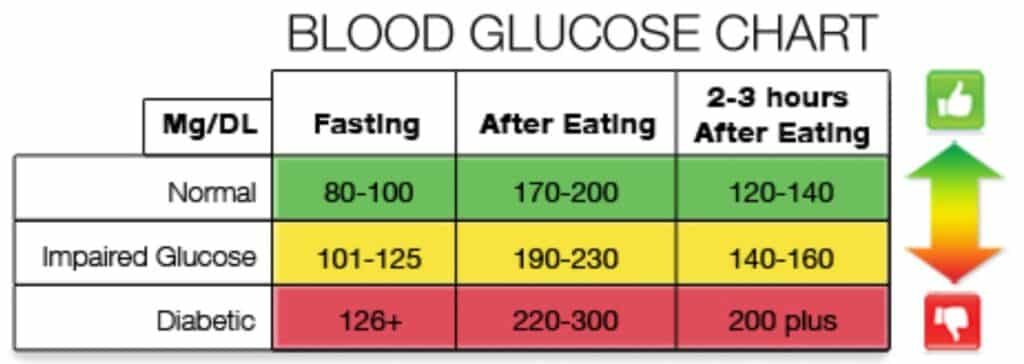
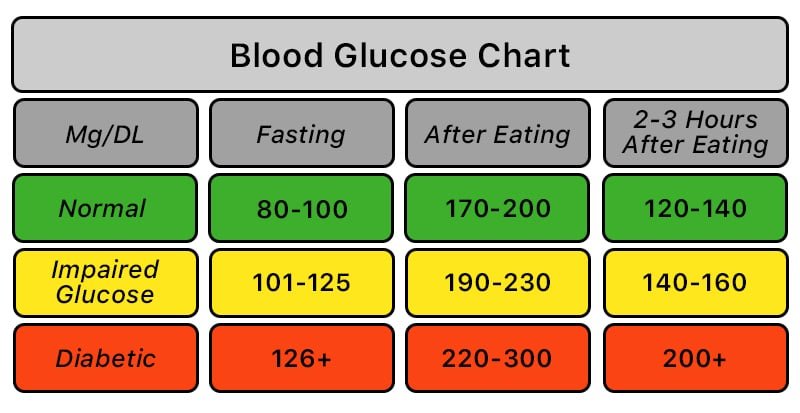
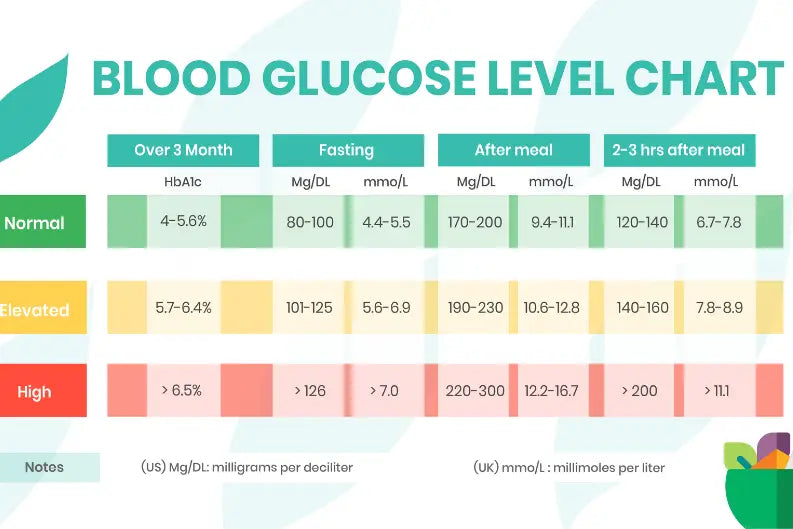
Regular monitoring of blood glucose levels is essential for effective blood glucose control. Self-monitoring using a blood glucose meter allows you to understand how different foods and activities affect your blood sugar levels. Setting target ranges with the guidance of a healthcare professional can help you identify patterns, make informed decisions, and adjust your lifestyle as needed.
Tracking Food Intake and Exercise
Keeping a record of your food intake and exercise can provide valuable insights into your blood glucose control. By tracking what you eat and how it impacts your blood glucose levels, you can identify problem areas and make necessary adjustments to your diet. Similarly, monitoring exercise can help you gauge its impact on blood glucose levels and modify your routine accordingly.
Consulting with a Registered Dietitian
A registered dietitian is an invaluable resource for managing blood glucose levels. They can help you design an individualized meal plan, educate you about carbohydrates, guide you in portion control, and offer ongoing support and guidance. Collaborating with a registered dietitian can greatly enhance your ability to lower blood glucose levels and maintain overall health.

Effect of Sleep and Rest
Role of Quality Sleep on Blood Glucose
Quality sleep is crucial for optimal blood glucose control. Lack of sleep or poor sleep quality can disrupt the body’s hormonal balance, increasing the risk of insulin resistance and elevated blood glucose levels. Conversely, getting enough restful sleep supports healthy metabolism and improved blood sugar regulation.
Establishing a Healthy Sleep Routine
Creating a healthy sleep routine can help regulate blood glucose levels. Aim for 7-9 hours of uninterrupted sleep each night. Establish a consistent bedtime and wake-up time, even on weekends. Create a calm and comfortable sleep environment, avoid stimulating activities close to bedtime, and limit exposure to electronic devices that emit blue light, as they can interfere with sleep.
Optimizing Rest for Blood Glucose Control
In addition to quality sleep, incorporating restful periods throughout the day can contribute to better blood glucose control. Taking short breaks to relax, practicing deep breathing exercises, or engaging in mindfulness activities can help reduce stress levels and support stable blood sugar levels. Listen to your body’s needs and prioritize rest when necessary.
Long-Term Strategies for Blood Glucose Control
Creating Sustainable Dietary Habits
For long-term blood glucose control, it is essential to create sustainable dietary habits. Rather than relying on restrictive diets or quick-fix solutions, focus on adopting a balanced and varied eating plan that you can maintain in the long run. Gradually introduce healthier food choices, such as whole grains, lean proteins, and colorful fruits and vegetables, and find enjoyment in preparing nutritious meals.
Maintaining an Active Lifestyle
Regular physical activity is a cornerstone of long-term blood glucose control. Make exercise a part of your daily routine and find activities that you enjoy. Incorporate both aerobic exercises and strength training to promote optimal blood sugar regulation. Stay consistent with your exercise routine and adjust it as needed based on your individual needs and preferences.
Seeking Ongoing Support and Education
Managing blood glucose levels is a lifelong journey. Seek ongoing support and education to stay informed and motivated. Attend educational programs, join support groups, or find online resources that cater to your specific needs. Engaging with professionals and fellow individuals navigating similar challenges can provide encouragement, valuable insights, and a sense of community.
In conclusion, lowering blood glucose after eating is of utmost importance for our overall health and well-being. By understanding the role of blood glucose levels, managing factors that affect blood glucose, making wise food choices, engaging in physical activity, and seeking appropriate guidance and support, we can achieve optimal blood glucose control and enjoy a healthier and more fulfilling life. Remember, taking small steps towards healthier habits and consistently incorporating them into your daily routine can yield significant long-term benefits.
