
Are you looking for effective ways to lower your blood glucose level? This article provides a concise guide on how to maintain healthy blood sugar levels. Discover simple lifestyle changes, such as regular exercise and a balanced diet, that can have a significant impact on reducing your blood glucose levels. Find out how to make smarter food choices and incorporate physical activity into your daily routine to promote a healthier lifestyle.
Lower Blood Glucose Level
Understanding Blood Glucose
To lower blood glucose levels, it is crucial to have a clear understanding of what blood glucose is and how it affects our health. Blood glucose refers to the amount of sugar or glucose present in our blood. It is our body’s primary source of energy, and it comes from the food we consume, especially carbohydrates. However, maintaining a balanced blood glucose level is essential for optimal health.
Potential Health Risks of High Blood Glucose
Having chronically high blood glucose levels can lead to numerous health risks and complications, especially for individuals with diabetes. These risks include an increased likelihood of heart disease, stroke, nerve damage, kidney problems, and eye conditions. Additionally, high blood glucose levels can cause symptoms such as increased thirst, frequent urination, fatigue, and difficulty healing wounds. Lowering blood glucose levels is crucial for reducing the risk of these health complications.
Benefits of Lowering Blood Glucose Level
Lowering blood glucose levels offers several significant health benefits. It can help prevent and manage diabetes, improve insulin sensitivity, and reduce the risk of developing diabetic complications. Lower blood glucose levels also promote weight management, cardiovascular health, and overall well-being. By taking steps to lower blood glucose levels, you can enhance your quality of life and maintain optimal health.
Dietary Approaches
Choosing the Right Carbohydrates
One of the essential dietary approaches to lower blood glucose levels is choosing the right carbohydrates. Opt for complex carbohydrates such as whole grains, fruits, vegetables, and legumes, as they are rich in fiber and have a lower impact on blood sugar compared to refined carbohydrates. These complex carbohydrates provide sustained energy, promote satiety, and help regulate blood glucose levels more effectively.
Focusing on Whole Foods
Another dietary tactic to lower blood glucose levels is focusing on whole foods. Include a variety of nutrient-dense whole foods in your diet, such as lean proteins, healthy fats, and plenty of fruits and vegetables. These foods not only help control blood sugar levels but also provide essential vitamins, minerals, and antioxidants necessary for overall health and well-being.
Importance of Fiber
Fiber plays a crucial role in managing blood glucose levels. It slows down the absorption of sugar in the bloodstream, promotes satiety, and helps regulate bowel movements. Opt for fiber-rich foods like whole grains, fruits, vegetables, legumes, and nuts to lower blood glucose levels. Aim for a daily intake of at least 25-30 grams of fiber for optimal blood sugar control.
Portion Control
Maintaining portion control is key to managing blood glucose levels. Overeating can cause blood sugar spikes, while consistently consuming large portions can lead to weight gain and increased insulin resistance. Consider using smaller plates, measuring serving sizes, and practicing mindful eating to maintain appropriate portion sizes and regulate blood sugar effectively.
Limiting Added Sugars
To lower blood glucose levels, it is crucial to limit the consumption of added sugars in your diet. Added sugars can cause blood sugar levels to soar and contribute to weight gain. Be mindful of foods and beverages that are high in added sugars, such as sugary drinks, candies, desserts, and processed snacks. Instead, opt for natural sweeteners like stevia or enjoy the natural sweetness of fruits.
Including Lean Proteins
Including lean proteins in your meals can help stabilize blood glucose levels. Proteins have a minimal impact on blood sugar compared to carbohydrates and can promote feelings of fullness. Opt for lean sources of protein such as skinless poultry, fish, eggs, tofu, and legumes. Incorporating protein into each meal can help regulate blood glucose levels and promote a balanced diet.
Monitoring Glycemic Index
The glycemic index (GI) is a tool that measures how quickly a food raises blood sugar levels. Monitoring the GI of foods can help control blood glucose levels effectively. Choose foods with a low GI, as they have a slower rate of sugar absorption and are less likely to cause blood sugar spikes. Foods with a low GI include whole grains, most fruits and vegetables, and legumes.

Physical Activity
Benefits of Exercise for Blood Glucose Control
Engaging in regular physical activity offers numerous benefits for blood glucose control. Exercise helps the body use insulin more efficiently, thereby lowering blood glucose levels. It also improves insulin sensitivity, increases muscle strength, and promotes weight loss. Aim for at least 150 minutes of moderate-intensity aerobic exercise or 75 minutes of vigorous-intensity exercise per week to optimize blood glucose control.
Aerobic Exercise
Aerobic exercise, such as walking, jogging, cycling, or swimming, can have a significant impact on blood glucose levels. These activities increase heart rate, improve cardiovascular health, and enhance overall blood sugar management. Try to incorporate at least 30 minutes of aerobic exercise most days of the week.
Resistance Training
Resistance training, also known as strength training or weightlifting, can be beneficial for lowering blood glucose levels. It helps build muscle mass, improves insulin sensitivity, and promotes glycemic control. Include resistance training exercises two to three times a week, targeting major muscle groups for optimal benefits.
Incorporating HIIT
High-Intensity Interval Training (HIIT) is a form of exercise that involves short bursts of intense activity followed by periods of rest. Incorporating HIIT into your workout routine can be highly effective for blood glucose control. HIIT workouts can be as short as 15-20 minutes and provide significant benefits for managing blood glucose levels.
Post-Exercise Glucose Management
Managing blood glucose levels after exercise is equally important. Physical activity can sometimes cause blood sugar levels to drop too low, especially if you take insulin or certain diabetes medications. Regularly monitor your blood glucose levels after exercise to ensure they are within a safe range. It may be necessary to adjust your carbohydrate intake or medication dosage accordingly.
Weight Management
Impact of Weight on Blood Glucose Levels
Maintaining a healthy weight is crucial for managing blood glucose levels effectively. Excess weight, especially abdominal fat, can contribute to insulin resistance and difficulties in blood sugar control. Losing weight and maintaining a healthy BMI can significantly improve blood glucose management and reduce the risk of developing diabetes-related complications.
Healthy Weight Loss Strategies
When aiming for weight loss to lower blood glucose levels, it is essential to adopt healthy and sustainable strategies. Focus on creating a calorie deficit by consuming nutrient-dense foods in appropriate portions and engaging in regular physical activity. Avoid crash diets or extreme calorie restrictions, as they can negatively impact blood glucose levels and overall health.
Caloric Intake and Energy Balance
To achieve and maintain a healthy weight, it is necessary to maintain a balance between calorie intake and energy expenditure. Consuming more calories than your body needs can lead to weight gain and blood sugar imbalances. On the other hand, consuming too few calories can slow down your metabolism and hinder weight loss progress. Consult a healthcare professional or registered dietitian to determine your recommended calorie intake.
Importance of Regular Monitoring
Monitoring your weight regularly is essential for successful weight management. Weighing yourself consistently and tracking changes over time can provide valuable insights into your progress and guide adjustments to your diet and exercise routine. However, remember that weight is just one aspect of overall health, and other factors, such as body composition and blood glucose levels, should also be considered.
Seeking Professional Guidance
If you are unsure about how to effectively manage your weight and lower blood glucose levels, it is highly recommended to seek professional guidance. A registered dietitian or healthcare provider experienced in diabetes management can provide personalized recommendations and develop a comprehensive plan tailored to your specific needs and goals.

Stress Management
Stress and Blood Glucose
Stress can have a significant impact on blood glucose levels. During stressful situations, the body releases stress hormones like cortisol, which can increase blood sugar levels. Stress can also disrupt regular eating patterns, promote unhealthy coping mechanisms such as emotional eating, and hinder blood glucose control. Managing stress effectively is crucial for maintaining optimal blood glucose levels.
Relaxation Techniques
Incorporating relaxation techniques into your daily routine can help reduce stress and support blood glucose control. Techniques such as deep breathing exercises, progressive muscle relaxation, and guided imagery can promote a state of relaxation and help manage stress levels effectively. Practicing these techniques regularly can lead to improved blood glucose levels and overall well-being.
Meditation and Mindfulness
Meditation and mindfulness practices can have a positive impact on blood glucose control. By focusing on the present moment and cultivating a non-judgmental awareness, mindfulness can help reduce stress levels, improve emotional well-being, and support healthy blood sugar management. Consider incorporating meditation or mindfulness exercises into your daily routine.
Physical Activity as a Stress Reliever
Regular physical activity is not only beneficial for blood glucose control but also acts as a powerful stress reliever. Engaging in exercise releases endorphins, which are natural mood boosters and stress fighters. Find physical activities that you enjoy, such as walking, dancing, or practicing yoga, and make them a part of your stress management routine.
Social Support and Emotional Well-being
Building a strong support system and fostering emotional well-being are integral to managing stress, promoting blood glucose control, and overall health. Sharing concerns with trusted friends or family members, joining support groups, or seeking professional counseling can provide valuable support and strategies for effectively managing stress and blood sugar levels.
Medication and Insulin
Understanding Oral Medications
Oral medications are common treatments for managing blood glucose levels in individuals with diabetes. These medications work in various ways to help control blood sugar, such as stimulating insulin production, reducing glucose production in the liver, or improving insulin sensitivity. It is important to understand the specific mechanisms and potential side effects of your prescribed oral medications.
Insulin Therapy
Insulin therapy is necessary for individuals with type 1 diabetes and sometimes prescribed for individuals with type 2 diabetes when other treatments are insufficient. Insulin helps regulate blood glucose levels by facilitating the absorption of glucose into cells for energy. Understanding how to administer insulin, monitor blood glucose levels, and manage potential side effects is crucial for its safe and effective use.
Managing Medication Timing
Proper medication timing is crucial to maintain stable blood glucose levels. It is essential to follow your healthcare provider’s instructions regarding when and how to take your prescribed medications. Some medications need to be taken with meals, while others may require specific timing in relation to meals. Consistency in medication timing is key to promoting blood glucose control.
Consulting Healthcare Providers
When it comes to managing medications and insulin, it is essential to maintain open communication with your healthcare providers. Regularly schedule appointments, discuss any concerns or issues, and provide feedback regarding your medication’s effectiveness. Healthcare providers can assess your progress, make necessary adjustments, and provide guidance on optimizing blood glucose control.
Potential Side Effects and Risks
It is important to be aware of potential side effects and risks associated with medications and insulin therapy. Common side effects can include digestive issues, weight gain, hypoglycemia (low blood sugar), or allergic reactions. If you experience any concerning symptoms or side effects, consult your healthcare provider immediately for proper evaluation and guidance.
Monitoring Blood Glucose Levels
Regardless of medication or insulin therapy, regular monitoring of blood glucose levels is essential for efficient diabetes management. It allows you to assess your progress, understand how certain medications or lifestyle changes affect your blood sugar, and make necessary adjustments. Be diligent in monitoring blood glucose levels and follow your healthcare provider’s recommendations regarding frequency and target ranges.
Regular Blood Glucose Monitoring
Benefits of Frequent Testing
Frequent blood glucose testing offers numerous benefits for individuals managing their blood sugar levels. It provides real-time information about blood glucose levels, helps identify patterns, and assists in making informed decisions regarding diet, exercise, medication, and insulin adjustments. Frequent testing can also help prevent hypoglycemia and hyperglycemia and provide peace of mind.
Various Monitoring Methods
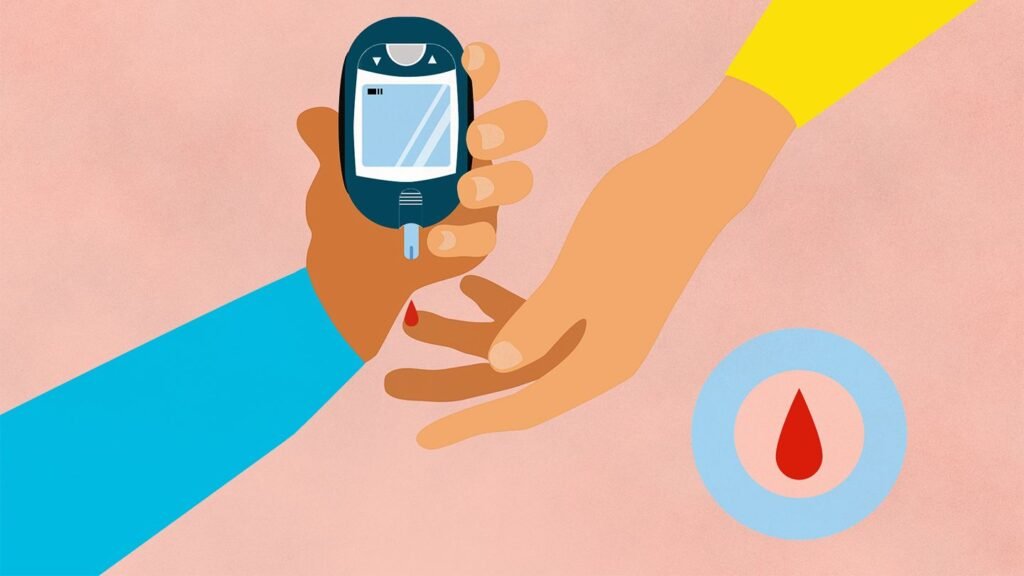
There are several methods available to monitor blood glucose levels. Traditional fingerstick testing using a blood glucose meter involves pricking your finger with a lancet and placing a drop of blood on a test strip. Continuous glucose monitoring (CGM) devices provide continuous, accurate glucose readings throughout the day and night. Speak with your healthcare provider to determine the most suitable monitoring method for you.
Continuous Glucose Monitoring
Continuous glucose monitoring (CGM) is an advanced method of monitoring blood glucose levels that offers real-time data. CGM systems use a small sensor inserted under the skin to measure glucose levels in the interstitial fluid. This data is then transmitted to a receiver or smartphone app, allowing users to monitor their blood sugar trends continuously. CGM systems provide valuable insights into blood glucose patterns and help optimize diabetes management.
Target Blood Glucose Ranges
Maintaining target blood glucose ranges is essential for optimal health and diabetes management. The target ranges may vary depending on individual factors, such as age, overall health, and diabetes type. Generally, target fasting blood glucose levels for individuals with diabetes range between 80-130 mg/dL (4.4-7.2 mmol/L), while post-meal readings should be below 180 mg/dL (10 mmol/L). Consult your healthcare provider to determine your specific target ranges.
Interpreting Test Results
Interpreting blood glucose test results involves understanding the numbers and patterns to make appropriate adjustments. Aim for consistent results within the target range, but be aware that occasional fluctuations may occur due to various factors like stress, illness, or medication adjustments. Record and share your test results with your healthcare provider to track progress and make necessary changes to your diabetes management plan.
Recognizing Patterns and Triggers
By monitoring blood glucose levels regularly, you can identify patterns and potential triggers that impact your blood sugar control. Recognizing patterns allows you to make informed modifications to your lifestyle, such as adjusting your diet, activity levels, or medication dosage. Look for trends in your blood sugar levels and discuss them with your healthcare provider for personalized recommendations.
Hydration and Sleep
Importance of Hydration for Blood Glucose Control
Staying properly hydrated is crucial for blood glucose control. Dehydration can lead to an imbalance in blood sugar levels, as the body compensates by producing more glucose. Additionally, dehydration can negatively impact overall health and well-being. Ensure you drink an adequate amount of water throughout the day to maintain optimal hydration and support blood glucose management.
Optimal Daily Water Intake
The optimal daily water intake varies depending on factors such as age, sex, activity level, and overall health. As a general guideline, aim to drink at least 8 cups (64 ounces) of water per day. However, individual needs may differ, so listen to your body’s thirst signals and adjust your water intake accordingly. Staying well-hydrated can contribute to better blood glucose control and overall health.
Effects of Dehydration on Glucose Levels
Dehydration can raise blood glucose levels and contribute to fluctuations in sugar control. When the body lacks sufficient water, the kidneys conserve water by producing less urine, leading to concentrated levels of glucose in the bloodstream. This can cause blood sugar readings to be higher than usual. By staying hydrated, you can maintain more stable blood glucose levels and support overall well-being.
Quality Sleep and Blood Glucose
Getting adequate, quality sleep is essential for blood glucose control. Lack of sleep can increase stress hormones, leading to insulin resistance and higher blood glucose levels. Aim for seven to eight hours of uninterrupted sleep each night to promote hormonal balance, enhance insulin sensitivity, and support optimal blood sugar management.
Developing Healthy Habits
Hydration and quality sleep are foundational components of developing healthy habits that promote blood glucose control. Ensure that drinking water and getting enough sleep become regular parts of your daily routine. Set reminders, establish a consistent sleep schedule, and prioritize self-care to develop these healthy habits.

The Role of Alcohol
Understanding Alcohol’s Effect on Blood Glucose
Alcohol can have an impact on blood glucose levels, so understanding its effects is important for individuals managing their blood sugar. Consumption of alcoholic beverages can initially cause blood glucose levels to drop due to the liver’s focus on metabolizing alcohol instead of releasing glucose. However, excessive or consistent alcohol consumption can lead to elevated blood glucose levels, as alcoholic drinks often contain added sugars or carbohydrates.
Moderation and Responsible Drinking
Moderation and responsible drinking are key when it comes to alcohol and blood glucose control. Limit the amount of alcohol you consume and be mindful of its impact on blood sugar levels. Men should generally consume no more than two alcoholic beverages per day, while women should stick to one. It is important to consult your healthcare provider, especially if you have underlying health conditions or take medications that may interact with alcohol.
Combining Alcohol with Food
Combining alcohol consumption with food can help minimize its impact on blood glucose levels. Consuming alcohol alongside a meal slows down its absorption and can prevent sudden spikes or drops in blood sugar. Additionally, make low-sugar and low-carbohydrate beverage choices, such as light beer, dry wines, or spirits mixed with sugar-free mixers, to further support blood glucose control.
Monitoring Blood Glucose
Monitoring blood glucose levels before, during, and after consuming alcohol is crucial for understanding its effect on your blood sugar. Test your blood sugar before consuming alcohol, throughout the drinking session, and afterward to observe any changes or trends. By monitoring your blood sugar closely, you can make informed decisions about alcohol consumption and better manage your blood glucose levels.
Managing Blood Glucose During Illness
Potential Impact of Illness on Glucose Levels
Managing blood glucose levels during illness can be challenging, as illness can significantly impact blood sugar control. Infection, fever, and certain medications can cause blood glucose levels to rise, while decreased appetite, vomiting, or diarrhea may lead to low blood sugar. Monitoring blood glucose frequently during illness is crucial for effective management and preventing serious complications.
Developing Sick Day Plan
Having a sick day plan is essential for individuals with diabetes to successfully manage blood glucose levels during illness. This plan should include guidelines for monitoring blood sugar levels, adjusting medication dosages if necessary, staying hydrated, and consuming appropriate foods to maintain stable blood sugar. Consult your healthcare provider to create a personalized sick day plan specific to your condition and needs.
Continuous Monitoring of Glucose Levels
When you are unwell, continuous monitoring of your blood glucose levels becomes even more critical. Frequent testing allows you to identify any fluctuations or trends in your blood sugar and take appropriate actions. In severe cases, continuous glucose monitoring (CGM) can offer valuable real-time data and alerts to ensure blood sugar levels remain within a safe range during illness.
Medication Adjustments
Certain medications, including illness-specific ones, may interact with diabetes medications or influence blood glucose levels directly. It is vital to consult with your healthcare provider when taking new medications or experiencing illness to determine if any adjustments to your diabetes medications are necessary. Adhering to prescribed medication adjustments ensures proper blood sugar control during illness and reduces the risk of complications.
Dealing with Nausea and Vomiting
Nausea and vomiting can make blood sugar control challenging during illness. If you are experiencing these symptoms, it is essential to stay hydrated by sipping on fluids and consuming small amounts of easily digestible carbohydrates, such as crackers or toast. If you are unable to keep food or fluids down, seek medical assistance promptly to prevent dehydration and severe fluctuations in blood glucose levels.
Seeking Medical Assistance
During severe illness or when blood glucose levels become difficult to manage, seeking medical assistance is crucial. If your blood sugar remains consistently high or low despite your best efforts, or if you experience severe symptoms such as excessive thirst, confusion, or difficulty breathing, it is essential to consult your healthcare provider or seek emergency medical attention promptly.
In conclusion, lowering blood glucose levels is essential for overall health and the management of diabetes. By adopting dietary approaches such as choosing the right carbohydrates, focusing on whole foods, and practicing portion control, you can effectively regulate blood glucose. Engaging in regular physical activity, maintaining a healthy weight, managing stress, monitoring blood glucose levels, optimizing hydration and sleep, being mindful of alcohol consumption, and effectively managing blood glucose during illness are all vital components of achieving and maintaining lower blood glucose levels. Remember to consult with your healthcare provider for personalized guidance and support throughout your journey towards optimal blood glucose control.
