
In this comprehensive guide, you will find everything you need to know about managing avascular necrosis. Avascular necrosis, also known as osteonecrosis, is a condition that occurs when bone tissue dies due to a lack of blood supply. It can affect various joints in the body, such as the hips, knees, shoulders, and ankles. This guide will provide you with valuable information on the causes, symptoms, diagnosis, and treatment options available for avascular necrosis. Whether you or a loved one is dealing with this condition, this guide will equip you with the knowledge and resources to effectively manage avascular necrosis and improve quality of life.
Understanding Avascular Necrosis
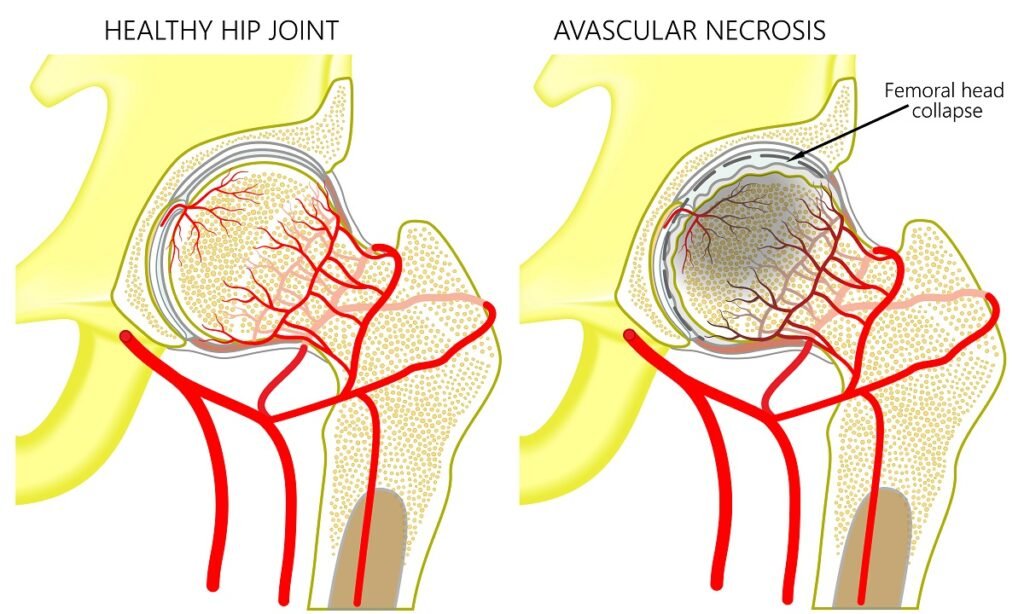
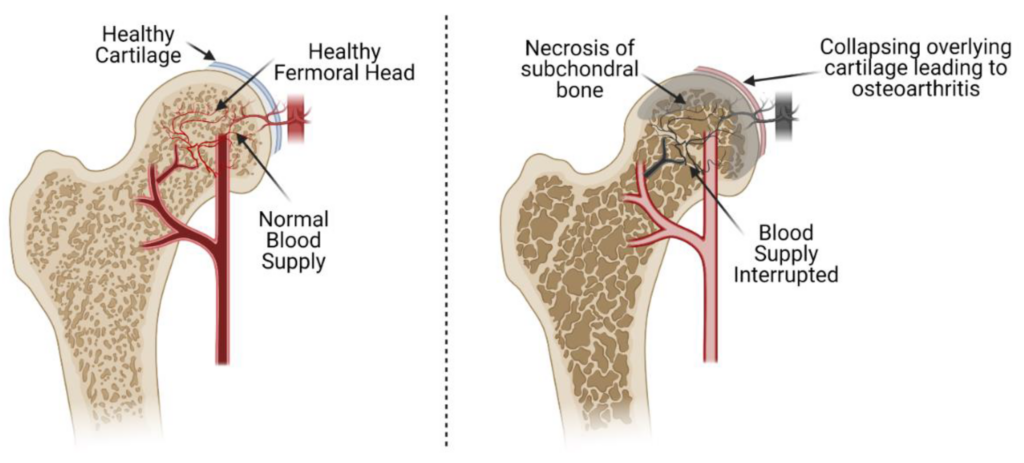
Avascular Necrosis, also known as osteonecrosis, is a condition that occurs when the blood supply to a bone is disrupted, leading to bone death. This can occur in any bone in the body, but it most commonly affects the hip, knee, shoulder, and ankle joints. The lack of blood flow deprives the bone tissue of oxygen and nutrients, causing the bone to deteriorate and eventually collapse.
Definition of Avascular Necrosis
Avascular Necrosis is the death of bone tissue due to a lack of blood supply. It is characterized by bone cell death and the loss of the structural integrity of the affected bone. The condition can progress over time, leading to severe pain, limited mobility, and potential disability if left untreated.
Causes of Avascular Necrosis
The underlying cause of Avascular Necrosis is often unclear, but several factors can contribute to its development. Trauma or injury to the bone, such as a fracture or dislocation, can disrupt the blood supply and trigger the condition. Additionally, the prolonged use of corticosteroid medications, such as prednisone, can increase the risk of developing Avascular Necrosis. Other causes include excessive alcohol consumption, certain medical conditions (such as sickle cell disease or lupus), and radiation therapy.
Risk Factors for Avascular Necrosis
While Avascular Necrosis can affect anyone, certain factors increase an individual’s risk of developing the condition. Heavy alcohol consumption, especially in combination with corticosteroid use, is a significant risk factor. Certain medical conditions, such as autoimmune disorders, clotting disorders, and joint diseases, also increase the risk. Additionally, individuals who have undergone radiation therapy, have a history of trauma or injury to the bone, or use excessive pressure on the joints due to certain occupations or activities may be at a higher risk.
Signs and Symptoms of Avascular Necrosis
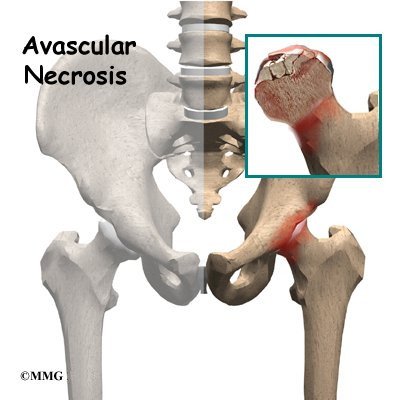
The signs and symptoms of Avascular Necrosis can vary depending on the stage and location of the affected bone. Initially, individuals may experience no symptoms or mild discomfort, which can progress to severe pain as the condition worsens. Pain may occur during weight-bearing activities or at rest. Other symptoms include limited range of motion, joint stiffness, and muscle atrophy. In more advanced stages, bone collapse and joint deformity can occur.
Diagnosing Avascular Necrosis
Prompt and accurate diagnosis of Avascular Necrosis is crucial for effective treatment. Healthcare professionals utilize various methods to diagnose the condition.
Physical Examination
During a physical examination, a healthcare professional will assess the affected joint for tenderness, swelling, and limited range of motion. They may also examine the opposite joint for comparison.
Imaging Techniques
Imaging techniques play a vital role in diagnosing Avascular Necrosis. X-rays can help identify changes in the affected bone, such as bone collapse or sclerosis. Magnetic Resonance Imaging (MRI) is particularly useful in early stages, as it can detect changes in bone density and assess the extent of bone damage.
Laboratory Tests
Although there are no specific laboratory tests to diagnose Avascular Necrosis, blood tests can be helpful in ruling out other potential causes of bone pain. These tests can include a complete blood count (CBC), erythrocyte sedimentation rate (ESR), C-reactive protein (CRP), and rheumatologic tests.
Staging and Classification of Avascular Necrosis
Staging and classifying Avascular Necrosis is essential in determining the appropriate treatment approach. The most commonly used classification system is the Ficat-Arlet system, which categorizes Avascular Necrosis into different stages based on the extent of bone damage seen on imaging tests.
Medical Treatments for Avascular Necrosis
Various medical treatments are available for managing Avascular Necrosis, depending on the stage and severity of the condition.
Non-surgical Approaches
Non-surgical approaches are often recommended for individuals in the early stages of Avascular Necrosis. These treatment options aim to relieve pain, slow down the progression of the disease, and preserve joint function. Non-surgical treatments may include limiting weight-bearing activities, using assistive devices like crutches or walkers, and physical therapy.
Medications for Pain Management
Medications can help alleviate the pain associated with Avascular Necrosis. Non-steroidal anti-inflammatory drugs (NSAIDs) may be recommended to reduce pain and inflammation. In more severe cases, stronger pain medications, such as opioids, may be prescribed.
Bisphosphonates
Bisphosphonates are a type of medication that helps slow down bone loss and promote bone healing. These drugs work by inhibiting the activity of cells that break down bone tissue. Bisphosphonates may be administered orally or through intravenous injection.
Surgical Interventions
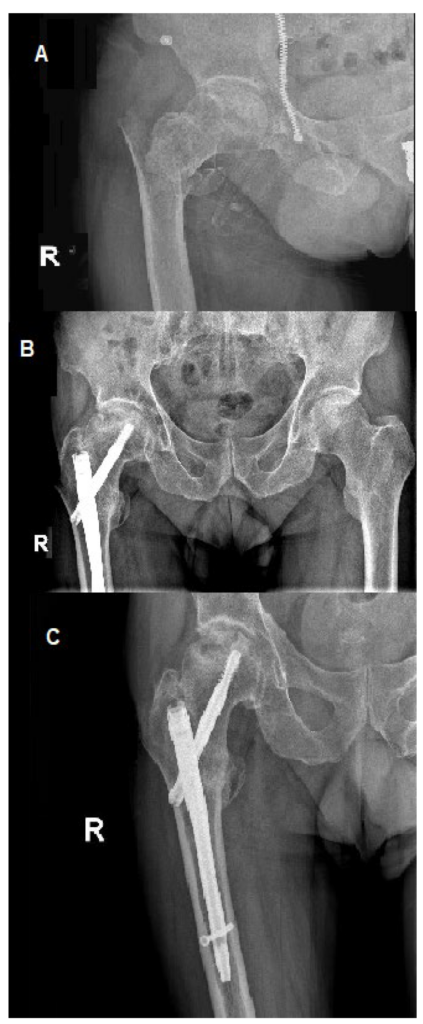
In advanced stages of Avascular Necrosis, surgical interventions may be necessary to restore joint function and relieve pain.
Core Decompression
Core decompression involves drilling a hole into the affected bone to relieve pressure and increase blood flow, stimulating new bone growth.
Bone Grafting
Bone grafting is a surgical procedure where healthy bone tissue is transplanted into the affected area to stimulate new bone growth and restore structural stability.
Total Joint Replacement
Total joint replacement, also known as arthroplasty, is performed in severe cases where the joint has collapsed or is severely damaged. During this procedure, the affected joint is replaced with an artificial joint made of metal or plastic.
Vascularized Bone Grafting
Vascularized bone grafting is a specialized surgical technique that involves transplanting bone tissue with its own blood vessels to promote faster healing and improved outcomes.
Osteotomy
Osteotomy entails cutting and realigning the affected bone to relieve stress on the damaged area and redistribute weight-bearing forces.
Resurfacing Procedures
Resurfacing procedures involve removing the damaged surface of a joint and replacing it with a metal prosthesis, preserving more of the individual’s natural bone.
Alternative and Regenerative Therapies
In addition to medical treatments, alternative and regenerative therapies may offer additional options for managing Avascular Necrosis.
Physical Therapy
Physical therapy plays a crucial role in the rehabilitation of individuals with Avascular Necrosis. A physical therapist can design a personalized exercise program to improve strength, flexibility, and joint function.
Exercise and Rehabilitation
Exercise and rehabilitation programs can help improve joint stability, mobility, and overall physical conditioning. Low-impact exercises, such as swimming or cycling, can be beneficial for individuals with Avascular Necrosis.
Low-Intensity Pulsed Ultrasound
Low-intensity pulsed ultrasound (LIPUS) therapy has shown promising results in promoting bone healing and reducing pain in Avascular Necrosis. This non-invasive treatment involves applying sound waves to the affected area to stimulate cell regeneration.
Pulsed Electromagnetic Field Therapy
Pulsed electromagnetic field (PEMF) therapy is a non-invasive treatment that uses electromagnetic fields to promote tissue healing and reduce inflammation. It has been used as a complementary therapy for Avascular Necrosis, although further research is needed to determine its effectiveness.
Platelet-Rich Plasma Therapy
Platelet-rich plasma (PRP) therapy involves injecting a concentrated solution of a patient’s own platelets into the affected area. PRP contains growth factors that can promote tissue regeneration and healing.
Stem Cell Therapy
Stem cell therapy is an emerging treatment option for Avascular Necrosis. It involves the injection of stem cells into the affected area to promote the regeneration of healthy bone tissue. While still in the experimental stages, stem cell therapy shows promise in reversing the effects of Avascular Necrosis.

Lifestyle Modifications for Avascular Necrosis
Making certain lifestyle modifications can help manage the symptoms of Avascular Necrosis and improve overall well-being.
Weight Management
Maintaining a healthy weight is crucial in reducing stress on the affected joints. Excess weight can contribute to further damage and progression of Avascular Necrosis.
Reducing Stress on Affected Bones
Avoiding repetitive high-impact activities, such as running or jumping, can help reduce stress on the affected bones and preserve joint function.
Avoiding High-Impact Activities
Engaging in low-impact activities, such as swimming or gentle yoga, can provide exercise benefits while minimizing stress on the joints.
Preventing Joint Overuse
Balancing rest and activity is essential in preventing joint overuse. It is important to avoid repetitive motions that may further damage the affected bone.
Maintaining a Balanced Diet
A well-balanced diet rich in nutrients can support overall bone health. Incorporating foods with calcium, vitamin D, and other essential minerals and vitamins can aid in promoting bone healing and preventing further bone loss.
Managing Pain and Discomfort
Pain management is a crucial aspect of Avascular Necrosis treatment. Several strategies and interventions can help alleviate pain and discomfort associated with the condition.
Pain Management Strategies
Implementing pain management strategies, such as lifestyle modifications, assistive devices, and alternative therapies, can help reduce pain and improve overall well-being.
Non-prescription Pain Relievers
Over-the-counter pain relievers, such as acetaminophen or nonsteroidal anti-inflammatory drugs (NSAIDs), can be effective in managing mild to moderate pain.
Prescription Medications
In more severe cases, prescription medications, such as opioids or muscle relaxants, may be necessary to alleviate pain. These medications should be used under the supervision of a healthcare professional.
Physical and Occupational Therapy
Physical and occupational therapy can help relieve pain by improving joint mobility, strengthening muscles, and teaching adaptive techniques to perform activities of daily living with less discomfort.
Assistive Devices
Using assistive devices, such as crutches, canes, or braces, can help reduce stress on the affected joints and provide additional support during weight-bearing activities.
Heat and Cold Therapy
Applying heat or cold to the affected joint can help alleviate pain and reduce inflammation. Heat therapy can help relax muscles and increase blood flow, while cold therapy can numb the area and reduce swelling.
Acupuncture
Acupuncture is a complementary therapy that involves inserting thin needles into specific points of the body to alleviate pain and promote overall well-being. It has shown promise in managing pain associated with Avascular Necrosis.
Transcutaneous Electrical Nerve Stimulation
Transcutaneous electrical nerve stimulation (TENS) is a non-invasive therapy that uses low-level electrical currents to relieve pain. It works by disrupting pain signals to the brain and promoting the release of endorphins, natural pain-relieving chemicals.
Preventing Avascular Necrosis Progression
Early diagnosis and treatment are crucial in preventing the progression of Avascular Necrosis. Several strategies can help manage the condition and prevent further damage.
Early Diagnosis and Treatment
Seeking prompt medical attention and receiving an accurate diagnosis is essential for early treatment initiation. Early intervention can prevent further bone damage and improve treatment outcomes.
Regular Follow-up and Monitoring
Regular follow-up appointments with healthcare professionals, such as orthopedic specialists, can help monitor the progression of Avascular Necrosis and adjust treatment plans accordingly.
Protecting Joint Health
Taking measures to protect joint health, such as maintaining a healthy weight, avoiding excessive strain on the joints, and practicing good posture, can help prevent further damage and slow down disease progression.
Injury Prevention
Being cautious and taking preventive measures to avoid trauma or injury to the bones can significantly reduce the risk of developing Avascular Necrosis.
Managing Contributing Medical Conditions
Effectively managing underlying medical conditions, such as autoimmune disorders or clotting disorders, can help reduce the risk of Avascular Necrosis development or progression.
Emotional Support and Mental Well-being
Living with a chronic condition like Avascular Necrosis can take a toll on an individual’s emotional well-being. It is essential to address the emotional aspect of the condition and seek support when needed.
Coping with Chronic Pain
Living with chronic pain can be challenging, both physically and emotionally. It is important to adopt coping strategies, such as relaxation techniques, mindfulness exercises, and engaging in enjoyable activities, to manage chronic pain effectively.
Support Groups and Patient Communities
Joining support groups or online patient communities can provide invaluable emotional support and a sense of belonging. Sharing experiences and connecting with others facing similar challenges can help individuals cope with the emotional impact of Avascular Necrosis.
Seeking Professional Help
If feelings of anxiety, depression, or other mental health concerns become overwhelming, seeking professional help from a therapist or counselor can be beneficial. Mental health professionals can provide guidance and support tailored to the individual’s unique needs.
Alternative Therapies for Mental Wellness
Exploring alternative therapies, such as meditation, yoga, or art therapy, can assist in managing stress and promoting mental wellness. These therapies can provide a sense of calm and relaxation, improving overall emotional well-being.
Recovery and Rehabilitation
Recovery and rehabilitation play a crucial role in regaining function and returning to daily activities after treatment for Avascular Necrosis.
Post-surgical Rehabilitation
After surgical interventions, such as joint replacement, rehabilitation is critical for a successful recovery. Physical and occupational therapy are often incorporated into the rehabilitation plan to rebuild strength, improve mobility, and regain independence.
Physical and Occupational Therapy
Physical and occupational therapy continue to be vital during the recovery phase. These therapies focus on strengthening the affected area, improving joint mobility, and enhancing overall functional abilities.
Gradual Return to Activities
Returning to regular activities should be done gradually and under the guidance of a healthcare professional. Slowly increasing activity levels and monitoring for any signs of pain or discomfort can help ensure a safe and successful return to daily activities.
Adapting to New Limitations
In some cases, individuals may experience limitations following treatment for Avascular Necrosis. Adapting to these new limitations and incorporating assistive devices, adaptive techniques, and lifestyle modifications can help individuals maintain independence and achieve a high quality of life.
Long-Term Outlook and Prognosis
The long-term outlook and prognosis for individuals with Avascular Necrosis can vary depending on various factors, such as the stage of the condition, the affected joint, and the individual’s overall health.
Prognosis of Avascular Necrosis
The prognosis of Avascular Necrosis is highly dependent on early diagnosis and treatment. With prompt intervention, individuals may experience symptom relief, improved joint function, and a decreased risk of complications. However, in more advanced stages or without appropriate treatment, Avascular Necrosis can lead to joint collapse, severe pain, and disability.
Potential Complications
If left untreated or poorly managed, Avascular Necrosis can lead to several complications. These can include joint collapse, severe arthritis, infection, and the need for major joint reconstruction or replacement.
Monitoring and Follow-up Care
Regular monitoring and follow-up care with healthcare professionals are essential in managing Avascular Necrosis. Healthcare providers can assess the progression of the condition, adjust treatment plans if necessary, and provide ongoing support and guidance.
Adaptive Strategies for Daily Living
Adapting daily activities to accommodate the limitations and challenges posed by Avascular Necrosis is crucial for maintaining independence and overall well-being. Utilizing assistive devices, modifying tasks, and practicing energy conservation techniques can help individuals navigate daily activities more efficiently.
In conclusion, understanding Avascular Necrosis is vital for proper diagnosis and management. By recognizing the causes, risk factors, signs, and symptoms, individuals can seek early medical intervention and explore various medical, alternative, and regenerative treatments to mitigate pain, preserve joint function, and improve overall quality of life. Lifestyle modifications, pain management strategies, and emotional support play significant roles in managing Avascular Necrosis and adapting to the condition’s long-term impact. With prompt diagnosis, appropriate treatment, and a comprehensive approach, individuals with Avascular Necrosis can proactively manage their condition and strive for a positive and fulfilling life.