
If you want to avoid the debilitating effects of avascular necrosis, there are several preventive measures you can take. Avascular necrosis, also known as osteonecrosis, is a condition where the blood supply to the bones is compromised, leading to bone death. To prevent this condition, it is essential to maintain a healthy lifestyle, avoid excessive alcohol consumption, be cautious with certain medications, and incorporate weight-bearing exercises into your routine. By following these preventive measures, you can protect your bones and ensure their longevity and strength.
Preventive Measures for Avascular Necrosis
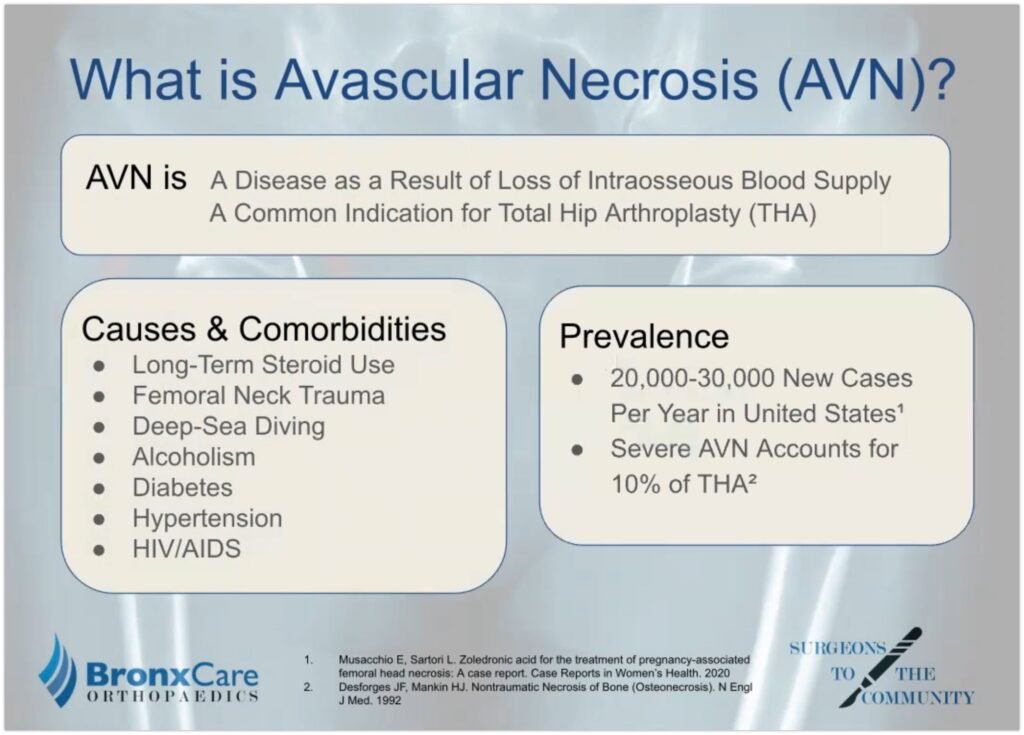
Avascular Necrosis, also known as osteonecrosis, is a condition that occurs when blood supply to the bone is compromised, leading to the death of bone tissue. This can result in severe pain, limited mobility, and even the collapse of the affected joint. While avascular necrosis can occur in any bone in the body, it commonly affects the hip, knee, and shoulder joints. Fortunately, there are preventive measures that can be taken to reduce the risk of developing avascular necrosis.
Understanding Avascular Necrosis
To effectively prevent avascular necrosis, it is essential to have a thorough understanding of the condition. Avascular necrosis typically occurs due to an interruption in the blood supply to the bone. This can happen as a result of various factors, including trauma, steroid use, excessive alcohol consumption, and certain medical conditions. The lack of blood flow deprives the bone of oxygen and essential nutrients, causing the bone tissue to die.
Risk Factors for Avascular Necrosis
Several risk factors increase the likelihood of developing avascular necrosis. Understanding these risk factors can help you take necessary preventive measures. Some common risk factors include trauma, prolonged steroid use, excessive alcohol consumption, smoking, radiation therapy, and certain medical conditions such as lupus, sickle cell anemia, and diabetes. Additionally, individuals who have undergone joint surgery or have a family history of avascular necrosis may be at a higher risk.
Prevention Through Lifestyle Changes
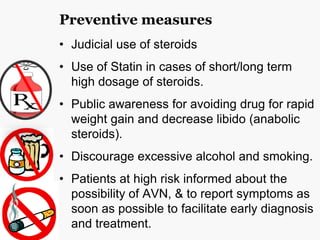
Making positive lifestyle changes can significantly reduce the risk of avascular necrosis. Quitting smoking is one of the most crucial steps you can take to protect your bones. Smoking damages blood vessels, leading to decreased blood flow and oxygen delivery to the bones. By quitting smoking, you can improve the circulation of blood to your bones, reducing the risk of avascular necrosis. It is also advisable to limit alcohol consumption and maintain a healthy diet rich in essential nutrients, particularly calcium and vitamin D, which play a vital role in bone health.
Prevention Through Medication
In some cases, medication may be prescribed to prevent the progression of avascular necrosis. This is typically recommended for individuals who are at a high risk or have already been diagnosed with early-stage avascular necrosis. Medications such as bisphosphonates may be prescribed, as they can help to prevent bone loss and maintain bone density. However, it is important to note that medication alone is not sufficient to prevent avascular necrosis and should be used in combination with other preventive measures.

Prevention Through Physical Therapy
Physical therapy can be an effective preventive measure for avascular necrosis, particularly for individuals who have already experienced trauma to a joint. The goal of physical therapy is to strengthen the muscles surrounding the affected joint, improve range of motion, and promote proper joint alignment and stability. By engaging in regular physical therapy exercises, you can help reduce stress on the joints, improve blood flow, and enhance overall joint function, thereby reducing the risk of avascular necrosis.
Prevention Through Surgery
In advanced cases of avascular necrosis, surgery may be required to preserve joint function and prevent further bone damage. Joint-preserving surgeries, such as core decompression or osteotomy, aim to relieve pressure on the affected bone and improve blood flow. Another surgical option is joint replacement surgery, which involves replacing the damaged joint with an artificial joint. Surgery is generally recommended when other preventive measures have not been successful in halting the progression of avascular necrosis.
Prevention Through Weight Management
Maintaining a healthy weight is crucial for overall bone health and can help prevent avascular necrosis. Excess body weight places excessive stress on the joints, increasing the risk of joint damage and reduced blood flow. By maintaining a healthy weight, you can minimize the strain on your joints, improve blood circulation, and reduce the likelihood of developing avascular necrosis. Regular exercise and a balanced diet can contribute to weight management and overall bone health.
Prevention Through Injury Prevention
Preventing injuries is essential to reduce the risk of avascular necrosis. Trauma, such as fractures or dislocations, can disrupt blood flow to the bone and increase the likelihood of developing avascular necrosis. Taking precautionary measures, such as wearing protective gear during contact sports or following proper safety protocols in the workplace, can help prevent traumatic injuries. It is also important to engage in regular exercise to improve muscle strength and joint stability, reducing the risk of falls or accidents that could lead to trauma.
Prevention Through Monitoring
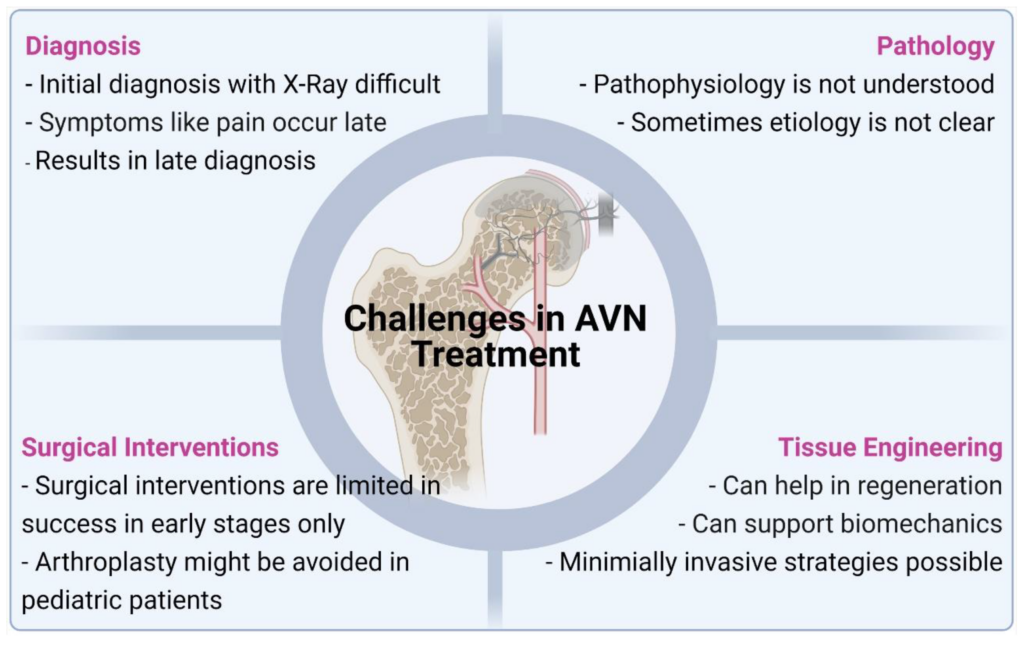
Regular monitoring and early detection of potential risk factors or symptoms of avascular necrosis can aid in prevention efforts. If you have any underlying medical conditions or are taking medications that increase your risk of avascular necrosis, it is important to have regular check-ups with your healthcare provider. They can monitor your bone health and recommend appropriate preventive measures based on your individual circumstances. Being aware of any new or worsening symptoms, such as joint pain or limited mobility, and seeking medical attention promptly can help prevent the progression of avascular necrosis.
Prevention of Bilateral Avascular Necrosis
Bilateral avascular necrosis refers to the occurrence of the condition in both sides of the body, usually affecting both hips or both shoulders. Preventing bilateral avascular necrosis requires a comprehensive approach that includes all the aforementioned preventive measures. It is crucial to address the underlying risk factors, such as alcohol consumption, steroid use, or medical conditions, and take appropriate preventive measures, such as lifestyle changes, medication, and physical therapy. Regular monitoring and prompt intervention can help identify bilateral avascular necrosis at an early stage and prevent further complications.
In conclusion, avascular necrosis can have a significant impact on your quality of life, but by understanding the condition and implementing preventive measures, you can reduce the risk of developing this debilitating condition. Lifestyle changes, medication, physical therapy, weight management, injury prevention, monitoring, and timely surgical intervention, if necessary, all play a crucial role in preventing avascular necrosis. By taking control of your health and making proactive choices, you can safeguard your bones and maintain your overall well-being.