
In this article, we will explore the challenges and strategies involved in managing bone cancer treatment for teenagers and young adults. Dealing with bone cancer at such a pivotal stage in life can be overwhelming, both emotionally and physically. From discussing the unique needs of this age group to the latest advancements in treatment options, we aim to provide valuable insights and guidance for those navigating through this difficult journey. So, if you or someone you know is facing bone cancer as a teenager or young adult, you’ve come to the right place. Let’s dive in to understand how to effectively manage this condition and ensure the best possible outcome for the future.

1. Types of Bone Cancer
1.1 Osteosarcoma
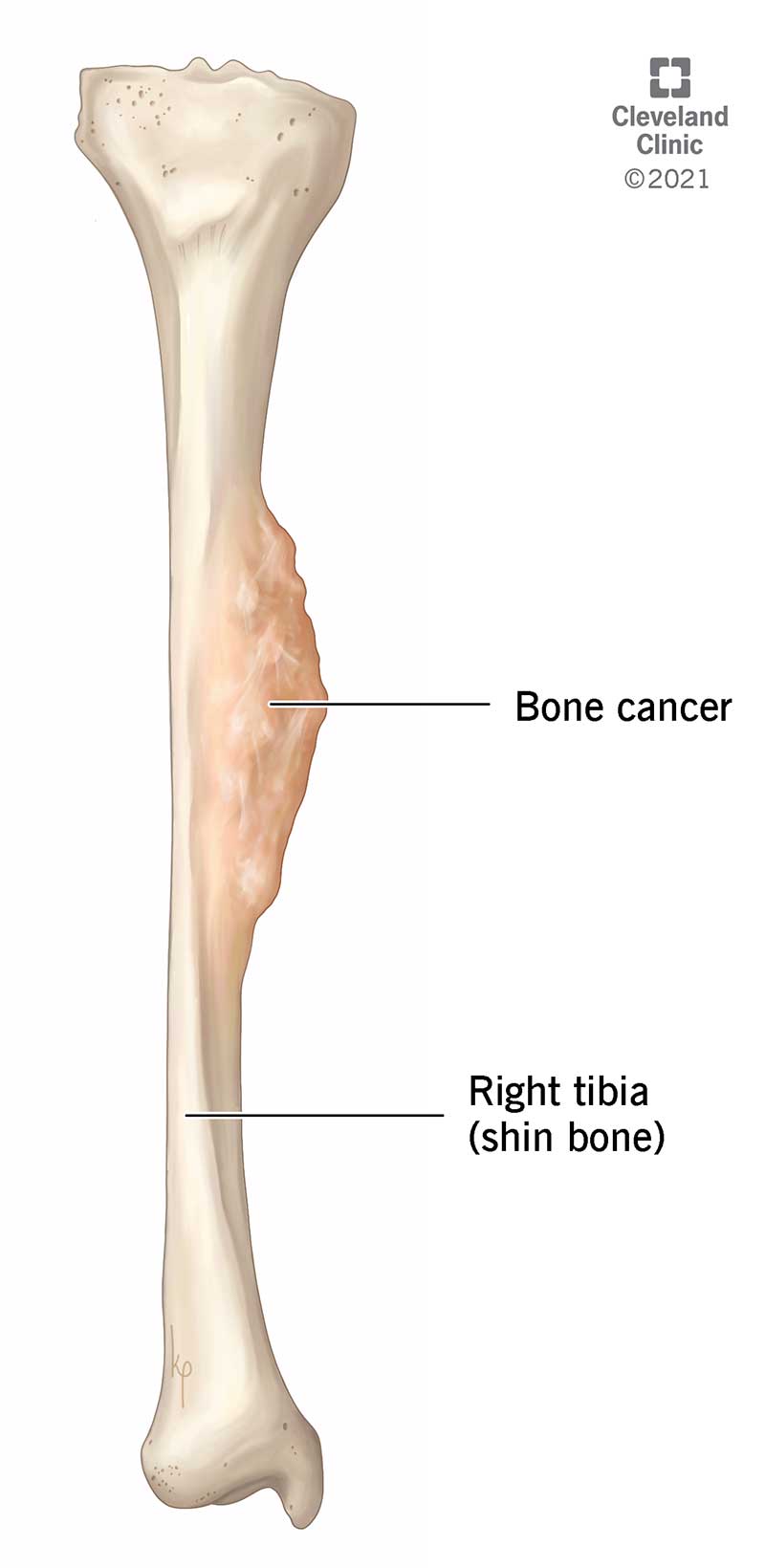
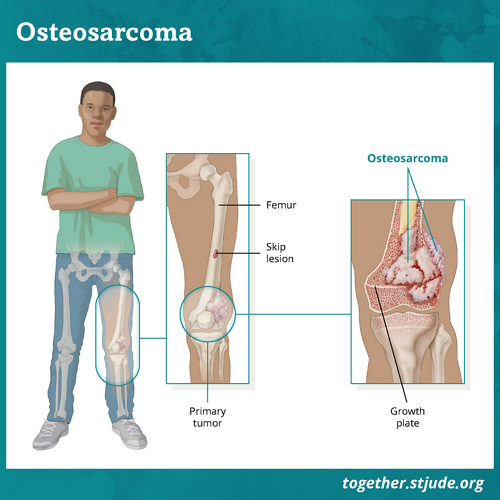
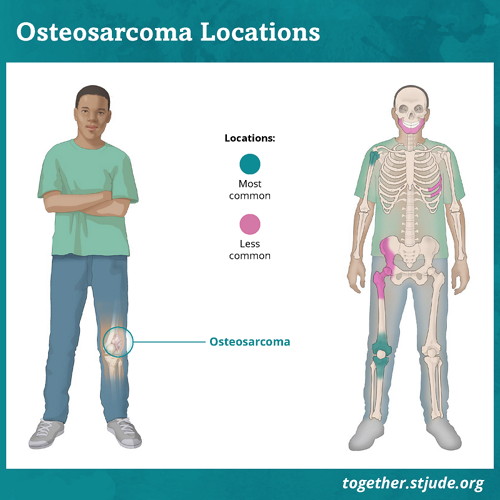
Osteosarcoma is the most common type of bone cancer that affects teenagers and young adults. It usually develops in the long bones, such as the arms or legs. Osteosarcoma can be aggressive and has the potential to spread to other parts of the body. It often presents with pain, swelling, and limited mobility in the affected area.
1.2 Ewing Sarcoma
Ewing sarcoma is another type of bone cancer that predominantly affects teenagers and young adults. It typically arises in the bones of the pelvis, chest, or long bones. Ewing sarcoma is known for its rapid growth and tendency to spread to other bones and distant organs. Common symptoms include localized pain, swelling, and a visible lump in the affected area.
1.3 Chondrosarcoma
Chondrosarcoma is a type of bone cancer that originates in the cartilage cells. It is more common in older teenagers and young adults. Chondrosarcoma can develop in any bone that contains cartilage, such as the arms, legs, or pelvis. Symptoms may include pain, swelling, and difficulty moving the affected joint.
2. Symptoms and Diagnosis
2.1 Common symptoms
The symptoms of bone cancer can vary depending on the type and location of the tumor. However, there are some common signs to look out for. These include persistent pain in the affected bone, swelling or a lump in the area, difficulty moving the affected limb, and unexplained fractures or breaks. If you experience any of these symptoms, it is important to consult a healthcare professional for further evaluation.
2.2 Diagnostic procedures
To diagnose bone cancer, several diagnostic procedures may be conducted. These can include imaging tests such as X-rays, CT scans, or MRI scans to visualize the affected area and identify any abnormalities. A biopsy may also be performed, where a small sample of the tumor is taken for analysis in the laboratory. This helps confirm the presence of cancer cells and determine the type and grade of the tumor.
2.3 Staging of bone cancer
Staging is an important aspect of bone cancer diagnosis as it helps determine the extent and spread of the disease. Staging is usually done with the help of imaging tests like bone scans, CT scans, and MRI scans. The stage of the cancer, ranging from stage I to IV, helps guide treatment decisions and provides a prognosis for the patient.
3. Treatment Options
3.1 Surgery
Surgery is a common treatment option for bone cancer and aims to remove the cancerous tumor from the bone. The type of surgery performed depends on various factors, including the size and location of the tumor. In some cases, limb-salvage surgery can be performed, where the tumor is removed while preserving the affected limb’s function and appearance. However, in more advanced cases, amputation may be necessary to remove the cancer completely.
3.1.1 Limb-salvage surgery
Limb-salvage surgery is a specialized surgical procedure that focuses on removing the tumor, while preserving as much healthy bone as possible. The surgeon may replace the removed bone with a bone graft or use metal implants to provide stability and maintain normal limb function. This approach aims to minimize the physical and psychological impact of amputation.
3.1.2 Amputation
In certain cases, amputation may be the most effective option to remove the cancer completely and prevent its spread. Amputation involves the removal of the affected limb, either partially or entirely, depending on the extent of the tumor. While amputation can be emotionally challenging, advancements in prosthetics and rehabilitation services have greatly improved the quality of life for individuals who undergo this procedure.
3.2 Chemotherapy
Chemotherapy is a systemic treatment that uses drugs to kill cancer cells throughout the body. It may be administered before surgery to shrink the tumor size or after surgery to eradicate any remaining cancer cells. Chemotherapy for bone cancer often involves a combination of different drugs and is administered in cycles. This helps minimize side effects and allows the body to recover between treatments.
3.3 Radiotherapy
Radiotherapy utilizes high-energy radiation beams to target and kill cancer cells. It is often used in conjunction with surgery or chemotherapy to further reduce the risk of cancer recurrence. Radiotherapy may be administered externally, where the radiation source is directed at the affected area from outside the body, or internally, where the radiation source is placed directly into or near the tumor.
3.4 Targeted therapy
Targeted therapy is a newer approach to treating bone cancer that focuses on identifying and attacking specific molecules or pathways involved in tumor growth. This treatment option is tailored to a patient’s specific tumor characteristics and may be used in conjunction with other treatment modalities.
3.5 Clinical trials
Clinical trials are research studies that evaluate new treatment options, including drugs, therapies, or innovative techniques for managing bone cancer. Participating in a clinical trial may provide access to cutting-edge treatments before they become widely available. It is important to discuss clinical trial options with your healthcare team to determine if you are eligible and if it is the right choice for you.
4. Multidisciplinary Team
4.1 Role of the oncologist
The oncologist plays a central role in the treatment journey of individuals with bone cancer. They specialize in the diagnosis, staging, and management of cancer. The oncologist works closely with the rest of the healthcare team to develop and oversee the treatment plan, monitor response to treatment, and provide ongoing care and support.
4.2 Role of the orthopedic surgeon
Orthopedic surgeons are essential in the surgical treatment of bone cancer. They specialize in the diagnosis and surgical management of musculoskeletal conditions, including bone tumors. Orthopedic surgeons perform the necessary surgeries, such as limb-salvage procedures or amputation, depending on the individual’s specific case.
4.3 Role of the radiologist
Radiologists play a crucial role in the diagnosis and staging of bone cancer. They interpret imaging tests such as X-rays, CT scans, and MRI scans to identify the presence and extent of the tumor. Radiologists work closely with the healthcare team to ensure accurate interpretation of imaging results and guide treatment decisions.
4.4 Role of the pathologist
Pathologists specialize in the analysis of tissue samples to determine the presence, type, and grade of cancer. They play a crucial role in the diagnosis of bone cancer by examining biopsy samples and providing information that guides treatment decisions. Pathologists work closely with the healthcare team to ensure timely and accurate evaluation of tissue samples.
4.5 Role of the social worker
Social workers are an essential part of the multidisciplinary team in bone cancer treatment. They provide emotional support, counseling, and resources to help individuals and their families cope with the challenges of the diagnosis and treatment process. Social workers also assist in arranging support services, financial assistance, and coordinating care.
4.6 Role of the psychologist
Psychologists specialize in addressing the psychological and emotional well-being of individuals with bone cancer. They provide counseling and support to help manage stress, anxiety, and depression associated with the diagnosis and treatment. Psychologists also play a crucial role in promoting a positive mindset and enhancing overall quality of life throughout the treatment journey.
5. Side Effects and Supportive Care
5.1 Common side effects
Bone cancer treatment, such as surgery, chemotherapy, and radiotherapy, can cause various side effects. Common side effects may include fatigue, hair loss, nausea, vomiting, changes in appetite, and increased risk of infection. It is important to communicate any side effects to the healthcare team to receive appropriate supportive care.
5.2 Pain management
Bone cancer can cause significant pain and discomfort. Pain management is an integral part of the treatment plan and may involve a combination of medications, physical therapy, and alternative therapies such as acupuncture or relaxation techniques. Open communication with your healthcare team about your pain levels is crucial to ensure optimal pain management.
5.3 Emotional support
Dealing with bone cancer can be emotionally challenging, and it is important to seek and accept emotional support. Support can come from various sources, including family, friends, support groups, therapists, and psychologists. Sharing your feelings and concerns with others who have faced similar experiences can provide comfort and reassurance during this difficult time.
5.4 Importance of nutrition
Proper nutrition is crucial during and after bone cancer treatment. Good nutrition helps support the body’s healing and recovery processes, enhances energy levels, and boosts overall well-being. It is important to work with a registered dietitian or nutritionist to develop a balanced and personalized diet plan that meets your specific needs.
5.5 Physical rehabilitation
Bone cancer treatment, particularly surgery and limb-salvage procedures, may affect mobility and physical function. Physical rehabilitation can help restore strength, mobility, and independence through targeted exercises and therapies. Working with a physical therapist or rehabilitation specialist can help optimize recovery and improve quality of life.
6. Survivorship and Long-term Follow-up
6.1 Monitoring for recurrence
After completing treatment for bone cancer, regular follow-up appointments will be necessary to monitor for any signs of recurrence or new cancer growth. These appointments may include physical examinations, imaging tests, and blood tests. It is important to attend these appointments as scheduled to ensure early detection of any potential issues.
6.2 Long-term effects of treatment
Bone cancer treatment can have long-term effects on physical and emotional health. These may include difficulties with mobility, fertility issues, increased risk of developing other cancers, or emotional distress. It is important to discuss these potential long-term effects with your healthcare team and seek appropriate support and care as needed.
6.3 Transition to adult care
Teenagers and young adults may experience a transition in their healthcare from pediatric to adult care settings once they reach a certain age or stage in their treatment journey. It is important to discuss this transition with your healthcare team to ensure continuity of care and to address any specific needs or concerns that may arise during this transition period.

7. Financial and Insurance Considerations
7.1 Cost of treatment
Bone cancer treatment can be expensive, and it is important to consider the financial implications. Costs may include medical consultations, surgery, chemotherapy, radiotherapy, imaging tests, and supportive care. It is advisable to discuss the potential costs with your healthcare team and explore financial assistance programs that may be available to help manage the financial burden.
7.2 Health insurance coverage
Understanding your health insurance coverage is crucial in managing the costs associated with bone cancer treatment. It is important to review your insurance policy to determine what treatments and services are covered, as well as any limitations or exclusions. Contacting your insurance provider and discussing your specific situation can help clarify coverage details and ensure you receive the necessary care.
7.3 Financial assistance programs
There are various financial assistance programs available to individuals with bone cancer. These programs may include grants, scholarships, and charitable organizations that provide financial support for medical expenses. It is important to research and explore these resources to alleviate the financial burden and ensure access to necessary treatments and supportive care.
8. Coping Strategies for Patients and Caregivers
8.1 Building a support network
Building a support network is essential for individuals with bone cancer and their caregivers. A support network may include family members, friends, support groups, healthcare professionals, and online communities. Having a strong support system provides emotional support, reassurance, and a sense of unity during the treatment journey.
8.2 Communication with healthcare team
Open and effective communication with your healthcare team is vital throughout the bone cancer treatment process. Clear communication helps ensure that your concerns and needs are addressed, and that you have a complete understanding of your treatment plan. Regularly discussing any questions or uncertainties with your healthcare team helps foster trust and facilitates better overall care.
8.3 Self-care and stress management
Self-care is important for both individuals with bone cancer and their caregivers. Taking time to prioritize your physical and emotional well-being can help reduce stress, enhance resilience, and improve overall quality of life. Engaging in activities that bring joy, practicing relaxation techniques, and seeking support when needed are all effective self-care strategies.
8.4 Seeking mental health support
Coping with bone cancer can take a toll on mental health, and it is important to seek professional mental health support when needed. Therapists or psychologists can provide counseling and therapies to help manage anxiety, depression, and other emotional challenges that may arise during the treatment journey. Seeking support early on can help prevent the escalation of mental health issues.
9. Educational and Vocational Planning
9.1 Managing school or college
Bone cancer treatment may disrupt educational pursuits, but it is important to develop a plan to manage school or college during treatment. Communicating with teachers, professors, and school administrators about your situation can help identify accommodations, such as modified schedules or remote learning options, to support your continued education.
9.2 Special accommodations
Special accommodations may be necessary to ensure a successful educational experience during and after bone cancer treatment. These accommodations may include extra time for assignments and exams, alternative seating arrangements, or assistance with note-taking or transportation. It is important to work with your school or college to establish an Individualized Education Plan (IEP) or a Section 504 Plan, if applicable, to address your specific needs.
9.3 Exploring career options
Bone cancer and its treatment may have implications for career planning and employment. It is important to explore various career options and consider the physical, emotional, and logistical factors that may impact your ability to work. Discussing these considerations with career counselors, vocational rehabilitation specialists, and your healthcare team can provide guidance and support in making informed decisions.
9.4 Rehabilitation services
Rehabilitation services can play a vital role in helping individuals with bone cancer regain their physical and functional abilities. These services may include physical therapy, occupational therapy, vocational rehabilitation, and speech therapy, depending on the specific needs and goals of the individual. Rehabilitation services can help optimize recovery, enhance quality of life, and facilitate a successful return to daily activities and work.
10. Research and Advances in Bone Cancer Treatment
10.1 Targeted therapies
Targeted therapies are a promising area of research in bone cancer treatment. These therapies aim to specifically target cancer cells while minimizing harm to healthy cells. Targeted therapies may involve drugs that inhibit specific molecules or pathways involved in tumor growth, thereby interfering with cancer cell proliferation.
10.2 Immunotherapy
Immunotherapy is another exciting area of research in bone cancer treatment. This approach harnesses the body’s own immune system to recognize and destroy cancer cells. Immunotherapies may involve stimulating the immune response or using immune checkpoint inhibitors to remove the obstacles that cancer cells use to evade detection.
10.3 Precision medicine
Precision medicine refers to tailoring treatment plans based on a patient’s individual genetic makeup and tumor characteristics. Advances in genetic testing and molecular profiling have paved the way for precision medicine in bone cancer. By identifying specific genetic mutations or alterations, healthcare professionals can target the underlying mechanisms driving tumor growth and select personalized treatment options accordingly.
10.4 Genetic testing
Genetic testing plays an important role in bone cancer diagnosis and treatment planning. By evaluating specific genes and genetic mutations, healthcare professionals can gain insights into a patient’s risk factors, likelihood of developing bone cancer, and potential treatment options. Genetic testing can also aid in identifying hereditary forms of bone cancer and inform decisions regarding genetic counseling and screening for family members.
In conclusion, managing bone cancer treatment for teenagers and young adults requires a comprehensive approach that addresses the physical, emotional, educational, and financial aspects of care. By understanding the different types of bone cancer, recognizing the symptoms, and undergoing appropriate diagnostic procedures, individuals can receive timely and targeted treatment. A multidisciplinary team, including oncologists, orthopedic surgeons, radiologists, pathologists, social workers, and psychologists, plays a crucial role in providing the necessary support and care throughout the treatment journey. The importance of supportive care, self-care, and access to financial assistance programs cannot be overstated. Ongoing research and advances in bone cancer treatment offer hope for improved outcomes and personalized approaches in the future. With a strong support network, effective communication, and a focus on overall well-being, individuals with bone cancer can navigate the challenges and achieve the best possible outcomes.