
Living with bone cancer as a teenager or young adult can be an incredibly challenging experience, both physically and emotionally. From the initial diagnosis to the daunting treatment plans, the journey can feel isolating and overwhelming. However, there is hope and support available for those battling this disease. In this article, you will discover a range of resources, strategies, and organizations dedicated to providing assistance and guidance specifically tailored to teenagers and young adults dealing with bone cancer. These invaluable resources aim to empower and uplift individuals, ensuring they never have to face this battle alone.
Understanding Bone Cancer
Bone cancer is a relatively rare form of cancer that primarily affects teenagers and young adults. It occurs when cells in the bones start to divide and grow uncontrollably, forming a tumor. There are several different types of bone cancer, including osteosarcoma, Ewing sarcoma, and chondrosarcoma, each with its own characteristics and treatment options. Understanding the specific type of bone cancer is crucial in determining the most effective course of treatment.
Different types of bone cancer
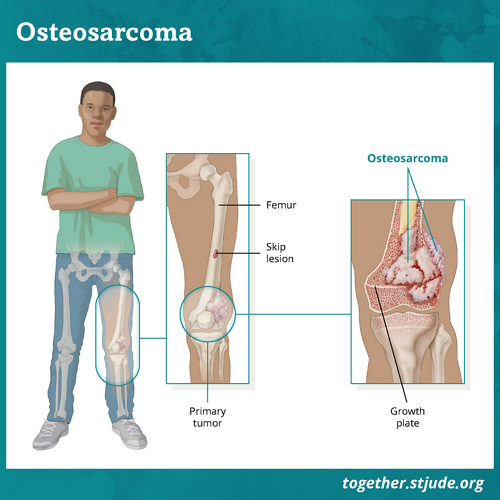
Osteosarcoma is the most common type of bone cancer in teenagers and young adults. It usually begins in the bones around the knee, but can also occur in other bones such as the upper arm or pelvis. Ewing sarcoma, on the other hand, often affects the long bones of the body, such as the thighs and shins. Chondrosarcoma, the rarest type of bone cancer, originates in the cartilage cells and typically develops in the pelvis, shoulder, or thigh bone. Each type of bone cancer requires a specialized approach to treatment.
Causes and risk factors
The exact cause of bone cancer is unknown, but researchers have identified several risk factors that may increase a person’s chances of developing the disease. These risk factors include a history of radiation therapy, certain inherited conditions such as Li-Fraumeni syndrome, Paget’s disease, and certain genetic mutations. It’s important to note, however, that most people with these risk factors do not develop bone cancer. Further research is needed to fully understand the causes and risk factors associated with this disease.
Diagnosing bone cancer
Diagnosing bone cancer involves a combination of different tests and procedures. It usually starts with a physical examination and review of medical history, followed by imaging tests such as X-rays, CT scans, or MRI scans to identify any abnormalities in the bones. A biopsy, which involves removing a small sample of tissue for laboratory analysis, is necessary to confirm the presence of cancer cells. Additional tests, including blood tests and bone scans, may also be conducted to determine the stage and extent of the cancer.
Treatment Options
Treating bone cancer typically involves a multimodal approach that combines different treatment methods to achieve the best possible outcome. The specific treatment options depend on several factors, including the type and stage of the cancer, as well as the overall health and preferences of the individual.
Surgery
Surgery is often the primary treatment for bone cancer. The goal is to remove the cancerous tumor and any surrounding tissue that may have been affected. In some cases, limb-sparing surgery may be possible, where only the cancerous bone is removed and replaced with a prosthesis or bone graft. If the cancer has spread to other parts of the body, more extensive surgical procedures, such as amputation, may be necessary.
Chemotherapy
Chemotherapy involves the use of powerful drugs to destroy cancer cells throughout the body. It is commonly used before surgery to shrink the tumor and reduce the risk of metastasis, as well as after surgery to kill any remaining cancer cells. The drugs can be administered orally or intravenously and may cause side effects such as hair loss, nausea, and fatigue.
Radiation therapy
Radiation therapy uses high-energy beams, such as X-rays or protons, to kill cancer cells and shrink tumors. It is often used in combination with surgery or chemotherapy to treat bone cancer. Side effects of radiation therapy may include skin irritation, fatigue, and temporary hair loss in the treatment area.
Targeted therapy
Targeted therapy is a newer form of treatment that focuses on specific molecules or pathways involved in the growth and spread of cancer cells. It can help prevent the growth of new blood vessels that tumors need to grow and can also target specific genetic mutations. Targeted therapy is often used in combination with other treatment options and may be administered orally or intravenously.
Immunotherapy
Immunotherapy works by harnessing the body’s own immune system to fight cancer cells. It involves the use of substances that stimulate the immune system or enhance its ability to recognize and destroy cancer cells. While immunotherapy is still being studied as a potential treatment for bone cancer, it has shown promising results in other types of cancer and may be considered as part of a clinical trial or personalized treatment plan.

Managing Side Effects
Bone cancer and its treatments can cause a range of side effects that can affect a person’s quality of life. It’s important to address these side effects promptly and effectively to ensure the overall well-being of patients.
Pain management
Bone cancer can cause significant pain, which can be managed through various approaches, including over-the-counter or prescription pain medications, physical therapy, and complementary therapies such as acupuncture or massage. It’s essential for individuals to communicate their pain levels to their healthcare team so that appropriate pain management strategies can be implemented.
Fatigue and weakness
Fatigue and weakness are common side effects of bone cancer and its treatments. Engaging in regular physical activity and practicing good sleep hygiene can help combat fatigue. It may also be necessary to modify daily activities and conserve energy throughout the day. Nutritious meals and staying hydrated are also crucial in maintaining energy levels.
Nausea and vomiting
Chemotherapy and radiation therapy can cause nausea and vomiting as side effects. Medications known as antiemetics can be prescribed to manage these symptoms. Making dietary modifications, such as eating smaller, more frequent meals and avoiding strong smells or foods that trigger nausea, can also help alleviate these discomforts. It’s essential to communicate any nausea and vomiting to the healthcare team for timely intervention.
Hair loss
Hair loss is a common side effect of chemotherapy, which can be emotionally distressing for young patients. Exploring wig options or experimenting with headscarves or hats can help individuals regain confidence and cope with the temporary loss of hair. It’s also important to remember that hair typically grows back once treatment is completed.
Emotional and psychological support
Dealing with bone cancer can be emotionally challenging. It’s important to seek emotional support from loved ones, friends, or even professional counselors or therapists. Joining support groups or participating in activities that promote relaxation and self-care, such as yoga or meditation, can also help reduce stress and improve overall well-being.
Nutrition and Physical Well-being
Maintaining proper nutrition and physical well-being is crucial for individuals with bone cancer. A balanced diet, physical activity, and bone health are pillars of overall well-being.
Importance of a balanced diet
A balanced diet plays a vital role in supporting the body’s healing process and overall health. It’s important to consume a variety of nutrient-rich foods, including fruits, vegetables, whole grains, lean proteins, and healthy fats. Adequate hydration is also key in ensuring the body functions optimally.
Managing appetite and weight changes
Cancer and its treatments can affect appetite and lead to weight changes. Eating smaller, frequent meals and incorporating nutrient-dense snacks can help maintain proper nutrition even when appetite is reduced. Consulting with a registered dietitian can provide personalized guidance and recommendations to manage weight changes effectively.
Physical activity and exercise
Regular physical activity and exercise can have numerous benefits for individuals with bone cancer. It helps promote overall strength, cardiovascular health, and mental well-being. Engaging in activities such as walking, swimming, or yoga, under the guidance of healthcare professionals, can improve muscle tone, flexibility, and overall physical function.
Maintaining bone health
Bone health is of utmost importance for individuals with bone cancer. It’s essential to ensure adequate intake of calcium and vitamin D through diet or supplementation. Weight-bearing exercises, such as walking or resistance training, can also help maintain bone density and strength. It’s crucial to consult with healthcare professionals for personalized advice on maintaining bone health.

Supportive Care
Supportive care involves addressing the holistic needs of individuals with bone cancer, beyond medical treatment alone. It encompasses emotional, psychological, and practical support to enhance overall well-being.
Engaging with support groups
Joining support groups, either in-person or online, can provide a sense of community and understanding for individuals with bone cancer. Sharing experiences, fears, and triumphs with others who are going through or have gone through a similar journey can be immensely helpful in dealing with the emotional challenges of the disease.
Peer support and networking
Connecting with peers who have faced or are facing bone cancer can provide a unique support system. Peer support networks, either through online platforms or organized events, can foster a sense of belonging and provide practical advice on coping with various aspects of the disease.
Counseling and therapy
Counseling and therapy can play a vital role in addressing the emotional and psychological impact of bone cancer. Professional therapists or counselors can provide individuals and their families with coping strategies, guidance in managing emotions, and a safe space to express fears and concerns.
Palliative care
Palliative care focuses on improving the quality of life for individuals with bone cancer by managing symptoms, providing pain relief, and addressing emotional and practical needs. It can be provided alongside curative treatments and is dedicated to supporting individuals and their families throughout the entire cancer journey.
End-of-life planning
While it may be challenging to discuss end-of-life planning, it’s essential for individuals with advanced bone cancer to express their preferences and make arrangements for their care. This can include decisions about living wills, medical power of attorney, and funeral arrangements. Open and honest communication with healthcare professionals and loved ones is key in ensuring that one’s wishes are respected and followed.
Educational Support
Bone cancer can disrupt education and academic pursuits for teenagers and young adults. Ensuring continuity in education and providing necessary support is crucial in promoting long-term success.
Ensuring continuation of education
Collaboration between healthcare professionals, parents, and educational institutions can help ensure a smooth transition back to education after diagnosis and treatment. Individualized education plans (IEPs) or 504 plans may be necessary to accommodate academic needs during treatment and recovery.
Modified academic programs
Modified academic programs may be required to accommodate any physical limitations or treatment schedules. Flexible schedules, homebound education, or online learning options can help individuals continue their education while undergoing treatment.
Support from teachers and school staff
Open communication with teachers and school staff is crucial in addressing educational challenges and promoting academic success. Educators can provide additional resources, flexibility, and emotional support to help students navigate the demands of education while managing their health.
Transitioning back to school
Returning to school after a period of absence due to bone cancer can be overwhelming. It’s important to establish a transition plan that gradually reintegrates individuals into their regular academic routines. Comprehensive communication between healthcare professionals, parents, and school staff can ensure a supportive and successful reentry.

Financial and Insurance Resources
Managing medical expenses and navigating insurance coverage can be overwhelming for individuals and their families. Understanding available resources and seeking assistance when needed is essential.
Navigating insurance coverage
Understanding the scope of insurance coverage and any limitations or requirements is crucial in managing medical expenses. Consulting with insurance providers and healthcare professionals can help individuals navigate the complexities of insurance policies and ensure maximum coverage for necessary treatments.
Understanding medical expenses
Cancer treatments and associated medical expenses can add up quickly. Keeping track of medical bills, receipts, and explanation of benefits (EOBs) can help individuals gain a better understanding of their expenses and ensure accurate billing. Seeking guidance from financial advisors or patient advocacy organizations can also provide valuable insight into managing medical costs.
Financial assistance programs
There are various financial assistance programs available to individuals with bone cancer. These programs can provide financial support for medical expenses, transportation, housing, and other practical needs. Researching and applying for these programs can help alleviate financial burdens and ensure access to essential resources.
Employment and disability benefits
Navigating employment and disability benefits can be complex. Individuals with bone cancer may be eligible for disability benefits such as Social Security Disability Insurance (SSDI) or Supplemental Security Income (SSI). Understanding the application process and seeking assistance from legal or financial professionals can ensure individuals receive the benefits they are entitled to.
Alternative and Complementary Therapies
Alternative and complementary therapies can provide additional support and relief for individuals with bone cancer. It’s important to discuss these options with healthcare professionals to ensure their safety and effectiveness.
Acupuncture
Acupuncture involves the insertion of thin needles into specific points on the body to help manage pain and promote overall well-being. It may be beneficial in alleviating pain and reducing treatment-related side effects such as nausea and fatigue.
Massage therapy
Massage therapy involves the manipulation of soft tissues to promote relaxation, reduce muscle tension, and improve circulation. It can help patients manage pain, improve sleep, and reduce anxiety and stress.
Yoga and meditation
Yoga and meditation can provide physical and mental benefits for individuals with bone cancer. Gentle yoga poses and breathing exercises can help improve flexibility, strength, and relaxation. Meditation practices can help reduce anxiety, enhance mood, and improve overall well-being.
Herbal supplements
Some individuals may consider using herbal supplements alongside conventional cancer treatments. However, it’s essential to consult with healthcare professionals before starting any supplements, as they may interact with medications or interfere with treatment efficacy.
Mind-body techniques
Mind-body techniques, such as guided imagery, visualization, and deep breathing exercises, can help individuals with bone cancer manage stress, promote relaxation, and enhance overall well-being. These techniques can be easily practiced at home or with the guidance of a healthcare professional.
Future Outlook and Survivorship
After completing treatment, individuals with bone cancer enter a phase of survivorship where the focus shifts to long-term effects and follow-up care.
Long-term effects and follow-up care
Bone cancer and its treatments can have long-term effects on the body. Regular follow-up appointments with healthcare professionals are essential to monitor any potential complications and address any arising concerns. It’s important to communicate any new symptoms or changes in health to the healthcare team for appropriate evaluation and management.
Monitoring for recurrence
Recurrence refers to the return of cancer after completion of treatment. Regular imaging scans, blood tests, and physical examinations are conducted to monitor for any signs of recurrence. Early detection of recurrence can lead to timely intervention and improved outcomes.
Managing anxiety and fear of recurrence
Survivors of bone cancer may experience anxiety and fear of recurrence. Coping strategies, such as counseling, support groups, and engaging in activities that promote relaxation and stress reduction, can help manage these emotions. Open communication with healthcare professionals is also important in addressing concerns and providing reassurance.
Transitioning to adult cancer care
As individuals with bone cancer transition into adulthood, it’s important to establish a plan for continued cancer care. Collaborating with healthcare professionals to identify appropriate adult cancer care providers and discussing the transfer of medical records is crucial in ensuring seamless and uninterrupted care.
Building a Supportive Network
Building a supportive network is essential for individuals with bone cancer. Surrounding oneself with understanding and caring individuals can provide emotional and practical support throughout the cancer journey.
Family involvement and communication
Family involvement plays a critical role in supporting individuals with bone cancer. Open and honest communication within the family can help address concerns, share information, and provide a strong support system for the individual.
Role of friends and peer support
Friends and peers can provide invaluable emotional support and companionship during the challenging times of bone cancer. Maintaining social connections and engaging in activities with friends can help individuals maintain a sense of normalcy and reduce feelings of isolation.
Relationships with healthcare professionals
Establishing a positive and trusting relationship with healthcare professionals is essential in receiving optimal care. Good communication, asking questions, and actively participating in treatment decisions can help individuals feel empowered and confident in their healthcare journey.
The importance of self-advocacy
Self-advocacy involves actively participating in one’s own healthcare, voicing concerns, and making informed decisions. Individuals with bone cancer should feel empowered to ask questions, seek second opinions, and communicate their needs and preferences to their healthcare team. Building self-advocacy skills can help ensure that individuals receive the best possible care and support.