
So you’ve recently received a diagnosis of carcinoid syndrome or have been living with it for some time now. Don’t worry, you’re not alone in this journey. This article will provide you with useful tips and strategies to effectively manage carcinoid syndrome, helping you navigate the challenges and improve your quality of life. Whether you’re dealing with the symptoms of flushing, diarrhea, or heart valve problems, this article has got you covered. Let’s dive in and explore the best approaches to conquer this condition together!

Understanding Carcinoid Syndrome
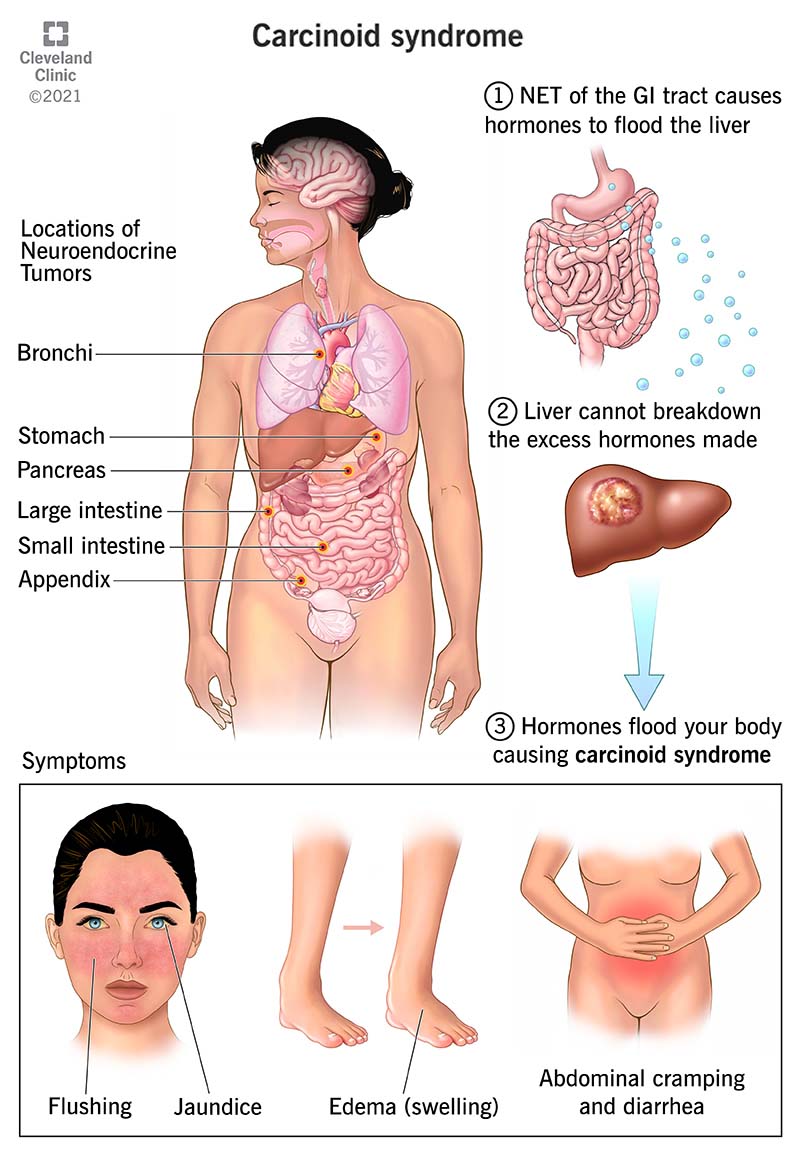
Carcinoid Syndrome is a group of symptoms that occur when carcinoid tumors release substances such as serotonin and other hormones into the bloodstream. These tumors are usually found in the gastrointestinal tract, but can also develop in other parts of the body such as the lungs. Carcinoid Syndrome is a rare condition, affecting only a small percentage of people with carcinoid tumors.
Symptoms of Carcinoid Syndrome
Carcinoid Syndrome can present with a variety of symptoms, which can vary in intensity from person to person. Some common symptoms include flushing (reddening and warming of the face and neck), diarrhea, shortness of breath, wheezing, heart palpitations, abdominal pain, and weight loss. These symptoms typically occur in episodes, often triggered by certain foods, stress, or physical exertion.

Causes of Carcinoid Syndrome
Carcinoid Syndrome is caused by the excessive production and release of hormones and other substances by carcinoid tumors. These tumors are often slow-growing, but can become malignant over time. The exact cause of carcinoid tumors is unknown, but certain genetic and environmental factors may increase the risk of developing them.
Diagnosing Carcinoid Syndrome
Early diagnosis of Carcinoid Syndrome is crucial for effective management. The following methods are commonly used to diagnose the condition:
Physical Examination
During a physical examination, your healthcare provider will look for signs of Carcinoid Syndrome such as flushing or abdominal tenderness. They may also check your heart rate, blood pressure, and overall physical condition.
Laboratory Tests
Blood and urine tests can help detect high levels of hormones and other substances associated with Carcinoid Syndrome. These tests may include measurements of serotonin, chromogranin A, 5-HIAA (a breakdown product of serotonin), and other markers.
Imaging Tests
Imaging tests, such as CT scans, MRI scans, and octreotide scans, can help locate and assess the size of carcinoid tumors. These tests provide valuable information about the extent and spread of the tumors.
Biopsy
A biopsy involves the removal of a small tissue sample from a suspected tumor. The sample is then examined under a microscope to determine whether it is cancerous or benign. Biopsy results can confirm the presence of carcinoid tumors and help guide treatment decisions.
Treatment Options for Carcinoid Syndrome
The treatment of Carcinoid Syndrome focuses on controlling symptoms, slowing tumor growth, and improving overall quality of life. The following treatment options are commonly used:
Medications
Medications play a key role in managing Carcinoid Syndrome. They can help alleviate symptoms such as flushing, diarrhea, and wheezing. Additionally, certain medications can slow down tumor growth and reduce the production of hormones.
Somatostatin Analogs
Somatostatin analogs are a type of medication that mimic the action of somatostatin, a hormone that regulates the release of other hormones. These drugs help control the symptoms of Carcinoid Syndrome by reducing the production and release of the hormones associated with the condition.
Chemotherapy
Chemotherapy drugs may be used in cases where carcinoid tumors have spread to other parts of the body. These drugs work by targeting and killing cancer cells, helping to shrink tumors and alleviate symptoms.
Radiation Therapy
Radiation therapy uses high-energy rays to destroy cancer cells. It may be used to treat localized carcinoid tumors or to relieve symptoms caused by tumors that cannot be surgically removed. Radiation therapy can help reduce the size of tumors and alleviate pain or discomfort.
Surgery
Surgical removal of carcinoid tumors is often considered the most effective treatment option, especially if the tumors are localized and have not spread to other organs. Depending on the location and size of the tumors, surgical options may include tumor resection, laparoscopic surgery, or in some cases, liver transplantation.
Lifestyle Modifications to Manage Carcinoid Syndrome
In addition to medical treatments, making certain lifestyle modifications can greatly help in managing Carcinoid Syndrome. Here are some strategies to consider:
Dietary Changes
Avoiding trigger foods and making dietary changes can significantly improve symptoms associated with Carcinoid Syndrome. Foods that are high in serotonin, such as bananas, walnuts, and pineapples, should be consumed in moderation. It is also recommended to limit the intake of spicy foods, caffeine, alcohol, and certain medications that can exacerbate symptoms.
Stress Management
Stress can trigger episodes of Carcinoid Syndrome. Practicing stress management techniques such as deep breathing exercises, meditation, yoga, and regular relaxation can help reduce stress levels and minimize symptoms.
Exercise
Regular exercise has been shown to have numerous benefits for individuals with Carcinoid Syndrome. Engaging in low-impact activities, such as walking or swimming, can help improve overall fitness, reduce stress, and enhance well-being.
Smoking and Alcohol Cessation
Smoking and alcohol consumption should be avoided or minimized as they can worsen symptoms and potentially interact with medications used to manage Carcinoid Syndrome. Quitting smoking and reducing alcohol intake are important steps towards managing the condition.

Nutrition and Diet Recommendations
Maintaining a healthy and balanced diet is essential for managing Carcinoid Syndrome. Consider the following nutrition and diet recommendations:
Foods to Avoid
Certain foods can trigger symptoms in individuals with Carcinoid Syndrome. These may include high-fat and greasy foods, spicy dishes, alcohol, caffeine, aged cheeses, and foods high in serotonin. It is recommended to limit or avoid these foods to minimize symptoms.
Foods to Include
Incorporating a variety of nutrient-dense foods into your diet can help support overall health and well-being. Focus on including fresh fruits and vegetables, lean proteins, whole grains, and healthy fats in your meals. These foods provide essential nutrients and can help maintain a healthy weight.
Importance of Small, Frequent Meals
Eating smaller, more frequent meals throughout the day can help manage symptoms associated with Carcinoid Syndrome. This approach can prevent overloading the digestive system and assist in maintaining stable blood sugar levels.
Understanding Somatostatin Analogs
Somatostatin analogs are a class of medications commonly used in the treatment of Carcinoid Syndrome. Here’s what you need to know about them:
How Somatostatin Analogs Work
Somatostatin analogs mimic the action of somatostatin, a naturally occurring hormone that inhibits the release of various hormones and substances in the body. By binding to specific receptors, somatostatin analogs reduce the production and release of hormones associated with Carcinoid Syndrome, helping to alleviate symptoms.
Commonly Prescribed Somatostatin Analogs
Octreotide and lanreotide are the two most commonly prescribed somatostatin analogs for the treatment of Carcinoid Syndrome. These medications are available in injectable formulations and are typically self-administered by the patient.
Side Effects of Somatostatin Analogs
Like any medication, somatostatin analogs can have side effects. Common side effects may include pain or discomfort at the injection site, digestive issues such as diarrhea or constipation, fatigue, and changes in blood sugar levels. It is important to discuss any concerns or potential side effects with your healthcare provider.

Chemotherapy in Carcinoid Syndrome
Chemotherapy may be used in the treatment of Carcinoid Syndrome, particularly when the tumors have spread to other parts of the body. Here’s what you should know:
Types of Chemotherapy Drugs Used
Different types of chemotherapy drugs may be used to treat Carcinoid Syndrome. These drugs can vary in their mechanism of action and side effect profiles. Some commonly used chemotherapy drugs for Carcinoid Syndrome include fluorouracil, streptozocin, and temozolomide.
Administration Methods
Chemotherapy drugs for Carcinoid Syndrome can be administered orally, intravenously, or by injection. The specific administration method will depend on the type of drug and the individual’s overall health.
Potential Side Effects
Chemotherapy drugs can cause various side effects, which can vary from person to person and depend on the specific drug used. Common side effects may include nausea, vomiting, hair loss, fatigue, and decreased blood cell counts. Your healthcare provider will closely monitor your condition and provide supportive care to manage these side effects effectively.
Effectiveness in Carcinoid Syndrome
The effectiveness of chemotherapy in Carcinoid Syndrome depends on various factors such as the stage of the disease, the location and size of the tumors, and the individual’s overall health. Chemotherapy can help shrink tumors, alleviate symptoms, and slow down tumor growth, but it may not cure the underlying condition.
Role of Radiation Therapy
Radiation therapy is a treatment option that uses high-energy radiation to destroy cancer cells and shrink tumors. Here’s what you should know about its role in Carcinoid Syndrome:
Types of Radiation Therapy
There are two main types of radiation therapy used in the treatment of Carcinoid Syndrome: external beam radiation and internal radiation (brachytherapy). External beam radiation involves directing radiation at the tumor from outside the body, while internal radiation involves placing a radioactive source directly into or near the tumor.
Benefits and Risks
Radiation therapy can help control symptoms, alleviate pain, and reduce the size of tumors in Carcinoid Syndrome. However, it may also have side effects such as fatigue, skin changes, and digestive issues. The benefits and risks of radiation therapy should be carefully considered and discussed with your healthcare provider.
Managing Side Effects
To manage the side effects of radiation therapy, your healthcare team will provide guidance and support. They may recommend medications to alleviate discomfort, skincare measures to protect the radiation site, and dietary modifications to manage any digestive issues that may arise.
Surgical Options for Carcinoid Tumors
Surgery plays a significant role in the treatment of Carcinoid Syndrome, particularly in cases where tumors are localized and have not spread to other organs. Here are some surgical options commonly used:
Tumor Resection
Tumor resection involves the surgical removal of the carcinoid tumor. The extent of the surgery will depend on the location and size of the tumor. In some cases, this may involve removing a portion of an organ or, in rare cases, a whole organ.
Laparoscopic Surgery
Laparoscopic surgery, also known as minimally invasive surgery, is a technique used to remove small carcinoid tumors. It involves making small incisions and using specialized instruments to remove the tumor. Laparoscopic surgery offers the advantage of shorter recovery time and reduced postoperative pain.
Liver Transplantation
In cases where tumors have spread to the liver and cannot be surgically removed, liver transplantation may be considered. This procedure involves replacing the diseased liver with a healthy liver from a donor. Liver transplantation is typically reserved for individuals with advanced Carcinoid Syndrome and carefully selected based on specific criteria.
Psychological and Emotional Support
Living with Carcinoid Syndrome can be challenging, both physically and emotionally. Seeking psychological and emotional support is an important aspect of managing the condition. Consider the following strategies:
Support Groups
Joining a support group can provide a valuable source of emotional support and allow you to connect with others who are going through similar experiences. These groups offer a safe space to share concerns, discuss coping strategies, and receive encouragement.
Counseling and Therapy
Individual counseling or therapy sessions can help you better understand and navigate the emotional challenges of living with Carcinoid Syndrome. A trained therapist can provide guidance, tools, and coping strategies to help you manage stress, anxiety, and other psychological aspects related to the condition.
Coping Strategies
Developing coping strategies that work for you can greatly improve your ability to manage Carcinoid Syndrome. These may include relaxation techniques, mindfulness practices, journaling, engaging in hobbies, or spending time in nature. Experimenting with different strategies can help you find what works best for you.
In conclusion, managing Carcinoid Syndrome requires a comprehensive approach that combines medical treatments, lifestyle modifications, and emotional support. By understanding the syndrome, seeking proper diagnosis, and following your healthcare team’s recommendations, you can effectively manage the condition and improve your overall quality of life. Remember that you are not alone in this journey, and reaching out for support can make a significant difference.