
You have heard about cancer and its many forms, but have you ever come across the term Carcinoid Syndrome? It refers to a rare condition that develops in individuals with carcinoid tumors, a type of slow-growing cancer that typically starts in the digestive tract. While not widely recognized, Carcinoid Syndrome can have a significant impact on a person’s daily life, causing a range of symptoms that may seem unrelated. In this article, we will explore the intricacies of Carcinoid Syndrome, shedding light on its causes, symptoms, and potential treatment options. So, grab a cup of tea and get ready to delve into the world of Carcinoid Syndrome.
Overview of Carcinoid Syndrome
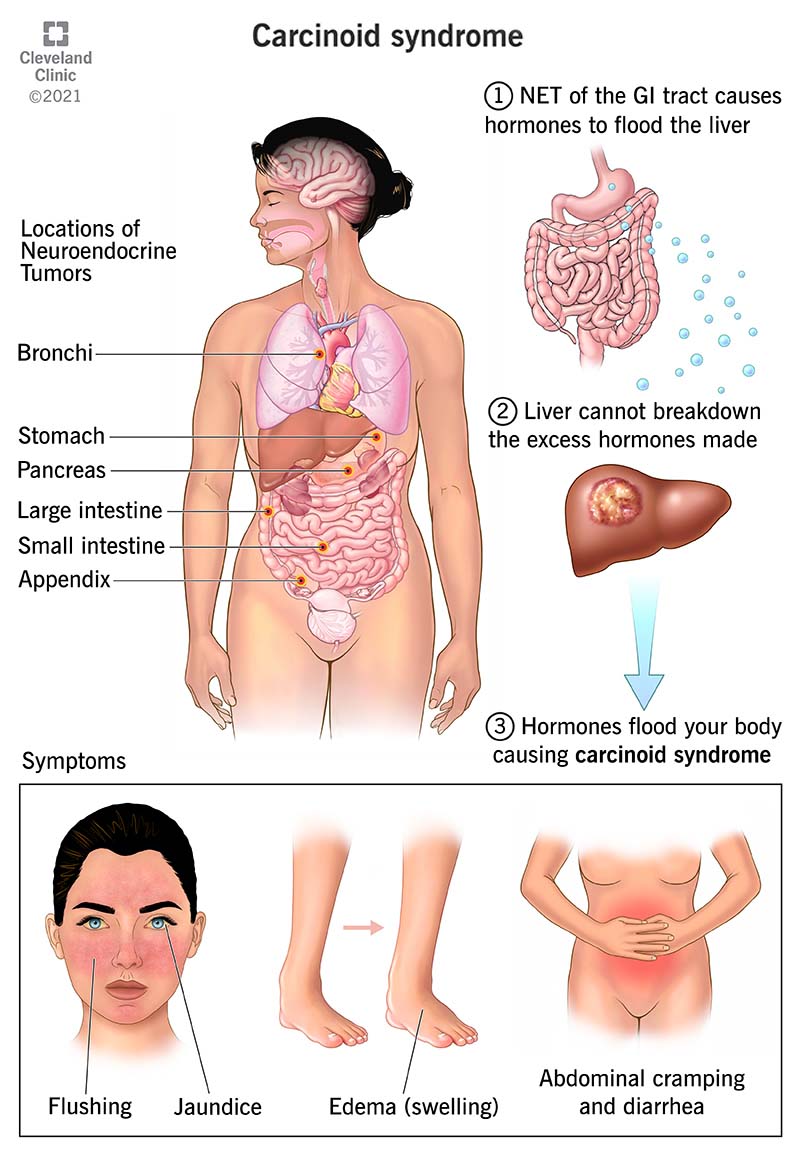
Carcinoid Syndrome is a rare condition characterized by a group of symptoms that occur as a result of the release of certain substances by carcinoid tumors. Carcinoid tumors are slow-growing neuroendocrine tumors that originate from hormone-producing cells. These tumors most commonly develop in the gastrointestinal tract, but can also occur in other parts of the body such as the lungs, ovaries, and other rare sites.
Definition of Carcinoid Syndrome
Carcinoid Syndrome refers to the collection of symptoms that occur when carcinoid tumors release excessive amounts of hormones and bioactive substances into the bloodstream. These substances, including serotonin and other vasoactive compounds, can lead to various symptoms such as flushing, diarrhea, abdominal pain, wheezing, shortness of breath, heart valve problems, and other less common symptoms.

Causes of Carcinoid Syndrome
The exact cause of Carcinoid Syndrome is not well understood, but it is believed to be primarily caused by the secretion of hormones and bioactive substances by carcinoid tumors. These tumors may develop due to genetic mutations or can arise sporadically without any identifiable cause. Certain risk factors, such as a family history of carcinoid tumors or exposure to certain chemicals and substances, may increase the likelihood of developing these tumors and subsequently Carcinoid Syndrome.
Prevalence of Carcinoid Syndrome
Carcinoid Syndrome is considered to be a rare condition, with an estimated prevalence of fewer than 5 cases per 100,000 individuals. However, the incidence of carcinoid tumors, which may or may not lead to Carcinoid Syndrome, is higher. It is important to note that the prevalence and incidence rates can vary depending on the geographic region and population studied.

Signs and Symptoms of Carcinoid Syndrome
The signs and symptoms of Carcinoid Syndrome can vary from person to person and may depend on the location and extent of the tumor. Common symptoms include:
Flushing
Flushing is a sudden and temporary reddening of the skin that usually affects the face and upper body. It is a characteristic symptom of Carcinoid Syndrome and can be triggered by various factors, such as stress, certain foods, alcohol, or physical exertion.
Diarrhea
Diarrhea is another common symptom experienced by individuals with Carcinoid Syndrome. It is usually chronic and may be accompanied by abdominal cramps or pain. Diarrhea occurs as a result of the increased production of serotonin and other substances by carcinoid tumors.
Abdominal pain
Abdominal pain can occur in individuals with Carcinoid Syndrome and may be caused by the tumors themselves or as a result of the gastrointestinal symptoms associated with the condition, such as diarrhea or intestinal obstruction.
Wheezing and shortness of breath
Carcinoid tumors can produce substances that can cause constriction and narrowing of the airways, leading to wheezing and shortness of breath. These symptoms are often more pronounced during physical activity or certain triggers.
Heart valve problems
In some cases, Carcinoid Syndrome can lead to heart valve problems, particularly involving the right side of the heart. The release of bioactive substances by the tumors can cause fibrosis and thickening of the heart valves, affecting their normal functioning.
Other less common symptoms
Less common symptoms of Carcinoid Syndrome include rapid heartbeat, low blood pressure, weight loss, fatigue, flushing or bluish discoloration of the skin, and rare instances of neurologic symptoms such as dizziness or fainting.
Diagnosis of Carcinoid Syndrome
Diagnosing Carcinoid Syndrome can be challenging due to its variable presentation and overlap with other conditions. However, several methods can be used to aid in the diagnosis:
Medical history and physical examination
Your healthcare provider will take a detailed medical history and perform a thorough physical examination to assess any signs and symptoms suggestive of Carcinoid Syndrome. It is crucial to provide a comprehensive overview of your symptoms, lifestyle, and any family history of similar conditions.
Blood and urine tests
Blood and urine tests can help measure the levels of certain substances, such as serotonin and chromogranin A, which are often elevated in individuals with Carcinoid Syndrome. These tests can provide valuable information to support the diagnosis.
Imaging tests
Imaging tests such as computed tomography (CT) scans, magnetic resonance imaging (MRI), and positron emission tomography (PET) scans can be used to visualize the location and extent of the carcinoid tumors. These tests can help identify the primary tumor and detect any metastases.
Octreotide scan
An octreotide scan, also known as a somatostatin receptor scintigraphy (SRS), is a nuclear imaging test that uses a small amount of radioactive material combined with a special dye called octreotide. This test can help detect the presence and location of carcinoid tumors, as these tumors typically have an affinity for octreotide.
Biopsy
A biopsy involves obtaining a small sample of tissue from a suspected tumor and examining it under a microscope to confirm the presence of carcinoid tumors. This procedure can be performed using various techniques, depending on the location of the tumor.

Types of Carcinoid Tumors
Carcinoid tumors can occur in various parts of the body. The most common types include:
Gastrointestinal Carcinoid Tumors
Gastrointestinal carcinoid tumors are the most common type and typically originate in the digestive system, particularly in the small intestine, appendix, rectum, and stomach. These tumors can cause symptoms related to the gastrointestinal tract, such as abdominal pain, diarrhea, and gastrointestinal bleeding.
Lung (Pulmonary) Carcinoid Tumors
Lung carcinoid tumors develop in the lungs and are classified into two types: typical and atypical. Typical pulmonary carcinoid tumors grow slowly and have a low potential for spreading to other parts of the body. Atypical pulmonary carcinoid tumors are slightly more aggressive and have a higher likelihood of metastasis.
Ovarian Carcinoid Tumors
Ovarian carcinoid tumors are rare and usually benign. They develop in the ovaries and may cause symptoms similar to other types of carcinoid tumors, such as abdominal pain and hormonal imbalances.
Other Rare Carcinoid Tumors
Although less common, carcinoid tumors can also originate in other organs such as the liver, gallbladder, bile ducts, pancreas, thymus, and kidneys. The symptoms and treatment options for these rare carcinoid tumors may differ depending on the specific site of origin.
Causes and Risk Factors of Carcinoid Tumors
The exact cause of carcinoid tumors is not fully understood. However, several factors may increase the risk of developing these tumors:
Genetic mutations and family history
Certain genetic mutations, such as those associated with multiple endocrine neoplasia type 1 (MEN1) and neurofibromatosis type 1 (NF1), can predispose individuals to developing carcinoid tumors. A family history of these tumors can also increase the risk.
Exposure to certain chemicals and substances
Exposure to certain chemicals and substances, such as tobacco smoke, certain food additives, and certain occupational exposures, has been associated with an increased risk of developing carcinoid tumors. However, the relationship between these factors and tumor development is not yet fully understood.

Stages of Carcinoid Tumors
The staging of carcinoid tumors helps determine the extent of the disease and guides treatment decisions. The stages of carcinoid tumors are as follows:
Stage 0: Carcinoid tumor in situ
Stage 0 refers to carcinoid tumors that are localized and have not invaded surrounding tissues or spread to nearby lymph nodes.
Stage 1: Localized carcinoid tumor
Stage 1 carcinoid tumors are localized and have invaded surrounding tissues but have not spread to lymph nodes or distant sites.
Stage 2: Carcinoid tumor with regional spread
Stage 2 carcinoid tumors have spread to nearby lymph nodes but have not yet spread to distant sites.
Stage 3: Carcinoid tumor with distant metastasis
Stage 3 carcinoid tumors have spread to distant sites, such as the liver, lungs, or bones.
Stage 4: Metastatic carcinoid tumor
Stage 4 carcinoid tumors have spread extensively to distant organs and may involve multiple areas of the body.
Treatment Options for Carcinoid Tumors
The treatment of carcinoid tumors depends on various factors, including the location, stage, and extent of the tumors, as well as the individual’s overall health and preferences. Treatment options may include:
Surgery
Surgical removal of the tumors is often the primary treatment option for localized carcinoid tumors. The type of surgery performed will depend on the location and size of the tumors, as well as the extent of spread.
Radiation Therapy
Radiation therapy uses high-energy beams to target and kill cancer cells. It may be used in combination with surgery or as a standalone treatment for tumors that cannot be surgically removed.
Chemotherapy
Chemotherapy involves the use of drugs to kill cancer cells or inhibit their growth. It may be used for advanced or metastatic carcinoid tumors, but its effectiveness varies depending on the tumor type.
Somatostatin Analogues
Somatostatin analogues are medications that mimic the actions of somatostatin, a hormone that inhibits the release of various substances from carcinoid tumors. These medications can help control symptoms and slow the growth of tumors in some cases.
Targeted Therapy
Targeted therapy involves the use of specific drugs that target the genetic mutations or signaling pathways present in carcinoid tumors. These therapies can help inhibit tumor growth and may be used in certain cases.
Liver-directed therapies
Liver-directed therapies, such as embolization or radiofrequency ablation, are used to treat carcinoid tumors that have spread to the liver. These therapies aim to shrink or destroy the tumors within the liver while preserving healthy liver tissue.
Clinical Trials
Participation in clinical trials can provide access to new treatments and therapies being investigated for the management of carcinoid tumors. These trials aim to improve outcomes and develop more effective treatment options.
Prognosis and Survival Rates of Carcinoid Tumors
The prognosis and survival rates for individuals with carcinoid tumors can vary widely depending on various factors, including the tumor stage, location, treatment received, and individual characteristics. Factors that can affect prognosis include tumor size, tumor grade, presence of metastases, and overall health status.
Survival rates for carcinoid tumors are generally favorable compared to many other types of cancers. However, survival can vary significantly depending on the stage and location of the tumor. It is important for individuals with carcinoid tumors to discuss their prognosis and expected outcomes with their healthcare team.
Managing Carcinoid Syndrome
Managing Carcinoid Syndrome involves addressing the symptoms and complications associated with the condition. Treatment options may include:
Medications to control symptoms
Various medications can be used to help control the symptoms of Carcinoid Syndrome, such as flushing, diarrhea, and abdominal pain. These medications aim to reduce the release of excessive hormones and bioactive substances by carcinoid tumors.
Dietary modifications
Certain dietary modifications, such as avoiding trigger foods and beverages, may help reduce symptoms like flushing and diarrhea. It is recommended to work with a healthcare professional or registered dietitian to develop an individualized diet plan.
Lifestyle changes
Making lifestyle changes can have a positive impact on managing Carcinoid Syndrome. These changes may include stress reduction techniques, avoiding alcohol and tobacco, regular exercise, and getting enough sleep.
Regular monitoring and follow-up
Regular monitoring and follow-up with healthcare providers is essential for individuals with Carcinoid Syndrome. This allows for the evaluation of treatment effectiveness, monitoring for any disease progression or recurrence, and making necessary adjustments to the treatment plan.
Support and Resources for Carcinoid Syndrome Patients
Living with Carcinoid Syndrome can be challenging, both physically and emotionally. Fortunately, there are several resources available to provide support and information for individuals and their families:
Patient support groups
Joining a patient support group can provide an opportunity to connect with others who have Carcinoid Syndrome, share experiences, and gain valuable insights and emotional support. These groups can be found both locally and online.
Online resources
There are numerous online resources available, such as reputable websites, forums, and social media groups dedicated to Carcinoid Syndrome awareness and support. These resources can provide valuable information, educational materials, and a sense of community.
National and international organizations
National and international organizations focused on neuroendocrine tumors and Carcinoid Syndrome, such as the Carcinoid Cancer Foundation and the Neuroendocrine Tumor Research Foundation, offer support, advocacy, and resources for individuals and their families. These organizations can provide information on the latest research, treatment options, and clinical trials.
In conclusion, Carcinoid Syndrome is a complex condition associated with the secretion of hormones and bioactive substances by carcinoid tumors. It can manifest through a variety of symptoms, which can sometimes overlap with other conditions. Proper diagnosis and management of Carcinoid Syndrome require a multidisciplinary approach involving healthcare providers and other support resources. With advancements in treatment options and ongoing research, individuals with Carcinoid Syndrome can optimize their quality of life and potentially improve outcomes.