
Living with Celiac Disease can present unique challenges, but with the right management techniques, you can lead a healthy and fulfilling life. This article explores the best practices for managing Celiac Disease, from understanding the importance of a gluten-free diet to seeking support from healthcare professionals. Whether you have been recently diagnosed or have been living with the condition for a while, this article will provide valuable insights and practical tips to help you navigate the complexities of Celiac Disease effectively. So, let’s dive in and discover how you can effectively manage this condition and embrace a lifestyle that supports your health and wellbeing.
Understanding Celiac Disease
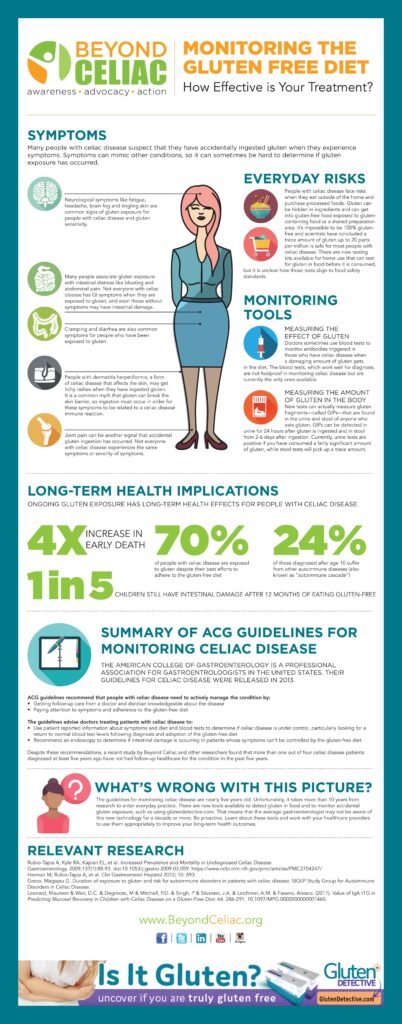
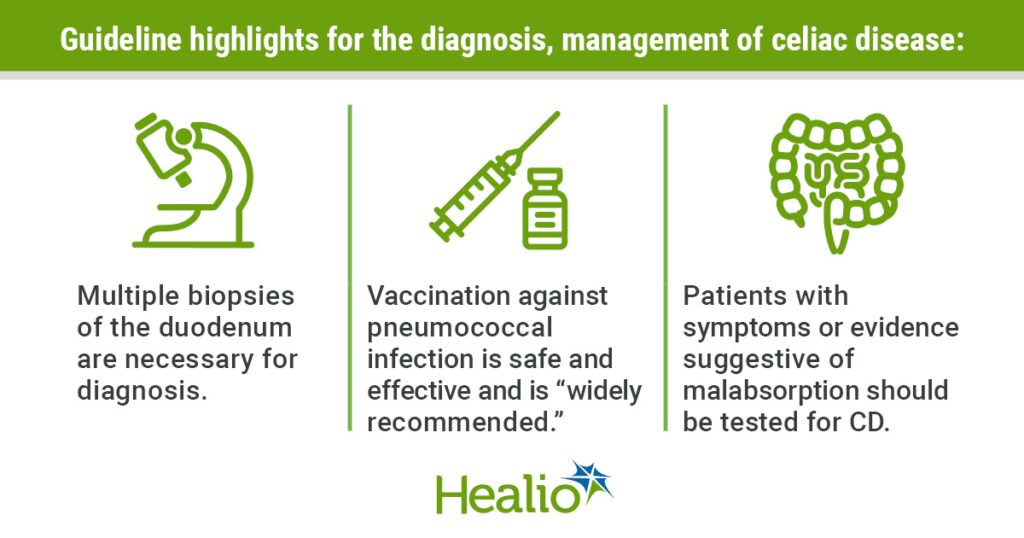
Celiac Disease is an autoimmune disorder that affects the small intestine and is triggered by the ingestion of gluten. Gluten is a protein found in wheat, barley, and rye, and it causes an immune reaction in individuals with Celiac Disease. This reaction damages the lining of the small intestine and prevents the absorption of nutrients. The exact cause of Celiac Disease is not fully understood, but it is believed to be a combination of genetic and environmental factors.
Symptoms and Diagnosis
The symptoms of Celiac Disease can vary greatly from person to person. Some common symptoms include abdominal pain, bloating, diarrhea, constipation, fatigue, and weight loss. In some cases, individuals may not experience any digestive symptoms, but instead, they may have symptoms related to other parts of the body, such as joint pain, skin rash, or numbness in the hands and feet.
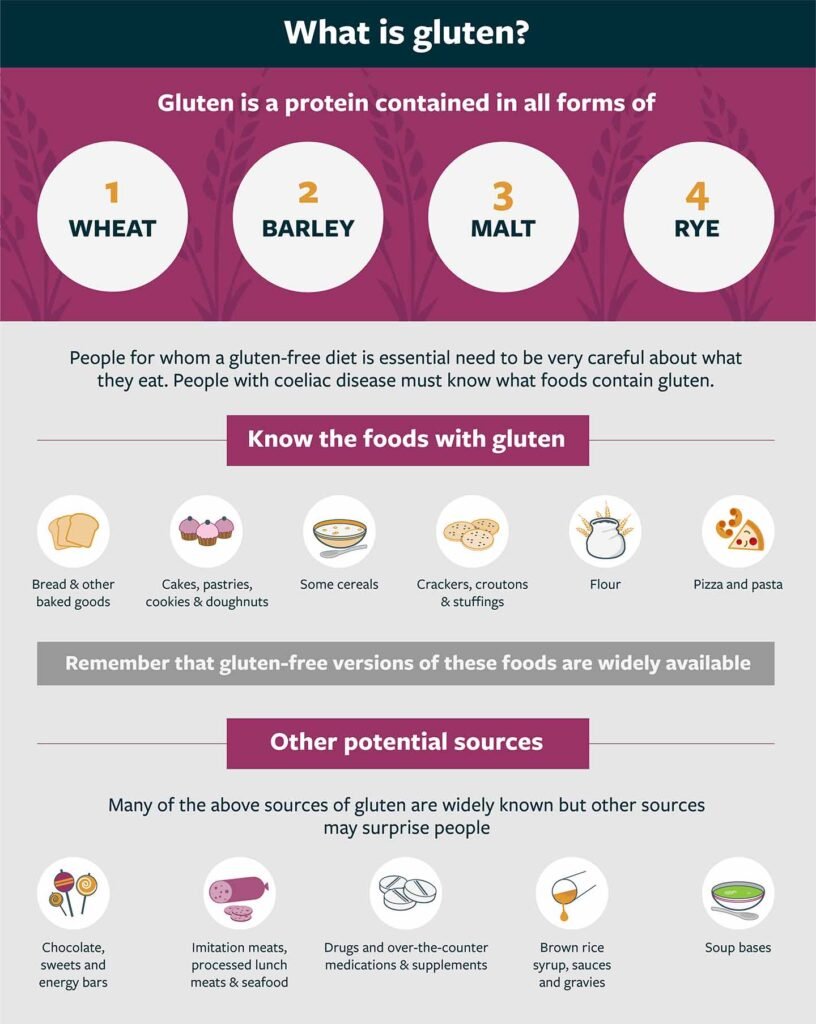
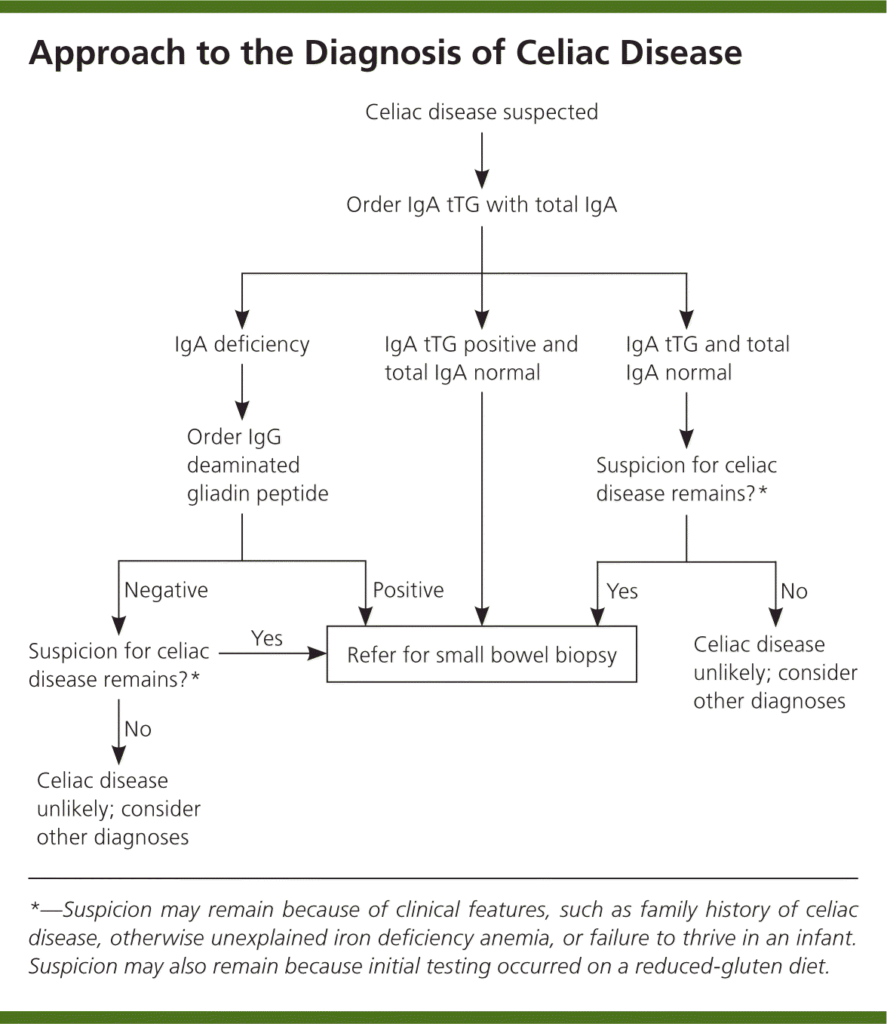
Diagnosing Celiac Disease usually involves a combination of blood tests and a biopsy of the small intestine. Blood tests can detect certain antibodies that are usually present in individuals with Celiac Disease. If these tests indicate a possibility of Celiac Disease, a biopsy is usually performed to confirm the diagnosis. During a biopsy, a small piece of tissue is taken from the small intestine and examined under a microscope for signs of damage.
Potential Complications
If left untreated, Celiac Disease can lead to various complications. One of the most serious complications is malnutrition due to the inability to absorb nutrients. This can result in deficiencies in vitamins and minerals, leading to anemia and other health issues. Long-term untreated Celiac Disease may also increase the risk of developing certain types of cancer, osteoporosis, and fertility problems.
Gluten-Free Diet
The most effective treatment for Celiac Disease is following a strict gluten-free diet. This means eliminating all sources of gluten from your diet, including foods that contain wheat, barley, and rye. It is important to carefully read food labels and look for gluten-free certifications to ensure that the food you are consuming is safe.
Eliminating Gluten
Eliminating gluten from your diet may seem challenging at first, but there are plenty of gluten-free alternatives available. Foods that are naturally gluten-free include fruits, vegetables, meat, fish, poultry, dairy, and some grains such as rice, corn, and quinoa. It is important to choose certified gluten-free products when selecting grains, flours, and processed foods to avoid cross-contamination.
Alternative Grains and Flours
There is a wide variety of alternative grains and flours that can be enjoyed on a gluten-free diet. Some popular options include rice flour, almond flour, coconut flour, and tapioca flour. These can be used as substitutes in baking, cooking, and making gluten-free pasta and bread. Experimenting with different recipes and ingredients can help you discover delicious and satisfying gluten-free alternatives.
Hidden Sources of Gluten
Gluten can hide in unexpected places, so it is crucial to be aware of potential hidden sources. Some processed foods, such as sauces, salad dressings, and soups, may contain hidden gluten ingredients. It is important to carefully read ingredient labels and look for any potential sources of gluten. Additionally, cross-contamination can occur in shared kitchen equipment and cooking utensils, so it is important to thoroughly clean and separate gluten-free items from those containing gluten.
Meal Planning and Preparation
Creating a balanced gluten-free menu is essential for maintaining a healthy and nutritious diet. It’s important to include a variety of fruits, vegetables, lean proteins, and gluten-free whole grains to ensure you are getting all the necessary nutrients. Meal planning can help you stay organized and ensure you have gluten-free options readily available.
Shopping for Gluten-Free Foods
When shopping for gluten-free foods, it’s important to choose certified gluten-free products to ensure they are safe for consumption. Many grocery stores now have dedicated gluten-free sections, making it easier to find suitable options. It’s also beneficial to develop a list of go-to brands and products that you trust. Additionally, exploring local health food stores and farmers’ markets may provide a wider selection of gluten-free products.
Safe Food Handling Practices
To prevent cross-contamination, it’s crucial to handle gluten-free foods with care. Utensils, cutting boards, and other kitchen equipment should be thoroughly cleaned before use to remove any traces of gluten. Separate storage containers and shelves can help to keep gluten-free and non-gluten-free foods properly separated. It’s also important to educate family members and roommates on safe food handling practices to reduce the risk of accidental cross-contamination.
Managing Cross-Contamination
Maintaining a gluten-free diet involves careful management of cross-contamination in both the kitchen and when eating out. It is important to keep gluten-free foods separate from those containing gluten to avoid accidental ingestion. This includes using separate cutting boards, utensils, and cooking surfaces, as well as having dedicated gluten-free storage areas in the kitchen.
Kitchen Cleaning and Utensil Handling
Regularly cleaning the kitchen is crucial to prevent cross-contamination. All surfaces, utensils, and cooking equipment should be thoroughly cleaned before and after each use. Using hot, soapy water is usually sufficient, but you may also consider using separate sponges or cleaning tools specifically designated for gluten-free items. This helps reduce the risk of gluten particles transferring to gluten-free foods.
Eating Out Safely
Eating out can be a challenge when following a gluten-free diet, but with proper precautions, it is possible to dine out safely. It is important to communicate your dietary needs to the restaurant staff and ask about gluten-free options. Some restaurants may have a separate gluten-free menu or be knowledgeable about gluten-free food preparation. It is also crucial to educate yourself about potential hidden sources of gluten, such as cross-contamination in the kitchen.