
Having been diagnosed with Glandular Fever, you may be feeling overwhelmed and unsure of how to navigate through this challenging period. In this article, we will provide you with invaluable coping strategies and recovery tips to help you manage Glandular Fever more effectively. By implementing these strategies, you can take control of your health and well-being, while also ensuring a smoother and quicker recovery.
Understanding Glandular Fever
What is Glandular Fever?
Glandular Fever, also known as infectious mononucleosis or mono, is a viral infection caused by the Epstein-Barr virus (EBV). This common infection primarily affects teenagers and young adults, although it can occur at any age. Glandular Fever is typically spread through saliva, which can be transmitted through kissing, sharing utensils or drinks, or coughing and sneezing.
Causes of Glandular Fever
As mentioned earlier, Glandular Fever is predominantly caused by the Epstein-Barr virus. This virus belongs to the herpes virus family and is incredibly contagious. It can be transmitted through close contact with an infected person, especially through saliva. Once the virus enters your body, it may take several weeks before symptoms start to appear. It is essential to note that Glandular Fever is not directly linked to poor hygiene or being in close proximity to individuals with the infection.
Symptoms of Glandular Fever
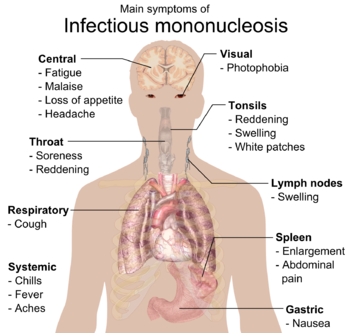
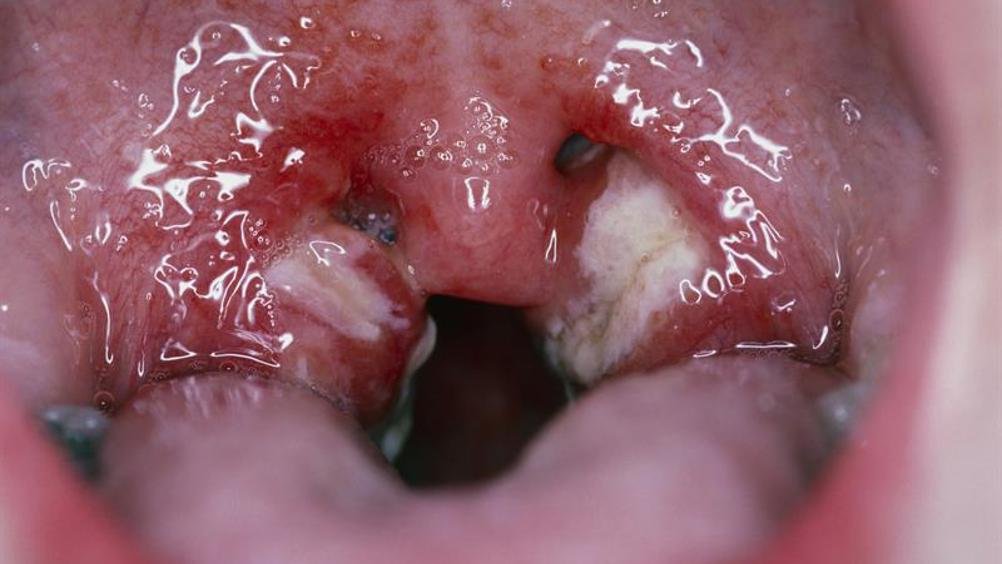
Glandular Fever can present a wide range of symptoms, which can vary from person to person. Common symptoms include extreme fatigue, fever, sore throat, swollen lymph nodes, headache, muscle aches, and loss of appetite. In some cases, a characteristic rash may also develop. Symptoms usually appear within four to six weeks after exposure to the virus and can last for several weeks. It is important to remember that symptoms can range from mild to severe, and it is crucial to seek medical attention for an accurate diagnosis and appropriate treatment.
Diagnosis and Treatment
Diagnosing Glandular Fever
To diagnose Glandular Fever, your healthcare provider will perform a physical examination and ask questions about your symptoms and medical history. They may also order blood tests to check for specific antibodies produced by your immune system in response to the Epstein-Barr virus. These tests can help confirm the diagnosis. In some cases, additional tests, such as a throat swab or a liver function test, may be recommended to rule out other possible causes of your symptoms.
Medical Treatment Options
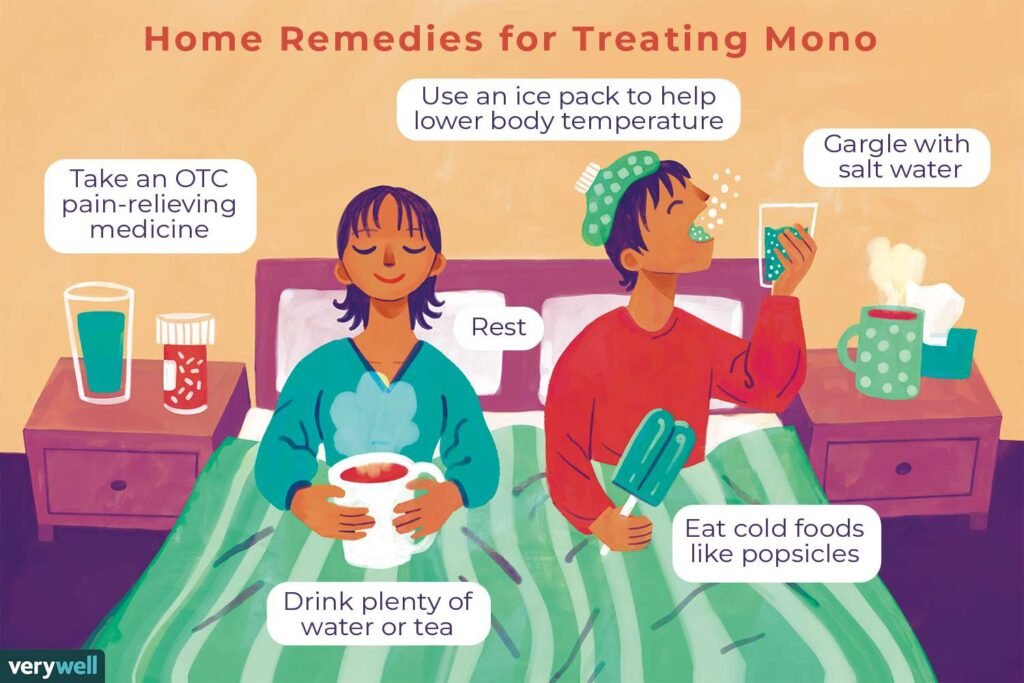
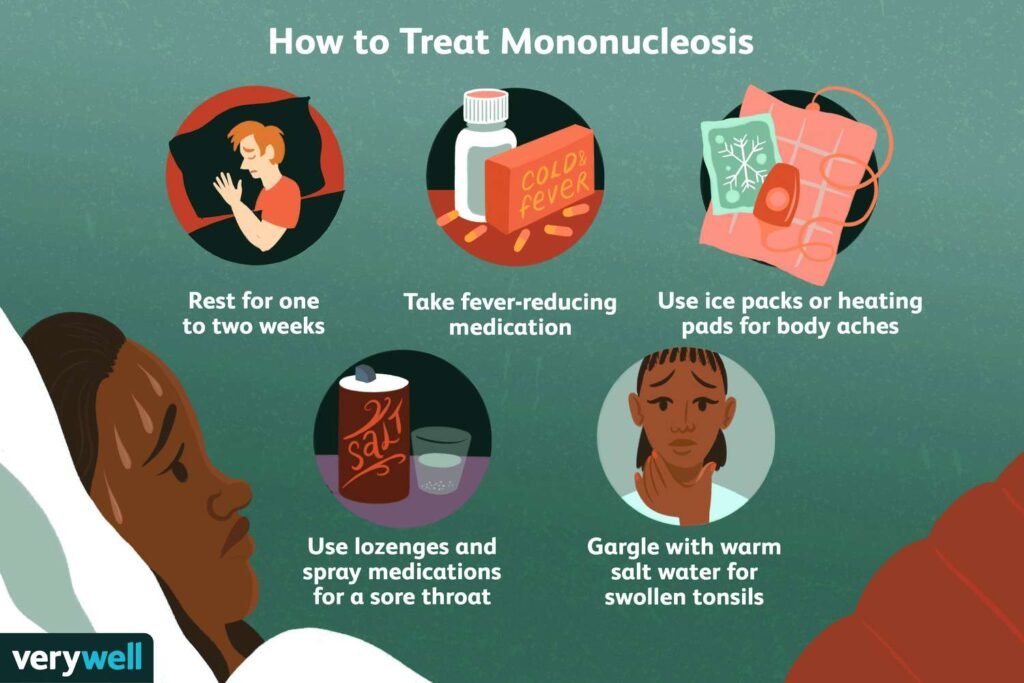
Currently, there is no specific antiviral medication to treat Glandular Fever. Treatment mainly focuses on managing the symptoms and promoting a speedy recovery. Your healthcare provider may recommend over-the-counter pain relievers, such as acetaminophen or ibuprofen, to alleviate fever, headache, and muscle pain. It is important to follow their guidance and avoid taking antibiotics unless there is an additional bacterial infection present.
Alternative Treatment Approaches
In addition to medical treatment options, alternative treatment approaches may help alleviate symptoms and support your recovery. These include using warm saltwater gargles to soothe a sore throat, drinking plenty of fluids to stay hydrated, and maintaining a healthy diet. Some people find herbs and supplements, such as echinacea or vitamin C, helpful in boosting the immune system. However, it is crucial to consult with your healthcare provider before starting any alternative treatments to ensure their safety and effectiveness.
Managing Symptoms
Rest and Sleep
Rest and sleep play a vital role in your recovery from Glandular Fever. The infection can cause extreme fatigue, and getting enough restorative sleep can help your body fight off the virus more effectively. It is essential to listen to your body and give yourself permission to rest when needed. Taking short breaks throughout the day and ensuring you have a consistent sleep schedule can aid in managing fatigue and promoting a faster recovery.
Hydration and Nutrition
Proper hydration and balanced nutrition are essential for maintaining your overall well-being and supporting your immune system. It is important to drink plenty of fluids, especially water and herbal teas, to stay hydrated. Avoiding caffeinated and sugary beverages is recommended as they can potentially exacerbate symptoms. Additionally, consuming a nutritious diet that includes fruits, vegetables, lean proteins, and whole grains can provide the necessary nutrients to strengthen your immune system and aid in the recovery process.
Pain Management
Glandular Fever can cause various uncomfortable symptoms, such as sore throat and muscle aches. Over-the-counter pain relievers, as suggested by your healthcare provider, can help manage these symptoms. Additionally, gargling with warm saltwater or using throat lozenges can provide temporary relief for a sore throat. Applying a warm compress or taking a warm bath may help soothe muscle pain. It is essential to consult with your healthcare provider before using any medications or remedies to ensure their suitability for your specific situation.
Emotional and Mental Well-being
Understanding Emotional Impact
Dealing with Glandular Fever can be emotionally challenging. The physical symptoms, prolonged recovery process, and potential disruptions to daily life can significantly impact your emotional well-being. It is common to experience feelings of frustration, sadness, or anxiety during this time. It is important to recognize and understand these emotions as a normal part of the recovery process. Being kind to yourself and seeking support can help alleviate emotional distress and promote a positive mindset.
Seeking Support
It is crucial to reach out for support when dealing with Glandular Fever. Talking to friends, family members, or a trusted counselor can provide a listening ear and emotional support. They can also help with practical matters, such as running errands or assisting with daily tasks when you may not have the energy to do so. If you find it challenging to cope with your emotions, consider seeking professional help from a therapist specializing in mental health or chronic illness.
Coping with Anxiety and Depression
If you experience prolonged feelings of anxiety or depression during your recovery from Glandular Fever, it is essential to seek professional help. A mental health professional can provide guidance and support to help manage these conditions. Additionally, practicing stress-reducing techniques, such as deep breathing exercises, meditation, and engaging in activities you enjoy, can help alleviate anxiety and lift your mood. Remember, it is not uncommon to experience emotional ups and downs during this time, and seeking professional help is a sign of strength and self-care.

Gradual Return to Normal Activities
The Importance of Gradual Recovery
After being diagnosed with Glandular Fever, it is essential to allow yourself ample time to recover fully before resuming normal activities. Pushing yourself too quickly can prolong your recovery or lead to relapses. Gradually easing back into your regular routine can help prevent setbacks and ensure a smoother transition to your pre-illness level of functioning. It is important to listen to your body, pace yourself, and be patient during this phase of recovery.
Planning and Prioritizing
Prioritizing activities and planning your schedule can be helpful during the gradual return to normal activities. Start by engaging in low-energy tasks and gradually increase your level of activity as you feel more capable. It can be beneficial to break tasks into smaller, manageable chunks and spread them out throughout the day. Learning to delegate and ask for help when needed can also alleviate stress and prevent overexertion.
Work and School Considerations
Returning to work or school after having Glandular Fever may require some adjustments. It is important to communicate with your employer, teacher, or school administration about your condition and potential accommodations needed. Flexible work or school hours, reduced workload or class time, and the option to work or study from home can support your recovery. It is crucial to advocate for your needs and collaborate with your support system to minimize stress and facilitate a successful reintegration into work or school life.
Preventing Complications
Monitoring for Potential Complications
While Glandular Fever typically resolves on its own, there is a risk of potential complications. It is important to monitor your symptoms and seek medical attention if you experience severe abdominal pain, difficulty breathing, or a significant increase in symptoms. Additionally, if you notice yellowing of the skin or eyes, persistent fever, or a rash that worsens over time, it is crucial to consult your healthcare provider immediately. They can evaluate your symptoms and determine if further medical intervention is necessary.
Preventing Relapses
To prevent relapses and aid in a full recovery from Glandular Fever, it is important to prioritize self-care and adopt healthy lifestyle habits. Avoid pushing yourself too hard or engaging in strenuous activities before you are fully recovered. Slowly reintroduce exercise and physical activity, ensuring you listen to your body and gradually increase intensity and duration. Focus on stress management techniques, such as mindfulness, relaxation exercises, or engaging in hobbies that bring you joy. Maintaining a healthy lifestyle, including good nutrition, regular sleep patterns, and practicing good hygiene, can also play a significant role in preventing relapses and promoting overall well-being.
Supportive Lifestyle Choices
Exercise and Physical Activity
Engaging in regular exercise and physical activity can be beneficial for your overall recovery from Glandular Fever. Start with low-impact activities such as walking, yoga, or swimming, gradually increasing intensity and duration as your energy levels improve. It is crucial to listen to your body and avoid pushing yourself too hard to prevent setbacks. If you experience significant fatigue or increased symptoms following exercise, it is important to scale back and rest.
Stress Management Techniques
Managing stress is essential during your recovery from Glandular Fever. Chronic stress can negatively impact your immune system and prolong your recovery time. Incorporating stress management techniques into your daily routine can help reduce anxiety and promote a faster recovery. Consider practicing mindfulness, deep breathing exercises, journaling, or engaging in activities that promote relaxation and well-being. It is important to find what works best for you and prioritize self-care.
Maintaining a Healthy Lifestyle
Maintaining a healthy lifestyle can greatly support your recovery from Glandular Fever. This includes eating a balanced diet rich in fruits, vegetables, whole grains, and lean proteins to provide your body with essential nutrients. It is important to stay hydrated by drinking plenty of water and avoiding sugary or caffeinated beverages. Getting enough restorative sleep and practicing good hygiene, such as washing hands frequently, can also contribute to your overall well-being and aid in a speedy recovery.
Long-Term Recovery and Follow-Up
Monitoring Fatigue Levels
Fatigue can persist for several weeks or even months following Glandular Fever. It is essential to monitor your energy levels and listen to your body. Gradually increase your level of activity as you feel more capable but be mindful of any signs of overexertion. If fatigue continues to significantly impact your daily life or worsen over time, it is crucial to consult with your healthcare provider for further evaluation and guidance.
Ongoing Medical Checkups
Regular follow-up appointments with your healthcare provider are important for monitoring your recovery progress and addressing any ongoing concerns. They can assess your symptoms, review your blood test results, and provide guidance specific to your situation. These appointments also provide an opportunity to discuss any new or persistent symptoms, inquire about potential lifestyle adjustments, and ensure your long-term well-being.
Long-Term Lifestyle Adjustments
While most people recover fully from Glandular Fever, it is possible to experience lingering symptoms or long-term lifestyle adjustments. Understanding your body’s limits and making necessary modifications to your daily routine can promote a healthy and balanced lifestyle. This may include allocating time for rest and self-care, modifying exercise intensity or frequency, and prioritizing stress management techniques. It is important to remember that every individual’s recovery journey is unique, and it is essential to make decisions that align with your specific needs and capabilities.
Managing Glandular Fever in Children and Adolescents
Unique Considerations for Younger Patients
Managing Glandular Fever in children and adolescents requires special attention and consideration. Younger patients may have difficulty understanding and communicating their symptoms, which can make diagnosis and treatment more challenging. It is essential for parents and caregivers to observe changes in behavior, sleep patterns, and appetite, as these may indicate the presence of Glandular Fever. Additionally, younger patients may need extra support and assurance to cope with the potentially prolonged recovery period.
Supporting their Emotional Needs
Children and adolescents with Glandular Fever may experience emotional distress due to the physical symptoms and disruption of their daily routine. It is crucial for parents and caregivers to provide reassurance, validate their feelings, and create a supportive environment. Encouraging open communication and providing age-appropriate explanations about the illness can help them better understand and cope with their emotions. Additionally, involving them in the decision-making process regarding their recovery can empower them and foster a sense of control.
School and Education Accommodations
Glandular Fever can significantly affect a child or adolescent’s ability to attend school and keep up with their academic responsibilities. It is vital for parents to communicate with the school administration about the child’s condition and collaborate on suitable accommodations. These might include flexible attendance policies, reduced workload, modified physical education classes, or home tutoring until the child is fully recovered. By working together, parents, teachers, and school staff can ensure the child’s academic progress is supported while allowing them the necessary time for rest and recovery.
Frequently Asked Questions
Can Glandular Fever Recur?
Glandular Fever is caused by the Epstein-Barr virus, and once you have been infected, the virus remains in your body for life. However, it is rare for Glandular Fever to recur. Once you have recovered, your immune system develops antibodies that provide long-term protection against future infections. It is important to note that while a recurrence of Glandular Fever is unlikely, other viruses can still cause similar symptoms if you come into contact with them.
How Long Does Recovery Take?
The recovery time for Glandular Fever varies from person to person. While some individuals may start feeling better within a few weeks, others may experience symptoms for several months. It is crucial to listen to your body and pace yourself during recovery. Pushing yourself too hard or engaging in strenuous activities before you are fully recovered can prolong the recovery process. If you have concerns about the duration of your recovery, it is best to consult with your healthcare provider.
Are There Any Long-Term Effects?
In most cases, Glandular Fever does not have any long-term effects. However, in some rare instances, individuals may experience prolonged fatigue or other lingering symptoms. This condition, known as chronic fatigue syndrome (CFS) or post-viral fatigue syndrome (PVFS), can last for months or even years. If you continue to experience significant fatigue or other persistent symptoms following Glandular Fever, it is important to consult with your healthcare provider for further evaluation and appropriate management.