
You probably haven’t given much thought to glandular fever, but it’s a viral infection that you definitely want to avoid. Also known as mononucleosis, it’s a common illness that can leave you feeling exhausted for weeks. But don’t worry, there are simple steps you can take to protect yourself. In this article, we’ll share some friendly tips on how to prevent glandular fever and keep yourself healthy and energized. So, grab a cup of tea and get ready to learn how to dodge this unwanted virus.
Preventing Glandular Fever: Tips to Avoid the Virus
Glandular Fever, also known as infectious mononucleosis or “mono,” is a viral infection caused by the Epstein-Barr virus (EBV). It is primarily transmitted through contact with the saliva of an infected person, such as through kissing or sharing drinking glasses or utensils. Preventing glandular fever is crucial to avoid the many discomforts and health complications associated with this illness. By following some simple tips and practicing good hygiene, you can greatly reduce your chances of contracting the virus.
Understanding Glandular Fever
Before we delve into preventive measures, it is essential to have a basic understanding of glandular fever. Glandular Fever is a common viral illness that mainly affects teenagers and young adults. It is characterized by symptoms such as fatigue, sore throat, swollen glands, fever, headaches, muscle and joint pain, and a skin rash. The virus can remain in the body for months or even years after the initial infection, leading to occasional sporadic episodes of illness.
Know the Common Symptoms
Being aware of the typical symptoms can help you identify if you or someone you know may have glandular fever. The most common symptoms include frequent fatigue and exhaustion, sore throat, swollen glands in the neck and armpits, fever, headaches, muscle and joint pain, and occasionally a skin rash. If you experience any of these symptoms, it is important to seek medical advice and get a proper diagnosis.
Maintain Basic Hygiene
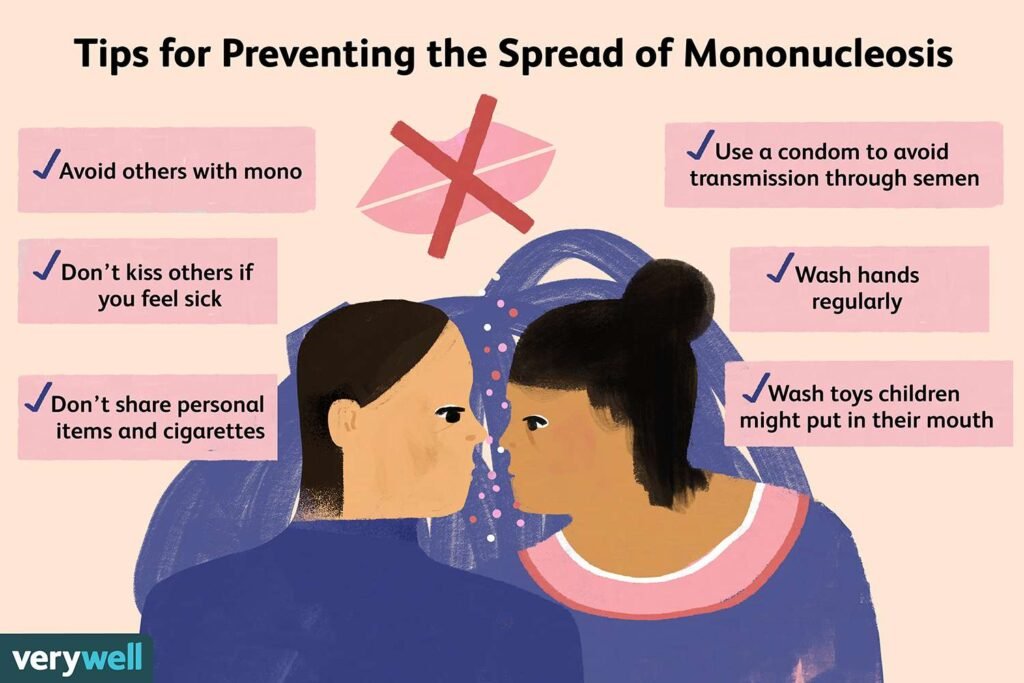
Practicing good hygiene is one of the simplest ways to prevent the spread of any viral infection, including glandular fever. Make sure to wash your hands thoroughly and frequently with soap and water for at least 20 seconds. This is especially important before eating, after using the restroom, and after coughing or sneezing. Avoid touching your face, as this can transmit the virus from contaminated surfaces to your mouth or nose.
Avoid Close Contact with Infected Individuals
Since glandular fever is primarily transmitted through saliva, it is important to avoid close contact with individuals who are infected. If you know someone who has been diagnosed with glandular fever, it is best to stay away from them until they have fully recovered. Avoid sharing personal items such as drinking glasses, eating utensils, toothbrushes, or razors. Additionally, try to limit physical contact, such as handshakes or hugging, with infected individuals.

Practice Safe Sexual Behavior
Glandular fever can also be transmitted through sexual contact, so practicing safe sexual behavior is essential in preventing the virus. Use condoms consistently and correctly to reduce the risk of transmission. It is also advisable to limit the number of sexual partners and to get regular check-ups for sexually transmitted infections (STIs).
Take Precautions in Sharing Personal Items
Sharing personal items can increase the risk of glandular fever transmission. Avoid sharing eating utensils, drinking glasses, or water bottles with others, especially if they are infected or showing symptoms of illness. Similarly, refrain from sharing toothbrushes, razors, or any items that come into contact with saliva or blood. If sharing is necessary, make sure to thoroughly clean and sanitize the items afterward.

Disinfect Surfaces Regularly
Keeping commonly touched surfaces clean and disinfected can help prevent the spread of glandular fever. Use disinfectant sprays or wipes to clean surfaces such as doorknobs, light switches, countertops, and electronic devices. Pay special attention to areas that are frequently touched by multiple people, such as in communal areas or shared living spaces.
Boost Your Immune System
Maintaining a strong immune system is crucial in preventing any viral infection. Eat a balanced and nutrient-rich diet that includes a variety of fruits, vegetables, lean proteins, whole grains, and healthy fats. Stay hydrated by drinking plenty of water throughout the day. Aim for at least 7-8 hours of quality sleep each night, as sleep deprivation can weaken the immune system. Avoid smoking and excessive alcohol consumption, as they can impair immune function. Consider taking vitamin supplements to ensure you are meeting your daily nutritional needs.
Manage Stress Levels
Chronic stress can weaken the immune system, making you more susceptible to infections, including glandular fever. Find healthy ways to manage your stress levels, such as practicing relaxation techniques, engaging in hobbies or activities you enjoy, and maintaining social connections. Take time for self-care and prioritize your mental and emotional well-being.
Stay Active and Exercise Regularly
Regular physical activity has numerous benefits for overall health, including boosting the immune system. Engage in moderate-intensity exercise for at least 150 minutes per week, or vigorous-intensity exercise for 75 minutes per week. Incorporate a variety of activities, such as walking, jogging, cycling, or strength training, to keep your body strong and resilient against infections.
Maintain a Balanced Diet
A balanced diet plays a crucial role in overall health and immune function. Include a variety of fruits and vegetables in your meals to provide essential vitamins, minerals, and antioxidants. Consume lean proteins, such as poultry, fish, beans, and tofu, to support muscle health and immune function. Limit processed and sugary foods, as they can contribute to inflammation and weaken the immune system. Lastly, remember to stay adequately hydrated by drinking enough water throughout the day.
By following these tips and incorporating them into your daily routine, you can significantly reduce the risk of contracting glandular fever. Prioritize good hygiene, avoid close contact with infected individuals, practice safe sexual behavior, disinfect surfaces regularly, and maintain a healthy lifestyle. Remember, prevention is always better than cure, and by taking proactive measures, you can protect yourself and others from the discomforts and complications of glandular fever.