
Are you worried about your high LDL cholesterol levels? If so, you’re not alone. Many people struggle with managing their cholesterol levels, particularly their LDL (low-density lipoprotein) cholesterol. LDL cholesterol is often referred to as “bad” cholesterol because high levels of it can lead to an increased risk of heart disease and other cardiovascular problems. Fortunately, there are steps you can take to effectively manage your high LDL cholesterol levels and improve your overall heart health. In this article, we will explore some practical tips and lifestyle changes that can help you keep your cholesterol in check and promote a healthier heart. So let’s get started on the path to better cholesterol management and a happier, healthier you!
Understanding High LDL Cholesterol Levels
Definition
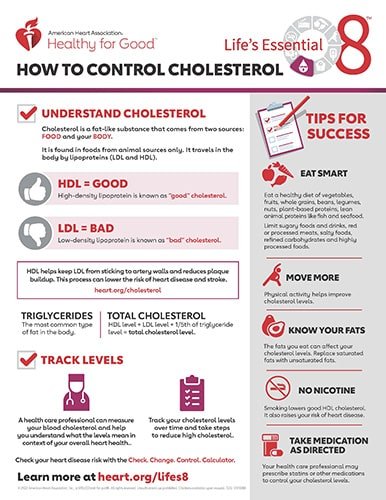
LDL cholesterol, also known as “bad” cholesterol, refers to low-density lipoprotein particles that carry cholesterol from the liver to the rest of the body. Having high levels of LDL cholesterol can increase your risk of developing heart disease and stroke.
Causes
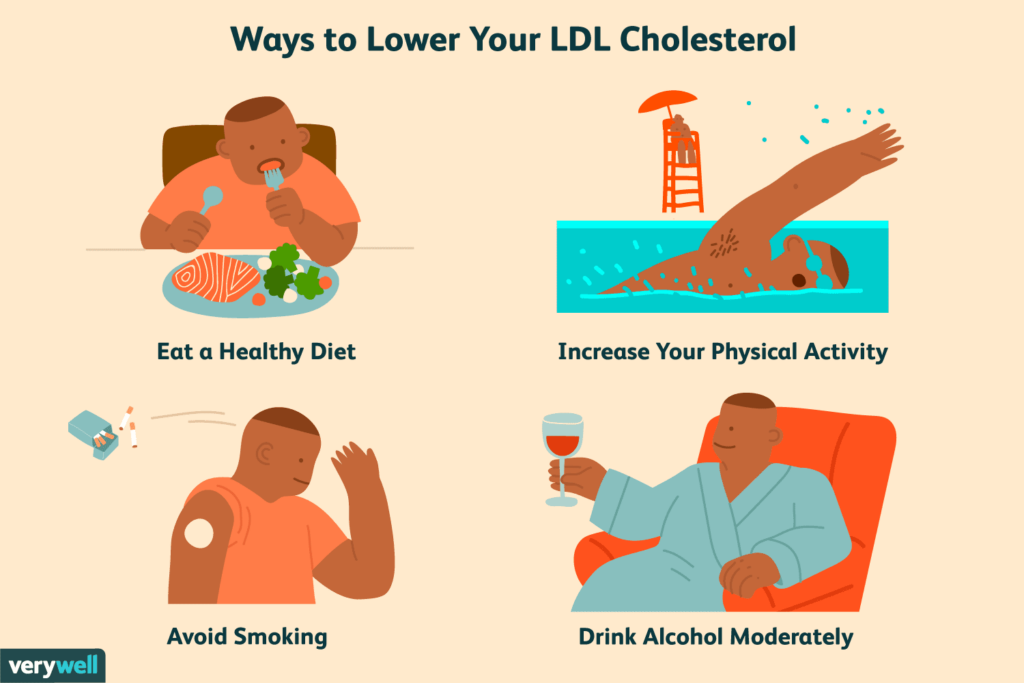
There are several factors that can contribute to high LDL cholesterol levels. These include a diet high in saturated fats and trans fats, being overweight or obese, lack of physical activity, smoking, and certain medical conditions such as diabetes and hypothyroidism.
Health Risks
High levels of LDL cholesterol can lead to the buildup of plaque in your arteries, a condition called atherosclerosis. This can restrict blood flow and increase your risk of heart attack, stroke, and peripheral artery disease. It is important to manage your LDL cholesterol levels to maintain good heart health.
Diagnosis
Cholesterol Testing
To determine your LDL cholesterol levels, a healthcare professional may order a blood test called a lipid panel or a cholesterol panel. This test measures your total cholesterol, LDL cholesterol, HDL cholesterol, and triglycerides. It is usually recommended to fast for at least 9-12 hours before the test for accurate results.
Interpreting Results
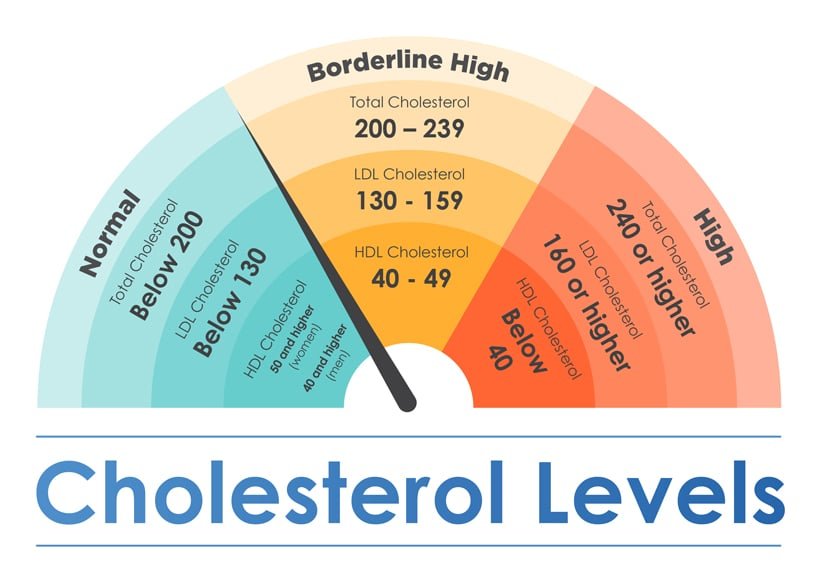
When interpreting your cholesterol test results, your healthcare provider will focus on your LDL cholesterol levels. Generally, LDL cholesterol levels should be below 100 mg/dL (2.59 mmol/L) for optimal heart health. However, the target level may vary depending on your overall cardiovascular risk factors.
Lifestyle Changes for Managing High LDL Cholesterol
Healthy Diet
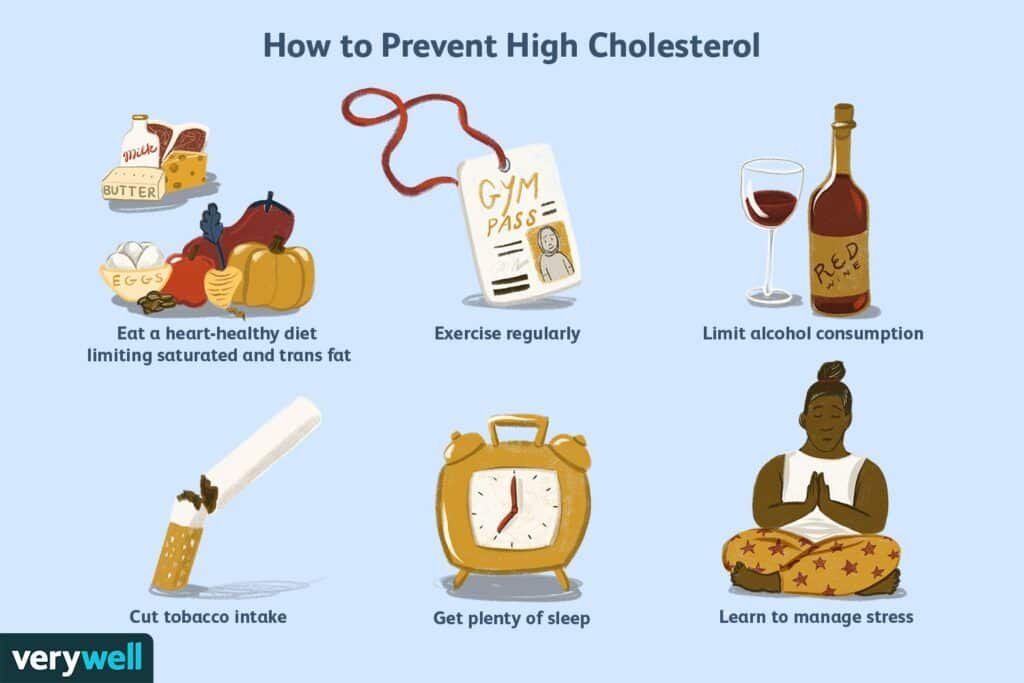
A healthy diet is crucial for managing high LDL cholesterol. Opt for a diet that is low in saturated fats and trans fats, and high in fruits, vegetables, whole grains, and lean proteins. Incorporate heart-healthy fats like olive oil, nuts, and avocados. Limit your intake of sugary foods and beverages, and opt for low-fat or fat-free dairy products.
Weight Management
Maintaining a healthy weight is essential for managing high LDL cholesterol levels. Losing excess weight can help lower your LDL cholesterol and improve your overall cardiovascular health. Focus on adopting a balanced and sustainable approach to weight loss, incorporating both dietary changes and regular physical activity.
Regular Exercise
Regular physical activity can have a significant impact on your LDL cholesterol levels. Aim for at least 150 minutes of moderate-intensity aerobic activity or 75 minutes of vigorous-intensity aerobic activity each week. Additionally, incorporate strength training exercises into your routine to further improve your cardiovascular health.
Medications for Lowering LDL Cholesterol
Statins
Statins are a commonly prescribed medication for lowering LDL cholesterol. They work by inhibiting an enzyme involved in cholesterol production in the liver. Statins not only lower LDL cholesterol but also have potential benefits in reducing the risk of heart attack and stroke.
Bile Acid Sequestrants
Bile acid sequestrants are another class of medications that can help lower LDL cholesterol levels. They work by binding to bile acids in the intestines, preventing their reabsorption and causing the liver to use more cholesterol to produce new bile acids. This process lowers the amount of cholesterol in the bloodstream.
PCSK9 Inhibitors
PCSK9 inhibitors are a newer class of medications that are used in individuals with very high LDL cholesterol levels or those who are intolerant to statins. They work by blocking the PCSK9 protein, which regulates the liver’s ability to remove LDL cholesterol from the bloodstream. By inhibiting PCSK9, these medications help lower LDL cholesterol levels.
Fibrates
Fibrates are medications primarily used to lower triglyceride levels. However, they can also have a modest impact on lowering LDL cholesterol levels. Fibrates work by increasing the breakdown of triglycerides and promoting the clearance of LDL cholesterol from the bloodstream.
Niacin
Niacin, also known as vitamin B3, is a medication that can lower LDL cholesterol and increase HDL cholesterol. It works by inhibiting the liver’s production of certain lipoproteins, including LDL cholesterol. Niacin is typically used in conjunction with other cholesterol-lowering medications and under the supervision of a healthcare professional.
Natural Remedies and Supplements
Plant Sterols and Stanols
Plant sterols and stanols are natural substances found in certain fruits, vegetables, and grains. They have been shown to lower LDL cholesterol levels by reducing its absorption in the intestines. Plant sterols and stanols are often added to certain foods and dietary supplements marketed for cholesterol management.
Omega-3 Fatty Acids
Omega-3 fatty acids, found in fatty fish like salmon and mackerel, as well as walnuts and flaxseeds, have been shown to have heart-healthy benefits. They can help reduce inflammation, lower triglyceride levels, and may have a modest impact on lowering LDL cholesterol levels.
Garlic
Garlic has been used for centuries for its potential health benefits. Some studies suggest that garlic may have a modest impact on lowering LDL cholesterol levels. However, more research is needed to fully understand its effectiveness and determine optimal doses.
Red Yeast Rice
Red yeast rice is a dietary supplement made from fermented rice. It contains natural compounds that are similar to statins and may have a similar cholesterol-lowering effect. However, it is important to consult with a healthcare professional before starting red yeast rice as it can interact with other medications and may have side effects.
Managing High LDL Cholesterol through Diet
Foods to Limit
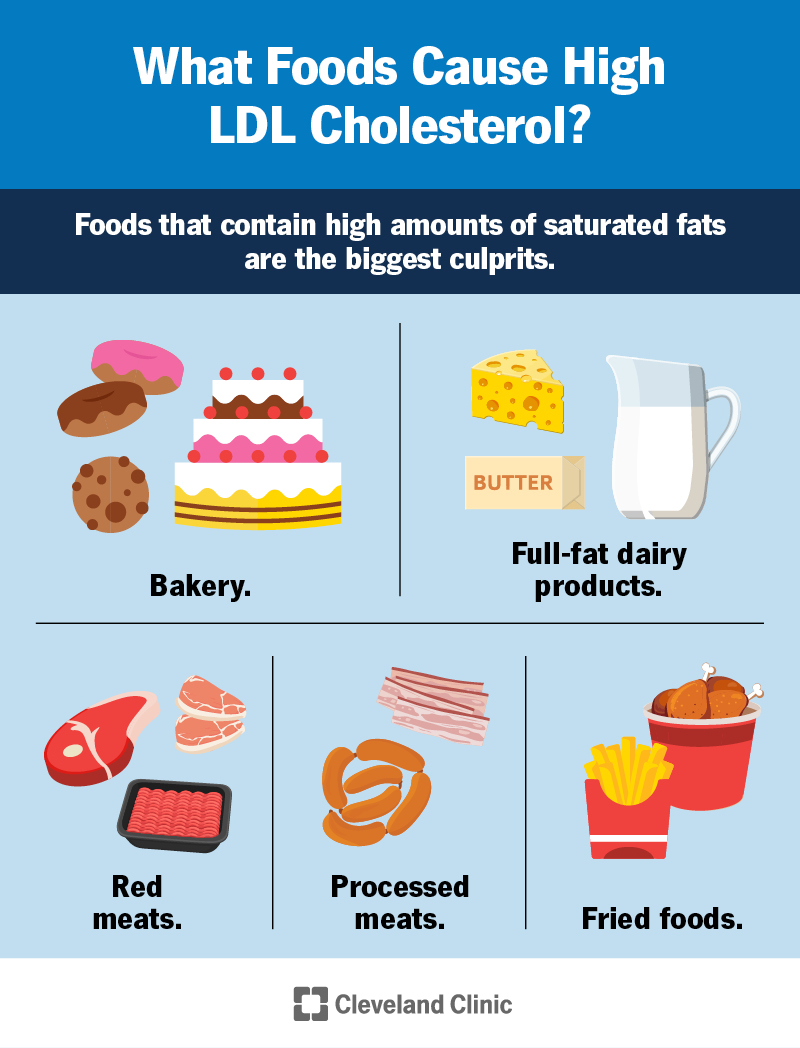
To manage high LDL cholesterol, it is important to limit your intake of foods high in saturated fats and trans fats. These include fatty cuts of meat, full-fat dairy products, fried foods, processed snacks, and baked goods made with hydrogenated oils. Additionally, reduce your consumption of foods high in cholesterol, such as organ meats and shellfish.
Foods to Include
Incorporate foods that can help lower LDL cholesterol levels into your diet. These include fruits and vegetables, whole grains, legumes, fatty fish, nuts and seeds, and plant sterol or stanol-enriched foods. These foods are rich in fiber, antioxidants, and heart-healthy fats, which can have a positive impact on your cholesterol levels.
Meal Planning and Preparation
To effectively manage high LDL cholesterol, consider meal planning and preparation. This can help you make healthier food choices and avoid relying on unhealthy options when you are pressed for time. Plan meals that include a variety of nutrient-rich foods and focus on cooking methods such as grilling, steaming, baking, or sautéing with minimal added fats.
Exercise and Physical Activity
Aerobic Exercise
Engaging in aerobic exercise is an excellent way to improve your cardiovascular health and manage high LDL cholesterol levels. Activities such as brisk walking, cycling, swimming, and jogging can help increase your heart rate, strengthen your heart and lungs, and improve your cholesterol profile.
Resistance Training
Incorporating resistance training into your exercise routine can also be beneficial for managing high LDL cholesterol. Resistance exercises, such as weightlifting, using resistance bands, or bodyweight exercises, help build lean muscle mass. Muscle is metabolically active, which means it helps burn calories and improves your overall metabolism.
Incorporating Physical Activity into Daily Routine
It’s important to remember that physical activity doesn’t have to be limited to traditional exercise sessions. Find ways to incorporate movement into your daily routine, such as taking the stairs instead of the elevator, parking farther away from your destination, or going for short walks during breaks. Small changes can add up and contribute to better heart health.
Stress Management and Mental Health
Stress Relief Techniques
Chronic stress can have a negative impact on your cholesterol levels and overall cardiovascular health. Engaging in stress relief techniques, such as deep breathing exercises, meditation, yoga, and engaging in hobbies or activities you enjoy, can help reduce stress levels and promote better heart health.
Meditation and Mindfulness
Practicing meditation and mindfulness can be particularly beneficial for managing stress and improving mental well-being. These practices involve focusing your attention on the present moment and cultivating a non-judgmental awareness of your thoughts and emotions. Regular meditation or mindfulness practice can help lower stress levels and support heart health.
Coping with Anxiety and Depression
Anxiety and depression can have an impact on cholesterol levels and overall heart health. If you are experiencing symptoms of anxiety or depression, it is important to seek support from a healthcare professional. They can provide appropriate treatment options, such as therapy or medication, to help manage these conditions and support your overall well-being.
Importance of Regular Monitoring
Follow-up Cholesterol Testing
Regular follow-up cholesterol testing is essential for monitoring your progress in managing high LDL cholesterol levels. Your healthcare provider may recommend periodic lipid panels to assess changes in your cholesterol levels and evaluate the effectiveness of lifestyle changes or medication interventions.
Tracking Lifestyle Changes and Medications
Keeping track of your lifestyle changes, including dietary modifications, physical activity, and any medications you are taking, can help you stay on top of managing your high LDL cholesterol. Consider using a journal or a mobile app to document your progress and share this information with your healthcare provider during follow-up appointments.
Collaboration with Healthcare Professionals
Working with a General Practitioner
Your general practitioner plays a crucial role in managing your high LDL cholesterol levels. They can provide guidance on lifestyle changes, monitor your cholesterol levels, prescribe medications if necessary, and coordinate your care with other specialists if needed. It is important to maintain regular communication with your general practitioner to ensure your cholesterol management plan is effective.
Consulting a Lipid Specialist
In some cases, working with a lipid specialist may be necessary, especially if you have very high LDL cholesterol levels or if your response to lifestyle modifications and medications is not sufficient. A lipid specialist is a healthcare professional with expertise in managing lipid disorders and can provide specialized care and treatment options tailored to your specific needs.
By understanding high LDL cholesterol levels, making lifestyle changes, considering medication options, and collaborating with healthcare professionals, you can effectively manage your cholesterol levels and reduce your risk of heart disease. Remember, it’s never too late to take charge of your heart health and prioritize your well-being.