
You may not realize it, but the levels of LDL cholesterol in your body can pose a serious threat to your overall health. High levels of LDL, also known as “bad” cholesterol, can lead to a variety of dangerous conditions, including heart disease and stroke. This article will explore the risks associated with high LDL cholesterol and provide you with valuable information on how to keep your levels in check. So sit back, relax, and let’s dive into the world of cholesterol and its potential dangers.
Overview of LDL Cholesterol
Definition and Function of LDL Cholesterol
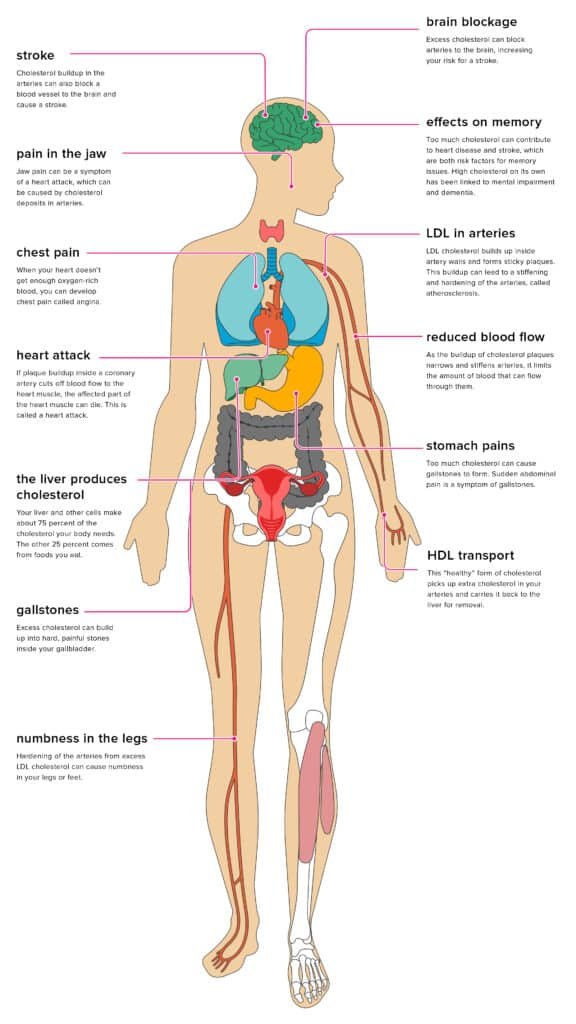
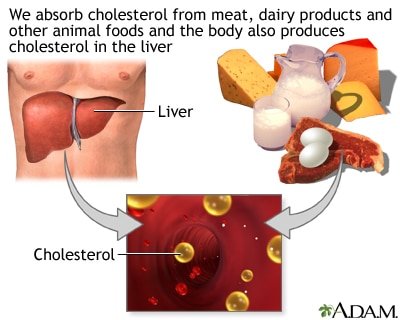
LDL cholesterol, also known as low-density lipoprotein cholesterol, is a type of cholesterol that plays a crucial role in our body. Cholesterol is a wax-like substance that is produced by the liver and also obtained from the food we consume. LDL cholesterol is responsible for transporting cholesterol from the liver to the cells throughout our body.
While cholesterol is essential for various bodily functions, an excess of LDL cholesterol can lead to health complications. This is because LDL cholesterol is commonly referred to as “bad cholesterol” due to its association with an increased risk of cardiovascular diseases.
Sources of LDL Cholesterol in the Body
Our body has a remarkable ability to produce and regulate cholesterol levels. The liver produces about 70% of the cholesterol present in our body, while the remaining 30% comes from the food we eat. High levels of LDL cholesterol can occur when the liver produces an excess amount or when we consume foods that are rich in saturated and trans fats.
Understanding High LDL Cholesterol
Normal LDL Cholesterol Levels
Before delving into the causes and risks associated with high LDL cholesterol, it is crucial to understand what is considered to be normal levels. It is generally recommended to maintain LDL cholesterol levels below 100 mg/dL (milligrams per deciliter) for individuals at low risk of developing heart disease. For individuals at high risk, the target LDL cholesterol level is below 70 mg/dL.
Causes of High LDL Cholesterol
There are several factors that can contribute to elevated levels of LDL cholesterol. These include:
-
Diet: Consuming a diet high in saturated and trans fats can increase LDL cholesterol levels. Foods such as red meat, full-fat dairy products, fried foods, and baked goods often contain high amounts of these unhealthy fats.
-
Sedentary Lifestyle: Lack of physical activity can negatively impact cholesterol levels. Regular exercise promotes the production of HDL cholesterol (good cholesterol) while lowering LDL cholesterol levels.
-
Genetics: In some individuals, high LDL cholesterol levels may be genetically determined. This condition is known as familial hypercholesterolemia and often requires medical intervention for cholesterol management.
-
Obesity: Being overweight or obese can contribute to high levels of LDL cholesterol. Additionally, excess body fat can lead to insulin resistance, which further increases the risk of cardiovascular diseases.
Health Risks Associated with High LDL Cholesterol
Cardiovascular Diseases
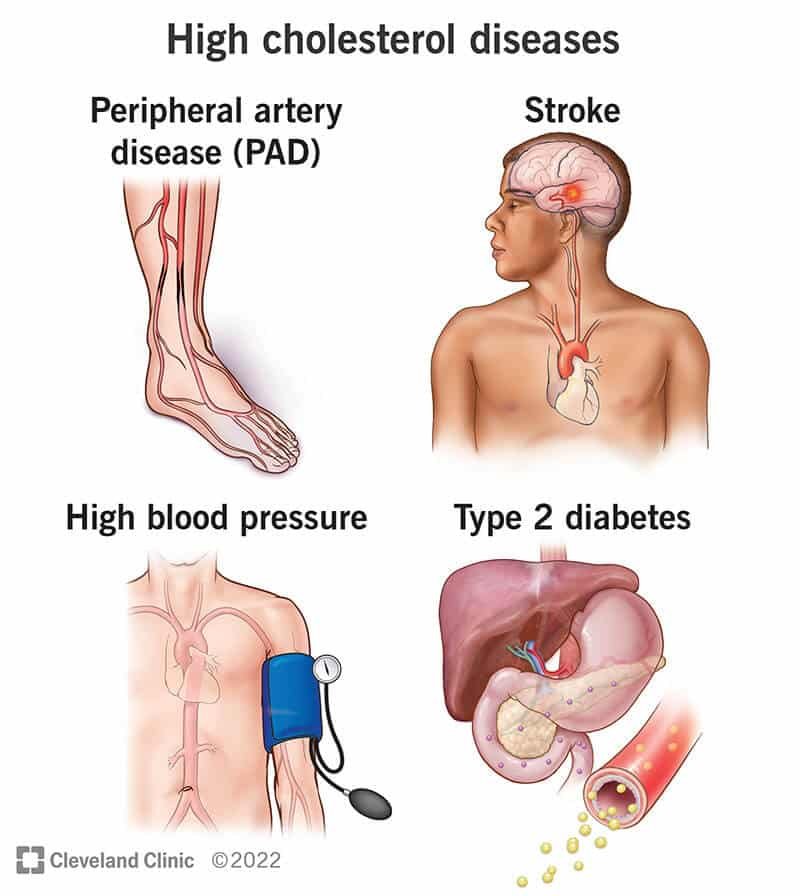
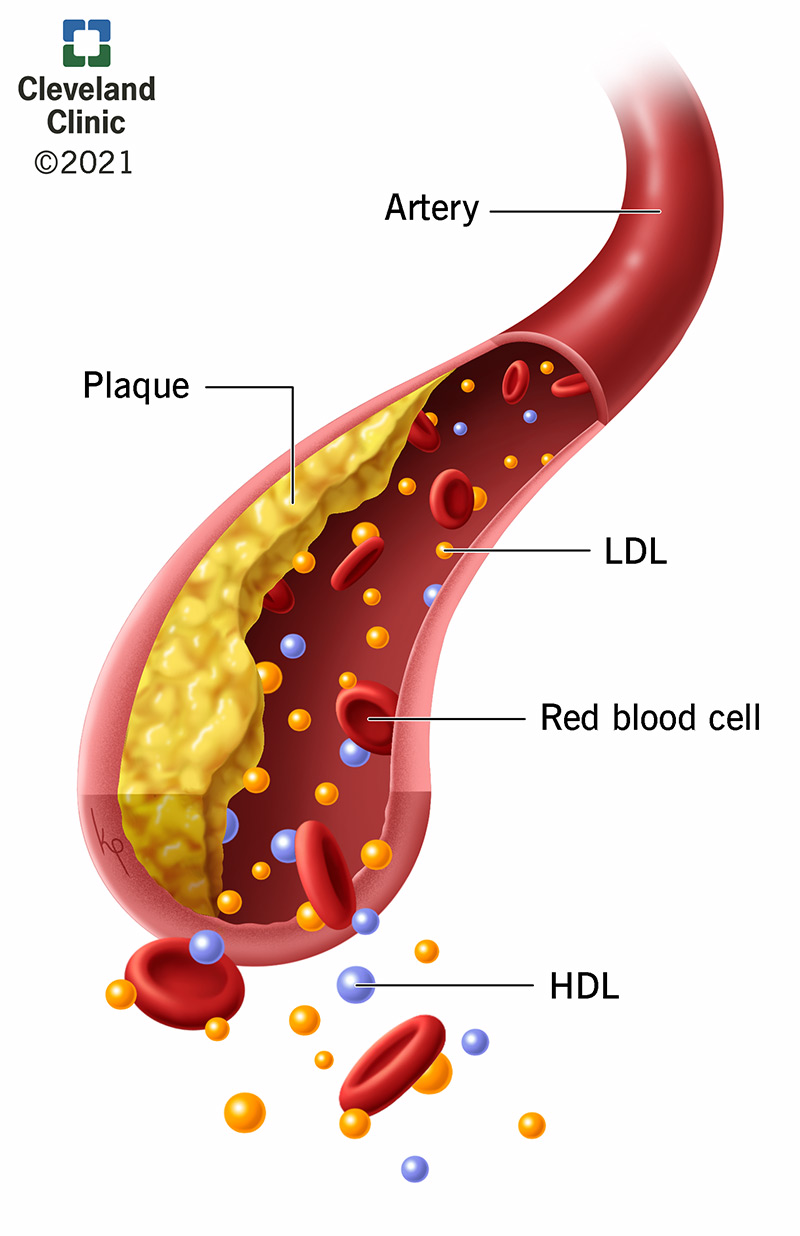
High levels of LDL cholesterol are strongly associated with an increased risk of cardiovascular diseases, particularly coronary artery disease. When LDL cholesterol levels are elevated, it can lead to the formation of fatty deposits known as plaques in the arteries, narrowing their diameter and obstructing blood flow. This can ultimately result in chest pain, heart attacks, or even heart failure.
Stroke
Another significant health risk associated with high LDL cholesterol is an increased risk of stroke. When plaques build up in the arteries supplying blood to the brain, they can rupture or cause blood clot formation, leading to a stroke. Strokes can have severe consequences, including paralysis and cognitive impairments.
Development of Atherosclerosis
High LDL cholesterol is a major contributor to the development of atherosclerosis, a condition characterized by the buildup of plaques on the arterial walls. Over time, these plaques can harden and impede the normal flow of blood to various organs. This can lead to complications such as angina (chest pain), peripheral artery disease, and even organ damage.
Effects of High LDL Cholesterol on the Heart
Formation of Plaques
One of the primary effects of high LDL cholesterol on the heart is the formation of plaques in the coronary arteries. These plaques consist of cholesterol, fatty substances, and calcium, and they gradually accumulate over years. As the plaques grow, the arteries become narrower, reducing the blood supply to the heart muscle.
Narrowing of Arteries
As a consequence of plaque formation, the arteries supplying blood to the heart become narrower, a condition referred to as coronary artery disease (CAD). The narrowed arteries restrict the flow of oxygen-rich blood to the heart, which can result in chest pain, known as angina. In severe cases, a complete blockage of the artery can lead to a heart attack.
Decreased Blood Flow to the Heart
When LDL cholesterol levels are elevated, the risk of decreased blood flow to the heart increases significantly. The reduced blood flow deprives the heart muscle of oxygen and nutrients, leading to various symptoms, including shortness of breath, fatigue, and a higher risk of heart failure.
Relationship between High LDL Cholesterol and Blood Pressure
Impact on Hypertension
High LDL cholesterol levels can have a direct impact on blood pressure. Research suggests that LDL cholesterol contributes to the development of hypertension, which is a risk factor for heart disease and stroke. The exact mechanisms underlying this relationship are still being studied, but it is believed that LDL cholesterol promotes inflammation, oxidative stress, and endothelial dysfunction, all of which can contribute to the development of high blood pressure.
Increased Risk of Heart Attack
Individuals with high LDL cholesterol are at an increased risk of experiencing a heart attack. This is because the combination of high LDL cholesterol levels and hypertension can cause damage to the arterial walls, making them more susceptible to plaque formation and rupture. When a plaque ruptures, it can trigger the formation of blood clots, leading to a blocked artery and a heart attack.
Impact of High LDL Cholesterol on Blood Vessels
Endothelial Dysfunction
High levels of LDL cholesterol can result in endothelial dysfunction, which refers to impaired functioning of the endothelium, the inner lining of blood vessels. Endothelial dysfunction is considered an early marker of atherosclerosis and is associated with reduced nitric oxide production, increased inflammation, and abnormal blood vessel constriction. These abnormalities contribute to the development of cardiovascular diseases.
Inflammation and Damage to Blood Vessels
Elevated LDL cholesterol can trigger an inflammatory response within the blood vessels. The inflammatory response can cause damage to the arterial walls, making them more susceptible to the accumulation of plaque. Additionally, inflammation can lead to the formation of blood clots, further increasing the risk of heart attacks and strokes.
High LDL Cholesterol and Type 2 Diabetes
Connection between Type 2 Diabetes and High LDL Cholesterol
Type 2 diabetes and high LDL cholesterol are closely linked. People with diabetes often have altered lipid metabolism, leading to increased levels of LDL cholesterol and decreased levels of HDL cholesterol. This dyslipidemia can contribute to the progression of atherosclerosis and further increase the risk of cardiovascular diseases.
Worsened Diabetes Control
High LDL cholesterol can also have a negative impact on diabetes control. Research suggests that elevated LDL cholesterol levels can impair insulin signaling, leading to increased blood sugar levels and decreased insulin sensitivity. This can result in worsened diabetes control and an increased risk of diabetic complications.
Role of High LDL Cholesterol in Obesity
Promotion of Weight Gain and Obesity
High LDL cholesterol may play a role in weight gain and obesity. Studies have shown that LDL cholesterol can promote the formation of adipose tissue (fat cells). Additionally, individuals with obesity tend to have higher levels of LDL cholesterol, which can further exacerbate the risk of cardiovascular diseases.
Effect on Adipose Tissue and Metabolism
Research has also shown that high LDL cholesterol levels can disrupt the normal metabolic function of adipose tissue. This disruption can lead to the release of inflammatory substances called adipokines, which can contribute to chronic low-grade inflammation, insulin resistance, and an increased risk of cardiovascular diseases.
The Influence of High LDL Cholesterol on Liver Health
Fatty Liver Disease
High levels of LDL cholesterol can negatively impact liver health, leading to the development of non-alcoholic fatty liver disease (NAFLD). NAFLD is characterized by the accumulation of fat in the liver, which can cause inflammation and liver damage. Over time, this can progress to more severe conditions such as liver fibrosis, cirrhosis, and even liver cancer.
Impaired Liver Function
Elevated LDL cholesterol levels can impair liver function by interfering with the production and secretion of lipoproteins, including LDL cholesterol itself. This impairment can disrupt the delicate balance of lipid metabolism in the liver and contribute to the development of dyslipidemia and other metabolic disorders.
Treatment and Prevention of High LDL Cholesterol
Lifestyle Modifications
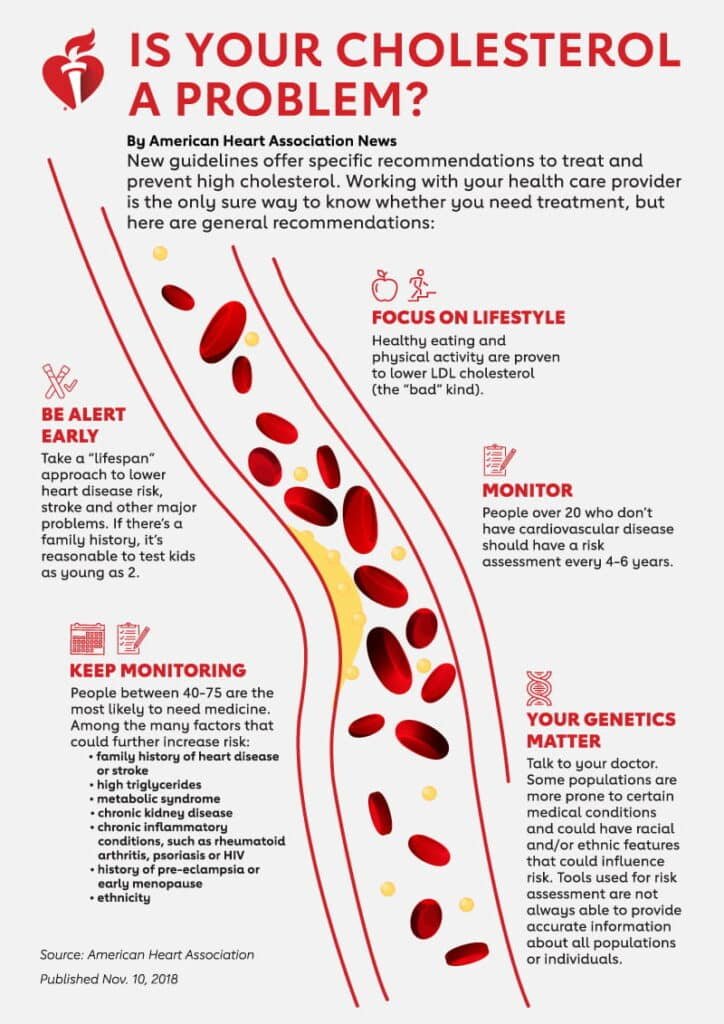
Lifestyle modifications play a crucial role in the management and prevention of high LDL cholesterol. These include:
-
Healthy Diet: Adopting a heart-healthy diet low in saturated and trans fats, and high in fruits, vegetables, whole grains, and lean proteins. This can help reduce LDL cholesterol levels and improve overall cardiovascular health.
-
Regular Exercise: Engaging in regular physical activity, such as brisk walking, jogging, cycling, or swimming, can help raise HDL cholesterol levels and lower LDL cholesterol levels. Aim for at least 150 minutes of moderate-intensity exercise or 75 minutes of vigorous-intensity exercise per week.
-
Weight Management: Maintaining a healthy weight through a combination of healthy eating and regular exercise can help improve cholesterol levels and reduce the risk of cardiovascular diseases.
Medication Options
In some cases, lifestyle modifications alone may not be sufficient to manage high LDL cholesterol levels. In such situations, healthcare professionals may prescribe lipid-lowering medications, such as statins, to further reduce LDL cholesterol levels. These medications work by inhibiting the production of cholesterol in the liver and increasing the liver’s ability to remove LDL cholesterol from the bloodstream.
It is important to adhere to the prescribed treatment plan and regularly monitor cholesterol levels to ensure effective management of LDL cholesterol.
In conclusion, high LDL cholesterol poses significant health risks, particularly in relation to cardiovascular diseases. Understanding the causes, risks, and effects of elevated LDL cholesterol is crucial for effective management and prevention. By making lifestyle modifications and, if necessary, seeking medical intervention, it is possible to reduce LDL cholesterol levels and maintain a healthy cardiovascular system. Remember, taking care of your LDL cholesterol levels is taking care of your heart.