
Living with HIV can be challenging, but with proper management, it is possible to lead a healthy and fulfilling life. In this article, you will discover practical strategies and essential information on managing HIV infection. We will explore various aspects such as treatment options, lifestyle changes, emotional well-being, and the importance of a strong support network. With the right tools and knowledge, you can navigate the complexities of HIV infection and take control of your health and happiness. Let’s embark on this journey together and empower you to live your best life.
Diagnosing HIV Infection
When it comes to diagnosing HIV infection, there are several types of tests available. These tests are designed to detect the presence of the human immunodeficiency virus in your body. The most common tests include antibody tests, antigen/antibody tests, and nucleic acid tests. These tests can be conducted using blood samples, oral fluids, or urine. It is important to note that HIV tests are highly accurate, but false-negative results can occur during the window period. Therefore, it is recommended to get tested for HIV regularly, especially if you engage in high-risk behavior.
Types of tests for HIV
-
Antibody Tests: These tests are the most common type of HIV test. They detect the presence of antibodies produced by your immune system in response to the virus. It may take a few weeks or months for antibodies to develop, so it is advisable to get tested after the window period.
-
Antigen/Antibody Tests: These tests detect both HIV antibodies and antigens, which are viral proteins produced by the immune system. This allows for earlier detection of HIV infection compared to antibody tests alone.
-
Nucleic Acid Tests: These tests directly detect the genetic material (RNA) of the HIV virus. Nucleic acid tests are highly sensitive and can detect HIV infection earlier than other tests. They are generally used for diagnosing acute HIV infection or in screening blood donations.
Early detection methods
Early detection of HIV infection is crucial for starting treatment early and managing the virus effectively. Early detection not only helps prevent the progression of HIV to AIDS but also reduces the risk of transmitting the virus to others. Apart from regular testing, there are additional early detection methods such as HIV self-testing kits, which you can use in the comfort of your own home. These kits provide quick results and are especially beneficial for those who may feel embarrassed or uncomfortable visiting a healthcare facility for testing.
Rapid test kits
Rapid HIV test kits are easy to use and provide quick results, typically within 20 minutes. They are widely available and can be obtained from clinics, pharmacies, and even online. Rapid test kits use either blood, oral fluid, or urine samples to detect the presence of HIV antibodies or antigens. These tests are highly accurate, but in case of a positive result, it is important to follow up with a confirmatory test to confirm the diagnosis.
Confirmatory tests
If you receive a positive or reactive result from an HIV test, it is essential to undergo additional confirmatory tests. These tests include Western blot tests and immunofluorescence assays, which further verify the presence of HIV antibodies or antigens. Confirmatory tests help reduce the chances of false-positive results and provide a more definitive diagnosis. It is important to consult with a healthcare professional who can guide you through the process and provide the necessary support and counseling throughout the testing and diagnosis process. Remember, a positive HIV diagnosis is not the end, but the beginning of a journey towards a healthy and fulfilling life.
Treatment Options for HIV
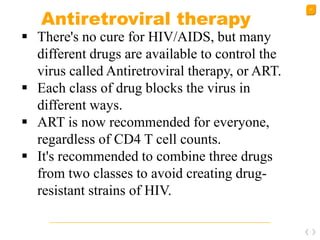
While there is currently no cure for HIV, there are highly effective treatment options available that can help manage the virus and prevent the progression to AIDS. Treatment for HIV typically involves a combination of antiretroviral therapy (ART), which consists of taking several medications, along with other preventive measures.
Antiretroviral Therapy (ART)
Antiretroviral therapy (ART) involves taking a combination of HIV medications daily. These medications work by suppressing the virus, reducing the viral load in your body, and strengthening your immune system. ART is recommended for all individuals living with HIV, regardless of their CD4 count or viral load. It is important to take your medications as prescribed and on time to ensure optimal treatment outcomes.
Combination Therapy
Combination therapy, also known as highly active antiretroviral therapy (HAART), involves taking a combination of different classes of HIV medications. This approach helps prevent drug resistance and increases the effectiveness of treatment. Combination therapy has revolutionized HIV treatment and has significantly improved the life expectancy and quality of life for individuals living with HIV.
Pre-exposure Prophylaxis (PrEP)
Pre-exposure prophylaxis (PrEP) is a prevention strategy for individuals who are at high risk of acquiring HIV. PrEP involves taking a daily medication called Truvada, which contains two antiretroviral drugs. When taken consistently, PrEP can greatly reduce the risk of HIV transmission. It is important to consult with a healthcare provider to determine if PrEP is suitable for you and to receive appropriate monitoring and counseling.
Post-exposure Prophylaxis (PEP)
Post-exposure prophylaxis (PEP) is a preventive treatment option for individuals who may have been exposed to HIV within the past 72 hours. PEP involves taking a combination of HIV medications for a duration of 28 days. It is crucial to seek medical attention as soon as possible after a potential exposure to HIV to determine if PEP is necessary. PEP can significantly reduce the risk of HIV infection if initiated promptly.

Monitoring HIV Infection
Regular monitoring of HIV infection is essential to assess the effectiveness of treatment, track disease progression, and manage potential complications. Monitoring involves various tests and evaluations to keep track of your immune health and viral load.
CD4 count testing
CD4 count testing measures the number of CD4 cells, which are a type of white blood cell that plays a crucial role in the immune system. The CD4 count gives an indication of your immune function and helps determine the stage of HIV infection. Regular CD4 count testing allows healthcare providers to monitor the progression of the virus and make informed decisions regarding treatment adjustments.
Viral load testing
Viral load testing measures the amount of HIV RNA (genetic material) present in your blood. This test provides information about how quickly the virus is replicating and the effectiveness of your antiretroviral therapy. Monitoring viral load levels helps healthcare providers assess treatment response and detect any potential treatment failures or drug resistance.
Clinical monitoring
In addition to laboratory tests, clinical monitoring is also an important aspect of managing HIV infection. Regular check-ups with your healthcare provider allow for physical examinations and assessments of any HIV-related symptoms or complications. Clinical monitoring helps ensure timely intervention and appropriate management of any health issues that may arise.
By regularly monitoring your HIV infection, you and your healthcare team can work together to make informed decisions regarding your treatment and overall health management.
Managing Opportunistic Infections
Opportunistic infections are infections that occur more frequently and are more severe in individuals with weakened immune systems, such as those with HIV. Managing these infections is an important aspect of HIV care to prevent complications and maintain overall health.
Common opportunistic infections in HIV patients
There are several opportunistic infections that individuals with HIV are at a higher risk of developing. Some common opportunistic infections include:
-
Pneumocystis pneumonia (PCP): PCP is a serious lung infection caused by a fungus called Pneumocystis jirovecii. It can cause severe respiratory symptoms and is a leading cause of illness and death among individuals with HIV.
-
Tuberculosis (TB): TB is an infectious disease caused by the bacterium Mycobacterium tuberculosis. It primarily affects the lungs but can also affect other parts of the body. Individuals with HIV are at an increased risk of developing active TB infection.
-
Candidiasis: Candidiasis is a fungal infection caused by the Candida species. It commonly affects the mouth, throat, and genital areas. In individuals with HIV, candidiasis can be recurrent or persistent.
-
Cytomegalovirus (CMV) infection: CMV is a common virus that can cause serious complications in individuals with weakened immune systems, including those with HIV. It can affect multiple organs, including the eyes, lungs, and gastrointestinal tract.
-
Toxoplasmosis: Toxoplasmosis is an infection caused by the parasite Toxoplasma gondii. It primarily affects the brain and can cause symptoms such as confusion, seizures, and loss of coordination.
It is important to stay vigilant and seek prompt medical attention if you experience any symptoms that may indicate the presence of an opportunistic infection.
Prevention strategies for opportunistic infections
Preventing opportunistic infections is an essential part of managing HIV infection. Here are some strategies to reduce the risk of developing opportunistic infections:
-
Adhering to antiretroviral therapy (ART): Taking your HIV medications consistently and as prescribed can significantly improve your immune function and reduce the risk of opportunistic infections.
-
Vaccination: Staying up to date with recommended vaccinations, such as the pneumococcal vaccine and annual flu vaccine, can help protect against certain infections.
-
Prophylactic medications: Your healthcare provider may prescribe prophylactic medications to prevent specific opportunistic infections. These medications are typically recommended based on your individual risk factors and CD4 count.
-
Good hygiene practices: Practicing good hygiene, such as regular handwashing and proper food handling, can help reduce the risk of opportunistic infections.
Treatment options for opportunistic infections
If you develop an opportunistic infection, treatment will depend on the specific infection and its severity. Your healthcare provider may prescribe antifungal, antibacterial, or antiviral medications to treat the infection. It is important to follow the prescribed treatment regimen diligently and complete the entire course of medication to effectively eradicate the infection.
In some cases, long-term maintenance therapy may be necessary to prevent recurring opportunistic infections. Your healthcare provider will determine the most appropriate treatment approach based on your individual circumstances.
Managing opportunistic infections requires close collaboration between you and your healthcare team. By actively participating in your care and adhering to treatment recommendations, you can effectively manage and prevent these infections, leading to improved health outcomes.
Preventing HIV Transmission
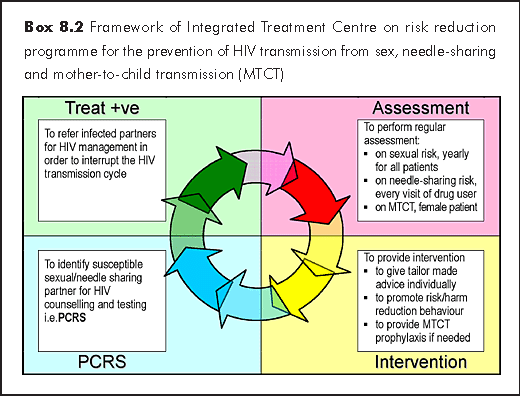
Preventing HIV transmission is crucial not only for your own health but also for the health of your sexual partners and the community as a whole. By adopting safe practices and taking preventive measures, you can significantly reduce the risk of transmitting HIV.
Safe sex practices
Practicing safe sex is one of the most effective ways to prevent HIV transmission. Some key safe sex practices include:
-
Consistently using condoms: Proper and consistent use of condoms during vaginal, anal, and oral sex can greatly reduce the risk of HIV transmission. It is important to use latex or polyurethane condoms, as they provide the best protection against HIV.
-
Limiting the number of sexual partners: Having fewer sexual partners reduces the risk of exposure to HIV and other sexually transmitted infections.
-
Engaging in monogamous relationships: Being in a mutually monogamous relationship with a partner who does not have HIV greatly reduces the risk of transmission.
Use of condoms
Condoms are a highly effective barrier method that helps prevent not only HIV transmission but also other sexually transmitted infections (STIs). It is important to use condoms correctly and consistently for optimal protection. Remember, even if you are on antiretroviral therapy and have an undetectable viral load, using condoms is still necessary to prevent the transmission of other STIs.
Needle exchange programs
For individuals who use injection drugs, participating in needle exchange programs or accessing sterile needles and syringes is essential. These programs aim to reduce the transmission of HIV and other bloodborne infections by providing clean equipment and safe disposal options. Additionally, seeking support for substance abuse and accessing harm reduction services can contribute to overall HIV prevention efforts.
Preventing mother-to-child transmission
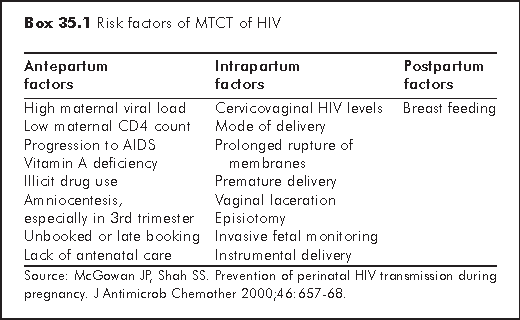
Preventing mother-to-child transmission is crucial to protect newborns from acquiring HIV. Here are important prevention strategies for pregnant individuals with HIV:
-
Early screening and diagnosis: Pregnant individuals should be screened for HIV early in their pregnancy. Early diagnosis allows for prompt initiation of antiretroviral therapy during pregnancy, reducing the risk of transmission to the baby.
-
Antiretroviral therapy during pregnancy: Pregnant individuals with HIV should be on antiretroviral therapy to reduce the risk of transmitting the virus to their baby. It is important to take the medications as prescribed and follow the healthcare provider’s recommendations.
-
Cesarean section delivery: In certain situations, a planned cesarean section delivery may be recommended to further reduce the risk of HIV transmission during childbirth.
-
Formula feeding: While breastfeeding carries a risk of HIV transmission, using formula feeding is recommended for individuals with HIV to prevent transmission to their baby. It is important to have access to clean and safe sources of formula milk.
Preventing HIV transmission requires a multifaceted approach. By adopting safe sex practices, accessing harm reduction services, and following prevention strategies during pregnancy, you can play an active role in preventing the spread of HIV.
Mental and Emotional Well-being
Living with HIV can have emotional and psychological implications, and it is important to prioritize your mental and emotional well-being. Here are some strategies to help you maintain a positive mindset and cope with the challenges of living with HIV.
Counseling and support services
Seeking professional counseling or therapy services can provide valuable support in navigating the emotional aspects of living with HIV. Counseling can help you address any fears, anxiety, or depression that may arise and provide tools and strategies for coping with your diagnosis. Support groups, both in-person and online, can also be beneficial in connecting with others who are going through similar experiences.
Stress management techniques
Living with HIV may bring about stress due to various factors, such as stigma, disclosure concerns, or managing treatment. Engaging in stress management techniques can help alleviate stress and promote overall well-being. Some techniques include practicing mindfulness, deep breathing exercises, yoga, or engaging in hobbies and activities that bring you joy and relaxation.
Addressing stigma and discrimination
Stigma and discrimination surrounding HIV can impact your mental and emotional well-being. It is important to address and challenge stigma, both within yourself and in society. Education, advocacy, and joining support networks can help combat stigma and provide a supportive environment for individuals living with HIV. Remember, you are not alone, and there are resources and communities available to support you.
Maintaining a Healthy Lifestyle
Adopting a healthy lifestyle is important for everyone, but it holds particular significance for individuals living with HIV. Here are some key factors to consider when maintaining a healthy lifestyle:
Balanced diet and nutrition
Eating a balanced diet is crucial for maintaining a strong immune system and overall health. Focus on consuming a variety of fruits, vegetables, whole grains, lean proteins, and healthy fats. It is also important to stay hydrated and limit the intake of processed foods, sugary beverages, and excessive alcohol.
Regular exercise
Engaging in regular physical activity has numerous benefits for individuals with HIV. Exercise helps strengthen the immune system, maintain a healthy weight, reduce the risk of cardiovascular problems, and improve overall mental health. Choose activities that you enjoy, such as walking, jogging, swimming, or dancing, and aim for at least 150 minutes of moderate-intensity exercise per week.
Adequate sleep and rest
Getting enough quality sleep is essential for overall health and immune function. Aim for 7-9 hours of sleep each night and establish a regular sleep routine. Adequate rest and relaxation also contribute to your overall well-being, so be sure to prioritize self-care and take breaks when needed.
Avoiding substance abuse
Substance abuse can have detrimental effects on your health and overall well-being. It can weaken your immune system, decrease adherence to medications, and increase the risk of risky behaviors. If you are struggling with substance abuse, it is important to seek support and access resources that can help you overcome these challenges.
Adopting a healthy lifestyle promotes overall well-being and can positively impact your management of HIV. By making small, sustainable changes to your daily routine, you can enhance your overall health and quality of life.
Supportive Medical Care
Regular medical check-ups and ongoing supportive care play a vital role in managing HIV infection. Here are some key elements of supportive medical care:
Regular medical check-ups
Regular medical check-ups are essential to monitor your health and assess the effectiveness of your treatment. During these check-ups, your healthcare provider will conduct physical examinations, review your laboratory results, and discuss any concerns or changes in your condition. It is important to attend these appointments as scheduled and communicate openly with your healthcare team.
Adherence to treatment
Adhering to your prescribed treatment regimen is crucial for effective HIV management. It is important to take your medications as prescribed, follow any dietary recommendations, and attend follow-up appointments. If you encounter challenges or have concerns about your treatment, it is important to discuss them with your healthcare provider, who can provide guidance and support.
Management of side effects
Antiretroviral therapy can sometimes lead to side effects. It is important to be aware of potential side effects and discuss them with your healthcare provider. They can provide strategies for managing these side effects or adjust your medications if necessary. It is vital not to stop or modify your medications without medical guidance.
Continued follow-up care
HIV is a lifelong condition, and ongoing follow-up care is necessary to ensure optimal management and long-term health. Your healthcare provider will monitor your immune health, viral load levels, and overall well-being on an ongoing basis. Regular follow-up care allows for timely intervention, adjustment of treatment if needed, and ongoing support. It is important to maintain open communication with your healthcare team and actively participate in your care.
Engaging in supportive medical care ensures that you receive the necessary support, guidance, and interventions to effectively manage your HIV infection.
Promoting Immune Health
Maintaining a strong immune system is crucial for individuals living with HIV to prevent opportunistic infections and maintain overall health. Here are some strategies to promote immune health:
Importance of a strong immune system
A strong immune system helps protect your body against infections and supports your overall well-being. Individuals with HIV need to prioritize immune health to maintain optimal health outcomes. Adhering to your antiretroviral therapy (ART), maintaining a healthy lifestyle, and following your healthcare provider’s recommendations are key in promoting immune health.
Vitamin and mineral supplementation
Certain vitamins and minerals play a vital role in supporting immune function. It is important to ensure you are receiving adequate intake of these essential nutrients. Your healthcare provider may recommend specific supplements, such as vitamin D, vitamin B complex, vitamin C, and zinc, to support your immune system. However, it is important to consult with your healthcare provider before starting any supplements to ensure they are suitable for you and do not interact with your medications.
Herbal supplements and alternative therapies
While some individuals may consider herbal supplements or alternative therapies to boost their immune system, it is crucial to approach these with caution. Some herbs or supplements may interact with your HIV medications or may not have sufficient scientific evidence to support their effectiveness. It is important to discuss any complementary or alternative therapies with your healthcare provider before incorporating them into your treatment regimen.
Promoting immune health is a multi-faceted approach that involves proper medical care, a healthy lifestyle, and adherence to antiretroviral therapy. By prioritizing immune health, you can enhance your ability to combat infections and maintain a strong overall immune system.
Educating and Empowering Patients
Educating and empowering individuals living with HIV is essential for self-management and optimal health outcomes. Here are some key factors to consider:
HIV education and awareness programs
Participating in HIV education and awareness programs can provide valuable information about the virus, transmission, prevention, and treatment options. These programs may be available through healthcare providers, community-based organizations, or online resources. Staying informed empowers you to make informed decisions regarding your treatment, lifestyle choices, and overall well-being.
Accessing reliable resources and information
There is a wealth of information available about HIV online, but it is important to rely on reputable sources. Websites of government health agencies, reputable HIV organizations, and well-known healthcare institutions can provide accurate and up-to-date information. Your healthcare provider can also guide you to trusted resources and provide answers to your questions.
Self-management and self-care skills
Developing self-management and self-care skills empowers you to take an active role in your health. This includes adherence to medications, practicing safe behaviors, managing stress, and recognizing the importance of overall well-being. Engaging in self-management skills helps you maintain control over your life and make informed decisions regarding your health.
Education and empowerment are key in managing HIV infection. By equipping yourself with knowledge, accessing reliable resources, and developing self-management skills, you can take an active role in your care and live a fulfilled life with HIV.
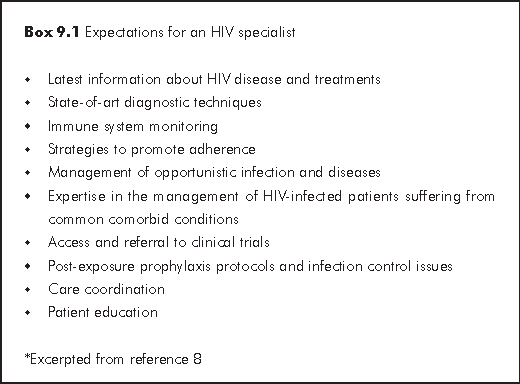
In conclusion, managing HIV infection involves various aspects that encompass testing, treatment, monitoring, prevention, mental well-being, healthy lifestyle choices, supportive medical care, immune health promotion, and patient education. By comprehensively addressing these aspects, individuals living with HIV can effectively manage their condition, maintain overall health, and lead fulfilling lives. Remember, you are not alone, and there is a supportive network of healthcare providers, organizations, and communities available to help you through your journey with HIV.