
If you’ve ever experienced the itchiness and irritation caused by insect bites, then you know just how frustrating they can be. Thankfully, there are a multitude of natural remedies available that can provide soothing relief. From the cooling effect of aloe vera to the anti-inflammatory properties of chamomile, these remedies are easily accessible and can help to alleviate the discomfort of insect bites. So, the next time you find yourself dealing with pesky bug bites, remember that nature has your back and offers a wealth of remedies to soothe your skin.
Overview of Insect Bites
Insect bites are a common occurrence that can happen to anyone, anywhere. While most insect bites are harmless and only cause temporary discomfort, it’s important to understand the different types of bites, their symptoms, and how to alleviate the itchiness they often bring. In this article, we will provide you with a comprehensive guide on insect bites, natural remedies to soothe them, preventive measures to avoid getting bitten, and when it’s necessary to seek medical attention.
Common types of insect bites
There are various types of insects that can leave their mark on your skin. Some of the most common bites include mosquito bites, flea bites, bedbug bites, spider bites, tick bites, and bee or wasp stings. Each of these bites may cause different symptoms and may require specific treatment methods. It’s essential to identify the type of bite to find the most effective remedy.
Symptoms of insect bites
The symptoms of insect bites can vary depending on the type of insect and individual reactions. Common symptoms include redness, swelling, itching, pain, warmth around the bite area, and the presence of a small puncture wound. In some cases, more severe symptoms may occur, such as allergic reactions, blistering, or the formation of a bullseye pattern. It’s important to pay attention to your body’s reaction and seek medical attention if necessary.
Why do insect bites itch?
Many people wonder why insect bites tend to itch. When an insect bites, it injects saliva into your skin, which contains compounds that prevent blood from clotting. Your body’s immune system reacts to these compounds, releasing histamine, a chemical that causes itching, redness, and swelling. Scratching the bite can provide temporary relief but may lead to further irritation or infection. Understanding the itchiness can help you choose the best remedies to soothe the discomfort.
When to seek medical attention
While most insect bites can be treated at home, there are certain situations where it’s crucial to consult a doctor. These include severe allergic reactions characterized by difficulty breathing, swelling of the face or throat, dizziness, or hives. Signs of infection, such as increased pain, warmth, redness, or pus, should also be addressed by a healthcare professional. Additionally, if you experience persistent or worsening symptoms, notice the presence of ticks, or have multiple bites of unknown origin, it’s best to seek medical advice.
Natural Remedies for Soothing Insect Bites
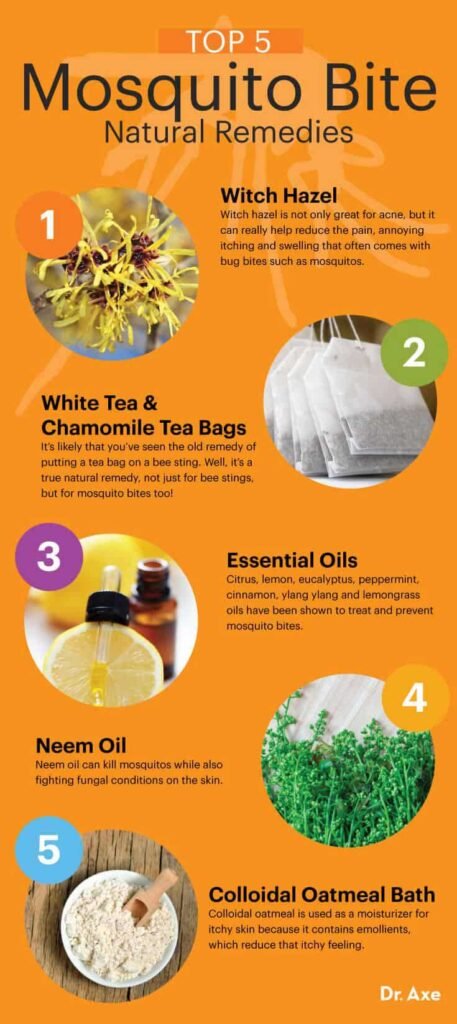
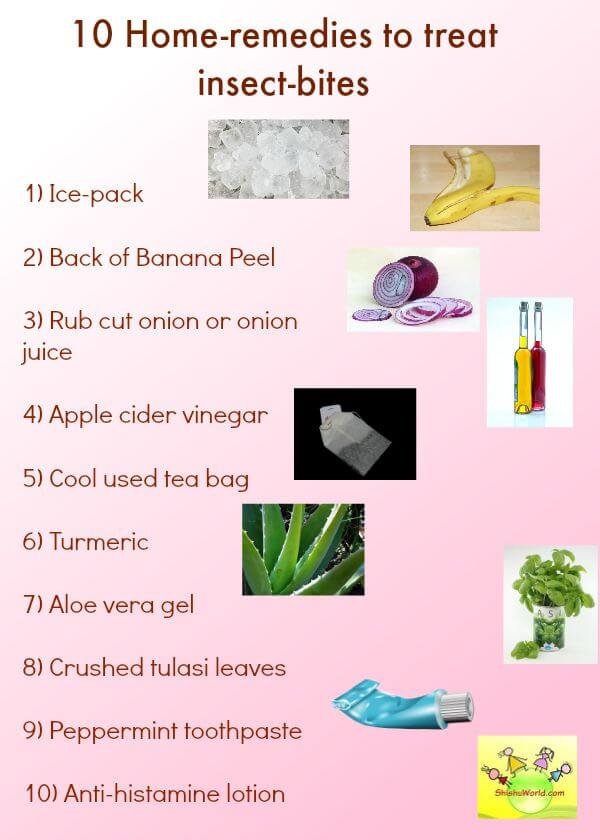
If you find yourself dealing with the discomfort of insect bites, there are several natural remedies you can try to alleviate the itchiness and promote healing. Here are some effective options:
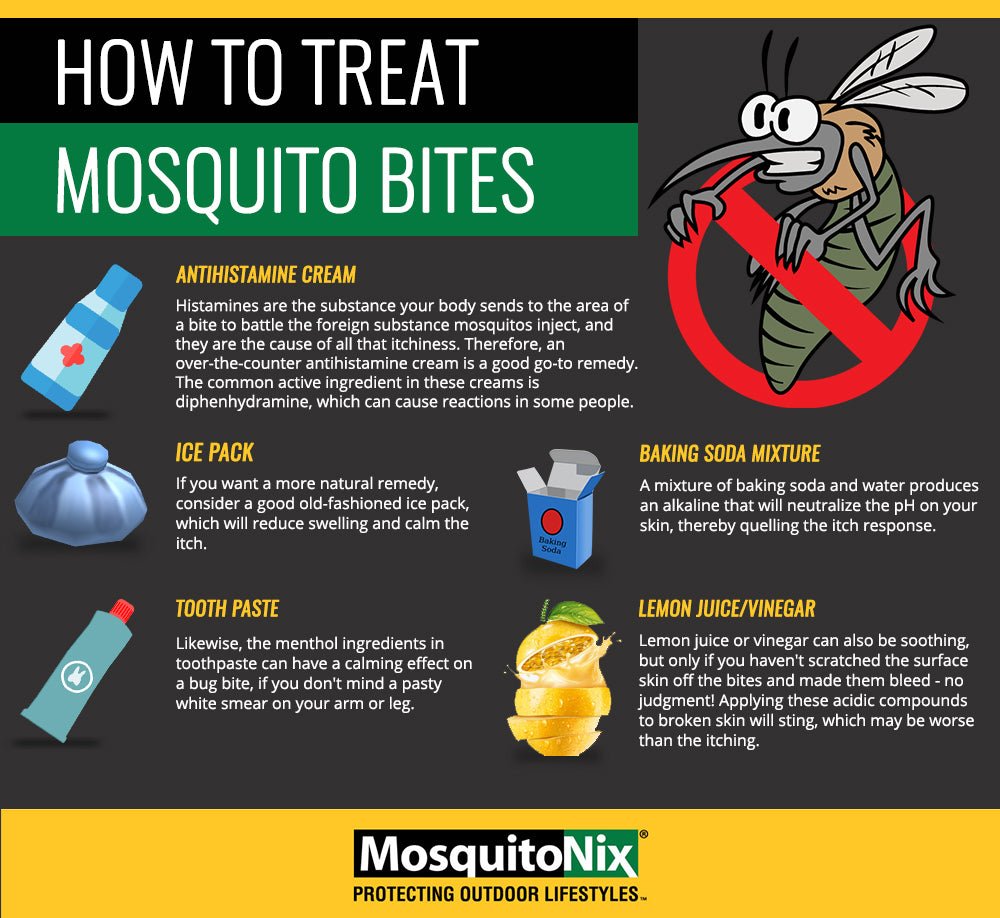
Ice or cold compress
Applying a cold compress or ice pack to the affected area can help reduce inflammation and numb the nerves, providing immediate relief from itching and pain. Wrap the ice or cold pack in a thin cloth before applying it to prevent frostbite or additional skin irritation.
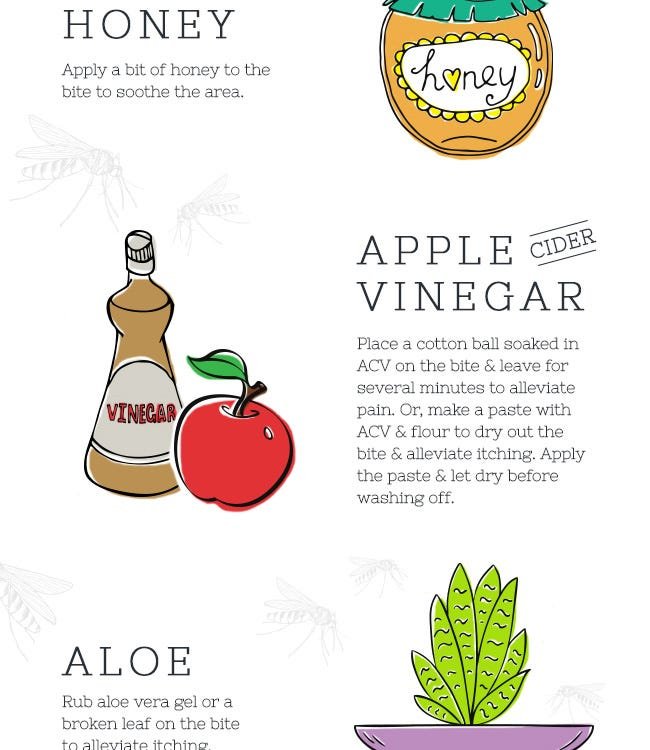
Aloe vera
Known for its soothing and healing properties, aloe vera gel can be applied directly to the insect bite. Aloe vera helps reduce inflammation, moisturizes the skin, and provides a cooling sensation. Look for pure aloe vera gel or extract from reputable sources.
Baking soda paste
Mixing baking soda with a small amount of water to create a paste can help neutralize the pH of the insect bite, reducing itching and inflammation. Apply the paste to the affected area and leave it on for a few minutes before rinsing off with cool water.
Tea tree oil
With its natural antiseptic and anti-inflammatory properties, tea tree oil can help relieve itching and prevent infection. Dilute a few drops of tea tree oil in a carrier oil, such as coconut oil, and apply it to the bite using a cotton swab or clean fingers.
Apple cider vinegar
Apple cider vinegar has been used for centuries to alleviate itching and reduce inflammation. Dilute a small amount of apple cider vinegar with water and apply it to the bite using a cotton ball. Leave it on for a few minutes before rinsing off with cool water.
Honey
Honey is not only a delicious natural sweetener but also has antibacterial and anti-inflammatory properties. Apply a small amount of honey directly to the insect bite and cover it with a clean bandage or gauze. Leave it on for a few hours or overnight for best results.
Witch hazel
Witch hazel, a natural astringent, can help reduce itching, inflammation, and redness caused by insect bites. Soak a cotton ball or pad with witch hazel and apply it to the affected area for a few minutes. Repeat as needed throughout the day.
Lavender oil
Lavender oil is renowned for its calming and soothing properties. Mixing a few drops of lavender oil with a carrier oil and applying it to the insect bite can help alleviate itching and promote the healing process. Additionally, the pleasant scent of lavender can help relax your mind and body.
Calendula
Calendula, also known as marigold, has anti-inflammatory and wound-healing properties. Apply a cream or ointment containing calendula to the insect bite to soothe irritation and promote skin regeneration. Be sure to choose a product made with high-quality ingredients.
Oatmeal bath
If you have multiple insect bites or widespread itching, taking an oatmeal bath can provide overall relief. Fill a bathtub with warm water and add a cup of colloidal oatmeal. Soak in the bath for 15-20 minutes, allowing the oatmeal to soothe and moisturize your skin.
Preventive Measures to Avoid Insect Bites
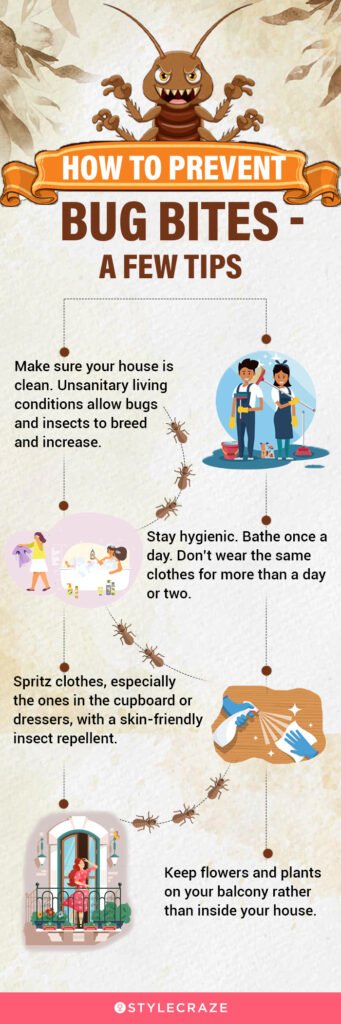
While treating insect bites is important, it’s equally vital to take preventive measures to avoid getting bitten in the first place. Here are some strategies to keep those pesky insects away:
Use insect repellents
Apply insect repellents containing DEET, picaridin, or oil of lemon eucalyptus to exposed skin and clothing to repel insects. Be sure to follow the instructions on the repellent and avoid applying it to the hands or face of young children.
Cover exposed skin
Wearing long-sleeved shirts, long pants, socks, and closed-toe shoes can provide a physical barrier between your skin and insects. Tucking pants into socks and wearing light-colored clothing can also help prevent bites.
Avoid peak mosquito activity
Mosquitoes are most active during dawn and dusk, so try to limit outdoor activities during these times. If you must be outside, consider using mosquito nets or screens to protect yourself from these bloodsucking pests.
Keep a clean environment
Insects are attracted to food scraps and stagnant water, so be sure to keep your surroundings clean and tidy. Dispose of garbage properly, clean up spills promptly, and avoid leaving standing water in containers or flower pots.
Use bed nets or screens
If you live in an area with a high mosquito population or are camping outdoors, using bed nets or screens can prevent insects from reaching you while you sleep or relax indoors.
Avoid wearing bright colors or floral prints
Insects, especially bees and wasps, are often attracted to bright colors and floral prints. Opt for neutral or light-colored clothing to minimize the chances of attracting bugs.
Stay hydrated
Drinking plenty of water can help repel insects, as they are often drawn to people who are dehydrated. Stay hydrated, especially in hot and humid environments, to reduce the likelihood of insect bites.
Use natural deterrents
Certain scents, such as citronella, lavender, eucalyptus, and lemongrass, are known to repel insects. You can use essential oils or candles containing these scents to create a natural deterrent in your outdoor space.
Avoid strong fragrances
Perfumes, scented lotions, and strongly scented soaps can attract insects. Opt for unscented or lightly scented personal care products, especially when spending time outdoors.
Avoid stagnant water
Stagnant water is a breeding ground for mosquitoes and other insects. Regularly empty and clean containers that collect water, such as flower pots, birdbaths, and pet bowls, to eliminate potential breeding sites.
When to Consult a Doctor
While most insect bites can be treated at home, there are situations where medical attention is necessary. If you experience any of the following, it’s best to consult a healthcare professional:
Severe allergic reactions
If you have difficulty breathing, notice swelling of the face or throat, feel lightheaded, or develop hives or a rash all over your body, it may indicate a severe allergic reaction. Seek immediate medical attention or call emergency services.
Signs of infection
If the bite becomes increasingly painful, red, swollen, warm to the touch, or pus-filled, it may indicate an infection. Prompt medical attention is necessary to prevent further complications.
Persistent or worsening symptoms
If the symptoms of the insect bite persist or worsen over time, despite using home remedies and following preventive measures, it’s important to consult a doctor. They can help determine if there are underlying issues causing the persistent symptoms.
Presence of ticks
If you are bitten by a tick or notice a tick embedded in your skin, it’s crucial to seek medical attention. Ticks can transmit various diseases, such as Lyme disease, and prompt removal and evaluation by a healthcare professional are necessary.
Multiple bites or unknown cause
If you have multiple insect bites that appear simultaneously or cannot identify the cause of the bites, it’s advisable to consult a doctor. They can help identify the potential culprits and provide appropriate treatment if required.
Conclusion
Insect bites are an unfortunate part of spending time outdoors, but with the right knowledge and preventive measures, you can minimize their impact on your wellbeing. Understanding the different types of bites, their symptoms, and the reasons behind the itchiness allows you to choose the most suitable natural remedies to soothe the discomfort. Remember to take preventive measures to avoid bites in the first place and seek medical attention when necessary. By being proactive and prepared, you can enjoy the great outdoors while keeping those pesky insects at bay.