
Imagine a situation where your body lacks the necessary amount of blood platelets, which play a crucial role in preventing excessive bleeding. This condition, known as low blood platelets, can lead to serious health complications. However, fret not, as this article will be your friendly guide, providing you with various strategies and treatment options to effectively manage this condition. By the end, you’ll be equipped with valuable knowledge to ensure your well-being and peace of mind.

Understanding Low Blood Platelets
What are blood platelets?
Blood platelets, also known as thrombocytes, are small cell fragments found in your blood that play a crucial role in blood clotting. They are responsible for helping to stop bleeding by forming clots and sealing off injured blood vessels. Platelets also aid in the healing process and promote tissue repair.
Normal range of blood platelet count
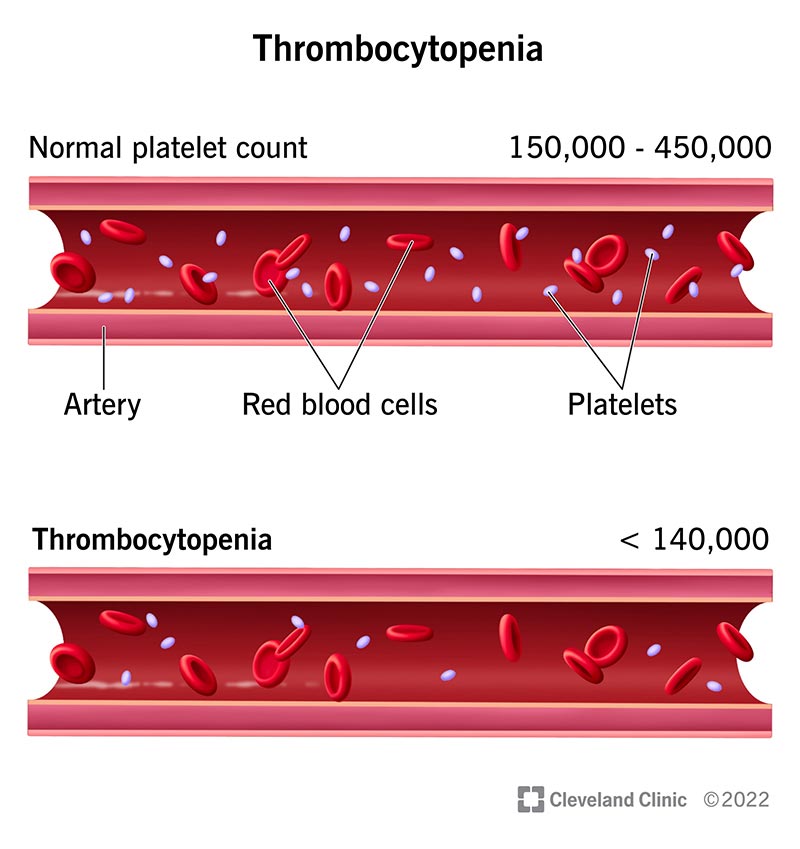
The normal range for blood platelet count is typically between 150,000 and 450,000 platelets per microliter of blood. When your platelet count falls below this range, it is considered low and may require medical attention.
Causes of low blood platelets
Low blood platelet count, known as thrombocytopenia, can be caused by various factors, including:
- Bone marrow disorders: Conditions such as leukemia, myelodysplastic syndromes (MDS), and aplastic anemia can disrupt the normal production of platelets in the bone marrow.
- Immune system disorders: Certain autoimmune diseases like lupus or immune thrombocytopenia (ITP) can cause the immune system to mistakenly attack and destroy platelets.
- Medications and treatments: Some medications, such as certain antibiotics, diuretics, and chemotherapy drugs, can suppress platelet production or directly affect platelet function.
- Viral infections: Viruses like dengue fever, HIV, and hepatitis can lower platelet count by infecting and destroying platelet-producing cells.
- Pregnancy-related conditions: Conditions like gestational thrombocytopenia or preeclampsia can cause a temporary decrease in platelet count during pregnancy.
Risk factors for low blood platelets
Certain factors can increase your risk of developing low blood platelet count, including:
- Age: Thrombocytopenia is more common in older adults, as their bone marrow may produce fewer platelets.
- Gender: Women are more likely to experience low platelet count due to certain autoimmune disorders.
- Family history: Having a family history of low blood platelet count or bleeding disorders can increase your risk.
- Certain medical conditions: Chronic liver disease, kidney disease, and certain cancers can increase the likelihood of thrombocytopenia.
Diagnosing Low Blood Platelets
Medical history and physical examination
To diagnose low blood platelets, your healthcare provider will begin by reviewing your medical history and asking questions about your symptoms. They will inquire about any recent illnesses, medications you are taking, and any personal or family history of bleeding disorders. A physical examination may also be conducted to check for signs of bleeding, such as petechiae (small red or purple spots) on the skin.
Complete blood count (CBC)
A complete blood count (CBC) is a common blood test used to determine the number of platelets in your blood. It provides information about the concentration of platelets, as well as other important blood components such as red and white blood cells.
Bone marrow aspiration and biopsy
In some cases, a bone marrow aspiration and biopsy may be necessary to determine the underlying cause of low platelet count. This procedure involves taking a small sample of bone marrow from the hipbone or sternum using a needle. The sample is then examined under a microscope to assess the production and maturation of platelets.
Additional tests for determining the cause
Depending on the suspected cause of low blood platelets, additional tests may be ordered. These can include immune system tests, viral screenings, genetic testing, or imaging studies to evaluate organ function. These tests help identify any underlying conditions or factors contributing to the low platelet count.
Managing Low Blood Platelets
Regular monitoring of platelet count
Regular monitoring of platelet count is essential for managing low blood platelets. Your healthcare provider will establish a monitoring schedule based on your specific condition and needs. This may involve periodic blood tests to evaluate your platelet levels and track any changes over time.
Diet and lifestyle modifications
Making certain diet and lifestyle modifications can help manage low blood platelet count. It is important to maintain a balanced diet that includes foods rich in vitamins, minerals, and antioxidants, such as fruits, vegetables, and lean proteins. Avoiding or limiting alcohol consumption and incorporating regular exercise into your routine can also promote overall health and potentially improve platelet production.
Managing underlying medical conditions
If an underlying medical condition is causing low blood platelet count, managing that condition is crucial. This may involve treating related infections, controlling autoimmune diseases with immunosuppressive medications, or addressing any nutritional deficiencies that may be contributing to the issue.
Avoiding triggers and injuries
To minimize the risk of bleeding and injury, it is important to avoid activities and situations that could put you at higher risk. This can include taking precautions to prevent falls, using soft-bristled toothbrushes and electric razors, avoiding contact sports or high-impact activities, and using caution when handling sharp objects.
Treatment Options for Low Blood Platelets
Treatment depends on the underlying cause
The treatment for low blood platelet count depends on the underlying cause and severity of the condition. In many cases, treating the underlying cause will help increase platelet production and restore normal platelet levels. However, if the cause is not easily treatable or if platelet counts remain critically low, additional interventions may be required.
Medications to increase platelet production
In some cases, medications may be prescribed to stimulate the production of platelets in the bone marrow. These medications, such as thrombopoietin receptor agonists or corticosteroids, can help increase platelet count and improve clotting ability.
Immunosuppressive drugs
If an immune system disorder is causing low blood platelets, immunosuppressive drugs may be prescribed to suppress the immune response and prevent the destruction of platelets. These medications work by reducing the activity of the immune system and can help stabilize platelet counts.
Platelet transfusions
In severe cases where the risk of bleeding is high or platelet counts are critically low, platelet transfusions may be necessary. This involves receiving platelets from a donor through a blood transfusion. Platelet transfusions are typically reserved for emergency situations or when other treatment options have been unsuccessful.

Preventing Complications
Identifying signs of bleeding
One of the key aspects of managing low blood platelets is being able to identify signs of bleeding. It is important to recognize symptoms such as easy bruising, prolonged bleeding from cuts or wounds, nosebleeds, bleeding gums, blood in stools or urine, and heavy or prolonged menstruation. Promptly reporting these symptoms to your healthcare provider is essential for appropriate management.
Steps to minimize bleeding risks
To minimize the risk of bleeding, it is important to take certain precautions. This may include using a soft toothbrush and gentle flossing to avoid gum bleeding, regularly checking your skin for any signs of petechiae or bruising, and avoiding activities that could lead to injuries.
Seeking immediate medical attention for emergencies
In case of emergencies or severe bleeding, it is crucial to seek immediate medical attention. Calling emergency services or going to the nearest emergency room can ensure prompt medical intervention and prevent complications.
Creating a bleeding management plan
Working with your healthcare provider, you can create a personalized bleeding management plan. This plan will outline steps for managing bleeding episodes, including when to seek medical attention, what over-the-counter medications to avoid, and guidelines for everyday activities.
Alternative and Complementary Therapies
Herbal supplements and natural remedies
Some individuals may consider using herbal supplements or natural remedies to help manage low blood platelet count. However, it is essential to consult with a healthcare professional before using any complementary therapies, as they may interact with medications or pose additional health risks.
Acupuncture and acupressure
Acupuncture and acupressure are traditional Chinese medicine techniques that involve the insertion of thin needles or the application of pressure on specific points of the body. Some people find these therapies helpful in reducing stress and promoting overall well-being, but their effectiveness in increasing platelet count remains uncertain.
Mind-body practices like yoga and meditation
Mind-body practices such as yoga, meditation, and deep breathing exercises can help reduce stress and promote relaxation. While these practices do not directly increase platelet counts, they can contribute to overall well-being and potentially aid in managing symptoms associated with low blood platelets.
Discussing with your healthcare provider
Before considering any alternative or complementary therapies, it is important to discuss them with your healthcare provider. They can provide guidance, evaluate potential risks, and help you make informed decisions about incorporating these therapies into your overall treatment plan.

Effects of Low Blood Platelets on Daily Life
Fatigue and weakness
Low blood platelets can contribute to fatigue and weakness, as platelets play a key role in maintaining overall health and healing. Fatigue can impact daily activities and may require individuals to modify their routines, prioritize rest, and conserve energy.
Impact on physical activities and exercise
Engaging in physical activities and exercise can be challenging for individuals with low blood platelets due to the risk of injury and excessive bleeding. It is important to discuss exercise options with your healthcare provider and adopt low-impact activities that minimize the risk of trauma.
Emotional and psychological effects
Living with low blood platelets can have emotional and psychological effects. Individuals may experience anxiety, worry, or feelings of vulnerability due to the increased risk of bleeding and reduced clotting ability. It is crucial to seek emotional support from loved ones and consider professional counseling if needed.
Coping strategies
Developing effective coping strategies can help manage the emotional and psychological effects of low blood platelets. This can include seeking support from friends and family, joining support groups or online communities, practicing stress-reduction techniques, and staying updated with the latest medical information and advancements.
Support and Resources
Educational materials and resources
Educational materials and resources can provide valuable information about low blood platelets, their causes, management strategies, and treatment options. Your healthcare provider, libraries, reputable websites, and patient advocacy organizations can be excellent sources of educational materials.
Support groups and online communities
Support groups and online communities provide a platform for individuals with low blood platelets to connect, share experiences, and gain emotional support. These groups can offer valuable insights, coping strategies, and a sense of community for individuals facing similar challenges.
Connecting with healthcare professionals and specialists
Establishing a strong connection with healthcare professionals, including hematologists and other specialists, is crucial for managing low blood platelets. Regular follow-up appointments, open communication, and clear understanding of treatment plans can significantly improve the management and outcomes of the condition.
Patient assistance programs
For individuals facing financial challenges related to the management of low blood platelets, patient assistance programs may offer resources and support. These programs can provide information about financial assistance, medication discounts, and access to necessary treatments.

Future Research and Treatment Developments
Advancements in platelet production and manipulation
Ongoing research is focused on advancements in platelet production and manipulation techniques. This includes exploring ways to artificially produce platelets, enhancing platelet function, and improving platelet transfusion methods.
Novel therapies for immune-related causes
Researchers are actively investigating novel therapies to target and treat immune-related causes of low blood platelets. The development and testing of medications that specifically block immune system attacks on platelets are gaining attention in the medical community.
Research on stem cell transplantation
Stem cell transplantation is an area of ongoing research for the treatment of low blood platelets. By transplanting healthy stem cells into individuals with platelet disorders, researchers aim to restore normal platelet production and function.
Targeted therapies and personalized medicine
Advancements in understanding the genetic and molecular factors underlying low blood platelets have opened doors to targeted therapies and personalized medicine approaches. Tailoring treatments to an individual’s specific genetic profile and disease characteristics holds promise for more effective management and improved outcomes.
Conclusion
Taking proactive steps in managing low blood platelets is essential for maintaining overall health and well-being. By consulting with healthcare professionals, monitoring platelet count regularly, making necessary lifestyle modifications, and seeking appropriate treatment options, individuals can effectively manage this condition. Remember to maintain a healthy lifestyle, stay informed about the latest research and treatment developments, and reach out for support when needed. With proper management and care, individuals with low blood platelets can lead fulfilling lives while minimizing the impact of their condition.