
Have you ever wondered what could be causing low blood platelets? In this article, we will explore the various factors that can lead to a decrease in platelet count and understand why it is important to address this issue. Low blood platelets can have a significant impact on your health and wellbeing, so let’s delve into the causes and shed some light on this condition.

What are Blood Platelets?
Blood platelets, also known as thrombocytes, are small, disc-shaped cells found in the blood. They play a crucial role in the process of blood clotting, which is essential for wound healing and preventing excessive bleeding. When there is an injury or damage to blood vessels, platelets form a plug at the site of the injury to stop bleeding. Additionally, they release substances that help in the formation of fibrin, a protein that forms a net-like structure to strengthen the blood clot.
Role of Blood Platelets
The primary role of blood platelets is to maintain normal clotting function in the body. They help prevent excessive bleeding by forming blood clots at the site of injury or damage. In addition to their clotting function, platelets also contribute to the healing process by releasing growth factors that promote tissue repair and regeneration.
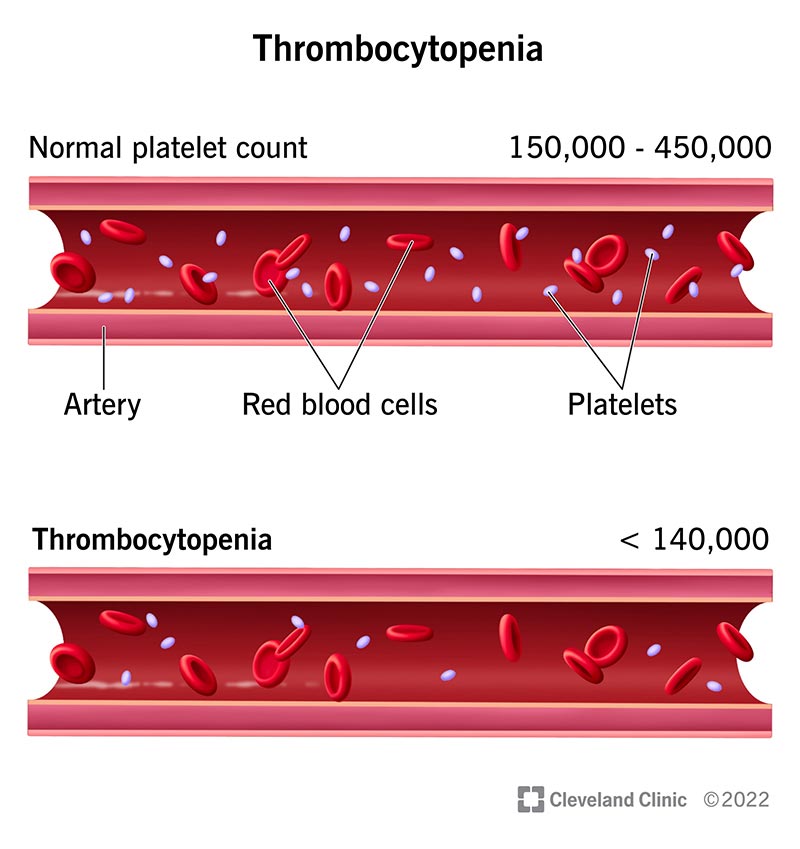
Normal Range of Blood Platelets
The normal range for blood platelet count is typically between 150,000 to 450,000 platelets per microliter of blood. This range may vary slightly depending on the laboratory reference values used. Maintaining an adequate platelet count is important for the proper functioning of the body’s clotting mechanism.
Importance of Adequate Platelet Count
Having an adequate platelet count is essential for normal clotting function. If the platelet count drops too low, it can lead to a condition called thrombocytopenia, which can result in abnormal bleeding or difficulty in clot formation. It is essential to maintain an optimal platelet count to prevent complications and ensure the effective healing of wounds or injuries.

Understanding Low Blood Platelets
Low blood platelets, or thrombocytopenia, refers to a decrease in the number of platelets circulating in the blood. This condition can be caused by various factors and can have significant consequences on the body’s ability to clot and heal. It is important to understand the prevalence, causes, and potential complications associated with low platelet count.
Definition of Low Blood Platelets
Low blood platelets, or thrombocytopenia, is generally defined as a platelet count below the lower limit of the normal range, which is typically less than 150,000 platelets per microliter of blood. Severe thrombocytopenia is characterized by a platelet count below 50,000 platelets per microliter of blood.

Prevalence and Incidence
Thrombocytopenia can occur in individuals of all ages and genders. The prevalence and incidence of thrombocytopenia vary depending on the underlying cause. It can be a temporary condition or a chronic disorder, and the severity can range from mild to life-threatening. In some cases, thrombocytopenia may be an isolated condition, while in others, it may be associated with an underlying medical condition.
Consequences of Low Platelet Count
Low platelet count can lead to a variety of symptoms and complications. The most common consequence of thrombocytopenia is an increased risk of bleeding, both externally and internally. Even minor injuries or cuts can cause prolonged bleeding. In severe cases, spontaneous bleeding can occur without any apparent cause. Additionally, low platelet count can affect the body’s ability to heal wounds, increase the risk of bruising, and may result in abnormal bleeding during surgeries or dental procedures.

Causes of Low Blood Platelets
Thrombocytopenia can have numerous causes, both primary and secondary. Primary causes are conditions that directly affect the production or destruction of platelets, while secondary causes are associated with underlying medical conditions or external factors.
1. Primary Causes
1.1 Immune Thrombocytopenia (ITP): ITP is an autoimmune disorder wherein the immune system mistakenly destroys platelets, leading to a decreased platelet count.
1.2 Thrombotic Microangiopathies: These are a group of disorders characterized by the formation of small blood clots in the blood vessels, which can lead to low platelet count.
1.3 Bone Marrow Disorders: Certain bone marrow disorders, such as aplastic anemia and myelodysplastic syndrome, can affect platelet production, resulting in low platelet count.
1.4 Disseminated Intravascular Coagulation (DIC): DIC is a condition characterized by abnormal clotting in the blood vessels, which can lead to both consumption of platelets and bleeding.
1.5 Hemophagocytic Lymphohistiocytosis (HLH): HLH is a rare immune disorder that can cause excessive inflammation and damage to multiple organs, including the bone marrow, leading to low platelet count.
2. Secondary Causes
2.1 Infections: Certain viral or bacterial infections, such as HIV, hepatitis C, and dengue fever, can cause thrombocytopenia.
2.2 Medications: Some medications, such as certain antibiotics, anti-seizure medications, and chemotherapy drugs, can decrease platelet production or increase platelet destruction.
2.3 Chronic Diseases: Chronic diseases like kidney disease, liver disease, and autoimmune disorders can affect platelet production or lead to platelet destruction.
2.4 Nutritional Deficiencies: Deficiencies in certain nutrients like vitamin B12, folate, or iron can impede the production of platelets in the bone marrow, resulting in thrombocytopenia.
Diagnostic Process
To diagnose the cause of low blood platelets, a healthcare provider may perform various tests and examinations. These may include:
Physical Examination
A physical examination can help identify any signs or symptoms of bleeding or bruising and provide valuable information about potential underlying causes.
Complete Blood Count (CBC)
A complete blood count (CBC) is a blood test that measures the number of platelets, red blood cells, and white blood cells in the blood. This test can help determine the platelet count and identify any abnormalities.
Peripheral Blood Smear
A peripheral blood smear involves examining a sample of blood under a microscope to assess the size, shape, and distribution of platelets. This can provide additional information about the underlying cause of thrombocytopenia.
Bone Marrow Aspiration and Biopsy
In some cases, a bone marrow aspiration and biopsy may be recommended to evaluate the production and maturation of platelets in the bone marrow. This procedure involves extracting a small sample of bone marrow for examination.
Additional Tests
Depending on the suspected cause, additional tests may be conducted to further evaluate the underlying condition. These tests may include immune function tests, viral or bacterial serology tests, or genetic tests, among others.
Treatment Strategies
The treatment approach for low blood platelets depends on the underlying cause and severity of thrombocytopenia. The primary goals of treatment are to increase the platelet count, manage any underlying conditions, and prevent complications.
Management of Underlying Condition
In cases where thrombocytopenia is secondary to an underlying medical condition, treating or managing the underlying cause can help improve the platelet count. This may involve addressing nutritional deficiencies, managing chronic diseases, or discontinuing medications that may be causing thrombocytopenia.
Medications
Certain medications may be prescribed to increase the platelet count or prevent platelet destruction. These may include corticosteroids, immunosuppressive drugs, or medications that stimulate platelet production.
Blood Transfusions
In severe cases of thrombocytopenia or if the platelet count drops to critical levels, a blood transfusion may be necessary to increase the platelet count and prevent life-threatening bleeding.
Surgical Interventions
In some cases, surgical interventions may be required to address the underlying cause of thrombocytopenia. For example, in cases of an enlarged spleen causing platelet destruction, a splenectomy (surgical removal of the spleen) may be considered.
Preventive Measures
Preventive measures can play a crucial role in managing thrombocytopenia. These may include avoiding activities or medications that increase the risk of bleeding, maintaining good oral hygiene to prevent bleeding gums, and taking precautions to prevent injuries or accidents.
Lifestyle and Dietary Changes
In addition to medical treatments, certain lifestyle and dietary changes can help support healthy platelet production and prevent complications associated with low blood platelets.
Foods to Increase Platelet Count
Including certain foods in your diet can help increase platelet count naturally. Some examples include foods rich in vitamin K, such as leafy green vegetables and broccoli, as well as foods rich in iron, folate, and vitamin B12, such as lean meats, legumes, and fortified cereals.
Foods to Avoid
Certain foods and beverages can interfere with blood clotting and increase the risk of bleeding. These include alcohol, fatty foods, and foods rich in omega-3 fatty acids, such as fish oil supplements.
Lifestyle Modifications
Making certain lifestyle modifications can help reduce the risk of injury or bleeding. This may include avoiding contact sports or activities that carry a higher risk of injury, using caution when handling sharp objects, and maintaining good oral hygiene to prevent gum bleeding.
Complications and Prognosis
Low platelet count can lead to various complications and may have an impact on the individual’s prognosis. The most significant risk associated with thrombocytopenia is an increased risk of bleeding, which can range from mild to life-threatening. Additionally, individuals with a low platelet count may be at a higher risk of developing infections. The prognosis for thrombocytopenia depends on the underlying cause and the effectiveness of the treatment. With appropriate management and early detection, most cases of thrombocytopenia can be effectively managed, reducing the risk of complications.
Prevention Measures
While it may not be possible to prevent all cases of thrombocytopenia, certain measures can help minimize the risk. These include:
Maintaining a Healthy Lifestyle
Engaging in regular exercise, managing stress levels, and following a balanced diet can contribute to overall health and help support optimal platelet production.
Regular Check-ups
Regular medical check-ups can help identify any underlying medical conditions or abnormalities in blood counts at an early stage, allowing for timely intervention and management.
Follow Recommended Vaccinations
Vaccinations can help prevent certain infections that can lead to thrombocytopenia. It is important to stay up to date with recommended vaccinations, especially if there is an increased risk of exposure to infectious diseases.
Conclusion
Low blood platelets, or thrombocytopenia, can have significant consequences on the body’s ability to clot and heal. It can be caused by various factors, and the underlying cause determines the treatment approach. Understanding the causes, symptoms, and complications associated with low platelet count is essential for early detection and appropriate management. By maintaining a healthy lifestyle, seeking regular medical check-ups, and following preventive measures, individuals can help support optimal platelet production and reduce the risk of complications. Early detection and treatment can play a crucial role in improving the prognosis for individuals with low blood platelets.