
Are you plagued by the mysterious and debilitating condition known as Morgellons? If so, fear not, for there are effective treatment strategies that can help you manage this perplexing affliction. Whether you are seeking relief from the relentless itching, the disturbing sensation of crawling under your skin, or the distressing fibers and lesions that appear on your body, this article will guide you towards viable solutions. Join us as we explore the ins and outs of managing Morgellons, offering insight and support for those who are desperate for answers.
Understanding Morgellons
What is Morgellons?
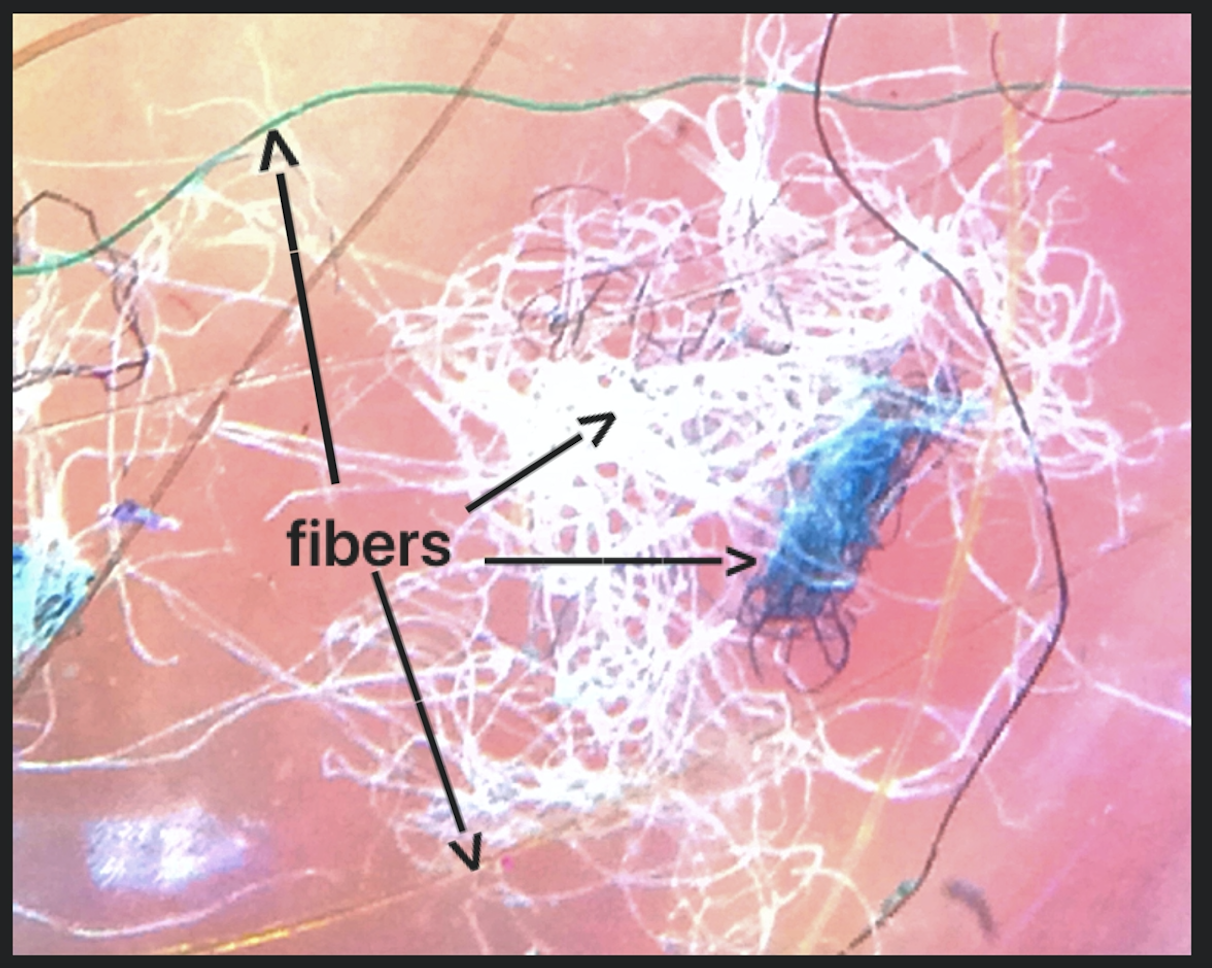
Morgellons is a controversial and poorly understood condition characterized by a range of unusual symptoms that predominantly affect the skin. People with Morgellons often experience the sensation of crawling or biting under the skin, with the presence of fibers or filaments protruding from the skin as one of the hallmark features. The cause of Morgellons is still unknown, leading to much debate and skepticism within the medical community.
Symptoms of Morgellons
The symptoms of Morgellons can vary from person to person, but some common symptoms include intense itching, crawling sensations, the presence of fibers or filaments in or on the skin, skin lesions, and a feeling of something moving under the skin. These symptoms can greatly impact a person’s quality of life, causing discomfort, distress, and social isolation.
Causes of Morgellons
The exact cause of Morgellons remains a mystery, and researchers have yet to uncover a single underlying cause for this perplexing condition. However, several theories have been proposed, including infectious agents, environmental factors, psychological factors, and even a form of delusional parasitosis. It is important to note that further research is needed to determine the true cause of Morgellons and to develop effective treatment strategies.
Diagnosing Morgellons
Challenges in diagnosing Morgellons
One of the major challenges in diagnosing Morgellons is the lack of specific diagnostic criteria and standardized testing methods. The symptoms associated with Morgellons can overlap with other skin conditions, making it difficult to differentiate and diagnose. Additionally, the controversy and skepticism surrounding Morgellons have further complicated the diagnostic process, leading to frustration for individuals seeking answers and appropriate treatment.
Diagnostic criteria for Morgellons
While there is no universally accepted diagnostic criteria for Morgellons, some healthcare providers follow a set of guidelines outlined by certain organizations. These guidelines generally include the presence of fibers or filaments in or on the skin, and the presence of related symptoms such as itching, crawling sensations, and skin lesions. It is important for healthcare professionals to conduct a thorough evaluation and take into account the physical symptoms, medical history, and psychological factors to make an accurate diagnosis.
Testing and examination methods
Due to the lack of standardized testing methods for Morgellons, healthcare providers often rely on a combination of physical examination, comprehensive medical history, and laboratory tests to rule out other possible causes of the symptoms. Skin biopsy may be performed to analyze the presence of fibers or filaments and to rule out other skin conditions. Additionally, blood tests may be conducted to check for any underlying infections or imbalances. It is important to work closely with a knowledgeable healthcare professional to determine the most appropriate diagnostic approach.
Traditional Treatment Approaches
Prescription medications
In some cases, prescription medications may be recommended to manage the symptoms associated with Morgellons. Antiparasitic medications, such as Ivermectin, may be prescribed to target any potential underlying parasites that could be contributing to the symptoms. Additionally, topical corticosteroids or antihistamines may be prescribed to help reduce inflammation and itching. It is important to note that the effectiveness of these medications may vary from person to person, and close monitoring by a healthcare professional is essential.
Topical treatments
Topical treatments can play a crucial role in managing Morgellons symptoms. Calamine lotion or creams containing menthol or camphor can provide temporary relief from itching and soothe the skin. Emollients and moisturizers can also help keep the skin hydrated and prevent dryness, which can exacerbate symptoms. It is advisable to choose hypoallergenic and fragrance-free products to minimize potential irritants.
Antibiotic therapy
In some cases, healthcare providers may prescribe antibiotics to manage secondary infections that can occur as a result of scratching and skin damage. Antibiotic therapy can help eliminate bacteria and reduce the risk of complications. However, it is important to use antibiotics judiciously and only as prescribed by a healthcare professional, as overuse or misuse can lead to antibiotic resistance and other adverse effects.
Holistic Treatment Approaches
Dietary changes
Making certain dietary changes can potentially alleviate some of the symptoms associated with Morgellons. It is recommended to focus on a nutrient-rich diet that includes plenty of fruits, vegetables, whole grains, lean proteins, and healthy fats. Avoiding processed foods, sugar, and caffeine may also be beneficial for some individuals. Additionally, staying well-hydrated by drinking an adequate amount of water can contribute to overall skin health.
Herbal remedies
Certain herbal remedies may offer relief for individuals with Morgellons. Tea tree oil, known for its antibacterial and antifungal properties, can be applied topically to soothe irritated skin and potentially manage secondary infections. Aloe vera gel, chamomile, and lavender have also been used to reduce inflammation and promote healing. Before using any herbal remedies, it is important to consult with a healthcare professional and ensure they do not interfere with any prescribed medications.
Supplements and vitamins
Supplements and vitamins can support overall health and potentially alleviate some symptoms associated with Morgellons. Omega-3 fatty acids, found in fish oil or flaxseed oil supplements, have anti-inflammatory properties that may help reduce skin inflammation and itching. Vitamin C and zinc supplements can support immune function and promote wound healing. However, it is crucial to consult with a healthcare professional before starting any new supplements, as they may interact with other medications or have potential side effects.
Managing Skin Symptoms
Cleansing and moisturizing
Proper cleansing and moisturizing techniques are essential in managing skin symptoms associated with Morgellons. Gentle cleansers should be used to wash the affected areas, avoiding harsh chemicals and fragrances that can further irritate the skin. After cleansing, gentle patting dry is recommended, followed by the application of a suitable moisturizer to maintain hydration and protect the skin’s barrier.
Avoiding triggers
Identifying and avoiding triggers can help minimize the frequency and severity of Morgellons symptoms. Some common triggers include exposure to certain fabrics, chemicals, or environmental factors such as extreme temperatures or humidity. Keeping a symptom diary can be helpful in identifying potential triggers and allowing for better management of symptoms.
Managing itchiness
Managing itchiness is crucial for individuals with Morgellons, as scratching can lead to further skin damage and secondary infections. Applying cool compresses or taking lukewarm baths can help relieve itching sensations. A healthcare professional may also recommend over-the-counter antihistamines to reduce itchiness. It is important to avoid scratching and seek alternative ways to soothe the skin, such as using moisturizers or engaging in relaxation techniques.
Coping with Psychological Effects
Psychological support
Living with Morgellons can have a significant impact on mental and emotional well-being. Seeking psychological support, such as counseling or therapy, can be beneficial in coping with the challenges of this condition. It provides a safe space to express concerns, manage stress, and learn effective coping strategies. Support groups can also offer a sense of community and understanding for those navigating the psychological effects of Morgellons.
Stress management techniques
Stress can exacerbate Morgellons symptoms, so it is important to incorporate stress management techniques into daily life. Engaging in activities such as yoga, meditation, deep breathing exercises, and mindfulness can help reduce stress levels. It may also be helpful to prioritize self-care, maintain a balanced lifestyle, and engage in hobbies or activities that bring joy and relaxation.
Cognitive-behavioral therapy
Cognitive-behavioral therapy (CBT) is a therapeutic approach that can be beneficial for individuals with Morgellons. CBT focuses on challenging and changing negative thought patterns, building coping skills, and developing a more positive mindset. This form of therapy can help individuals develop strategies to manage distressing symptoms, as well as address any underlying anxiety or depression that may be present.

Addressing Co-Infections and Secondary Conditions
Identifying and treating co-infections
Co-infections can occur alongside Morgellons, and it is important to identify and treat these infections promptly to prevent complications and promote healing. Sensitive laboratory tests may be conducted to detect any underlying bacterial, fungal, or viral infections. Once identified, appropriate antimicrobial treatments can be prescribed to target the specific pathogens involved.
Treating secondary conditions
Secondary conditions, such as dermatitis or eczema, can develop as a result of Morgellons. Treating these conditions involves managing the underlying inflammation, promoting skin healing, and preventing infection. Topical corticosteroids or immunomodulatory creams may be prescribed to reduce inflammation, while emollients and moisturizers can help restore and protect the skin barrier.
Working with healthcare professionals
Collaborating with knowledgeable healthcare professionals is crucial in addressing underlying co-infections and secondary conditions. Building a strong and trusting relationship with your healthcare team can ensure comprehensive and personalized care. Regular follow-up appointments and open communication are essential for effective management of Morgellons and its associated conditions.
Preventing Complications and Relapses
Maintaining good hygiene practices
Maintaining good hygiene practices is paramount to prevent complications and minimize relapses. Regularly washing hands and keeping affected areas of the skin clean can decrease the risk of infection. It is also important to avoid sharing personal items, such as towels or clothes, with others to minimize the spread of potential pathogens.
Monitoring and managing symptoms
Monitoring and managing symptoms can help individuals stay proactive in their treatment approach. Keeping a symptom diary can assist in identifying patterns and triggers, allowing for more effective management strategies. Additionally, adhering to prescribed treatment plans, attending regular follow-up appointments, and promptly reporting any changes or worsening of symptoms to healthcare professionals is crucial in maintaining control over Morgellons.
Developing a relapse prevention plan
Creating a relapse prevention plan can be beneficial for individuals with Morgellons. This plan should include strategies to manage triggers, coping mechanisms for times of increased stress, and steps for seeking prompt medical attention if symptoms worsen. Understanding and being prepared for potential relapses can help individuals regain control and minimize the impact on their overall well-being.

Alternative Therapies to Consider
Light therapy
Light therapy, or phototherapy, involves exposing the affected skin to specific wavelengths of light to promote healing and reduce inflammation. This can be performed using ultraviolet (UV) light or other specialized light sources. Light therapy has shown promise in managing various skin conditions and may be considered as an alternative treatment approach for some individuals with Morgellons. However, it is important to consult with a healthcare professional before pursuing this option.
Hyperbaric oxygen therapy
Hyperbaric oxygen therapy involves breathing pure oxygen in a pressurized environment, which can enhance tissue oxygenation and promote wound healing. Some individuals with Morgellons have reported improvement in their symptoms after receiving hyperbaric oxygen therapy. However, further research is required to fully understand its effectiveness and determine its appropriate use for Morgellons.
Acupuncture
Acupuncture is an ancient Chinese practice that involves inserting thin needles into specific points on the body. It is believed to restore the flow of energy and promote healing. While the evidence regarding acupuncture’s effectiveness for Morgellons is limited, some individuals have reported positive results in symptom reduction and overall well-being. If considering acupuncture, it is important to seek a qualified and licensed acupuncturist.
Support and Resources
Patient support groups
Joining a patient support group can provide a valuable source of support, understanding, and information for individuals with Morgellons. Sharing experiences with others facing similar challenges can help minimize feelings of isolation and provide practical tips for managing symptoms and accessing appropriate care. Support groups can be found online or in local communities, and participation can be in person or through virtual platforms.
Online forums and websites
Many online forums and websites are dedicated to Morgellons, offering a wealth of information, personal stories, and discussion platforms. These online resources can provide a sense of community, assistance in navigating the complexities of Morgellons, and access to the latest research and treatment updates. It is important to approach online information critically and consult with healthcare professionals for personalized advice.
Educational materials
Educational materials, such as books, articles, and documentaries, can help individuals better understand Morgellons and its management approaches. These resources can provide comprehensive information on the condition, treatment options, and self-care strategies. It is advisable to look for reliable and reputable sources when seeking educational materials.
In conclusion, understanding and managing Morgellons can be challenging due to the lack of consensus on its cause and the varying nature of its symptoms. Traditional treatment approaches, such as prescription medications and topical treatments, can offer relief for some individuals. However, holistic treatment approaches, including dietary changes, herbal remedies, and stress management techniques, can also play a crucial role in symptom management. It is important to work closely with healthcare professionals, support groups, and online resources to navigate the complexity of Morgellons and develop an individualized treatment plan. With proper care and support, it is possible to effectively manage and improve the quality of life for those living with Morgellons.