
Hey there! Have you ever heard of Morgellons? It’s a mysterious condition that has baffled scientists and doctors for years. In this article, we’ll be exploring some important nursing considerations and nursing management strategies for this unexplained illness. So if you’re a nurse or simply interested in learning more about this intriguing medical phenomenon, keep on reading!

Patient Assessment
Physical assessment
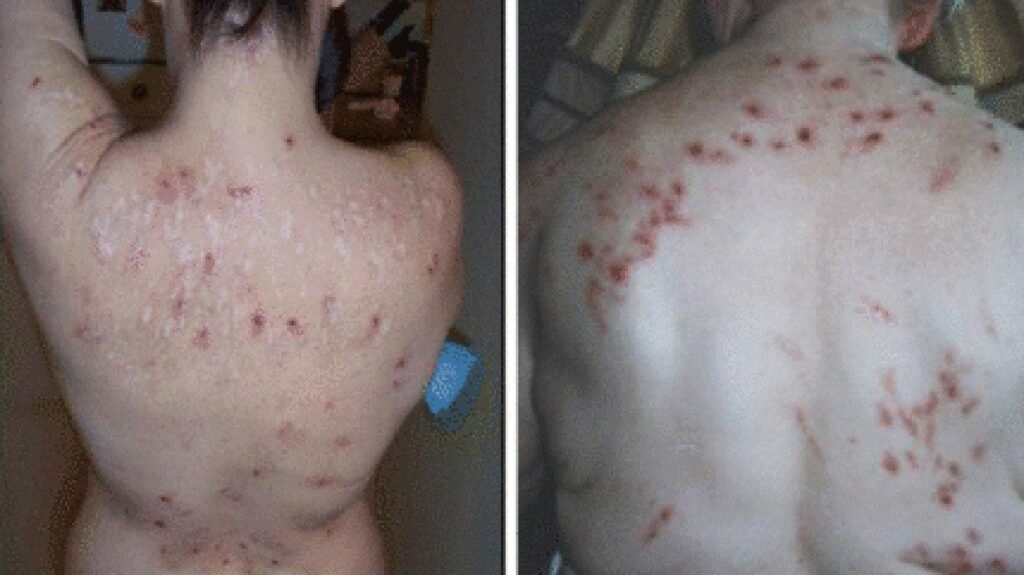
During the physical assessment, the nurse will examine the patient’s skin for any lesions, pruritus (itching), or other visible symptoms of Morgellons. This includes assessing the size, color, and location of the lesions, as well as the degree of pruritus experienced by the patient. The nurse will also evaluate the overall condition of the patient’s skin, noting any signs of infection or inflammation. Vital signs and general physical appearance will also be assessed to obtain a baseline for comparison throughout the treatment process.
Psychosocial assessment
In addition to the physical assessment, a thorough psychosocial assessment is essential in understanding the impact of Morgellons on the patient’s mental and emotional well-being. The nurse will assess the patient’s psychological distress levels and any accompanying anxiety or depression. It is important to assess for any pre-existing mental health conditions, as well as the patient’s coping mechanisms and level of social support. This assessment will provide valuable insight into the patient’s overall quality of life and help tailor interventions to address their specific psychosocial needs.
Identification of patient concerns and goals
As part of the assessment, the nurse should actively listen to the patient’s concerns and goals. This involves providing a safe and non-judgmental environment for the patient to express themselves. By understanding the patient’s concerns and goals, the nurse can tailor interventions and education to address their specific needs. It is important to foster a collaborative relationship with the patient, ensuring they feel empowered and included in decisions about their care.
Evaluation of patient’s knowledge about Morgellons
Assessing the patient’s knowledge about Morgellons is crucial in order to provide appropriate education and address any misconceptions. The nurse should inquire about the patient’s understanding of the condition, its causes, and available treatments. This assessment will help identify any knowledge gaps or misunderstandings that need to be addressed. It is important to provide reliable resources and correct any misconceptions to ensure the patient is well-informed and understands their condition.
Nursing Diagnosis
Impaired skin integrity related to lesions and pruritus
The presence of lesions and associated pruritus can significantly impact the integrity of the patient’s skin. Nursing diagnosis for impaired skin integrity will guide the nurse in developing interventions to promote healing and prevent infection. The nurse should regularly assess the condition of the skin, clean and care for the wounds, and provide appropriate wound dressings. Additionally, patient education on proper skin hygiene and wound care is essential in preventing further skin damage and promoting healing.
Disturbed body image related to visible and distressing symptoms
Morgellons can be accompanied by visible and distressing symptoms such as lesions and pruritus. These symptoms can have a significant impact on the patient’s body image and self-esteem. The nursing diagnosis of disturbed body image enables the nurse to provide support and interventions to address these concerns. The nurse should provide emotional support and reassurance, promote positive self-image, and encourage the patient to express their feelings and concerns. Referral to support groups or counseling services can also be beneficial in helping the patient cope with body image issues.
Anxiety related to unexplained symptoms and uncertainty
The unexplained nature of Morgellons symptoms often leads to anxiety and uncertainty for the patient. The nursing diagnosis of anxiety allows the nurse to implement interventions to alleviate anxiety and promote emotional well-being. The nurse should provide a safe and supportive environment, actively listen to the patient’s concerns, and provide education to address any misconceptions or fears. Implementing relaxation techniques such as deep breathing exercises or guided imagery can also help manage anxiety symptoms.
Ineffective coping related to chronic nature of Morgellons
Morgellons is a chronic condition that can pose significant challenges for patients in terms of coping. The nursing diagnosis of ineffective coping enables the nurse to provide interventions to help the patient develop effective coping strategies. The nurse should assess the patient’s current coping mechanisms and provide support and education on adaptive coping strategies. This may include engaging in enjoyable activities, practicing stress management techniques, and providing referrals for mental health support if needed.

Nursing Interventions
Promote skin hygiene and wound care
To promote skin hygiene and wound care, the nurse should educate the patient on proper hygiene practices, such as regular bathing with mild soap and lukewarm water. Emphasizing the importance of avoiding excessive scratching and keeping the affected areas clean is crucial in preventing infection and promoting healing. The nurse should also provide guidance on appropriate wound care, including the use of sterile dressings and topical ointments as prescribed.
Educate and support patient in managing symptoms
Education on managing symptoms is vital in empowering the patient to take control of their condition. The nurse should provide comprehensive information about available treatment options, symptom management strategies, and potential triggers. It is important to address any misconceptions the patient may have and provide reliable resources for further information. Ongoing support should be offered to the patient, including regular follow-up visits to monitor progress and adjust interventions as necessary.
Assist with coping strategies and relaxation techniques
Helping the patient develop effective coping strategies is essential in managing the chronic nature of Morgellons. The nurse should assess the patient’s current coping mechanisms and provide support in identifying and implementing adaptive techniques. This may include teaching relaxation techniques, such as deep breathing exercises or progressive muscle relaxation, as well as promoting engagement in enjoyable activities to improve overall well-being.
Collaborate with interdisciplinary team for comprehensive care
Collaboration with the interdisciplinary team is crucial in providing comprehensive care for patients with Morgellons. The nurse should actively communicate and collaborate with dermatologists and other specialists involved in the patient’s care. This ensures that the patient receives holistic treatment and therapeutic interventions specific to their needs. Additionally, coordinating care with the primary healthcare provider and involving community resources can further support the patient’s overall well-being.
Psychosocial Support
Provide emotional support and active listening
Emotional support and active listening play a vital role in addressing the psychosocial needs of patients with Morgellons. The nurse should create a safe and supportive environment where the patient feels comfortable expressing their concerns and fears. Active listening involves giving the patient your full attention, acknowledging their emotions, and providing empathetic responses. This can help alleviate anxiety, provide a sense of comfort, and foster a trusting relationship between the nurse and patient.
Refer patient to support groups or counseling services
Support groups and counseling services can be invaluable in helping patients cope with the emotional and psychological impact of Morgellons. The nurse should inform the patient about available support groups or counseling services that specialize in chronic conditions or dermatological concerns. These resources provide an opportunity for patients to connect with others who share similar experiences, gain coping strategies, and receive professional guidance in managing their condition.
Encourage engagement in enjoyable activities to improve well-being
Encouraging patients to engage in enjoyable activities can have a positive impact on their overall well-being. The nurse should discuss with the patient their hobbies, interests, and activities that bring them joy. Encouraging participation in these activities can provide a sense of normalcy and help distract from the distressing symptoms of Morgellons. By promoting engagement in enjoyable activities, the nurse supports the patient’s mental and emotional well-being.
Assist patient in managing social stigma and relationships
Facing social stigma and managing relationships can be challenging for patients with Morgellons. The nurse should provide support and education on how to address these issues. This may involve helping the patient communicate their condition to friends, family, or employers, and providing resources or educational materials to debunk misconceptions about Morgellons. Encouraging open communication and providing guidance on managing relationships can help alleviate the social burdens imposed by the condition.

Medication Management
Administer prescribed medications as ordered
Accurate administration of prescribed medications is crucial in managing the symptoms and promoting healing in patients with Morgellons. The nurse should ensure that medications are administered according to the prescribed schedule and route. It is important to follow medication administration guidelines and document all medications given to maintain an accurate record of the patient’s treatment.
Provide education on medication schedule and potential side effects
Education on the medication schedule is essential in promoting adherence and maximizing the benefits of treatment. The nurse should explain to the patient why medications are prescribed, when they should be taken, and any special instructions or precautions. It is also important to discuss potential side effects or adverse reactions, and what to do if they occur. This education helps empower the patient to take an active role in their medication management and report any concerns or adverse reactions promptly.
Monitor patient’s response to medication
Monitoring the patient’s response to medication is vital in evaluating the effectiveness of the prescribed treatment. The nurse should assess the patient for any changes in symptoms or progression of the condition. This involves regular follow-up visits and open communication with the patient to gather information about their response to treatment. Monitoring the patient’s response allows for adjustments to the treatment plan if necessary and ensures the patient is receiving optimal care.
Assist with medication adherence
Medication adherence can be challenging for patients with chronic conditions such as Morgellons. The nurse should provide support and education on strategies to improve medication adherence. This may include using pill organizers, setting reminders, or involving family members or caregivers in medication administration. Regular follow-up visits and ongoing communication with the patient allow for monitoring and addressing any barriers to medication adherence, such as side effects or difficulties with the medication schedule.
Patient Education
Educate patient and family about Morgellons
Providing education about Morgellons is essential in helping patients and their families understand the condition. The nurse should explain to the patient and family members the possible causes, symptoms, and available treatment options. It is important to use clear and understandable language, avoiding jargon or complex medical terminology. Providing education helps dispel any misconceptions, empowers the patient to actively participate in their care, and promotes open communication and support within the family.
Provide information on self-care measures and symptom management
Educating patients on self-care measures and symptom management empowers them to take an active role in managing their condition. The nurse should provide information on proper skin hygiene, wound care, and symptom relief strategies. This may include recommendations for soothing baths, application of moisturizers, and strategies to manage pruritus, such as cool compresses or over-the-counter anti-itch creams. Equipping patients with self-care knowledge helps improve their quality of life and promotes independence in managing their symptoms.
Teach patient about potential triggers and preventive strategies
Understanding potential triggers and implementing preventive strategies is crucial in managing Morgellons. The nurse should educate the patient about common triggers, such as stress or certain environmental factors, and how to avoid or minimize exposure to them. This may include strategies such as stress management techniques, using hypoallergenic products, and wearing protective clothing. By providing education on trigger avoidance and prevention, the nurse empowers the patient to take proactive measures in managing their condition.
Address misconceptions and provide reliable resources
Addressing misconceptions and providing reliable resources is important in guiding patients to accurate information and promoting informed decision-making. The nurse should address any misconceptions the patient may have about Morgellons and provide evidence-based information. This may involve debunking myths or misconceptions by sharing reliable resources, such as reputable websites, informational brochures, or support group information. Offering accurate information empowers the patient to make informed choices and ensures they have access to credible resources for ongoing education and support.
Collaborative Care
Collaborate with dermatologists and other specialists for skin evaluation and treatment
Collaboration with dermatologists and other specialists is crucial in providing comprehensive care to patients with Morgellons. The nurse should actively communicate and collaborate with dermatologists to obtain a thorough evaluation of the patient’s skin condition. This collaboration helps ensure accurate diagnosis, appropriate treatment plans, and timely interventions. By working collaboratively with specialists, the nurse can provide integrated care that addresses the specific needs of the patient.
Consult with mental health professionals to address anxiety and psychological distress
Consultation with mental health professionals can greatly benefit patients experiencing anxiety and psychological distress related to Morgellons. The nurse should collaborate with mental health professionals, such as psychologists or psychiatrists, to provide additional support and interventions. This may include cognitive-behavioral therapy, counseling, or pharmacological interventions as deemed appropriate. The collaboration between nursing and mental health professionals allows for a holistic approach to care, addressing both the physical and psychological aspects of the condition.
Coordinate care with primary healthcare provider for comprehensive management
Coordinating care with the primary healthcare provider is essential in ensuring comprehensive management of Morgellons. The nurse should communicate regularly with the primary healthcare provider to provide updates on the patient’s condition, progress, and any changes in treatment. This coordination helps optimize the patient’s care by ensuring all healthcare providers are working together towards a common goal. Regular communication allows for the timely adjustment of the treatment plan, if necessary, and ensures that the patient receives continuous and consistent care.
Involve community resources for holistic support
Engaging community resources can provide additional support and resources to patients with Morgellons. The nurse should collaborate with local community organizations or support groups that specialize in chronic conditions or dermatological concerns. These resources can provide valuable information, educational materials, and social support to patients and their families. Involving community resources promotes a holistic approach to care and helps address the broader needs of the patient beyond the medical treatment.
Documentation and Evaluation
Accurate and detailed documentation of patient assessments and interventions
Accurate and detailed documentation is crucial in ensuring continuity of care and maintaining a record of the patient’s progress. The nurse should document all patient assessments, interventions, and responses to treatment in a timely and thorough manner. This includes recording details of the physical assessments, psychosocial assessments, medication administration, education provided, and any collaboration with other healthcare professionals. Accurate documentation allows for effective communication among the healthcare team and ensures that the patient’s care is well-documented for legal and continuity purposes.
Regular evaluation of patient’s progress and adjustment of care plan
Regular evaluation of the patient’s progress is essential in determining the effectiveness of interventions and adjusting the care plan as necessary. The nurse should assess the patient’s response to treatment, including improvements in skin integrity, symptom management, coping strategies, and overall quality of life. If the patient’s condition is not improving as anticipated, adjustments to the care plan may be necessary. Regular evaluation ensures that patients receive individualized care based on their specific needs and responses to treatment.
Monitor for improvement in skin integrity, symptom management, and coping
Monitoring improvement in skin integrity, symptom management, and coping is a crucial aspect of evaluating the patient’s progress. The nurse should regularly assess the patient’s skin for any changes in the lesions, pruritus, or signs of infection. Monitoring the patient’s ability to manage symptoms and cope with the emotional and psychological impacts of Morgellons provides valuable information on the effectiveness of interventions. This ongoing evaluation allows for adjustments to the care plan and ensures that the patient’s needs are met throughout their treatment journey.
Reassess patient’s understanding and knowledge about Morgellons
Regularly reassessing the patient’s understanding and knowledge about Morgellons is important to address any misconceptions and provide ongoing education. The nurse should engage in conversations with the patient to assess their comprehension of the condition, treatment options, and self-care measures. This reassessment helps identify any knowledge gaps or misunderstandings that need to be addressed. By providing consistent education and support, as well as correcting any misconceptions, the nurse helps ensure the patient maintains an accurate understanding of their condition and is equipped with the necessary knowledge for effective self-management.

Ethical Considerations
Respect patient autonomy and choices in treatment
Respecting patient autonomy and choices in treatment is a fundamental ethical consideration in nursing care. The nurse should involve the patient in decision-making, ensuring they have access to accurate information about their condition and treatment options. This involves presenting information in an unbiased and understandable manner, allowing the patient to make informed choices based on their personal values and preferences. Respecting patient autonomy fosters a collaborative relationship and empowers the patient to actively participate in their care.
Maintain patient confidentiality and privacy
Maintaining patient confidentiality and privacy is of utmost importance in nursing care. The nurse should adhere to ethical and legal standards of patient privacy, ensuring that protected health information is kept confidential. This includes maintaining confidentiality during conversations with other healthcare professionals, storing patient information securely, and obtaining consent for sharing information with relevant parties. Respecting patient confidentiality helps build trust between the patient and the healthcare team, promoting open communication and patient-centered care.
Avoid stigmatization and judgment
Stigmatization and judgment have no place in nursing care and must be actively avoided. The nurse should approach the care of patients with Morgellons without preconceived notions or biases. It is important to provide non-judgmental support and understanding to patients, acknowledging their experiences and validating their concerns. By creating a safe and accepting environment, the nurse can help alleviate the social stigma often associated with Morgellons and contribute to the overall well-being of the patient.
Advocate for patient’s needs and rights
Advocating for the patient’s needs and rights is an integral component of nursing care. The nurse should actively listen to the patient, ensure their voices are heard, and address any concerns or barriers to care. This may involve advocating for access to necessary healthcare resources, collaborating with the interdisciplinary team to meet the patient’s specific needs, or providing information on patient rights and available support services. By advocating for the patient, the nurse promotes patient-centered care and empowers them to navigate their healthcare journey with confidence.
Continuing Education
Stay updated on current research and evidence-based practice
Continuing education is essential in nursing practice to stay informed about current research and evidence-based practices. The nurse should continually seek opportunities to expand their knowledge and skills in the field of Morgellons care. This may include attending conferences, workshops, or webinars focused on Morgellons, dermatology, or mental health nursing. Staying updated on current research and evidence-based practices ensures that patients receive the highest quality of care based on the latest advancements in the field.
Participate in conferences and workshops on Morgellons
Conferences and workshops specifically focused on Morgellons can provide valuable insights, research updates, and networking opportunities for nurses. Attending these events allows nurses to learn from experts in the field, share experiences with peers, and gain new perspectives on the care of patients with Morgellons. Participation in conferences and workshops promotes ongoing professional development and enhances the nurse’s ability to provide evidence-based and patient-centered care.
Engage in peer discussions and case studies
Engaging in peer discussions and case studies contributes to professional growth and knowledge sharing. The nurse should actively participate in discussions with colleagues, sharing experiences, and seeking advice or feedback. Collaborative problem-solving and knowledge sharing with peers create opportunities for learning and continuous improvement. By engaging in peer discussions and case studies, the nurse gains valuable insights and perspectives that can benefit their practice in caring for patients with Morgellons.
Pursue further specialization in dermatology or mental health nursing
Pursuing further specialization in dermatology or mental health nursing can greatly enhance the nurse’s ability to provide comprehensive care for patients with Morgellons. The nurse may consider pursuing advanced certifications or additional education in these specialties to develop a deeper understanding of the specific needs of patients with dermatological or mental health conditions. Specializing in these areas equips the nurse with the knowledge and skills needed to deliver specialized care and support to individuals managing Morgellons.