
Meningitis, a potentially life-threatening illness, can wreak havoc on the health and well-being of children. In this article, we will explore the key facts about meningitis and highlight crucial prevention measures that can be taken to protect children from this devastating disease. By understanding the signs and symptoms, getting vaccinated, practicing good hygiene, and being aware of potential risk factors, you can help safeguard your child’s health and provide them with the best possible protection against meningitis.
What is Meningitis?
Meningitis is a serious medical condition that involves inflammation of the protective membranes surrounding the brain and spinal cord. These membranes, known as the meninges, can become infected by bacteria, viruses, or fungi, resulting in meningitis. This condition can be life-threatening and requires immediate medical attention.
Types of Meningitis
Bacterial Meningitis
Bacterial meningitis is caused by various types of bacteria, including Streptococcus pneumoniae, Neisseria meningitidis, and Haemophilus influenzae. This type of meningitis is highly contagious and can spread through close contact with an infected individual. Bacterial meningitis is a medical emergency and can lead to severe complications if not treated promptly.
Viral Meningitis
Viral meningitis, also known as aseptic meningitis, is the most common form of meningitis. It is usually caused by viruses such as enteroviruses, herpes simplex virus, and West Nile virus. Unlike bacterial meningitis, viral meningitis tends to be less severe and often resolves on its own without specific treatment. However, medical care may still be necessary to manage symptoms and prevent complications.
Fungal Meningitis
Fungal meningitis is a rare but serious form of meningitis that is caused by fungal infections. It is more common in individuals with weakened immune systems, such as those with HIV/AIDS or undergoing cancer treatment. The most common cause of fungal meningitis is Cryptococcus neoformans. Treatment for fungal meningitis typically involves long-term antifungal therapy and close monitoring.
Causes and Risk Factors
Bacterial Infections
Bacterial meningitis usually occurs when bacteria enters the bloodstream and travels to the brain and spinal cord. Infections of the respiratory tract, ears, or sinuses can lead to the development of bacterial meningitis. Certain strains of bacteria, such as Streptococcus pneumoniae and Neisseria meningitidis, are particularly associated with meningitis.
Viral Infections
Viral meningitis is commonly caused by viruses that can spread from person to person through respiratory secretions, fecal-oral transmission, or insect bites. Enteroviruses, herpes viruses, and West Nile virus are common culprits. Poor hygiene practices, crowded living conditions, and close contact with infected individuals increase the risk of viral meningitis.
Fungal Infections
Fungal meningitis is typically caused by inhaling fungal spores or through the bloodstream from another infected site. Cryptococcus neoformans is the most common fungus associated with meningitis, although other fungi can also cause the condition. Individuals with weakened immune systems, such as those with HIV/AIDS or undergoing organ transplantation, are more susceptible to fungal meningitis.
Inadequate Vaccination
Inadequate immunization or lack of vaccination against specific bacterial and viral infections increases the risk of developing meningitis. Vaccines such as the meningococcal and pneumococcal vaccines are highly effective in preventing bacterial meningitis. However, the effectiveness of vaccines can vary depending on the specific strain of bacteria or virus causing the infection.
Age and Immune System
Certain age groups are more susceptible to meningitis. Infants, children, and adolescents, particularly those attending daycare centers or living in close quarters, are at higher risk due to their still-developing immune systems. Additionally, individuals with compromised immune systems, such as those with HIV/AIDS or undergoing chemotherapy, have an increased susceptibility to meningitis.
Signs and Symptoms
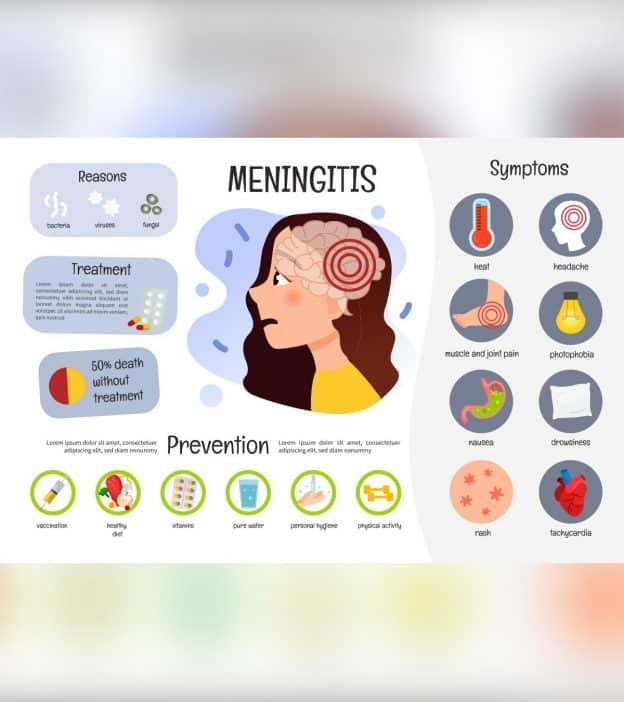
Neck Stiffness
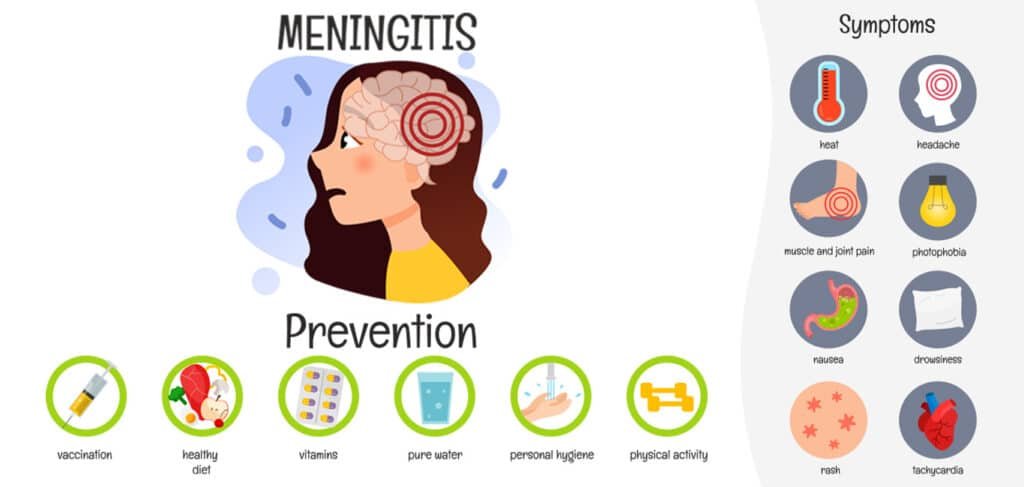
One of the hallmark signs of meningitis is neck stiffness. This occurs due to the inflammation of the meninges, making it difficult to touch the chin to the chest. Neck stiffness is often accompanied by severe headache and can be a significant indicator of meningitis.
Severe Headache
Meningitis causes intense headaches that can be debilitating. The headache is usually persistent, severe, and worsens with movement. It is often described as a throbbing or pounding pain and can be one of the initial symptoms of meningitis.
Fever
Fever is a common symptom of meningitis and is often accompanied by other flu-like symptoms. The body’s immune response to the infection leads to an elevated body temperature. A high fever, particularly in combination with other symptoms, should not be ignored and warrants immediate medical attention.
Nausea and Vomiting
Nausea and vomiting are frequently observed in individuals with meningitis. These symptoms may be caused by the body’s response to the infection, increased intracranial pressure, or irritation of the gastrointestinal tract. Nausea and vomiting should be taken seriously, especially when accompanied by other signs of meningitis.
Photophobia
Meningitis can cause extreme sensitivity to light, known as photophobia. Bright light, even from ordinary indoor lighting, can cause discomfort and pain. Photophobia is due to the inflammation around the brain and can be a significant indication of meningitis.
Disorientation
Meningitis can affect mental status, leading to confusion, disorientation, and changes in behavior. Individuals with meningitis may appear confused, have difficulty concentrating, or experience memory problems. Any sudden changes in mental state should be evaluated by a healthcare professional.
Seizures
Seizures can occur in individuals with meningitis, particularly in cases of bacterial meningitis. These seizures may be generalized or focal, with the affected individual experiencing muscle spasms, loss of consciousness, or abnormal movements. Seizures require immediate medical attention.
Skin Rash
Certain types of meningitis, such as meningococcal meningitis, can cause a characteristic skin rash known as petechiae or purpura. This rash does not fade when pressure is applied and may be a sign of severe infection. If a non-blanching rash is noticed, urgent medical care is essential.
Diagnosis
Physical Examination
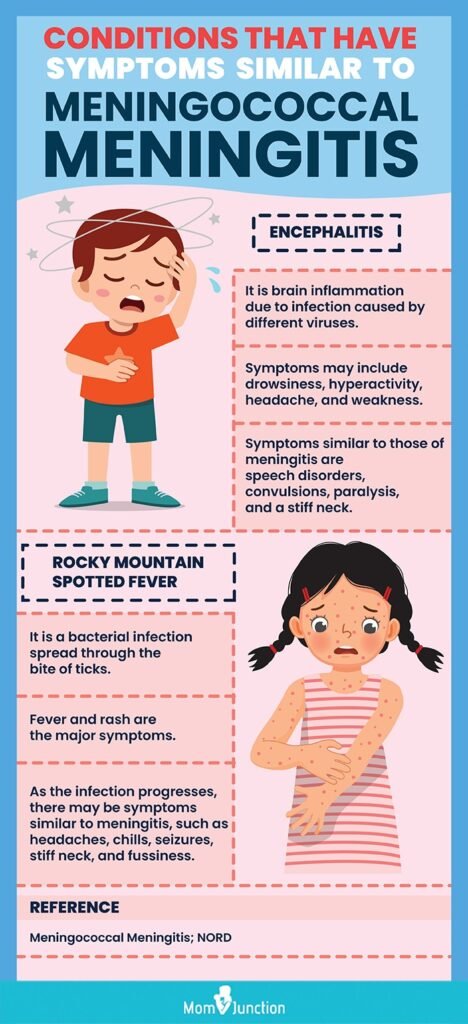
A physical examination may reveal important clinical signs such as neck stiffness, altered mental status, and the presence of a skin rash. The healthcare provider will carefully assess these signs and symptoms to determine the possibility of meningitis and guide further diagnostic evaluation.
Lumbar Puncture
A lumbar puncture, also known as a spinal tap, is a key diagnostic procedure for meningitis. It involves collecting cerebrospinal fluid (CSF) from the spinal canal to examine for signs of infection. CSF analysis can help identify the type of meningitis and guide appropriate treatment.
Blood Tests
Blood tests may be ordered to assess the overall health of the individual and determine the presence of infection and inflammation. These tests can provide valuable information to support the diagnosis of meningitis and assist in identifying the causative organism.
Imaging Tests
In some cases, imaging tests such as a CT scan or MRI may be performed to assess the brain and spinal cord for any structural abnormalities, such as abscesses or swelling. These tests can help identify potential complications and guide treatment decisions.
Treatment and Management
Hospitalization
Meningitis, particularly bacterial meningitis, usually requires hospitalization for close monitoring and intensive treatment. Hospitalization allows healthcare professionals to closely observe the individual’s condition, administer intravenous antibiotics or antiviral medications, and provide supportive care to manage symptoms.
Antibiotic Therapy
If bacterial meningitis is suspected or confirmed, prompt administration of antibiotics is crucial. The choice of antibiotics depends on the specific bacteria causing the infection and may include broad-spectrum antibiotics initially until the bacteria can be identified through laboratory testing. Early initiation of appropriate antibiotic therapy is vital to reduce complications and improve outcomes.
Antiviral Medications
In cases of viral meningitis caused by certain viruses, such as herpes simplex virus, antiviral medications may be prescribed. These medications can help reduce the severity and duration of symptoms, although the primary treatment for viral meningitis is supportive care to manage symptoms and support the body’s natural immune response.
Fungal Medications
Fungal meningitis requires long-term treatment with antifungal medications. The specific antifungal agent and treatment duration depend on the type of fungus causing the infection. Treatment for fungal meningitis often lasts several weeks or even months and may require close monitoring of drug levels in the blood.
Supportive Care
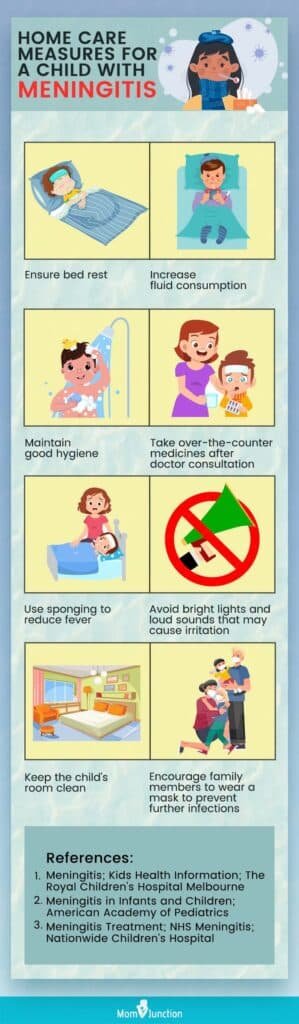
Supportive care plays a vital role in managing meningitis. This may include measures to reduce fever, alleviate pain, and manage symptoms such as nausea and vomiting. Adequate fluid intake, rest, and close monitoring of vital signs are important to support the body’s healing process.
Complications
Hearing Loss
One of the potential complications of meningitis is hearing loss. The inflammation caused by the infection can damage the delicate structures of the inner ear, leading to hearing impairment. Prompt diagnosis and treatment of meningitis can help reduce the risk of hearing loss, but in some cases, long-term hearing aids or cochlear implants may be necessary.
Vision Problems
Meningitis can also result in vision problems, including blurred vision, double vision, or even blindness. This can occur due to inflammation affecting the optic nerve or damage to other structures of the visual system. Timely treatment and rehabilitation can help manage vision problems associated with meningitis.
Cognitive Impairment
Meningitis can affect cognitive functioning, leading to difficulties with memory, concentration, and other cognitive processes. In severe cases, individuals may experience long-term cognitive impairment. Rehabilitation services, cognitive therapy, and support from healthcare professionals can help individuals regain cognitive function and adapt to any permanent changes.
Seizures
Seizures are a potential complication of meningitis, particularly bacterial meningitis. These seizures can be brief and self-limiting or longer in duration, requiring medical intervention. Seizures associated with meningitis often respond well to antiseizure medications, but ongoing monitoring may be necessary to prevent future episodes.
Gait Disturbances
Some individuals may experience gait disturbances or difficulties with coordination after recovering from meningitis. This can be due to damage to certain areas of the brain or the nervous system as a result of the infection. Rehabilitation programs, physical therapy, and occupational therapy can aid in improving gait and coordination for individuals with residual deficits.
Prevention
Preventing meningitis involves various strategies aimed at reducing the risk of infection. Key preventive measures include:
-
Vaccination: Vaccines such as the meningococcal and pneumococcal vaccines are highly effective in preventing bacterial meningitis. Keeping up to date with recommended immunizations is crucial, especially for high-risk individuals.
-
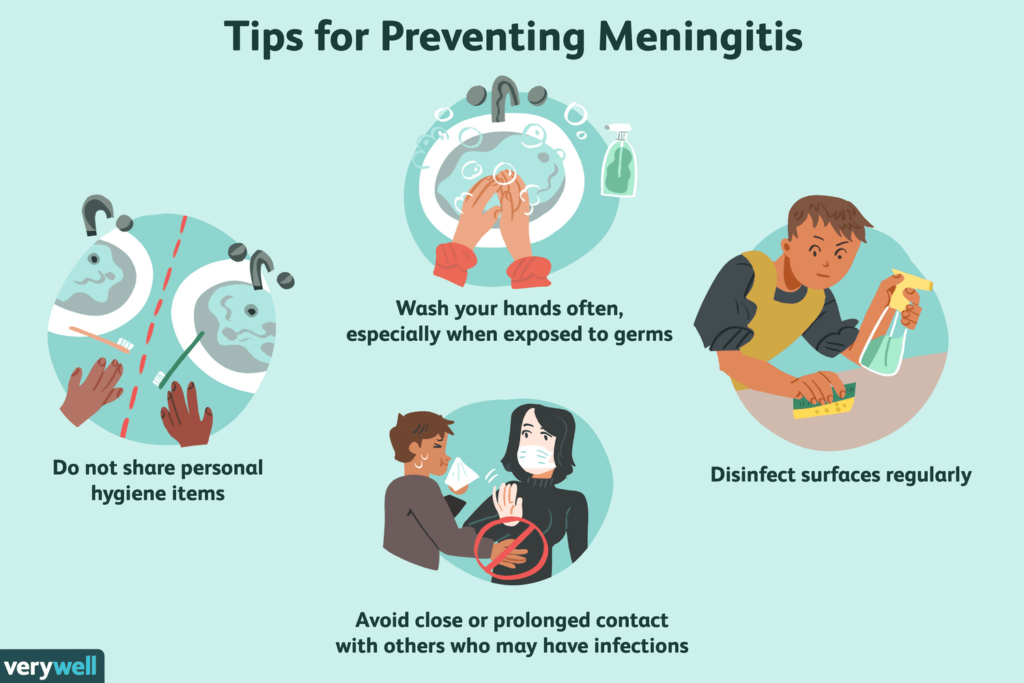
Maintaining good hygiene: Practicing good hygiene, such as regular handwashing, avoiding close contact with sick individuals, and covering the mouth and nose when coughing or sneezing, can help reduce the spread of infectious agents that can cause meningitis.
-
Promoting a clean environment: Ensuring clean living environments, particularly in settings such as daycare centers, can help minimize the risk of meningitis transmission. Regular cleaning and disinfection of surfaces and toys can aid in preventing the spread of infectious agents.
-
Education and awareness: Education about the signs and symptoms of meningitis, as well as the importance of vaccination, can help individuals recognize the condition early and seek appropriate medical care. Increased awareness in the community can also contribute to the prevention of meningitis.
Vaccination
Vaccination is one of the most effective methods of preventing meningitis. Vaccines are available to protect against certain bacterial and viral infections that can cause meningitis. The meningococcal vaccine, Haemophilus influenzae type b (Hib) vaccine, and pneumococcal vaccine are routinely recommended for infants and children. Adolescents and young adults are also advised to receive the meningococcal vaccine. It is essential to consult a healthcare professional regarding the appropriate vaccination schedule and any specific recommendations based on individual circumstances.
Conclusion
Meningitis is a serious condition that can have severe and even life-threatening consequences. Understanding the different types of meningitis, the signs and symptoms, and the importance of timely diagnosis and treatment is crucial for protecting individuals from potential complications. By staying informed, practicing good hygiene, and ensuring adequate vaccination, we can work together to prevent the spread of meningitis and promote the health and well-being of our communities.