
Meningitis is a serious illness that can have devastating effects on individuals and communities. To protect yourself and your loved ones, it is crucial to understand the importance of vaccination and hygiene practices in preventing this infectious disease. By staying up to date with recommended vaccinations and maintaining good personal hygiene, you can significantly reduce the risk of contracting and spreading meningitis. In this article, we will explore the key strategies for preventing meningitis, providing you with the knowledge and tools to keep yourself and your community safe.
Vaccination
Recommended vaccines
Vaccination is an essential aspect of maintaining good health, and when it comes to preventing diseases like meningitis, it becomes even more crucial. Meningitis vaccines are highly recommended by healthcare professionals to protect individuals from the potentially devastating effects of this illness.
Types of vaccines
There are different types of vaccines available for meningitis prevention. The two main categories are conjugate vaccines and polysaccharide vaccines. Conjugate vaccines are often given to infants and children, while polysaccharide vaccines are more commonly used in adults. Combination vaccines that protect against multiple diseases, including meningitis, are also available.
Vaccine schedule
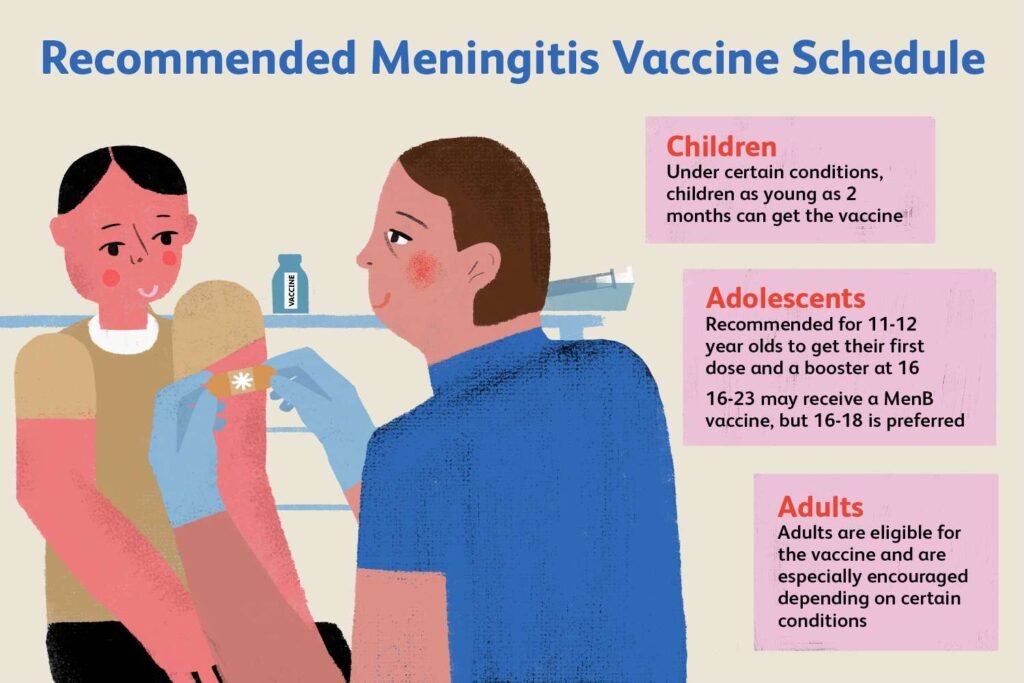
The timing and frequency of meningitis vaccination are determined by age and individual risk factors. For infants and children, a primary vaccination series is typically recommended, followed by booster doses at certain intervals. Adolescents, young adults, and individuals with certain medical conditions may require different vaccination schedules. Catch-up vaccination is also an option for those who missed the recommended doses.
Effectiveness of vaccines
Vaccines have proven to be highly effective in preventing meningitis. They stimulate the immune system to develop protective antibodies against the bacteria or viruses that cause the disease. This not only helps the vaccinated individual but also contributes to herd immunity. It is important to note that while vaccines significantly reduce the risk of meningitis, no vaccine provides 100% protection. However, even in cases where an individual still contracts meningitis despite being vaccinated, the severity of the illness is often reduced.
Understanding Meningitis
Definition of meningitis
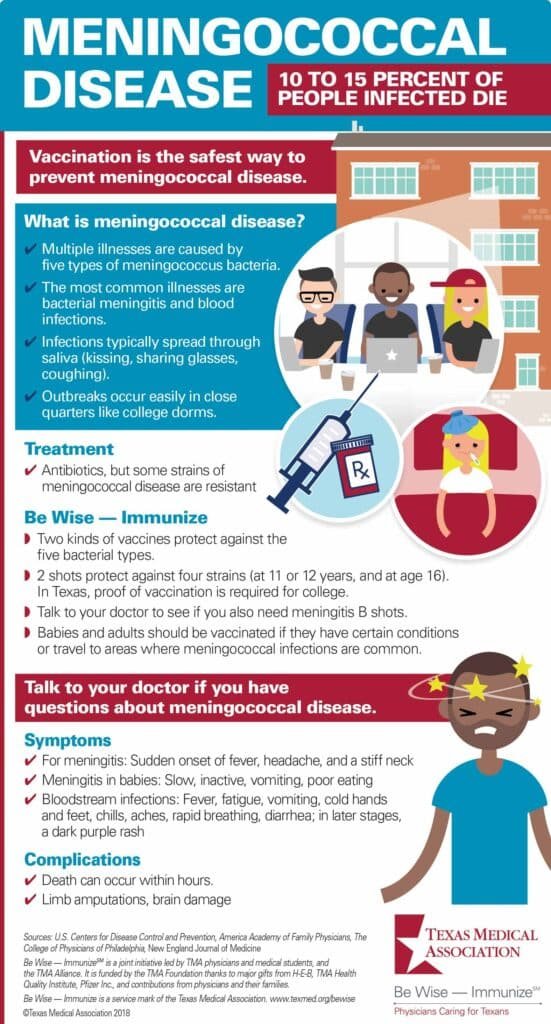
Meningitis is an inflammation of the protective membranes covering the brain and spinal cord. This inflammation is usually caused by an infection, which can be bacterial, viral, or fungal in nature. Bacterial meningitis, in particular, is a serious and potentially life-threatening condition that requires immediate medical attention.
Causes of meningitis
Meningitis can be caused by various microorganisms, such as bacteria, viruses, and fungi. In bacterial meningitis, the most common bacteria responsible for the infection include Streptococcus pneumoniae, Neisseria meningitidis, and Haemophilus influenzae. Viral meningitis is usually caused by enteroviruses, but other viruses can also be responsible. Fungal meningitis is relatively rare and mainly affects individuals with weakened immune systems.
Signs and symptoms of meningitis
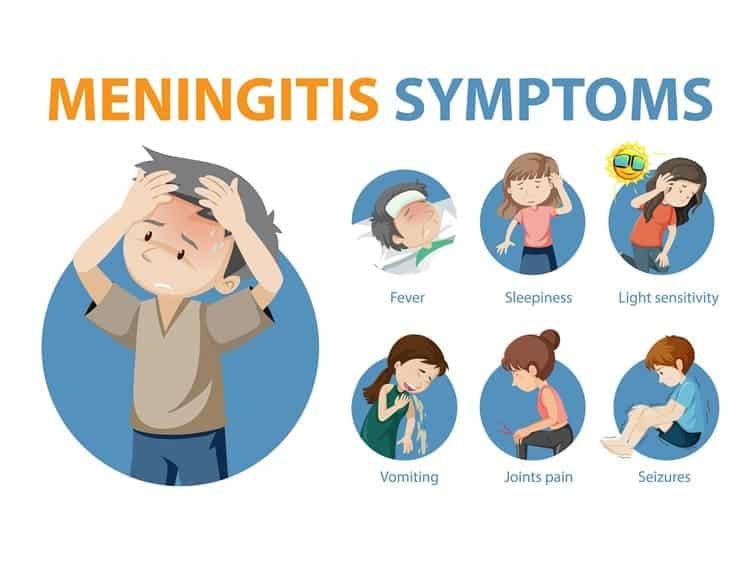
Recognizing the signs and symptoms of meningitis is crucial for early detection and prompt medical intervention. The common symptoms include high fever, severe headache, neck stiffness and pain, nausea and vomiting, sensitivity to light, confusion or altered mental state, seizures, and a distinctive skin rash. It is important to note that not all individuals will display the same symptoms, and the severity can vary.
Risk Factors for Meningitis
Age
Certain age groups are more susceptible to meningitis. Infants, particularly those under the age of one, are at a higher risk due to their developing immune systems. Adolescents and young adults, especially those living in close quarters such as college dormitories, also face an increased risk.
Exposure to meningitis bacteria
Close contact with individuals carrying meningitis-causing bacteria significantly increases the risk of infection. This includes being in contact with respiratory and throat secretions, such as through coughing, sneezing, or kissing.
Living in close quarters
Living in crowded environments, such as military barracks, college dormitories, or long-term care facilities, can contribute to the spread of meningitis. The close proximity of individuals and the potential for sharing respiratory secretions make these environments conducive to transmission.
Weakened immune system
Individuals with weakened immune systems, such as those with HIV/AIDS, undergoing chemotherapy, or taking immunosuppressive medications, are more susceptible to infections, including meningitis.
Traveling to certain regions
Meningitis outbreaks can occur in specific regions, especially those known as the “meningitis belt” in sub-Saharan Africa. Traveling to these high-risk areas increases the chances of exposure to meningitis-causing bacteria.
Preventing Bacterial Meningitis
Vaccination
Vaccination is the most effective way to prevent bacterial meningitis. By receiving the recommended vaccines, individuals can protect themselves from various strains of bacteria that cause meningitis. Vaccinations are especially important for infants, children, and adolescents, as they are more vulnerable to the infection.
Avoiding close contact with infected individuals
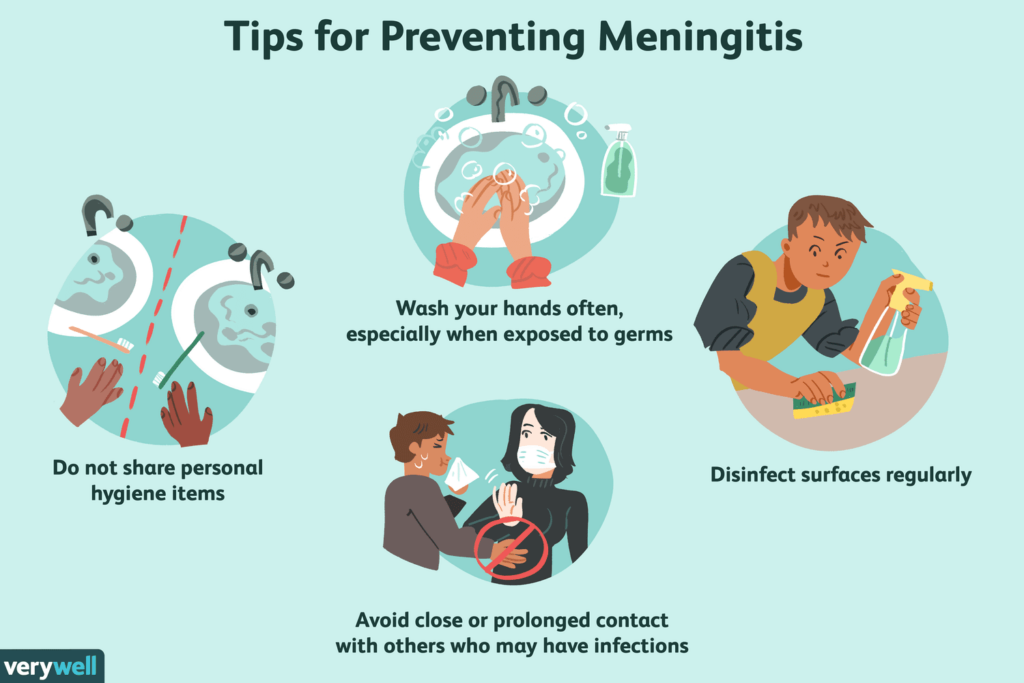
Since meningitis is spread through respiratory and throat secretions, it is essential to avoid close contact with individuals who have been diagnosed with the disease. This includes sharing items such as utensils, water bottles, or personal hygiene products.
Covering your mouth and nose
Practicing good respiratory hygiene is crucial in preventing the spread of meningitis-causing bacteria. Covering your mouth and nose when coughing or sneezing with a tissue or your elbow can help minimize the release of respiratory droplets.
Practicing good hygiene
Maintaining good hygiene is vital in preventing bacterial infections. Regularly washing your hands with soap and water for at least 20 seconds, especially before eating or touching your face, can help reduce your risk of contracting meningitis.
Staying healthy and boosting your immune system
A strong immune system can help fight off infections, including meningitis. Practicing a healthy lifestyle, which includes regular exercise, a balanced diet, adequate sleep, and managing stress, can help boost your immune system and reduce the risk of infection.
Vaccine Recommendations
Infants and children
For infants, vaccination against meningitis is typically initiated at two months of age, with subsequent doses following at specific intervals. The specific vaccines recommended for infants include those targeting Haemophilus influenzae type b (Hib), pneumococcal disease, and meningococcal disease.
Adolescents and young adults
Adolescents and young adults, especially those living in close quarters or participating in certain activities such as college or military service, are at an increased risk of meningitis. Vaccination against meningococcal disease is highly recommended for this age group, particularly before entering high school or college.
Adults with certain medical conditions
Individuals with certain medical conditions, such as those with damaged or removed spleens, HIV/AIDS, or complement component deficiencies, are more prone to infections, including meningitis. Vaccination against meningococcal disease is often recommended for adults with these conditions.
Travelers to high-risk areas
Those planning to travel to regions known for higher rates of meningitis, such as the meningitis belt in sub-Saharan Africa, should consider vaccination. A travel health consultation with a healthcare professional can help determine the specific vaccines needed based on the destination and the individual’s health status.
Vaccine Types
Conjugate vaccines
Conjugate vaccines are a common type of meningitis vaccine. These vaccines use a carrier protein to enhance the immune response, allowing the body to recognize and fight the meningitis-causing bacteria. Conjugate vaccines are often given to infants and children for protection against Haemophilus influenzae type b (Hib) and certain strains of Neisseria meningitidis.
Polysaccharide vaccines
Polysaccharide vaccines are another type of meningitis vaccine that contain surface sugars from the bacteria responsible for meningitis. These vaccines stimulate the immune system to produce antibodies against the sugars. Polysaccharide vaccines are primarily used in adults for protection against meningococcal disease.
Combination vaccines
Combination vaccines offer protection against multiple diseases, including meningitis, in a single shot. These vaccines are particularly convenient for individuals requiring multiple vaccinations, such as infants and young children. By combining several vaccines into one, the number of individual shots can be reduced, minimizing discomfort and improving adherence to the recommended vaccination schedule.
Vaccine Schedule
Primary vaccination series
For infants and children, a primary vaccination series is typically recommended to establish immunity against meningitis. This series starts at two months of age and includes multiple doses administered at specific intervals. The exact schedule may vary depending on the specific vaccines used and the country’s vaccination guidelines.
Booster doses
In some cases, booster doses of meningitis vaccines are recommended to ensure long-term protection. Boosters are usually given at specific intervals after the primary series to reinforce the immune response. Adolescents, young adults, and individuals with certain medical conditions may require booster doses to maintain immunity.
Catch-up vaccination
For individuals who missed the recommended meningitis vaccines during infancy or childhood, catch-up vaccination is an option. This allows them to still receive the necessary vaccines to protect against meningitis, even if it is at a later age than initially recommended. Catch-up schedules may differ from the routine schedules, and healthcare professionals can provide guidance on the appropriate timing and doses.
Vaccine Effectiveness
Herd immunity
Vaccination not only provides direct protection to the vaccinated individual but also contributes to herd immunity. Herd immunity occurs when a significant portion of the population is immune to a specific disease, making it harder for the disease to spread. By reducing the number of susceptible individuals, vaccination indirectly protects those who cannot be vaccinated, such as newborns or individuals with weakened immune systems.
Vaccine efficacy
The efficacy of meningitis vaccines varies depending on the specific vaccine and the strain of bacteria or virus it targets. However, overall, vaccines have shown high efficacy in preventing meningitis. Clinical trials and real-world studies have demonstrated that vaccinated individuals are significantly less likely to develop meningitis compared to those who are not vaccinated.
Duration of protection
The duration of protection provided by meningitis vaccines can vary. Some vaccines offer long-term immunity, while others may require booster doses to maintain adequate protection. It is important to follow the recommended vaccination schedule and consult healthcare professionals for guidance on booster doses and additional immunizations.

Recognizing Meningitis Symptoms
High fever
One of the hallmark symptoms of meningitis is a high fever. If you or someone you know develops a sudden and persistent high fever, particularly in conjunction with other symptoms, it is advisable to seek medical attention promptly.
Severe headache
Meningitis often presents with a severe headache that can be debilitating. The headache may persist and not improve with common pain relief medications. If you experience a persistent and severe headache, it is important to consult a healthcare professional.
Neck stiffness and pain
Neck stiffness and pain are common symptoms of meningitis. If you find it difficult to bend your neck forward or experience sharp pain when doing so, it is essential to seek immediate medical attention.
Nausea and vomiting
Nausea and vomiting can occur in meningitis cases. If you experience persistent and severe nausea and vomiting, along with other symptoms, it is important to consult a healthcare professional.
Sensitivity to light
Meningitis can cause sensitivity to light, a condition called photophobia. If you find it uncomfortable or painful to be exposed to bright lights or experience an increased sensitivity to light, it may be a sign of meningitis and should be evaluated by a healthcare professional.
Confusion or altered mental state
Confusion, altered mental state, or difficulty concentrating are significant signs of meningitis. If you or someone you know suddenly becomes confused, disoriented, or experiences changes in behavior, it is crucial to seek immediate medical attention.
Seizures
Seizures can occur in severe cases of meningitis. If you or someone around you experiences a seizure without a history of epilepsy or known triggers, it is essential to seek medical help.
Skin rash
A distinctive skin rash, known as petechiae, may appear in some cases of meningitis. This rash consists of small red or purple spots that do not fade when pressed. If you notice this type of rash on your skin, it is important to seek urgent medical attention.
Responding to Meningitis Symptoms
Seeking immediate medical attention
If you or someone you know exhibits symptoms of meningitis, it is crucial to seek immediate medical attention. Meningitis can progress rapidly and can be life-threatening if not treated promptly. Call emergency services or go to the nearest emergency room for evaluation and appropriate medical care.
Diagnostic tests
To confirm a diagnosis of meningitis, healthcare professionals may order various diagnostic tests. These can include a physical examination, lumbar puncture (spinal tap), blood tests, imaging studies, and analysis of cerebrospinal fluid. These tests help identify the presence of bacteria, viruses, or fungi and determine the appropriate course of treatment.
Treatment options
Treatment for meningitis depends on the underlying cause, whether it is bacterial, viral, or fungal. Bacterial meningitis requires immediate treatment with antibiotics, while the treatment for viral and fungal meningitis focuses on supportive care to manage symptoms and allow the body’s immune system to fight the infection. In severe cases, hospitalization may be necessary to provide close monitoring and specialized care.
In conclusion, meningitis is a serious illness that can have severe consequences if not prevented or treated promptly. Vaccination against meningitis, along with practicing good hygiene and being aware of the risk factors, is the most effective way to protect yourself and others. By understanding the signs and symptoms of meningitis and responding promptly to any concerns, you can help ensure early detection and appropriate medical intervention when needed. Remember, your health and well-being are important, so stay informed and take necessary measures to safeguard yourself against meningitis.