
Menopause is a natural biological process that marks the end of a woman’s reproductive years, typically occurring between the ages of 45 and 55. As you transition through this phase, your body undergoes significant hormonal changes, particularly a decrease in estrogen levels. This hormonal shift can lead to various physical and emotional symptoms, including hot flashes, mood swings, and sleep disturbances.
One of the most common concerns during menopause is weight gain, which can be attributed to several factors, including hormonal fluctuations, changes in metabolism, and lifestyle adjustments. As you navigate through menopause, you may notice that your body composition changes. Many women experience an increase in abdominal fat, which can be frustrating and concerning.
This weight gain is not solely due to hormonal changes; it can also be influenced by factors such as aging, decreased physical activity, and dietary habits. Understanding these dynamics is crucial for developing effective strategies to manage your weight during this transitional period. By recognizing the underlying causes of weight gain during menopause, you can take proactive steps to maintain a healthy weight and improve your overall well-being.
Key Takeaways
- Menopause can lead to weight gain due to hormonal changes and decreased metabolism.
- Probiotics can play a role in managing menopausal weight by promoting gut health and metabolism.
- Menopause can negatively impact gut health, leading to digestive issues and weight gain.
- Probiotics have been linked to improved metabolism in menopausal women, aiding in weight management.
- Choosing the right probiotics, such as those with Lactobacillus and Bifidobacterium strains, is important for menopausal weight loss.
The Role of Probiotics in Menopausal Weight Management
Probiotics are live microorganisms that provide health benefits when consumed in adequate amounts. They are often referred to as “good” bacteria because they help maintain a healthy balance of gut flora. As you enter menopause, incorporating probiotics into your diet may play a significant role in managing weight.
Research suggests that a healthy gut microbiome can influence various metabolic processes, including fat storage and energy expenditure. When you consume probiotics, they can help improve digestion and nutrient absorption, which is essential for maintaining a healthy weight. Additionally, probiotics may help regulate appetite by influencing hormones related to hunger and satiety.
By fostering a balanced gut microbiome, you may find it easier to manage cravings and make healthier food choices. This can be particularly beneficial during menopause when hormonal fluctuations can lead to increased appetite and cravings for unhealthy foods.
How Menopause Affects Gut Health
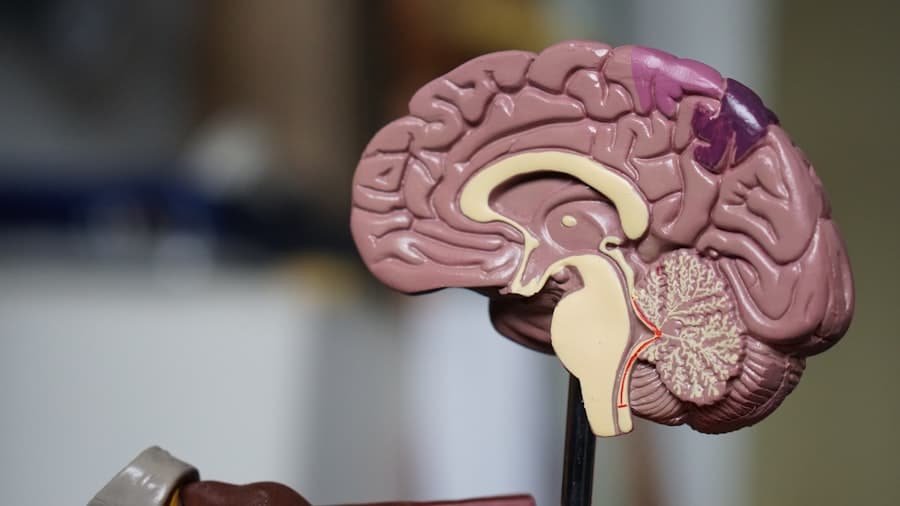
The hormonal changes associated with menopause can have a profound impact on your gut health. As estrogen levels decline, the composition of your gut microbiome may shift, leading to an imbalance of beneficial and harmful bacteria. This imbalance can result in digestive issues such as bloating, constipation, and an increased risk of gastrointestinal disorders.
Furthermore, a compromised gut health can contribute to weight gain and difficulty losing weight. Maintaining a healthy gut during menopause is essential for overall well-being. A balanced gut microbiome supports not only digestion but also immune function and mental health.
You may notice that stress levels can increase during this time due to various life changes, and gut health is closely linked to mood regulation. By prioritizing gut health through dietary choices and possibly incorporating probiotics, you can mitigate some of the negative effects of menopause on your digestive system and overall health.
The Link Between Probiotics and Metabolism in Menopausal Women
Metabolism refers to the biochemical processes that convert food into energy in your body. As you age and go through menopause, your metabolism may slow down due to hormonal changes and decreased muscle mass. This slowdown can make it more challenging to maintain or lose weight.
However, research indicates that probiotics may have a positive impact on metabolism, particularly in menopausal women. Probiotics can influence metabolic processes by enhancing the breakdown of dietary fats and carbohydrates. They may also help regulate blood sugar levels, which is crucial for preventing insulin resistance—a common concern during menopause.
By supporting a healthy metabolism, probiotics can assist you in managing your weight more effectively. Incorporating probiotic-rich foods or supplements into your daily routine may provide the metabolic boost you need during this transitional phase.
Choosing the Right Probiotics for Menopausal Weight Loss
When considering probiotics for menopausal weight loss, it’s essential to choose the right strains that have been shown to be effective in research studies. Not all probiotics are created equal; different strains offer varying benefits. For instance, Lactobacillus gasseri has been linked to reductions in body fat and waist circumference in some studies.
Similarly, Bifidobacterium lactis has been associated with improved gut health and weight management. Before selecting a probiotic supplement or food source, it’s advisable to consult with a healthcare professional who understands your unique health needs. They can help guide you toward the most appropriate strains based on your specific goals and any underlying health conditions you may have.
Additionally, consider incorporating fermented foods like yogurt, kefir, sauerkraut, and kimchi into your diet, as these are natural sources of probiotics that can support your weight loss efforts during menopause.
Incorporating Probiotics into a Menopausal Weight Loss Plan

Integrating probiotics into your menopausal weight loss plan doesn’t have to be complicated. Start by assessing your current diet and identifying areas where you can introduce probiotic-rich foods or supplements. For example, if you enjoy smoothies, consider adding yogurt or kefir for a creamy texture while boosting your probiotic intake.
Alternatively, if you’re looking for a quick snack, opt for fermented vegetables or probiotic drinks. Consistency is key when it comes to reaping the benefits of probiotics. Aim to include these foods in your daily meals or snacks to help establish a healthy gut microbiome over time.
Additionally, combine your probiotic intake with other healthy lifestyle choices such as regular physical activity and balanced nutrition. Engaging in strength training exercises can help counteract muscle loss associated with menopause while also supporting metabolic health.
Research and Studies on Probiotics and Menopausal Weight Management
Numerous studies have explored the relationship between probiotics and weight management in menopausal women. Research has shown that certain probiotic strains can positively influence body composition by reducing fat mass and improving metabolic markers. For instance, a study published in the journal “Obesity” found that women who consumed Lactobacillus gasseri experienced significant reductions in body weight and waist circumference compared to those who did not.
Moreover, other studies have indicated that probiotics may help alleviate some of the gastrointestinal issues commonly experienced during menopause, such as bloating and constipation. By improving gut health, these beneficial bacteria can create an environment conducive to weight loss and overall wellness. As research continues to evolve, it becomes increasingly clear that probiotics hold promise as a valuable tool for managing weight during this transitional phase of life.
Tips for Maintaining a Healthy Weight During Menopause with Probiotics
To effectively maintain a healthy weight during menopause with the aid of probiotics, consider implementing several practical tips into your daily routine. First and foremost, prioritize a balanced diet rich in whole foods such as fruits, vegetables, lean proteins, whole grains, and healthy fats. These foods not only provide essential nutrients but also support gut health when combined with probiotics.
In addition to dietary choices, staying physically active is crucial for managing weight during menopause. Aim for at least 150 minutes of moderate-intensity exercise each week, incorporating both cardiovascular activities and strength training exercises. This combination will help preserve muscle mass while boosting metabolism.
Lastly, be mindful of stress management techniques such as mindfulness meditation or yoga. Stress can negatively impact both gut health and weight management during menopause. By taking care of your mental well-being alongside your physical health through probiotics and lifestyle choices, you can navigate this transitional phase with greater ease and confidence.
In conclusion, understanding the multifaceted relationship between menopause, gut health, and weight management is essential for women experiencing this natural transition. By incorporating probiotics into your diet and adopting healthy lifestyle practices, you can take proactive steps toward maintaining a healthy weight while supporting overall well-being during menopause.
FAQs
What is menopause?
Menopause is a natural biological process that occurs in women, typically between the ages of 45 and 55, marking the end of their menstrual cycles. It is diagnosed after 12 consecutive months without a period.
What are probiotics?
Probiotics are live bacteria and yeasts that are good for your health, especially your digestive system. They are often referred to as “good” or “friendly” bacteria because they help maintain the natural balance of organisms in the intestines.
How does menopause affect weight loss?
During menopause, hormonal changes can lead to a decrease in metabolism and an increase in abdominal fat. This can make it more challenging for women to lose weight during this stage of life.
Can probiotics help with weight loss during menopause?
Some studies suggest that probiotics may help with weight loss by promoting a healthy balance of gut bacteria, which can in turn affect metabolism and appetite regulation. However, more research is needed to fully understand the relationship between probiotics and weight loss during menopause.
Are there specific probiotics for menopausal women?
While there are no specific probiotics designed exclusively for menopausal women, certain strains of probiotics may be beneficial for women experiencing menopausal symptoms, such as Lactobacillus and Bifidobacterium.
What are the potential benefits of probiotics for menopausal women?
In addition to potential weight loss support, probiotics may also help alleviate symptoms commonly associated with menopause, such as bloating, gas, and digestive discomfort. They may also support overall gut health and immune function.
Are there any risks or side effects associated with taking probiotics during menopause?
For most people, probiotics are considered safe and have minimal side effects. However, some individuals may experience mild digestive symptoms, such as gas or bloating, when first starting probiotics. It’s always best to consult with a healthcare professional before starting any new supplement, especially during menopause.