
Night sweats can be an uncomfortable and often distressing experience that disrupts your sleep and leaves you feeling fatigued the next day. These episodes, characterized by excessive sweating during the night, can occur for a variety of reasons. While they are commonly associated with hormonal changes, such as those experienced during menopause, they can also be triggered by a range of medical conditions, medications, or even lifestyle factors.
Understanding the underlying causes of night sweats is crucial for effectively managing and alleviating this condition. When you experience night sweats, it’s essential to pay attention to any accompanying symptoms. For instance, if you notice fever, weight loss, or persistent fatigue, it may indicate an underlying health issue that requires medical attention.
In many cases, night sweats are benign and can be linked to environmental factors like room temperature or bedding materials. However, recognizing when these episodes are part of a larger health concern is vital for your overall well-being. By understanding the nuances of night sweats, you can take proactive steps to address them and improve your quality of sleep.
Key Takeaways
- Night sweats are episodes of excessive sweating during the night, often caused by hormonal imbalances, infections, or certain medications.
- Lifestyle changes such as avoiding caffeine and alcohol, maintaining a cool sleeping environment, and managing stress can help reduce night sweats.
- Herbal remedies like black cohosh, sage, and evening primrose oil may provide relief from night sweats, but it’s important to consult a healthcare professional before using them.
- Dietary changes such as avoiding spicy foods, eating smaller meals, and staying hydrated can help alleviate night sweats.
- Aromatherapy using essential oils like lavender, peppermint, and clary sage may help reduce night sweats and promote relaxation.
Lifestyle Changes to Reduce Night Sweats
Making certain lifestyle changes can significantly reduce the frequency and intensity of night sweats. One of the most effective adjustments you can make is to create a cooler sleeping environment. Consider using breathable fabrics for your bedding and pajamas, such as cotton or moisture-wicking materials.
Additionally, keeping your bedroom well-ventilated and at a comfortable temperature can help mitigate the discomfort associated with night sweats. You might also want to invest in a fan or air conditioning unit to maintain a cooler atmosphere while you sleep. Another important lifestyle change involves managing your stress levels.
Stress and anxiety can exacerbate night sweats, so incorporating relaxation techniques into your daily routine can be beneficial. Activities such as yoga, meditation, or deep-breathing exercises can help calm your mind and body, potentially reducing the occurrence of night sweats. Furthermore, establishing a consistent sleep schedule and practicing good sleep hygiene—such as limiting screen time before bed—can enhance your overall sleep quality and help you wake up feeling more refreshed.
Herbal Remedies for Night Sweats
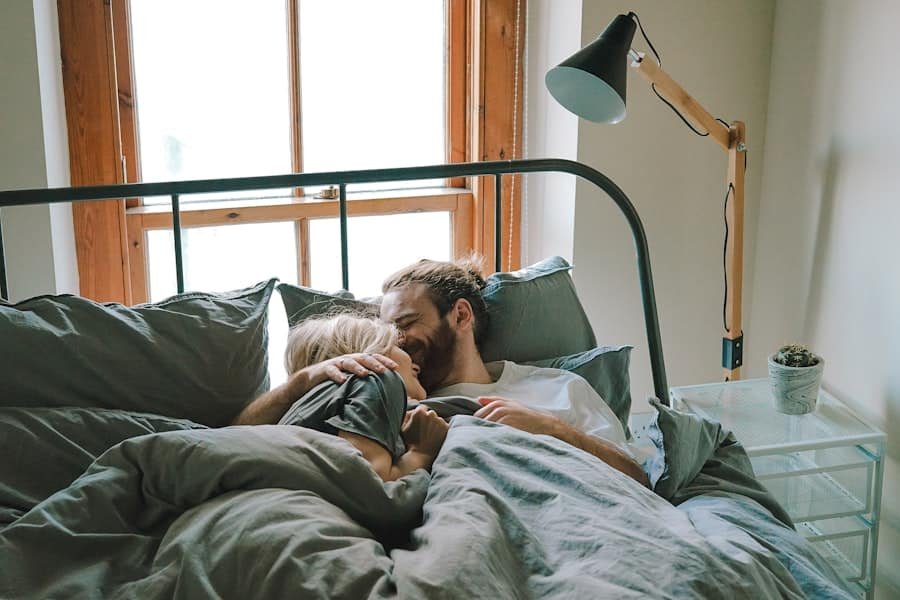
Herbal remedies have been used for centuries to address various health issues, including night sweats. You may find that certain herbs can help balance hormones or promote relaxation, ultimately reducing the frequency of these episodes. For instance, sage is often touted for its ability to alleviate excessive sweating due to its antiperspirant properties.
You can consume sage tea or take it in supplement form to see if it helps with your symptoms. Another popular herbal remedy is black cohosh, which is frequently used to manage menopausal symptoms, including night sweats. This herb is believed to have estrogen-like effects that may help regulate hormonal fluctuations.
You might consider discussing the use of black cohosh with a healthcare professional to determine if it’s suitable for you. Additionally, other herbs like valerian root and chamomile can promote relaxation and improve sleep quality, which may indirectly reduce the occurrence of night sweats.
Dietary Changes to Alleviate Night Sweats
Your diet plays a significant role in how your body regulates temperature and responds to various stimuli. Making dietary changes can be an effective way to alleviate night sweats. For instance, you may want to limit your intake of spicy foods, caffeine, and alcohol, as these can trigger sweating episodes.
Instead, focus on incorporating cooling foods into your meals, such as fruits and vegetables that have high water content—like cucumbers, watermelon, and leafy greens. Additionally, staying hydrated is crucial for regulating body temperature. Drinking plenty of water throughout the day can help keep your body cool and may reduce the likelihood of experiencing night sweats.
You might also consider incorporating foods rich in phytoestrogens—such as flaxseeds and soy products—into your diet, as they may help balance hormone levels and alleviate symptoms associated with hormonal fluctuations.
Aromatherapy for Night Sweats
Aromatherapy is another holistic approach that you might find helpful in managing night sweats. Essential oils have been shown to have calming effects on the mind and body, which can be particularly beneficial if stress is a contributing factor to your night sweats. Oils such as lavender, chamomile, and bergamot are known for their soothing properties and can promote relaxation before bedtime.
You can use essential oils in various ways to enhance your sleep environment. Consider adding a few drops of your chosen oil to a diffuser in your bedroom or mixing it with a carrier oil for a calming massage before bed. Additionally, placing a sachet filled with dried lavender flowers under your pillow may provide a gentle aroma that helps you unwind as you drift off to sleep.
By incorporating aromatherapy into your nightly routine, you may find that it not only helps reduce night sweats but also enhances your overall sleep quality.
Stress Reduction Techniques for Night Sweats
Understanding the Impact of Stress
Stress and anxiety can have a significant impact on your body, triggering a range of physiological responses, including sweating. By understanding how stress affects your body, you can begin to develop effective strategies for managing it.
Mindfulness and Meditation
Mindfulness meditation is one such technique that encourages you to focus on the present moment and cultivate a sense of calm. This approach can help you become more aware of your thoughts and feelings, allowing you to better manage stress and anxiety.
Physical Activity for Stress Relief
Incorporating regular physical activity into your routine can also be beneficial for reducing stress levels. Exercise releases endorphins—natural mood lifters—that can help alleviate anxiety and promote relaxation. Whether it’s going for a brisk walk, practicing yoga, or engaging in any form of physical activity that you enjoy, finding ways to move your body regularly can contribute positively to your mental well-being and potentially reduce the occurrence of night sweats.
Acupuncture and Acupressure for Night Sweats
Acupuncture and acupressure are traditional Chinese medicine practices that may offer relief from night sweats by promoting balance within the body’s energy systems. Acupuncture involves inserting thin needles into specific points on the body to stimulate energy flow and restore harmony. Many individuals report experiencing reduced symptoms after undergoing acupuncture treatments aimed at addressing hormonal imbalances or stress-related issues.
If you prefer a non-invasive approach, acupressure may be an excellent alternative for you. This technique involves applying pressure to specific points on the body using your fingers or hands. You might find that targeting points associated with relaxation or hormonal balance can help alleviate night sweats over time.
Both acupuncture and acupressure require some exploration to find what works best for you; however, many people find these practices beneficial in managing their symptoms.
When to Seek Medical Help for Night Sweats
While occasional night sweats are often harmless and manageable through lifestyle changes and home remedies, there are instances when seeking medical help becomes necessary. If you notice that your night sweats are persistent or accompanied by other concerning symptoms—such as unexplained weight loss, fever, or severe fatigue—it’s essential to consult with a healthcare professional. These could be signs of an underlying medical condition that requires further investigation.
Additionally, if lifestyle modifications and home remedies do not provide relief from your night sweats after several weeks of consistent effort, it may be time to seek professional guidance. A healthcare provider can help identify any potential underlying causes and recommend appropriate treatments tailored to your specific needs. Remember that prioritizing your health is crucial; addressing persistent symptoms early on can lead to better outcomes and improved quality of life in the long run.
FAQs
What are night sweats?
Night sweats, also known as sleep hyperhidrosis, are episodes of excessive sweating during the night that can soak your pajamas or bedding. This condition can disrupt your sleep and lead to feelings of discomfort and embarrassment.
What are the common causes of night sweats?
Night sweats can be caused by a variety of factors, including menopause, hormonal imbalances, medications, infections, anxiety, and certain medical conditions such as diabetes, hyperthyroidism, and cancer.
What are natural remedies for night sweats?
Some natural remedies for night sweats include wearing moisture-wicking sleepwear, using breathable bedding, practicing relaxation techniques to reduce stress and anxiety, maintaining a cool sleeping environment, and avoiding triggers such as spicy foods and alcohol before bedtime.
Can dietary changes help with night sweats?
Yes, making dietary changes such as avoiding caffeine, alcohol, and spicy foods, and consuming more fruits and vegetables can help reduce the frequency and severity of night sweats.
When should I seek medical help for night sweats?
If you experience persistent or severe night sweats, or if they are accompanied by other symptoms such as fever, unexplained weight loss, or fatigue, it is important to consult a healthcare professional to rule out any underlying medical conditions.