
If you’ve been struggling with asthma and are tired of relying on medication alone, this article is here to lend a hand. Explore the world of natural remedies for asthma and discover how simple lifestyle changes and holistic treatments can make a significant difference in managing your symptoms. From breathing exercises to herbal supplements, you’ll find an array of safe and effective alternatives that can complement your existing treatment plan and bring you closer to living a life free from the constraints of asthma. Don’t let this common respiratory condition control your life any longer – let’s embark on a journey towards a natural remedy for asthma.

Understanding Asthma
Asthma is a chronic respiratory condition that affects the airways and causes them to become inflamed and narrow. This can lead to symptoms such as wheezing, shortness of breath, coughing, and tightness in the chest. Asthma is a common condition that affects people of all ages, and while there is no cure, it can be effectively managed with the right treatment and lifestyle changes.
What is Asthma?
Asthma is a chronic lung disease that affects the airways, making it difficult to breathe. It is characterized by inflammation and narrowing of the airways, which can be triggered by various factors such as allergens, exercise, or respiratory infections. This narrowing of the airways can lead to symptoms such as coughing, wheezing, shortness of breath, and chest tightness. Asthma can range from mild to severe and can vary in frequency and intensity.
Causes and Triggers of Asthma
The exact cause of asthma is not fully understood, but it is believed to be a combination of genetic and environmental factors. Some people may have a genetic predisposition to develop asthma, while others may develop it due to exposure to certain triggers. Common triggers of asthma include allergens (such as pollen, dust mites, and pet dander), irritants (such as smoke and air pollution), respiratory infections, exercise, and emotional stress. Identifying and avoiding these triggers can help to prevent asthma attacks and manage symptoms effectively.
Symptoms of Asthma
Asthma symptoms can vary from person to person, but common symptoms include coughing, wheezing (a whistling sound when breathing), shortness of breath, and chest tightness. These symptoms may occur during the day or at night and can range from mild to severe. In some cases, asthma symptoms can worsen suddenly, leading to an asthma attack. It is important to recognize and manage these symptoms in order to maintain optimal respiratory function and prevent complications.
Diagnosis of Asthma
To diagnose asthma, your healthcare provider will perform a thorough evaluation of your symptoms, medical history, and perform lung function tests. These tests may include spirometry, which measures how much air you can inhale and exhale, and a bronchial challenge test, which assesses the responsiveness of your airways to certain stimuli. Other tests such as allergy tests may also be conducted to identify potential triggers. An accurate diagnosis of asthma is crucial for developing an effective treatment plan.
Conventional Treatment Options
While there is no cure for asthma, it can be effectively managed with conventional treatment options. These treatments aim to control symptoms, reduce inflammation, and prevent asthma attacks. The main conventional treatment options for asthma include bronchodilators and inhalers, corticosteroids and anti-inflammatory medications, immunomodulators, and long-term management strategies.
Bronchodilators and Inhalers
Bronchodilators are medications that relax the muscles of the airways, allowing them to open up and making it easier to breathe. These medications are commonly delivered through inhalers, which deliver the medication directly into the lungs. Bronchodilators provide quick relief during an asthma attack and can also be used before exercise to prevent exercise-induced asthma symptoms.
Corticosteroids and Anti-inflammatory Medications
Corticosteroids are anti-inflammatory medications that help to reduce inflammation in the airways and prevent asthma symptoms. These medications are commonly prescribed as inhalers or oral medications. Inhaled corticosteroids are the most effective long-term treatment for asthma and are used to control symptoms and prevent asthma attacks. Oral corticosteroids may be prescribed for short-term use during severe asthma attacks.
Immunomodulators
Immunomodulators are medications that help to modify the immune response in the body, reducing the inflammation and hypersensitivity associated with asthma. These medications are typically prescribed for people with severe asthma who do not respond well to other treatments. Immunomodulators can be given as injections or infusions and are usually administered under the supervision of a healthcare professional.
Long-Term Management Strategies
In addition to medication, long-term management strategies play a crucial role in controlling asthma symptoms and preventing attacks. These strategies may include avoiding triggers, practicing good self-care, monitoring symptoms, and having a written asthma action plan. Long-term management also involves regular check-ups with a healthcare provider to assess lung function, adjust medications as needed, and provide education and support for asthma management.
Natural Remedies for Asthma
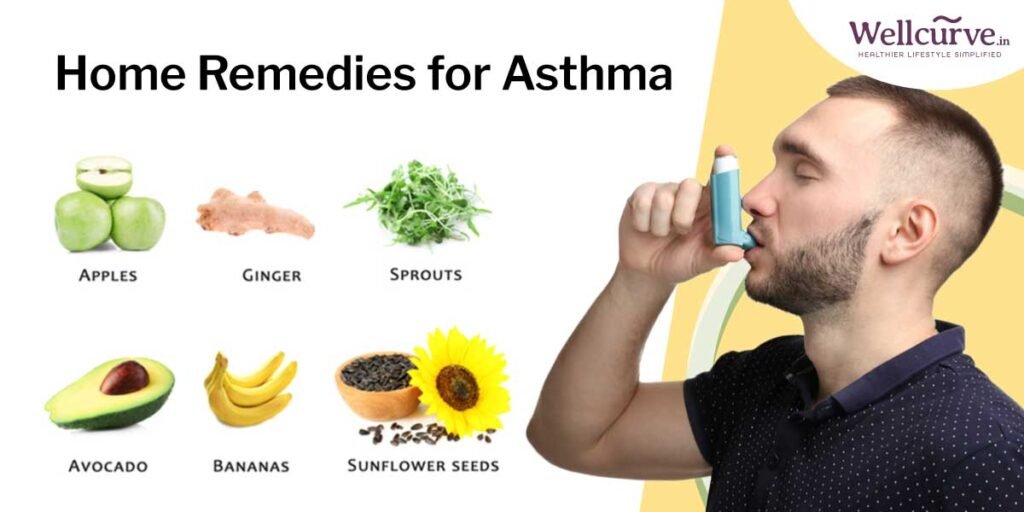
Many people with asthma turn to natural remedies as a complementary approach to conventional treatment. While natural remedies may not replace medication, they can be used to support overall asthma management and potentially reduce the frequency and severity of symptoms. Some natural remedies that have shown promise in managing asthma include dietary changes and nutritional support, herbal supplements and remedies, breathing exercises and techniques, acupuncture and acupressure, steam inhalation, yoga and meditation, honey and ginger, omega-3 fatty acids, vitamin D supplementation, and managing stress and emotional triggers.
Dietary Changes and Nutritional Support
Making certain dietary changes can help to support lung health and reduce inflammation in the body. Incorporating foods rich in antioxidants, such as fruits and vegetables, can help to combat oxidative stress and inflammation. Avoiding foods that may trigger asthma symptoms, such as processed foods, high-sodium foods, and foods high in sulfites, can also be beneficial. Additionally, certain nutrients such as vitamin C, vitamin D, magnesium, and omega-3 fatty acids have been linked to improved lung function and reduced asthma symptoms.
Herbal Supplements and Remedies
Herbal supplements and remedies have long been used in traditional medicine to manage respiratory conditions, including asthma. Some herbs that have shown promise in managing asthma symptoms include ginger, turmeric, boswellia, licorice root, and ginkgo biloba. These herbs have anti-inflammatory and bronchodilator properties that can help to reduce inflammation and open up the airways. However, it is important to consult with a healthcare professional before starting any herbal supplements, as they may interact with medications or have other contraindications.
Breathing Exercises and Techniques
Practicing certain breathing exercises and techniques can help to improve lung function and reduce asthma symptoms. Techniques such as diaphragmatic breathing, pursed lip breathing, and deep breathing can help to calm and relax the airways, making it easier to breathe. These exercises can also help to improve lung capacity and reduce the risk of asthma attacks. Learning and practicing these techniques with the guidance of a respiratory therapist or asthma educator can be beneficial.
Acupuncture and Acupressure
Acupuncture and acupressure are alternative therapies that involve the stimulation of specific points on the body to promote healing and balance. Some studies have shown that acupuncture and acupressure can help to reduce asthma symptoms and improve lung function. These therapies may work by promoting relaxation, reducing stress, and improving energy flow in the body. However, more research is needed to fully understand the effectiveness of acupuncture and acupressure in managing asthma.
Steam Inhalation
Steam inhalation involves inhaling warm, moist air to help relieve congestion and open up the airways. This can be done by sitting in a steam-filled room or using a steam inhaler. Steam inhalation can help to reduce inflammation and loosen mucus, making it easier to breathe. Adding essential oils with decongestant properties, such as eucalyptus or peppermint, can further enhance the benefits of steam inhalation. However, it is important to exercise caution when using steam inhalation, as it may not be suitable for everyone, particularly those with certain respiratory conditions or allergies.
Yoga and Meditation
Yoga and meditation can be beneficial for managing asthma by promoting relaxation, reducing stress, and improving breathing techniques. Certain yoga poses and breathing exercises, such as the lion’s breath or alternate nostril breathing, can help to open up the airways and improve lung function. Meditation and mindfulness practices can help to reduce stress and anxiety, which are common triggers for asthma symptoms. Engaging in regular yoga and meditation practices can have a positive impact on overall well-being and asthma management.
Honey and Ginger
Honey and ginger have long been used for their medicinal properties, including their ability to soothe respiratory symptoms. Honey has natural antibacterial and anti-inflammatory properties and can help to relieve coughing and soothe irritated airways. Ginger, on the other hand, has anti-inflammatory and bronchodilator properties that can help to reduce inflammation and open up the airways. Incorporating honey and ginger into your diet, such as in herbal teas or homemade remedies, may help to alleviate asthma symptoms. However, it is important to note that honey should not be given to children under the age of one.
Omega-3 Fatty Acids
Omega-3 fatty acids are a type of polyunsaturated fat that has been shown to have anti-inflammatory properties. These healthy fats are found in fatty fish such as salmon, mackerel, and sardines, as well as in flaxseed, chia seeds, walnuts, and hemp seeds. Research has suggested that omega-3 fatty acids can help reduce airway inflammation and improve lung function in people with asthma. Incorporating these foods into your diet or considering omega-3 fatty acid supplements may provide additional support for asthma management.
Vitamin D Supplementation
Vitamin D plays a crucial role in immune function and has been linked to respiratory health. Research has shown that low levels of vitamin D may be associated with an increased risk of asthma and more severe symptoms. Supplementation with vitamin D may help to reduce inflammation and improve lung function in people with asthma. However, it is important to consult with a healthcare professional before starting any supplements and to have your vitamin D levels tested to determine the appropriate dosage.
Managing Stress and Emotional Triggers
Stress and emotional triggers can often worsen asthma symptoms, so finding effective strategies to manage stress is important for asthma management. Techniques such as deep breathing, meditation, yoga, and engaging in hobbies or activities that promote relaxation can help to reduce stress and improve overall well-being. It is also important to identify and address emotional triggers, such as anxiety or fear, that may contribute to asthma symptoms. Seeking support from a mental health professional or joining a support group can be beneficial in managing stress and emotional triggers.
Risks and Precautions
While natural remedies can be a valuable addition to asthma management, it is important to exercise caution and take certain precautions. These include consulting with a healthcare professional before starting any new remedies or supplements, being aware of possible interactions with medications, avoiding known allergens and triggers, and following proper dosage and usage guidelines.
Consultation with a Healthcare Professional
Before starting any natural remedies for asthma, it is important to consult with a healthcare professional, such as a doctor or naturopathic physician. They can assess your individual condition, provide guidance on the appropriate remedies, and ensure any potential risks or contraindications are taken into account. Your healthcare professional can also help to monitor your progress and make any necessary adjustments to your treatment plan.
Possible Interactions with Medications
It is important to be aware of potential interactions between natural remedies and any medications you may be taking. Some herbal supplements may interfere with the metabolism or effectiveness of certain medications, while others may have additive effects, leading to potential side effects. It is essential to disclose all medications and natural remedies you are using to your healthcare provider to ensure there are no potential interactions.
Avoidance of Allergens and Triggers
Managing asthma involves identifying and avoiding allergens and triggers that may worsen your symptoms. While natural remedies can help to reduce inflammation and improve lung function, they may not be effective if you are continually exposed to triggers such as allergens or irritants. Taking steps to minimize exposure to these triggers, such as keeping indoor air clean, using allergy-proof bedding, and avoiding smoking or exposure to secondhand smoke, is crucial for asthma management.
Proper Dosage and Usage Guidelines
Just like medications, it is important to follow proper dosage and usage guidelines when using natural remedies for asthma. Some herbal supplements may have recommended dosages or instructions for use, and it is important to adhere to these guidelines to ensure safety and effectiveness. It is also important to note that natural remedies may take time to take effect and may not provide the same immediate relief as conventional medications. Patience and consistency are key when incorporating natural remedies into your asthma management plan.

Research and Studies
Numerous scientific studies have been conducted to evaluate the effectiveness and safety of natural remedies for asthma. These studies have explored the potential benefits of various herbs, supplements, and lifestyle interventions in managing asthma symptoms and reducing the frequency of asthma attacks. While research is ongoing, these studies have provided valuable insights into the potential of natural remedies as complementary therapies for asthma management.
Scientific Studies on Natural Remedies for Asthma
Scientific studies have examined the effects of various natural remedies on asthma symptoms and lung function. For example, a study published in the British Journal of Pharmacology found that ginger extract had bronchodilator activity and reduced airway resistance in individuals with asthma. Another study published in the journal Nutrients found that omega-3 fatty acid supplementation improved lung function and reduced asthma symptoms in children. Research has also explored the effects of yoga and breathing exercises on asthma symptoms and quality of life.
Effectiveness and Efficacy
Research has shown that certain natural remedies can be effective in managing asthma symptoms and improving lung function. For example, studies have demonstrated that herbal supplements such as boswellia and turmeric have anti-inflammatory properties and can help to reduce airway inflammation in people with asthma. Breathing exercises and techniques, such as diaphragmatic breathing and pursed lip breathing, have also been shown to improve lung function and reduce symptoms in individuals with asthma. However, it is important to note that individual responses may vary and not all natural remedies may be effective for everyone.
Safety and Side Effects
Most natural remedies for asthma are generally considered safe when used as directed. However, it is important to be aware of potential side effects or allergic reactions. For example, some herbal supplements may cause gastrointestinal upset or interact with medications. It is also important to be cautious when using essential oils for steam inhalation, as they may cause skin irritation or respiratory irritation in some individuals. It is always recommended to consult with a healthcare professional before starting any new remedies to ensure safety and minimize the risk of side effects.
Comparison with Conventional Treatments
Natural remedies for asthma are often used in conjunction with conventional treatments to provide additional support and relief. While conventional treatments such as bronchodilators and corticosteroids are effective in managing asthma symptoms, natural remedies can offer complementary benefits. For example, certain herbs and supplements have anti-inflammatory properties that can help to reduce airway inflammation and improve lung function. Breathing exercises and techniques can also provide additional support for improving breathing and reducing symptoms. Combining natural remedies with conventional treatments can allow for a more holistic and personalized approach to asthma management.
Effectiveness of Natural Remedies
The effectiveness of natural remedies for asthma can vary from person to person. Factors such as the severity of asthma, individual sensitivity, and adherence to treatment protocols can all influence the effectiveness of natural remedies. It is important to keep in mind that natural remedies may not provide immediate relief like conventional medications, and it may take time to notice improvements in symptoms. Additionally, the effectiveness of natural remedies may depend on individual variations in response, short-term relief versus long-term control, and the integration of natural and conventional treatment approaches.
Individual Variations in Response
Just as with conventional treatments, natural remedies may be more effective for some individuals than others. Each person’s body and immune system are unique, and what works for one person may not work the same way for another. It may take some trial and error to find the natural remedies that have the most positive impact on your asthma symptoms. Keeping track of your symptoms and discussing any changes or improvements with your healthcare provider can help guide your treatment plan.
Short-Term Relief vs. Long-Term Control
Natural remedies for asthma may provide short-term relief from symptoms, such as reducing inflammation or opening up the airways during an asthma attack. However, long-term control of asthma requires a comprehensive and multifaceted approach that includes both natural remedies and conventional treatments. While natural remedies can offer additional support, they may not replace the need for medications to manage underlying inflammation and prevent asthma attacks. It is important to work closely with your healthcare provider to develop a treatment plan that addresses both short-term relief and long-term control of your asthma.
Combination of Natural and Conventional Approaches
Many individuals find that a combination of natural remedies and conventional treatments provides the most effective asthma management. Natural remedies can be used alongside medications to provide additional support and symptom relief. For example, herbal supplements may help to reduce inflammation in the airways, while bronchodilators provide immediate relief during an asthma attack. It is important to work with your healthcare provider to create a personalized treatment plan that integrates both natural and conventional approaches to asthma management.
Personalized Approaches for Asthma Management
Asthma is a complex condition that can vary widely from person to person. Therefore, personalized approaches to asthma management are essential for optimizing treatment outcomes. What works for one person may not work for another, and it is important to tailor treatment plans to individual needs and preferences. A combination of natural remedies, conventional treatments, lifestyle modifications, and self-care practices can be integrated into a holistic asthma management plan that aligns with individual goals and promotes a better quality of life.

Personal Experiences and Testimonials
Personal experiences and testimonials can provide valuable insights and perspectives on the use of natural remedies for asthma. Anecdotal evidence from individuals who have successfully incorporated natural remedies into their asthma management can support the potential effectiveness of these remedies. Success stories may highlight specific remedies or strategies that have helped individuals achieve better control of their asthma symptoms. However, it is important to remember that personal experiences may not apply to everyone, and individual responses to natural remedies may vary.
Anecdotal Evidence
Anecdotal evidence refers to individual accounts or stories of personal experiences with using natural remedies for asthma. These stories can come from individuals who have found relief from their symptoms or experienced positive changes in their asthma management through the use of natural remedies. Anecdotal evidence can help to shed light on the potential benefits of natural remedies, but it does not provide scientific evidence or proof of effectiveness.
Success Stories
Success stories from individuals who have incorporated natural remedies into their asthma management can offer hope and inspiration for others seeking alternative approaches. These stories may highlight specific remedies, lifestyle changes, or self-care practices that have had a positive impact on asthma symptoms. While success stories can be encouraging, it is important to remember that each person’s journey with asthma is unique, and what works for one person may not work the same way for others.
Challenges and Limitations
In addition to success stories, it is important to acknowledge the challenges and limitations of using natural remedies for asthma. Natural remedies may not work for everyone, and some individuals may not experience significant relief from symptoms. Additionally, natural remedies may not provide immediate or consistent results, and it may take time to find the right combination of remedies that work for each individual. It is also important to recognize that natural remedies are not a substitute for conventional treatments, and a comprehensive asthma management plan should be developed in consultation with a healthcare professional.
Tips for Incorporating Natural Remedies
Incorporating natural remedies into your asthma management plan requires careful consideration and guidance from a qualified healthcare professional. The following tips can help you navigate the process of integrating natural remedies into your asthma management effectively:
Working with a Qualified Healthcare Professional
When incorporating natural remedies into your asthma management, it is important to work closely with a qualified healthcare professional. They can provide guidance on suitable remedies, dosages, and potential interactions with medications. They can also monitor your progress and make any necessary adjustments to your treatment plan. A healthcare professional can help to ensure that natural remedies are used safely and effectively as part of your overall asthma management strategy.
Keeping a Symptom Journal
Keeping a symptom journal can be instrumental in tracking your asthma symptoms and identifying triggers or patterns. Each day, make note of any symptoms you experience, the severity and duration of each symptom, and any potential triggers or changes in your environment. This information can help you and your healthcare professional identify patterns and make informed decisions about which natural remedies may be most beneficial for you.
Monitoring Lung Function
Regular monitoring of lung function is an important aspect of managing asthma. Lung function tests, such as peak flow measurements or spirometry, can provide objective data on your lung health and help assess the effectiveness of your asthma management plan. Tracking your lung function over time can help you and your healthcare professional gauge the impact of natural remedies and guide treatment decisions.
Creating a Holistic Asthma Management Plan
Integrating natural remedies into your asthma management plan requires a comprehensive and holistic approach. This may include a combination of natural remedies, conventional treatments, lifestyle modifications, and self-care practices. Work with your healthcare professional to develop a personalized plan that addresses your unique needs and goals. Regular communication and collaboration with your healthcare team are essential for optimal asthma management.
Finding Reliable Information and Resources
When exploring natural remedies for asthma, it is important to seek reliable information and resources. Look for reputable sources, such as scientific research papers, reputable websites, or healthcare professional recommendations. Be cautious of anecdotal information or unverified claims that may not be supported by scientific evidence. Your healthcare professional can help to guide you towards trustworthy resources and provide evidence-based guidance.

Other Lifestyle Changes for Asthma Management
In addition to natural remedies, there are several other lifestyle changes that can support asthma management and improve overall respiratory health. These changes include maintaining a clean and dust-free environment, engaging in regular exercise and physical activity, avoiding exposure to secondhand smoke, ensuring proper ventilation at home, and avoiding extreme weather conditions.
Maintaining a Clean and Dust-Free Environment
Keeping your environment clean and free of dust and allergens can help to reduce asthma symptoms. Regularly vacuuming and dusting your home, washing bedding and curtains in hot water, and using allergen-proof covers for mattresses and pillows can help to minimize exposure to dust mites, pet dander, and other common allergens. It is also important to keep indoor air clean by using air purifiers or opening windows to improve ventilation.
Regular Exercise and Physical Activity
Engaging in regular exercise and physical activity is important for maintaining overall health and lung function. For individuals with asthma, it is important to choose activities that are well-tolerated and do not trigger symptoms. Low-impact exercises such as walking, swimming, or cycling are generally well-suited for individuals with asthma. Prior to starting any exercise program, it is important to consult with your healthcare professional and develop an asthma action plan for managing symptoms during physical activity.
Avoiding Secondhand Smoke
Exposure to secondhand smoke can worsen asthma symptoms and increase the risk of respiratory infections. It is important to avoid exposure to secondhand smoke and to advocate for smoke-free environments. If you are a smoker, quitting smoking is one of the most important steps you can take to improve your respiratory health and reduce asthma symptoms. Seek support from your healthcare professional or smoking cessation programs to help you quit smoking.
Ensuring Proper Ventilation at Home
Proper ventilation at home is important for maintaining good indoor air quality. Ensure that your home is well-ventilated by opening windows, using exhaust fans in kitchens and bathrooms, and keeping air ducts and filters clean. Good ventilation helps to remove indoor pollutants, such as allergens, dust, and fumes and promotes fresh air circulation. Adequate ventilation can help to reduce the risk of asthma symptoms and improve overall respiratory health.
Avoiding Extreme Weather Conditions
Extreme weather conditions, such as cold air, high humidity, or hot and dry conditions, can trigger asthma symptoms in some individuals. It is important to be aware of any weather conditions that may exacerbate your symptoms and take necessary precautions. For example, wearing a scarf or mask to cover your mouth and nose during cold weather can help to warm and humidify the air you breathe. Being mindful of weather conditions can help you anticipate and manage potential triggers.
Conclusion
Asthma is a chronic respiratory condition that can significantly impact the quality of life. While there is no cure for asthma, it can be effectively managed with a combination of conventional treatments and natural remedies. Natural remedies such as dietary changes, herbal supplements, breathing exercises, and mindfulness practices can provide complementary support for managing asthma symptoms and improving overall respiratory health. However, it is important to work closely with a qualified healthcare professional to develop a personalized asthma management plan that addresses individual needs and ensures safety and efficacy. With the right approach and ongoing research, individuals with asthma can find hope for a better quality of life and improved management of their condition.
Related Terms About Natural Remedy For Asthma
Best Medicine For Asthma Over The Counter, Cough Medicine For Asthma Exacerbation, Cure For Asthma Cough, Cure For Asthma In Adults, Cure For Asthma Reddit, Cure For Asthma Research, Cure For Asthma Treatment, Cure For The Asthma, Cure For Winter Asthma, Herbs For Asthma While Pregnant, How To Help Asthma Without Inhaler, How To Relieve Asthma Without Inhaler