
If you’re someone who suffers from hyperthyroidism, you’re probably no stranger to the constant discomfort and frustrating symptoms that come along with it. But what if there was a natural remedy that could potentially provide you with some much-needed relief? In this article, we’ll explore the fascinating world of natural remedies for hyperthyroidism and how they might be able to help you regain control over your health. Discover the power of nature and the potential benefits it holds for those struggling with this condition.

Understanding Hyperthyroidism
Hyperthyroidism is a condition characterized by an overactive thyroid gland, leading to the excessive production of thyroid hormones. The thyroid gland plays a crucial role in regulating our body’s metabolism, so when it becomes hyperactive, it can have a significant impact on various bodily functions.
What is Hyperthyroidism?
Hyperthyroidism occurs when the thyroid gland produces an excess amount of thyroid hormones, such as thyroxine (T4) and triiodothyronine (T3). These hormones are responsible for controlling the body’s metabolism, including heart rate, body temperature, and energy levels. When there is an overproduction of these hormones, it disrupts the delicate balance within our system.
Causes of Hyperthyroidism
There can be several causes of hyperthyroidism. One common cause is Graves’ disease, an autoimmune disorder where the body’s immune system mistakenly attacks the thyroid, leading to excessive hormone production. Other causes may include thyroid nodules or goiter, which can stimulate the thyroid to produce more hormones. Additionally, certain medications or medical treatments may also contribute to the development of hyperthyroidism.
Symptoms of Hyperthyroidism
The symptoms of hyperthyroidism can vary from person to person and may not always be apparent. Common signs include sudden weight loss, increased appetite, rapid or irregular heartbeat, tremors, anxiety, irritability, difficulty sleeping, fatigue, and heat intolerance. Some individuals may also experience muscle weakness, thinning hair, and changes in menstrual patterns. If you observe any of these symptoms, it is important to consult with a healthcare professional for proper diagnosis and treatment.
Diagnosis and Treatment Options
To diagnose hyperthyroidism, a healthcare provider may conduct a physical examination, review medical history, and order blood tests that measure the levels of thyroid hormones. They may also perform imaging tests, such as a thyroid scan or ultrasound, to evaluate the size and function of the thyroid gland. Once diagnosed, treatment options may include medication to regulate thyroid hormone levels, radioactive iodine therapy to reduce thyroid activity, or surgery to remove part or all of the thyroid gland. The choice of treatment will depend on the underlying cause and individual circumstances.
1. Dietary Changes
Importance of a Balanced Diet
Maintaining a balanced and nutritious diet is crucial for overall health, including the management of hyperthyroidism. A diet rich in essential nutrients can support the proper function of the thyroid gland and promote overall well-being. It is advisable to consult with a registered dietitian or healthcare professional to develop a personalized meal plan that suits your specific needs.
Foods to Avoid for Hyperthyroidism
Certain foods may exacerbate the symptoms of hyperthyroidism and should be limited or avoided. These include iodine-rich foods like seaweed, seafood, and iodized salt, as excessive iodine can stimulate thyroid hormone production. Additionally, processed foods, caffeine, and alcohol can have a stimulating effect on the body, which may further aggravate hyperthyroidism symptoms. It is crucial to reduce the consumption of these foods and beverages to minimize the impact on thyroid function.
Foods to Incorporate for Hyperthyroidism
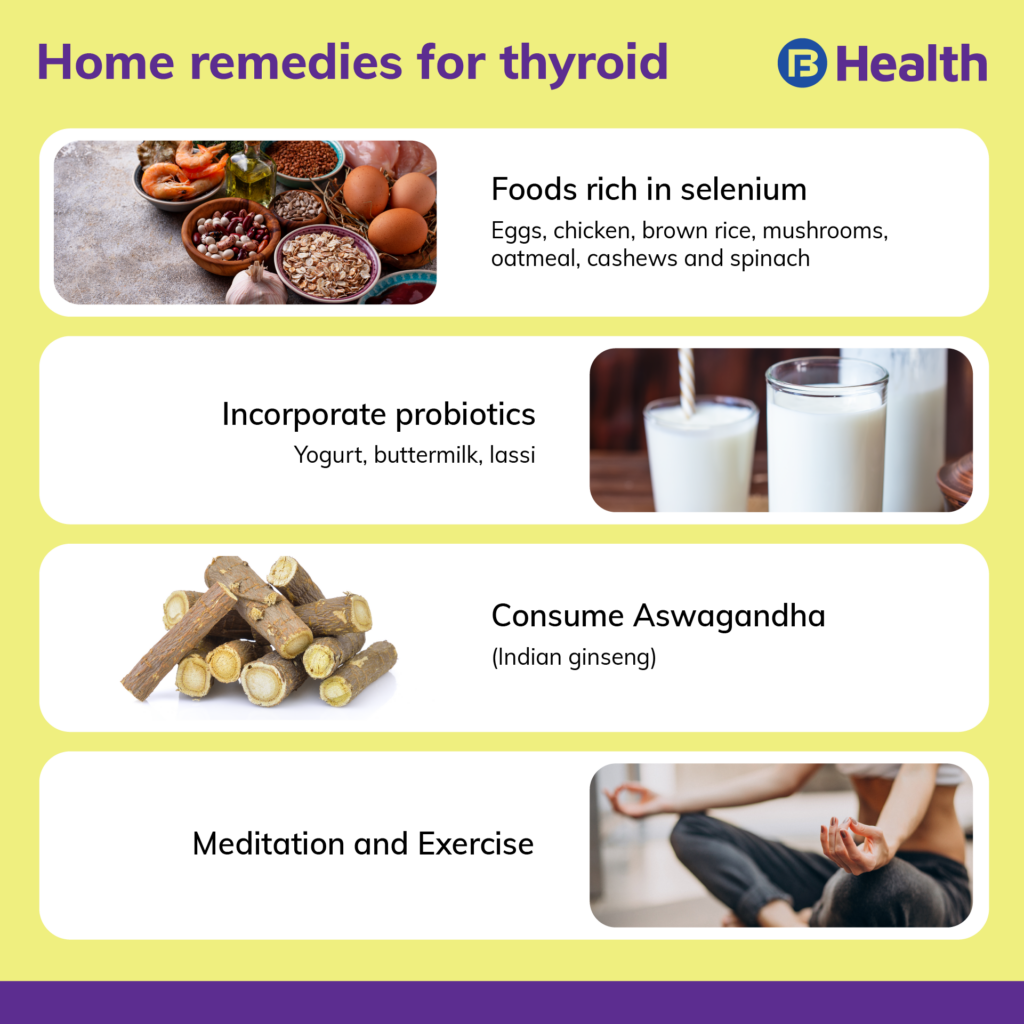
On the other hand, some foods can be beneficial in supporting thyroid health and managing hyperthyroidism. Including foods rich in antioxidants, such as fruits and vegetables, can help reduce inflammation and support the immune system. Moreover, incorporating lean proteins, whole grains, and healthy fats, such as omega-3 fatty acids found in fatty fish or flaxseeds, can provide essential nutrients and promote overall well-being.
Beneficial Supplements
Supplements may also play a role in supporting thyroid health, although it is important to consult with a healthcare professional before starting any new supplements. Some commonly recommended supplements for hyperthyroidism include selenium, zinc, and vitamin D. These nutrients can help regulate thyroid function and support immune health. However, it is crucial to remember that supplements should not replace a well-balanced diet and should be utilized as a complement to a healthy lifestyle.

2. Herbal Remedies
Herbs Known to Support Thyroid Health
Several herbs have been traditionally used to support thyroid health and alleviate symptoms of hyperthyroidism. One such herb is bugleweed (Lycopus virginicus), which has been shown to inhibit the production of thyroid hormones. Another herb, lemon balm (Melissa officinalis), possesses calming properties that can help manage stress and anxiety associated with hyperthyroidism. Additionally, motherwort (Leonurus cardiaca) is often used to regulate heart palpitations and support cardiovascular health.
Herbal Teas and Infusions
Herbal teas and infusions can be a soothing and natural way to incorporate beneficial herbs into your daily routine. Brewing a cup of bugleweed tea or lemon balm tea can help to soothe the symptoms of hyperthyroidism and promote relaxation. Similarly, drinking a warm infusion of motherwort can support heart health and provide a sense of calm.
Natural Remedies to Ease Symptoms
Aside from herbal teas, other natural remedies may assist in easing symptoms associated with hyperthyroidism. For instance, ashwagandha, an adaptogenic herb, may help balance the body’s stress response and promote overall well-being. Additionally, passionflower and chamomile have calming properties that can potentially alleviate anxiety and support restful sleep. It’s important to note that natural remedies should be used in conjunction with medical treatment and under the guidance of a healthcare professional.
3. Stress Management and Exercise
The Impact of Stress on Hyperthyroidism
Stress can have a significant impact on thyroid function, especially for individuals with hyperthyroidism. Excessive stress can trigger the release of stress hormones, which may further disrupt the delicate balance of thyroid hormones. Therefore, it is crucial to find effective stress management techniques to help mitigate the impact on thyroid health.
Stress Management Techniques
Engaging in stress management techniques can help regulate stress levels and support thyroid health. Practices such as mindfulness meditation, deep breathing exercises, and yoga have shown promise in reducing stress and fostering a sense of calm. Additionally, engaging in hobbies, spending time with loved ones, and practicing self-care activities can also help alleviate stress and promote emotional well-being.
Exercises for Improved Thyroid Function
Regular exercise can be beneficial for individuals with hyperthyroidism. Engaging in moderate-intensity exercises, such as walking, swimming, or cycling, can help regulate metabolism and promote overall well-being. However, it is important to listen to your body and not overexert yourself, as excessive exercise may worsen symptoms. Consulting with a healthcare professional or a qualified fitness trainer can provide guidance on suitable exercise routines based on individual needs.

4. Essential Oils for Hyperthyroidism
How Essential Oils Can Be Beneficial
Essential oils contain concentrated plant compounds that can offer a range of potential benefits, including supporting thyroid health. Certain essential oils possess anti-inflammatory and calming properties that can help alleviate symptoms associated with hyperthyroidism and promote a sense of well-being. However, it’s important to note that essential oils should not replace medical treatment and should be used as a complementary approach.
Top Essential Oils for Thyroid Support
Some essential oils that may provide support for individuals with hyperthyroidism include lavender, frankincense, myrrh, and lemon balm. Lavender essential oil can promote relaxation and help manage stress levels. Frankincense and myrrh essential oils possess anti-inflammatory properties that may help reduce inflammation associated with hyperthyroidism. Lemon balm essential oil, when applied topically or diffused, can provide a calming effect and support emotional well-being.
Methods of Application
To utilize essential oils, they can be applied topically, inhaled, or used in aromatherapy diffusers. When using essential oils topically, it is crucial to dilute them with carrier oil, such as coconut oil or jojoba oil, to avoid skin irritation. Inhalation can be achieved by adding a few drops of essential oil to a tissue or using a diffuser. Ensuring proper ventilation during application is important to prevent inhalation of excessive amounts of essential oils.
5. Acupuncture and Acupressure
How Acupuncture and Acupressure Work
Acupuncture and acupressure are alternative therapies that involve the stimulation of specific points on the body to promote balance and overall well-being. Acupuncture utilizes the insertion of fine needles into specific points, while acupressure applies pressure to these points without the use of needles. Both techniques are believed to stimulate the body’s energy flow and encourage the natural healing processes.
Effectiveness in Managing Hyperthyroidism
While acupuncture and acupressure have been used to manage various health conditions, their effectiveness in managing hyperthyroidism specifically is still being studied. Some research suggests that acupuncture may help regulate thyroid hormone levels and alleviate symptoms associated with hyperthyroidism. However, further clinical studies are needed to establish its efficacy as a stand-alone treatment or as part of a comprehensive management approach.
Potential Acupuncture Points to Target
In acupuncture and acupressure, there are specific points believed to be beneficial for managing hyperthyroidism. The points on the spleen, stomach, and liver meridians, as well as the Ren and Du channels, are commonly targeted. It is essential to consult with a licensed acupuncturist or acupressure practitioner to receive personalized treatment based on individual needs.
6. Homeopathy
Introduction to Homeopathic Remedies
Homeopathy is a holistic approach to healing that uses highly diluted substances to stimulate the body’s natural healing processes. Homeopathic remedies are prescribed based on an individual’s specific symptoms and constitutional type. While homeopathy may not directly address the underlying cause of hyperthyroidism, it can potentially alleviate symptoms and support overall well-being.
Specific Remedies for Hyperthyroidism
Some commonly used homeopathic remedies for hyperthyroidism include Lycopus, Lachesis, Iodium, and Thyroidinum. These remedies are selected based on individual symptoms and the unique presentation of the condition. It is crucial to consult with a qualified homeopath to receive personalized treatment and ensure the appropriate dosage and potency.
Consulting a Qualified Homeopath
When considering homeopathic remedies for hyperthyroidism, it is essential to consult with a qualified homeopath who can assess your individual case and prescribe the most appropriate remedies. Homeopathy is a highly individualized approach, and a qualified homeopath will consider your overall health, medical history, and specific symptoms when determining the best course of treatment.
7. Mind-Body Techniques
Mindfulness Meditation
Mindfulness meditation is a practice that involves bringing attention to the present moment, cultivating awareness, and accepting one’s experiences without judgment. Engaging in regular mindfulness meditation can help manage stress levels, promote emotional well-being, and support overall health. Individuals with hyperthyroidism can benefit from incorporating mindfulness meditation into their daily routine to help manage anxiety and improve their quality of life.
Yoga and Hyperthyroidism
Yoga is an ancient practice that combines physical postures, breathing exercises, and meditation to promote holistic health and well-being. Certain yoga poses, such as forward folds, gentle inversions, and neck stretches, may be beneficial for individuals with hyperthyroidism. These poses can help calm the nervous system, regulate the body’s energy flow, and promote relaxation. It is important to work with a knowledgeable yoga instructor who can guide you through a safe and suitable yoga practice.
Breathing Exercises and Relaxation Techniques
Deep breathing exercises and relaxation techniques can be effective in managing stress and promoting overall well-being. Practices such as diaphragmatic breathing, alternate nostril breathing, and progressive muscle relaxation can help activate the body’s relaxation response and alleviate symptoms of anxiety and tension. Incorporating these techniques into your daily routine can provide a sense of calm and support emotional well-being.
8. Other Natural Approaches
Acupressure
Acupressure is a non-invasive technique that involves applying pressure to specific points on the body to promote balance and relieve symptoms. This technique can be practiced at home or with the guidance of a practitioner. Pressure can be applied using fingers, hands, or specialized acupressure tools. Acupressure may provide relief from symptoms associated with hyperthyroidism, but it is important to consult with a healthcare professional or an experienced acupressure therapist to ensure proper technique and individualized treatment.
Chiropractic Adjustments
Chiropractic care focuses on the relationship between the spine and the nervous system, aiming to optimize overall health and well-being. Chiropractors use manual adjustments and other techniques to realign the spine and relieve pressure on the nervous system. While chiropractic adjustments may not directly treat hyperthyroidism, they can support the body’s overall function, enhance the nervous system’s communication, and promote wellness.
Detoxification Methods
Detoxification methods, such as sauna therapy and lymphatic massage, can support the body’s natural detoxification pathways and promote overall health. Saunas can help stimulate sweating and eliminate toxins through the skin, while lymphatic massage can aid in the removal of waste and improve lymphatic flow. Detoxification practices should be used as part of a comprehensive management approach and under the guidance of a healthcare professional.
10. Creating a Well-rounded Lifestyle
Importance of a Healthy Lifestyle
Adopting a well-rounded and healthy lifestyle is crucial for individuals with hyperthyroidism. This includes maintaining a balanced diet, engaging in regular physical activity, managing stress levels, and getting adequate restful sleep. Additionally, avoiding or reducing exposure to environmental toxins and maintaining a positive mindset can also contribute to overall well-being.
Combining Natural Remedies with Medical Treatment
While natural remedies can provide support and alleviate symptoms, it is important to remember that they should not replace medical treatment. It is advisable to work collaboratively with your healthcare team, including your primary care physician and specialists, to integrate natural remedies in conjunction with prescribed medications or treatments. Open communication and regular follow-up appointments are key to ensuring a comprehensive and personalized approach to managing hyperthyroidism.
Support Groups and Seeking Emotional Support
Living with hyperthyroidism may pose emotional and psychological challenges, as it can significantly impact one’s quality of life. Engaging in support groups, either in-person or online, can provide a sense of community and a platform to share experiences and knowledge. Seeking emotional support from trusted friends, family members, or mental health professionals can also help individuals navigate the emotional aspects of living with hyperthyroidism.
In conclusion, hyperthyroidism is a condition that requires comprehensive management, and incorporating natural remedies can complement medical treatment and support overall well-being. From dietary changes to stress management techniques, various approaches can be explored to alleviate symptoms and promote a well-rounded lifestyle. As always, it is important to consult with a qualified healthcare professional or specialist before making any significant changes to your treatment plan. By being proactive and seeking the right support, individuals with hyperthyroidism can take control of their health and lead fulfilling lives.
Related Terms About Natural Remedy For Hyperthyroidism.
Natural Remedies For Hyperthyroidism, Natural Remedies For Dogs With Hyperthyroidism, Natural Remedies For Hyperthyroidism Cats, Natural Remedy For Overactive Thyroid In Cats, Natural Remedy For Underactive Thyroid In Dogs