
Imagine a world where the constant ringing in your ears no longer consumes your every waking moment. Imagine finding relief from the debilitating symptoms of tinnitus without having to rely on medication or invasive procedures. Well, this article is here to tell you that such a natural remedy exists. With a combination of holistic therapies and lifestyle changes, you can finally find the peace and quiet you’ve been desperately searching for. Say goodbye to the incessant noise and say hello to a life free from tinnitus.

Understanding Tinnitus
What is tinnitus?
Tinnitus is the perception of sound within the ears or head that does not have an external source. It is often described as a ringing, buzzing, hissing, or roaring noise that can be intermittent or continuous. While tinnitus itself is not a disease, it is often a symptom of an underlying condition.
Types of tinnitus
There are two main types of tinnitus: subjective and objective. Subjective tinnitus is the most common type and can only be heard by the person experiencing it. Objective tinnitus, on the other hand, can be heard by both the person with tinnitus and others around them. It is typically caused by a blood vessel or muscle condition.
Causes of tinnitus
Tinnitus can be caused by a variety of factors, including exposure to loud noise, certain medications, earwax buildup, age-related hearing loss, and underlying health conditions such as high blood pressure or temporomandibular joint (TMJ) disorder. In some cases, the exact cause of tinnitus may be unknown.
Symptoms of tinnitus
The primary symptom of tinnitus is the perception of sound in the ears or head that is not present in the external environment. This sound may vary in intensity and pitch, and it can interfere with concentration, sleep, and overall quality of life. Other symptoms may include ear pain, dizziness, and sensitivity to loud noises.
Exploring Natural Remedies
Benefits of natural remedies
Natural remedies for tinnitus are often sought after as they are considered safe, cost-effective, and non-invasive alternatives to traditional medical treatments. They focus on addressing the underlying causes of tinnitus and promoting overall well-being. Many natural remedies also have additional health benefits beyond the management of tinnitus.
Lifestyle changes to alleviate tinnitus
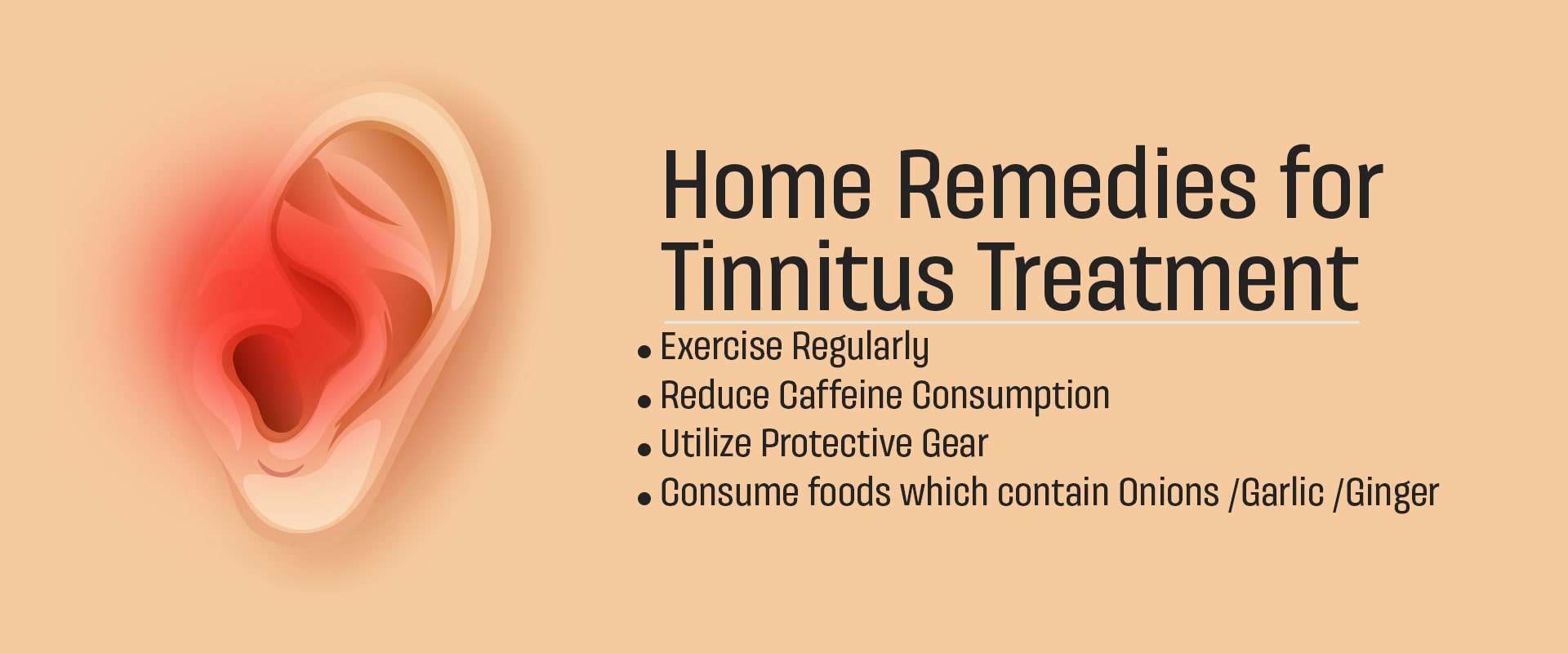
Making certain lifestyle changes can help alleviate tinnitus symptoms. This may include avoiding exposure to loud noises, managing stress levels, getting regular exercise, maintaining a healthy diet, and avoiding excessive use of headphones or earbuds. These lifestyle adjustments can have a positive impact on overall health and potentially reduce the severity of tinnitus.
Dietary adjustments for tinnitus relief
Certain dietary adjustments may help alleviate tinnitus symptoms. Some individuals have reported improvements by reducing their consumption of caffeine, alcohol, and salty foods. Additionally, incorporating more fruits, vegetables, whole grains, and foods rich in vitamins and minerals may support overall ear health and potentially reduce tinnitus symptoms.
Holistic approaches for tinnitus cure
Holistic approaches for tinnitus cure focus on addressing the body as a whole, taking into account physical, mental, and emotional well-being. This can involve practices such as acupuncture, meditation, yoga, and chiropractic care. These holistic approaches aim to restore balance in the body and alleviate tinnitus symptoms by promoting overall wellness.

Herbal Remedies for Tinnitus
Ginkgo Biloba
Ginkgo Biloba is an herbal extract that has been widely used in traditional medicine for its potential benefits in promoting cognitive function and blood circulation. Some studies have suggested that it may also have a positive effect on tinnitus symptoms, although more research is needed to confirm its effectiveness.
Black Cohosh
Black Cohosh is a plant native to North America that has been used for centuries for various health purposes. It is believed to have anti-inflammatory and calming properties that may help reduce tinnitus symptoms. However, more research is necessary to fully understand its potential benefits and appropriate dosage for tinnitus management.
Maidenhair Tree Extract
Maidenhair Tree Extract, also known as Ginkgo Biloba extract, is derived from the leaves of the Ginkgo Biloba tree. It has been studied for its potential effects on improving blood circulation, reducing inflammation, and protecting against cellular damage. While some individuals with tinnitus have reported improvements with Maidenhair Tree Extract, further research is needed to establish its effectiveness.
Rosemary
Rosemary is a fragrant herb often used in cooking, but it also offers potential health benefits. It has been suggested that rosemary may help improve blood circulation, reduce inflammation, and provide antioxidant effects, which could potentially alleviate tinnitus symptoms. However, more research is necessary to determine its effectiveness and appropriate dosage.
Holy Basil
Holy Basil, also known as Tulsi, is an herb commonly used in Ayurvedic medicine. It is believed to have anti-inflammatory and antioxidant properties, which may help reduce tinnitus symptoms. While there is limited scientific evidence supporting its effectiveness for tinnitus relief, it has been traditionally used for its potential benefits.
Vitamins and Minerals for Tinnitus Relief
Vitamin B12
Vitamin B12 plays a crucial role in nerve function and the formation of red blood cells. Some individuals with tinnitus have reported improvements in symptoms after supplementing with vitamin B12. However, it is important to consult with a healthcare professional before starting any supplementation regimen.
Zinc
Zinc is an essential mineral that plays a role in various bodily functions, including immune system regulation and wound healing. Studies have shown that zinc supplementation may improve tinnitus symptoms in individuals with zinc deficiency. However, excessive zinc intake can lead to adverse effects, so it is important to follow recommended dosage guidelines.
Magnesium
Magnesium is a mineral involved in numerous biochemical reactions in the body, including nerve function and muscle relaxation. Some studies have suggested that magnesium supplementation may help reduce the severity of tinnitus symptoms. However, more research is needed to fully understand its effectiveness and appropriate dosage.
Vitamin C
Vitamin C is known for its immune-boosting properties and antioxidant effects. While its direct impact on tinnitus is not fully understood, maintaining adequate levels of vitamin C may support overall ear health and potentially reduce tinnitus symptoms. Including vitamin C-rich foods such as citrus fruits, berries, and leafy greens in the diet can be beneficial.
Vitamin E
Vitamin E is a powerful antioxidant that helps protect cells from damage caused by free radicals. Some studies have indicated that vitamin E supplementation may offer relief for individuals with tinnitus. However, further research is needed to determine its specific benefits and appropriate dosage for tinnitus management.

Essential Oils for Tinnitus Management
Lavender Oil
Lavender oil is widely known for its calming and stress-relieving properties. While there is limited scientific evidence specifically linking lavender oil to tinnitus relief, its relaxing effects may help individuals manage stress and potentially reduce the impact of tinnitus symptoms on their overall well-being.
Cypress Oil
Cypress oil is believed to have vasoconstrictive and anti-inflammatory properties, which may help improve blood circulation and reduce inflammation in the ears. This can potentially alleviate tinnitus symptoms. However, research on the specific effects of cypress oil for tinnitus is limited, and it is important to ensure proper dilution and use with caution.
Juniper Berry Oil
Juniper berry oil is known for its antioxidant and anti-inflammatory properties. It may have potential benefits for tinnitus management by reducing inflammation and protecting against cellular damage. However, further research is needed to determine its specific effects on tinnitus and appropriate usage guidelines.
Frankincense Oil
Frankincense oil has been used for centuries for its potential medicinal properties. It is believed to have anti-inflammatory and immune-boosting effects, which may offer relief for individuals with tinnitus. While there is limited scientific evidence directly linking frankincense oil to tinnitus relief, it has been traditionally used for its potential benefits.
Helichrysum Oil
Helichrysum oil is known for its anti-inflammatory and analgesic properties. Some individuals with tinnitus have reported improvements in symptoms after using helichrysum oil. However, it is important to note that research on the specific effects of helichrysum oil for tinnitus is limited, and individual responses may vary.
Sound Therapy for Tinnitus
White noise machines
White noise machines emit a consistent and calming sound that can help mask the perception of tinnitus. By providing a soothing and constant background noise, white noise machines can significantly reduce the intensity of tinnitus and improve overall sleep quality.
Nature sounds
Nature sounds, such as ocean waves, rainforest sounds, or bird chirping, can have a calming effect and mask the perception of tinnitus. Listening to these natural sounds can create a relaxing environment, helping individuals to focus on pleasant sounds rather than their tinnitus.
Music therapy
Music therapy involves listening to specially designed music that aims to divert attention from tinnitus and promote relaxation. Various types of music therapy, such as customized soundtracks or specific frequency patterns, can help individuals manage their tinnitus and improve their overall well-being.
Tinnitus retraining therapy
Tinnitus retraining therapy (TRT) is a therapeutic approach that combines sound therapy and counseling to help individuals habituate to their tinnitus. It aims to change the perception and emotional response to tinnitus, ultimately reducing its impact on daily life. TRT is typically conducted under the guidance of a healthcare professional with expertise in tinnitus management.
Acupuncture as a Tinnitus Treatment
Explanation of acupuncture
Acupuncture is an ancient Chinese practice that involves inserting thin needles into specific points of the body. It is believed to help balance the flow of energy, known as Qi and promote overall health and well-being. Acupuncture is often used as a complementary therapy for various conditions, including tinnitus.
Effectiveness of acupuncture for tinnitus
While the exact mechanism of how acupuncture may alleviate tinnitus is not fully understood, some studies have suggested that it can have a positive effect on reducing tinnitus symptoms. Acupuncture may help improve blood circulation, reduce inflammation, and promote relaxation, which can potentially benefit individuals with tinnitus.
Acupuncture points for tinnitus relief
Acupuncture points commonly used for tinnitus treatment include those located on the head, neck, and ears. These specific points are believed to help restore balance in the body and alleviate tinnitus symptoms. It is important to consult with a licensed acupuncturist who has experience in treating tinnitus to ensure safe and effective treatment.
Acupuncture treatment frequency
The frequency of acupuncture treatments for tinnitus management may vary depending on individual needs and response to treatment. Some individuals may benefit from weekly acupuncture sessions initially, while others may require sessions less frequently. A licensed acupuncturist will assess the individual’s condition and develop a treatment plan tailored to their specific needs.
Stress Management and Meditation for Tinnitus
Impact of stress on tinnitus
Stress can significantly worsen tinnitus symptoms and disrupt overall well-being. When the body is under stress, tinnitus can become more noticeable and bothersome, leading to increased anxiety and frustration. Managing stress is crucial in minimizing the impact of tinnitus on daily life.
Meditation techniques for tinnitus relief
Meditation is a practice that involves focusing the mind and achieving a state of relaxation and clarity. It can be beneficial for individuals with tinnitus by reducing stress, promoting mindfulness, and redirecting attention away from the perception of tinnitus. Techniques such as deep breathing, guided imagery, and mantra meditation can be incorporated into a daily routine for tinnitus relief.
Breathing exercises to reduce tinnitus symptoms
Deep breathing exercises can be effective in reducing stress and calming the body. By focusing on slow, deep breaths, individuals can activate the body’s relaxation response and potentially alleviate tinnitus symptoms. Breathing exercises can be performed anywhere and at any time, making them a convenient tool for managing tinnitus.
Other stress management strategies
In addition to meditation and breathing exercises, there are various other stress management strategies that individuals with tinnitus can explore. These may include engaging in regular physical exercise, practicing yoga or tai chi, journaling, spending time in nature, and connecting with supportive friends and family members. Finding what works best for each individual is key in effectively managing stress and tinnitus.

Home Remedies and Self-Care Practices
Salt water gargling
Salt water gargling can help alleviate ear congestion and promote overall ear health. Mixing half a teaspoon of salt with warm water and gargling it can help reduce inflammation and remove excess mucus. This simple home remedy can provide temporary relief for individuals experiencing tinnitus related to congestion or blockage.
Avoiding potential triggers
Identifying and avoiding potential triggers can help individuals with tinnitus manage their symptoms more effectively. These triggers may include exposure to loud noises, certain medications, caffeine, alcohol, and stress-inducing situations. By limiting or eliminating these triggers, individuals may experience a reduction in the severity and frequency of tinnitus episodes.
Using earplugs or earmuffs
Protecting the ears from excessive noise exposure is crucial in preventing or minimizing tinnitus. Using earplugs or earmuffs in noisy environments, such as concerts or construction sites, can help reduce the risk of tinnitus caused by noise-induced hearing damage. It is important to choose proper hearing protection and use it consistently.
Avoiding excessive noise exposure
Minimizing exposure to loud noises is essential in managing tinnitus. Limiting the use of headphones or earbuds, keeping the volume at a safe level, and taking regular breaks from noisy environments can help protect the ears and potentially prevent tinnitus or reduce its severity.
Regular exercise and physical activity
Engaging in regular exercise and physical activity can have a positive impact on overall well-being and potentially reduce the severity of tinnitus symptoms. Exercise promotes blood circulation, reduces stress levels, and improves sleep quality, all of which can contribute to better management of tinnitus.
Consulting a Healthcare Professional
When to seek medical advice
If you are experiencing persistent or worsening tinnitus symptoms, it is advisable to seek medical advice. A healthcare professional, such as an audiologist or otolaryngologist, can help determine the underlying cause of your tinnitus and recommend appropriate treatment options. It is especially important to seek medical attention if tinnitus is accompanied by other concerning symptoms.
Medical treatments for tinnitus
Medical treatments for tinnitus may vary depending on the underlying cause and severity of symptoms. These may include medications to address specific health conditions, hearing aids or sound maskers to improve hearing and divert attention from tinnitus, and cognitive behavioral therapy to help individuals cope with the emotional and psychological impact of tinnitus.
Combining natural remedies with professional care
Natural remedies and self-care practices can be beneficial in managing tinnitus symptoms, but they should not replace professional medical advice and treatment. Discussing your symptoms and treatment goals with a healthcare professional can help create a comprehensive approach to tinnitus management, combining natural remedies with appropriate medical interventions for optimal results.
In conclusion, tinnitus can be a bothersome condition, but there are natural remedies and self-care practices that can help alleviate its symptoms. From herbal remedies and essential oils to sound therapy and stress management techniques, there are various approaches to explore for tinnitus relief. However, it is important to consult with a healthcare professional for an accurate diagnosis and to develop a personalized treatment plan that meets your specific needs. By combining natural remedies with professional care, you can take control of your tinnitus and improve your overall quality of life.
Related Terms About Natural Remedy For Tinnitus Cure.
Cure Tinnitus In 5 Minutes, Cure Tinnitus Overnight, Cure Tinnitus With Sound Therapy, Tinnitus Anxiety Cure, Tinnitus Any Cure, Tinnitus Curable Or Not, Tinnitus Cure, Tinnitus Cure 2022, Tinnitus Cure 2022 Reddit, Tinnitus Cure 2023