
You’ve probably experienced itchy, flaky scalp at some point in your life – that pesky condition known as dandruff. But did you know that as a nurse, you play a crucial role in providing care and support to patients dealing with this common issue? In this article, we will explore the nursing considerations and management strategies for dandruff, equipping you with the knowledge and tools to help patients find relief and regain their confidence. So, let’s get to the root of the problem and discover how you can make a difference in combating dandruff.

Understanding Dandruff
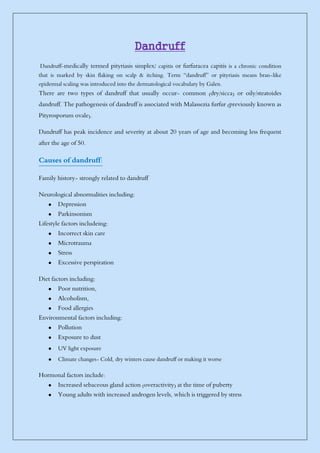
Dandruff is a common scalp condition characterized by the shedding of dead skin cells from the scalp. It often leads to the formation of white, flaky scales that can be noticeable on clothing or in the hair. While dandruff can be a temporary or chronic condition, understanding its causes, signs, and symptoms is key to effective management and prevention.
Definition
Dandruff, also known as pityriasis capitis, is a non-inflammatory scalp condition that affects a large number of individuals worldwide. It is characterized by excessive shedding of dead skin cells from the scalp, resulting in the formation of visible flakes. The severity of dandruff can vary from mild to severe, and it may or may not be associated with scalp itchiness.
Causes
The exact cause of dandruff is not fully understood, but several factors are believed to contribute to its development. The primary cause is thought to be an overgrowth of a yeast-like fungus called Malassezia, which is naturally present on the scalp. Other factors that may contribute to dandruff include dry skin, oily scalp, hormonal changes, certain skin conditions, and sensitivity to hair care products.
Signs and Symptoms
The most common sign of dandruff is the presence of visible flakes on the scalp or in the hair. These flakes may be white or yellowish in color and can vary in size. In addition to flaking, dandruff may also cause scalp itchiness, redness, or irritation. Some individuals may experience scalp dryness or excessive oiliness, depending on the underlying cause of their dandruff.
Assessment and Diagnosis
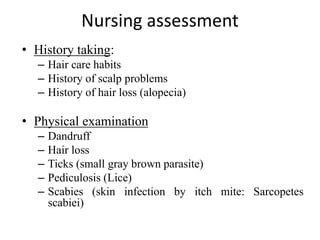
Proper assessment and diagnosis of dandruff are essential for developing an appropriate treatment plan. This typically involves taking a detailed patient history, performing a physical examination, and occasionally ordering laboratory tests.
Patient History
During the patient history assessment, healthcare providers may ask about the duration and pattern of dandruff symptoms, any previous treatments or medications used, and any medical conditions that may be contributing to the scalp condition. It is important to ask about the presence of any associated symptoms, such as itching or redness.
Physical Examination
A thorough physical examination of the scalp is crucial for diagnosing dandruff. Providers will carefully inspect the scalp for the presence of visible flakes, redness, or other signs of inflammation. They may also assess the overall condition of the hair and scalp to determine whether there are any underlying skin conditions or abnormalities.
Laboratory Tests
In most cases, a diagnosis of dandruff can be made based on the patient’s history and physical examination. However, in some instances, healthcare providers may choose to order additional laboratory tests to rule out other potential causes or confirm the presence of certain skin conditions. These tests may include a scalp culture, a skin biopsy, or a microscopic examination of skin scrapings.

Treatment Options
Treatment options for dandruff aim to reduce flaking, relieve symptoms, and promote scalp health. Depending on the severity and underlying cause of dandruff, various treatment modalities may be recommended.
Over-the-Counter Medications
For mild dandruff cases, over-the-counter (OTC) dandruff shampoos can be a suitable option. Anti-dandruff shampoos typically contain ingredients such as zinc pyrithione, selenium sulfide, ketoconazole, or salicylic acid. These ingredients work by targeting the underlying causes of dandruff, including fungal overgrowth or excessive scalp oiliness. It is important to follow the instructions for using OTC medications and use them regularly as advised.
Prescription Medications
In cases of moderate to severe dandruff or when OTC treatments are ineffective, healthcare providers may prescribe stronger medications. These may include prescription-strength dandruff shampoos, topical antifungal agents, corticosteroids, or other medicated treatments. It is crucial to consult with a healthcare professional to determine the appropriate prescription medication and ensure proper usage.
Alternative Therapies
In addition to conventional treatments, some individuals may choose to explore alternative therapies to manage their dandruff symptoms. These may include natural remedies like tea tree oil, aloe vera, coconut oil, or apple cider vinegar. While some alternative therapies may provide temporary relief, their effectiveness may vary, and it is important to use them cautiously and seek professional advice.
Management and Education
Managing dandruff involves a holistic approach that includes promoting scalp hygiene, stress management, dietary considerations, and educating patients on proper care and prevention strategies.
Promoting Scalp Hygiene
One of the key aspects of managing dandruff is promoting good scalp hygiene. This includes regular and gentle shampooing of the hair and scalp to remove excess oil, dead skin cells, and flakes. It is important to choose a shampoo that is specifically formulated for dandruff and follow the instructions for usage. Avoiding the excessive use of styling products, heat treatments, and harsh chemicals can also contribute to maintaining a healthy scalp.
Stress Management
Stress can exacerbate dandruff symptoms, so stress management techniques can be beneficial for individuals dealing with this condition. Engaging in relaxation exercises, practicing mindfulness or meditation, getting regular exercise, and pursuing hobbies or activities that promote relaxation and well-being can help reduce stress levels and, in turn, manage dandruff symptoms.
Dietary Considerations
While the direct impact of diet on dandruff is not fully understood, maintaining a balanced and nutrient-rich diet can contribute to overall scalp health. A diet that includes foods rich in omega-3 fatty acids, vitamins A and E, and zinc has been suggested to improve scalp health. It is important to consult with a healthcare provider or a registered dietitian before making any significant dietary changes.
Educating Patients
Patient education plays a vital role in the management of dandruff. Healthcare providers should explain the nature of the condition, its causes, and the available treatment options to patients. They should emphasize the importance of following prescribed treatments, maintaining good scalp hygiene, and managing underlying factors such as stress or dietary habits. Patients should be educated about the chronic nature of dandruff and the need for ongoing management.
Prevention Strategies
Preventing dandruff involves adopting certain lifestyle habits and scalp care practices to minimize the risk of recurrence or flaring of symptoms.
Maintaining Good Scalp Health
Maintaining a healthy scalp is fundamental in preventing dandruff. Regular and gentle shampooing with a suitable dandruff shampoo, using appropriate hair care products, and avoiding excessive scratching or picking of the scalp can all contribute to scalp health. Additionally, using a conditioner after shampooing can help keep the scalp moisturized and prevent excessive dryness.
Avoiding Triggers
Identifying and avoiding triggers that may worsen dandruff symptoms is an effective preventive strategy. Common triggers include stress, certain hair care products, irritants in the environment, and changes in weather or humidity. By avoiding these triggers, individuals can better manage their dandruff and reduce the risk of flare-ups.
Regular Haircare Practices
Adopting regular haircare practices can contribute to preventing dandruff. This includes avoiding excessive heat styling, properly drying the hair and scalp after washing, and not sharing personal hair care items such as combs or brushes. Additionally, individuals should avoid prolonged exposure to extreme temperatures, as both hot and cold environments can have a negative impact on the scalp.
Complications and Risk Factors
Although dandruff itself is not a serious condition, it can lead to certain complications and may pose a higher risk for certain individuals.
Secondary Infections
Persistent scratching or irritation of the scalp due to dandruff can increase the risk of secondary bacterial or fungal infections. It is important to monitor the scalp for signs of infection, such as increased redness, warmth, tenderness, or the presence of pus. If any signs of infection are observed, individuals should seek medical attention promptly.
Psychological Impact
Dandruff can have a psychological impact on individuals, particularly if they experience severe symptoms or have visible flakes. It can affect self-esteem, confidence, and social interactions. Healthcare providers should be mindful of the potential psychological impact of dandruff and offer appropriate support and counseling if needed.
Increased Risk in Certain Groups
Certain populations may be at a higher risk of developing dandruff or experiencing more severe symptoms. These include individuals with compromised immune systems, hormonal imbalances, certain medical conditions (such as Parkinson’s disease or HIV), or those undergoing treatment with certain medications. It is important for healthcare providers to be aware of these risk factors and tailor treatment plans accordingly.
Complications from Treatment
In some cases, complications can arise from the use of certain dandruff treatments. These may include adverse reactions to medications, scalp sensitivity or allergic reactions to topical agents, or the development of drug-resistant strains of fungi or bacteria. Healthcare providers should closely monitor patients undergoing treatment for dandruff and promptly address any potential complications.

Interprofessional Collaboration
Interprofessional collaboration is crucial in managing dandruff, as it requires input from various healthcare professionals to ensure comprehensive care.
Consultation with Dermatologists
Dermatologists play a vital role in the assessment and management of dandruff. They can provide expert guidance on the diagnosis, treatment options, and long-term management strategies. Collaborating with dermatologists allows for a more comprehensive approach to dandruff care, especially in cases where the condition is severe or resistant to conventional treatments.
Collaboration with Pharmacists
Pharmacists are valuable resources in dandruff management. They can provide guidance on the appropriate use of over-the-counter dandruff shampoos, recommend suitable products, and address any concerns or questions patients may have regarding their medications. Collaboration with pharmacists ensures safe and effective use of dandruff treatments.
Referral to Psychologists/Counselors
In cases where dandruff is significantly impacting a patient’s psychological well-being, it may be necessary to seek the assistance of psychologists or counselors. These professionals can provide support, counseling, or therapy to individuals struggling with self-esteem issues, anxiety, or depression related to their dandruff. Referral to psychologists or counselors helps ensure holistic care for patients.
Pediatric Considerations
Dandruff can also occur in children, and appropriate considerations should be taken when assessing and managing the condition in this population.
Differentiating Dandruff from Cradle Cap
In infants, it is important to differentiate dandruff from cradle cap (seborrheic dermatitis), a common scalp condition that affects newborns. Cradle cap typically presents as thick, greasy, yellowish scales that may cover the scalp and may extend to other areas like the face or behind the ears. Dandruff in children is usually milder and is accompanied by smaller, dry flakes.
Treatment Approaches for Children
Treatment approaches for dandruff in children are similar to those in adults but may require adaptations due to the child’s age and specific needs. It is important to select age-appropriate, gentle, and safe dandruff treatments for children, such as mild dandruff shampoos or natural remedies. Parents or caregivers should also be educated on proper scalp hygiene and encouraged to seek medical advice if symptoms persist or worsen.
Geriatric Considerations
Dandruff may present differently in older adults, and specific considerations should be taken into account when managing dandruff in the geriatric population.
Age-related Changes in Scalp Health
As individuals age, changes in the scalp may occur, making the skin more prone to dryness, flaking, and decreased oil production. These age-related changes can contribute to the development or exacerbation of dandruff. Healthcare providers should consider these factors when assessing and managing dandruff in older adults.
Adjustments in Treatment Approach
Due to potential changes in skin integrity and increased vulnerability to certain medications, healthcare providers may need to make adjustments in the treatment approach for dandruff in geriatric patients. It is essential to choose gentle and well-tolerated treatment options and closely monitor the skin for any adverse reactions or signs of irritation.
Cultural and Ethical Considerations
Considering cultural beliefs, respecting patient preferences, and adhering to ethical standards are important aspects of providing culturally sensitive care for individuals with dandruff.
Awareness of Cultural Beliefs
Cultural beliefs and practices surrounding scalp health can vary among different populations. Some individuals may have specific cultural beliefs or preferences regarding hair care and scalp hygiene. Healthcare providers should be aware of these cultural variations and take them into account when providing education and recommendations.
Respect for Patient Preferences
Respecting patient preferences is essential in managing dandruff. It is important to involve patients in the decision-making process, consider their personal values and beliefs, and tailor treatment approaches accordingly. Providing options and discussing the potential benefits and limitations of different treatment modalities empower patients to make informed decisions about their care.
Adherence to Ethical Standards
Healthcare providers must adhere to ethical standards when caring for individuals with dandruff. This includes maintaining patient confidentiality, respecting autonomy, and providing unbiased, evidence-based information. It is crucial to prioritize the well-being of the patient, ensure their rights are protected, and uphold professional integrity throughout the care process.
In conclusion, understanding dandruff involves a comprehensive assessment and diagnosis, followed by appropriate treatment options, management strategies, and prevention strategies. It requires collaboration among healthcare professionals, adherence to ethical standards, and considerations for specific populations. By implementing a holistic and patient-centered approach, healthcare providers can effectively address the needs of individuals with dandruff and help them maintain a healthy scalp.