
Depression is a complex and highly prevalent mental health condition that affects millions of individuals worldwide. As a nurse, it is crucial to be well-informed and equipped with important considerations when it comes to treating patients with depression. By understanding the unique challenges that may arise during treatment, you can provide effective nursing management and support to those in need. This article will explore key nursing considerations for treating depression, offering valuable insights and strategies that can make a significant difference in the lives of patients and their overall recovery journey. So, grab a cup of coffee, sit back, and let’s dive into the world of important nursing considerations when treating depression.
Assessment
Physical assessment
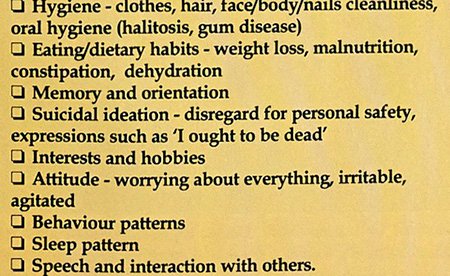
During the assessment phase, a nurse plays a critical role in conducting a physical examination to determine the overall health status of a patient with depression. This includes assessing vital signs such as blood pressure, heart rate, and respiratory rate. Additionally, the nurse should evaluate any physical symptoms or changes that may indicate underlying medical conditions contributing to or exacerbated by depression, such as changes in appetite, weight, or sleep patterns.
Psychosocial assessment
In addition to the physical examination, it is essential to conduct a thorough psychosocial assessment to gain insight into the patient’s emotional well-being and social environment. This assessment involves exploring the patient’s support system, family dynamics, and any potential stressors or triggers that may contribute to their depression. Understanding the patient’s psychosocial background enables the nurse to develop an individualized care plan tailored to the specific needs and circumstances of the patient.
Mental status examination
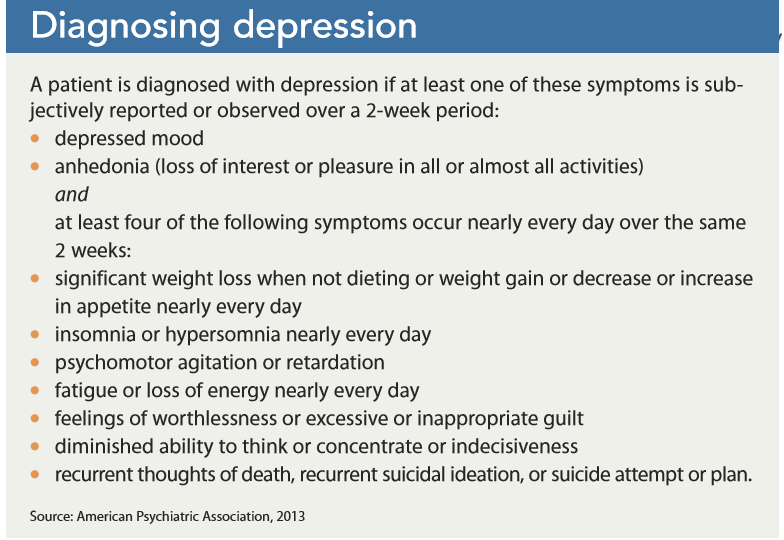
The mental status examination serves as a crucial component of the assessment process and assists in evaluating the patient’s cognitive, emotional, and behavioral functioning. The nurse should assess the patient’s appearance, mood, speech, thought processes, and cognition. It is important to observe any signs of depression, such as anhedonia or feelings of hopelessness, as well as any potential signs of co-existing mental health conditions that may require additional attention.
Collaborative Care
Multidisciplinary team involvement
Effective collaborative care involves the active participation of a multidisciplinary team composed of mental health professionals, physicians, psychologists, social workers, and other healthcare providers. By working together, this team can holistically address the various aspects of depression and develop a comprehensive treatment plan. The nurse’s role within this team involves coordinating and facilitating communication between team members, ensuring that everyone is informed and working towards the shared goal of improving the patient’s mental health.
Referrals to other healthcare professionals
When necessary, the nurse should identify the need for specialized care beyond their scope of practice and refer the patient to appropriate healthcare professionals. This may include referral to psychiatrists, therapists, or counselors who can provide additional therapy modalities, such as cognitive-behavioral therapy or dialectical behavior therapy. By collaborating with these professionals, the nurse can maximize the patient’s chances of obtaining the most effective and holistic treatment.
Coordinating care with other healthcare providers
The nurse plays a vital role in ensuring seamless care coordination among various healthcare providers involved in the patient’s treatment. This may involve communicating treatment updates, sharing assessment findings, and facilitating referrals to ensure that the patient’s needs are met in a timely and comprehensive manner. By maintaining open lines of communication, the nurse assists in promoting continuity of care, enhancing treatment outcomes, and improving overall patient satisfaction.
Medication Management
Prescribing antidepressant medications
Under the supervision of a qualified healthcare provider, a nurse may assist in prescribing and managing antidepressant medications. This includes gathering information about the patient’s medical history, conducting medication reconciliation, and educating the patient about the prescribed medication. The nurse should provide clear instructions regarding dosage, administration, potential side effects, and desired therapeutic effects.
Monitoring medication efficacy
After initiating medication therapy, the nurse plays a crucial role in monitoring the patient’s response to antidepressant medications. This involves assessing the patient’s mental and emotional well-being, observing for any changes in symptoms, and monitoring for potential adverse effects. The nurse should maintain regular contact with the patient to evaluate their treatment progress, adjust medication as needed, and ensure that they receive optimal care.
Assessing and managing medication side effects
As part of medication management, the nurse must remain vigilant in assessing and managing any medication side effects that may arise. This includes educating patients about potential adverse effects, monitoring their physical and mental well-being, and addressing any concerns or questions they may have. The nurse should collaborate with the healthcare team to promptly address side effects and adjust the treatment plan, if necessary, to minimize discomfort and optimize medication adherence.
Therapeutic Communication
Building rapport and trust
Establishing a positive and trusting relationship with the patient is essential for effective therapeutic communication. The nurse should demonstrate respect, genuineness, and empathy when interacting with the patient, creating a safe and supportive environment. Through active listening and non-judgmental attitude, the nurse can foster a sense of trust and openness that encourages the patient to express their feelings and concerns without hesitation.
Active listening
Active listening is a fundamental skill in therapeutic communication that involves fully focusing on the patient, understanding their verbal and non-verbal cues, and responding appropriately. The nurse should use open-ended questions, paraphrasing, and reflection to demonstrate their understanding and encourage deeper self-reflection from the patient. By actively listening, the nurse can gain valuable insights into the patient’s experiences and emotions, helping to shape a more personalized and effective care plan.
Empathy and non-judgmental attitude
An empathetic and non-judgmental attitude is critical when communicating with patients experiencing depression. The nurse should put aside their own biases and preconceptions to fully understand the patient’s perspective and validate their feelings. By showing empathy, the nurse helps the patient feel understood and supported, fostering a therapeutic relationship that is conducive to healing and recovery.
Safety Measures
Assessing suicidal ideation and risk
Assessing suicidal ideation and risk is of utmost importance when caring for patients with depression. The nurse should ask direct questions about suicidal thoughts, plans, and intent, supported by appropriate assessment tools. Regular assessment of suicidal ideation helps identify risks and enables the nurse to initiate appropriate interventions promptly.
Implementing suicide prevention protocols
To ensure patient safety, healthcare facilities should have suicide prevention protocols in place. Nurses play a vital role in implementing these protocols, which may involve close observation, ensuring the removal of potential means of self-harm, and involving the multidisciplinary team in risk management. By effectively implementing suicide prevention protocols, nurses contribute to creating a safe environment for the patient while providing the necessary care and support.
Encouraging support networks and crisis helplines
Support networks play a crucial role in the recovery process for individuals with depression. As nurses, it is essential to educate patients about available support networks, including friends, family, and community resources. Additionally, providing information about crisis helplines and mental health hotlines empowers patients to seek immediate help when needed. By encouraging the utilization of support networks and crisis helplines, nurses promote the well-being and safety of patients.
Patient Education
Educating on depression and its causes
Proper patient education is essential in helping patients understand depression and its potential causes. Nurses should provide clear and accurate information about the nature of depression, including its physiological, psychological, and environmental factors. By explaining the causes of depression, patients can develop a better understanding of their condition, which in turn promotes active participation in their treatment plan.
Explaining treatment options and goals
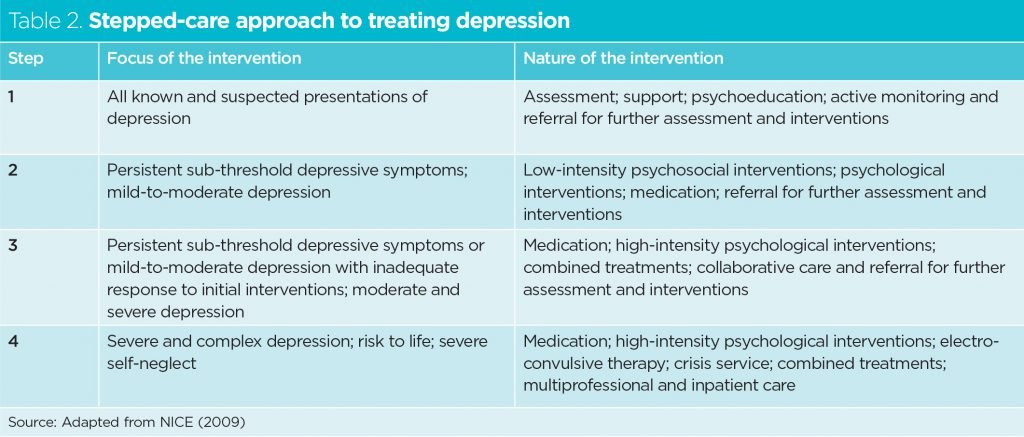
Patients should receive comprehensive education regarding the available treatment options for depression. The nurse should explain the benefits and risks associated with various treatment modalities, including medication, therapy, and lifestyle modifications. Additionally, the nurse should discuss the goals of treatment, emphasizing the importance of realistic expectations and active involvement in the recovery process.
Teaching coping strategies and stress management
Equipping patients with coping strategies and stress management techniques is crucial in their journey towards recovery. Nurses should provide education on stress reduction techniques, relaxation exercises, and healthy coping mechanisms. By empowering patients with these skills, they can develop resilience and effectively navigate the challenges associated with depression.
Promoting Self-Care
Encouraging healthy lifestyle habits
A holistic approach to depression management includes promoting healthy lifestyle habits. Nurses should emphasize the importance of regular exercise, balanced nutrition, and adequate hydration. Encouraging patients to engage in activities they enjoy, such as hobbies or creative outlets, also fosters a sense of well-being and self-care.
Emphasizing the importance of rest and sleep
Quality sleep and sufficient rest are vital for mental and emotional well-being. Nurses should educate patients on the significance of sleep hygiene practices, such as maintaining a consistent sleep schedule, creating a relaxing sleep environment, and avoiding stimulants before bedtime. By emphasizing the importance of rest and sleep, nurses empower patients to prioritize self-care and enhance their overall well-being.
Facilitating socialization and recreational activities
Depression often isolates individuals, making socialization and recreational activities crucial in their recovery. Nurses should encourage patients to engage in social activities, spend time with loved ones, and seek support from peer groups. By facilitating socialization, nurses foster a sense of belonging and strengthen the patients’ support networks, promoting their overall mental health and well-being.
Monitoring and Evaluation
Regular assessment of treatment progress
Monitoring and evaluating treatment progress is essential to determine the effectiveness of the care plan. Nurses should regularly assess the patient’s mental and emotional well-being, utilizing appropriate assessment tools to measure changes over time. This ongoing evaluation allows for timely adjustments to the treatment plan and serves as a means of providing support and encouragement to the patient.
Identification of potential barriers to recovery
Nurses should be vigilant in identifying potential barriers that may impede the patient’s recovery. These barriers may include issues related to medication adherence, lack of social support, limited access to healthcare resources, or underlying co-existing conditions. Identifying these barriers enables the nurse to proactively address them, ensuring that the patient receives the necessary support and interventions to overcome these challenges.
Modifying care plan based on patient response
A patient’s response to treatment may vary, and it is essential to adapt the care plan accordingly. Nurses should collaborate with the patient to review their progress and discuss any concerns, modifications, or alternative treatment options. By monitoring patient response and being open to adjusting the care plan, nurses ensure that each patient’s treatment is individualized and optimized for their unique needs.
Cultural Considerations
Respecting cultural beliefs and practices
Cultural considerations play a significant role in providing patient-centered care. Nurses must respect and recognize the diversity of cultural beliefs and practices when caring for patients with depression. By understanding cultural differences, nurses can tailor their approach, treatment plan, and therapeutic interventions to align with the patient’s cultural context. Respecting cultural beliefs and practices fosters trust and enhances the effectiveness of the care provided.
Addressing cultural stigma surrounding mental health
Stigma surrounding mental health remains prevalent in many cultures. Nurses should actively address and challenge this stigma, creating a safe and non-judgmental space for patients to discuss their mental health concerns. By engaging in open conversations, providing education, and raising awareness, nurses can contribute to reducing the stigma surrounding mental health and promoting early intervention and treatment-seeking behaviors.
Individualizing care based on cultural needs
Individualizing care based on cultural needs is crucial in achieving positive outcomes. Nurses should strive to understand the cultural background, values, and beliefs of each patient to provide culturally competent care. This may involve modifying therapeutic techniques, incorporating traditional healing practices or rituals, or collaborating with cultural liaisons to ensure that the patient’s cultural needs are met.
Patient Advocacy
Ensuring patient rights and dignity
Patient advocacy is a fundamental responsibility of nurses. This involves advocating for the patient’s rights, ensuring they receive equitable and respectful care, and protecting their privacy and confidentiality. Nurses should empower patients to assert their rights and help navigate the healthcare system by providing information and support. By advocating for patient rights and dignity, nurses contribute to the overall well-being and satisfaction of those in their care.
Empowering patients in decision-making
Including patients in their own care decision-making process is essential for patient-centered care. Nurses should actively involve patients in discussions regarding their treatment options, goals, and preferences. By empowering patients to make informed decisions about their care, nurses foster a sense of autonomy and ownership, which positively impacts treatment adherence and engagement.
Promoting access to mental healthcare services
Nurses play a pivotal role in promoting access to mental healthcare services for individuals with depression. By providing education about available resources, helping patients navigate the healthcare system, and advocating for improved access to mental health services, nurses ensure that individuals in need can access the care they require. By promoting access to mental healthcare services, nurses contribute to reducing the burden of depression and enhancing overall population well-being.
In conclusion, when treating depression, nurses must consider various dimensions, from thorough assessments to medication management, therapeutic communication, and patient education. By employing a comprehensive and compassionate approach, nurses can enhance treatment outcomes, improve patient experiences, and support individuals in their journey towards recovery.