
Are you a nurse looking for important information on managing Dengue Fever? Look no further! In this article, we will provide you with essential nursing considerations and management strategies for tackling this viral infection. From recognizing early symptoms to monitoring patient conditions, we will guide you through the best practices to ensure effective care for Dengue Fever patients. So, grab a cup of coffee, sit back, and let’s get started!

Prevention and Control of Dengue Fever
Promoting community education and awareness
One of the most effective ways to prevent and control dengue fever is through community education and awareness. By educating the public about the causes, symptoms, and transmission of the disease, individuals can take necessary precautions to protect themselves and their communities. This includes promoting understanding about the importance of eliminating mosquito breeding sites, such as stagnant water in containers or discarded tires. Additionally, disseminating information about the use of insect repellents and wearing protective clothing can help reduce the risk of mosquito bites. Community engagement and education play a vital role in preventing the spread of dengue fever.
Implementing mosquito control measures
Mosquito control measures are essential in preventing the transmission of dengue fever. This involves implementing strategies to reduce the mosquito population and their breeding sites. Mosquito control measures can include both environmental and chemical interventions. Environmental measures focus on eliminating stagnant water sources where mosquitoes breed, such as flower pots, gutters, and water storage containers. Additionally, insecticide-treated bed nets and spraying insecticides in high-risk areas can help control the mosquito population. By implementing these control measures, healthcare providers can mitigate the risk of dengue fever transmission within the community.
Encouraging personal protective measures
Encouraging personal protective measures is crucial in preventing dengue fever. Individuals can reduce their risk of mosquito bites by taking certain precautions. This includes wearing protective clothing, such as long-sleeved shirts and long pants, especially during peak mosquito activity hours. Applying insect repellents that contain DEET, picaridin, or oil of lemon eucalyptus can also provide effective protection against mosquito bites. It is essential to educate individuals about the importance of personal protective measures and their role in preventing the spread of dengue fever.
Assessment and Diagnosis
Recognizing common signs and symptoms
As a healthcare provider, it is crucial to be able to recognize the common signs and symptoms of dengue fever. These can include sudden high fever, severe headache, joint and muscle pain, rash, and mild bleeding manifestations, such as nosebleeds or bleeding gums. Gastrointestinal symptoms, like nausea, vomiting, and abdominal pain, may also be present. It is essential to be vigilant in identifying these symptoms, as early detection allows for prompt intervention and management of the disease.
Performing a thorough physical examination
A thorough physical examination is essential for assessing patients suspected of dengue fever. This examination aims to identify specific signs associated with the disease, such as the presence of a rash, swollen lymph nodes, or liver enlargement. It also helps evaluate the patient’s overall condition, including hydration status, vital signs, and any potential complications. By conducting a comprehensive physical examination, healthcare providers can gather important information to guide their management decisions.
Ordering relevant diagnostic tests
Diagnostic tests are essential for confirming the presence of dengue fever and assessing the severity of the disease. The most commonly used diagnostic test is the detection of dengue-specific antibodies or viral RNA in the patient’s blood through serological and molecular tests, respectively. These tests help differentiate dengue fever from other similar illnesses and determine the appropriate management approach. Additionally, laboratory tests, such as complete blood count and liver function tests, can provide valuable information about the patient’s overall health status. Ordering the relevant diagnostic tests is crucial in accurately diagnosing and managing dengue fever.

Fluid and Electrolyte Management
Monitoring fluid intake and output
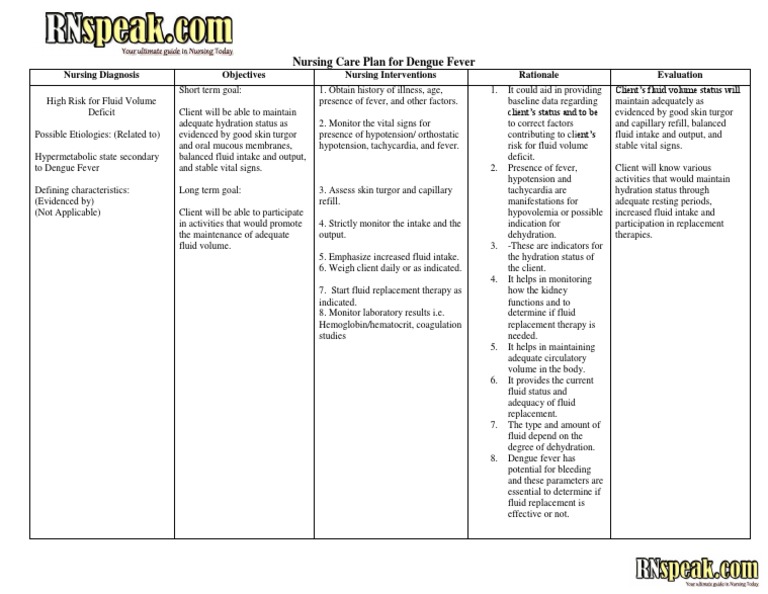
Fluid management is a cornerstone of dengue fever management, as the disease can cause significant fluid loss and dehydration. It is essential to monitor the patient’s fluid intake and output closely. By assessing the volume and frequency of urine output, healthcare providers can determine the adequacy of fluid replacement therapy. Additionally, monitoring the patient’s oral intake of fluids and providing regular updates to the interdisciplinary team can guide appropriate adjustments to the fluid management plan.
Administering intravenous fluids
In cases where oral fluid intake is inadequate or the patient shows signs of dehydration, intravenous fluids may be necessary. Intravenous fluid therapy aims to restore and maintain the patient’s fluid and electrolyte balance. The choice of intravenous fluids depends on the severity of the disease and the patient’s individual needs. Isotonic crystalloids, such as normal saline or lactated Ringer’s solution, are commonly used for fluid replacement. The administration of intravenous fluids requires careful monitoring of fluid input, urine output, and the patient’s clinical response.
Assessing for signs of dehydration
Dehydration is a potential complication of dengue fever and can occur rapidly if not addressed promptly. Healthcare providers should assess the patient for signs of dehydration, including dry mucous membranes, decreased skin turgor, increased heart rate, and low blood pressure. Prompt identification of dehydration allows for immediate intervention, such as initiating fluid replacement therapy. Regular assessment of hydration status is crucial to ensure adequate fluid management and prevent the progression of dehydration.
Balancing electrolyte levels
Dengue fever can disrupt the body’s electrolyte balance, leading to electrolyte abnormalities. Healthcare providers must monitor and balance electrolyte levels to prevent complications such as electrolyte imbalances or organ dysfunction. Monitoring electrolyte levels through laboratory tests, such as serum electrolyte panels, allows for early detection of abnormalities and targeted interventions. Depending on the patient’s specific needs, electrolyte supplementation or correction may be required to maintain optimal electrolyte balance and support overall patient well-being.
Pain and Fever Management
Administering prescribed analgesics
Pain management is an essential aspect of nursing care for patients with dengue fever. Severe headache, joint, and muscle pain are common symptoms experienced by dengue fever patients. Healthcare providers should administer prescribed analgesics to alleviate pain and provide comfort to patients. Non-steroidal anti-inflammatory drugs (NSAIDs), such as acetaminophen or ibuprofen, are commonly used to manage pain and reduce fever. However, it is important to carefully evaluate each patient’s medical history and consider any contraindications or potential side effects before administering analgesics.
Implementing cooling measures
Cooling measures can provide relief to patients experiencing high fever due to dengue fever. This can include the use of cooling blankets, fans, or cold compresses to lower body temperature. It is important to monitor the patient’s response to cooling measures and adjust the interventions accordingly. Additionally, adequate hydration and maintaining a comfortable room temperature can contribute to overall cooling and patient comfort.
Monitoring temperature regularly
Regular temperature monitoring is essential for assessing the effectiveness of fever management interventions and evaluating the patient’s response to treatment. Healthcare providers should monitor the patient’s temperature at regular intervals, according to the healthcare facility’s protocol. Tracking the temperature trends over time provides valuable information about disease progression and the patient’s overall condition. Close temperature monitoring allows for timely adjustments in pain and fever management interventions to ensure optimal patient outcomes.

Monitoring and Managing Bleeding
Evaluating for manifestations of bleeding
Bleeding manifestations are common in severe dengue fever and require careful evaluation. Nurses should assess patients for signs of bleeding, which may include petechiae (small red spots), ecchymosis (bruises), bleeding gums, or epistaxis (nosebleeds). Internal bleeding can also occur, leading to more severe symptoms such as melena (black, tarry stools) or hematemesis (vomiting blood). Prompt recognition and assessment of bleeding manifestations are crucial for initiating appropriate interventions and preventing further complications.
Administering blood products if necessary
In severe cases of dengue fever, blood transfusion may be necessary to manage severe bleeding or low platelet counts. Nurses play a crucial role in coordinating blood product administration, ensuring compatibility, monitoring transfusion reactions, and maintaining patient safety throughout the process. Close collaboration with the interdisciplinary team is vital to determine the need for blood transfusion and to facilitate timely provision of blood products if required.
Assisting in monitoring clotting function
In patients with dengue fever, clotting abnormalities may occur due to a decrease in platelet count and disruption of the coagulation process. Nurses should assist in monitoring the patient’s clotting function through laboratory tests, such as evaluating prothrombin time (PT), activated partial thromboplastin time (aPTT), and platelet counts. Regular monitoring allows for early detection of any coagulation abnormalities, enabling timely interventions to prevent severe bleeding or further complications.
Educating Patients and Families
Explaining the nature of the dengue virus
Education is a vital component of nursing care for individuals with dengue fever. Nurses should explain the nature of the dengue virus to patients and their families, including its transmission, symptoms, and treatment options. Providing clear and concise information helps patients and families understand the disease better and participate actively in their care. It is important to address any misconceptions or concerns they may have and provide reassurance that dengue fever is typically a self-limiting illness with appropriate management.
Providing information on self-care
Empowering patients and families with information on self-care is crucial for their recovery from dengue fever. Nurses should provide guidance on measures that can be taken at home to manage symptoms and support the healing process. This may include advice on rest, maintaining hydration, proper nutrition, and the appropriate use of over-the-counter medications for fever and pain relief. By providing comprehensive self-care instructions, nurses empower patients and families to actively participate in their recovery and minimize the risk of complications.
Teaching strategies to prevent transmission
Education on strategies to prevent the transmission of dengue fever is vital in community health promotion. Nurses should emphasize the importance of eliminating mosquito breeding sites, using insect repellents, and wearing protective clothing. Educating patients and families about these preventive measures helps reduce the risk of dengue fever transmission and promotes overall community well-being. By providing practical strategies that can be incorporated into daily routines, nurses play a key role in the prevention and control of dengue fever.

Supporting Psychosocial Well-being
Assessing emotional and psychological status
The diagnosis and management of dengue fever can have a significant impact on the emotional and psychological well-being of patients and their families. Nurses should assess their emotional status and identify any signs of distress, anxiety, or depression. By addressing these psychosocial concerns, nurses can provide support and appropriate referrals to resources such as social workers or psychologists to ensure holistic patient care.
Offering emotional support and reassurance
During the course of dengue fever management, patients and their families may experience fear, uncertainty, and stress. Nurses can provide emotional support by actively listening, offering reassurance, and addressing their concerns. Recognizing and validating their emotions can go a long way in alleviating anxiety and promoting a sense of calm. Creating a supportive environment can help patients and families navigate through the challenges associated with dengue fever and foster a positive healing experience.
Referring to psychosocial resources if needed
In cases where patients and families require additional psychosocial support, nurses should collaborate with the interdisciplinary team to facilitate appropriate referrals. This may include connecting them with social workers, counselors, or support groups that can provide specialized assistance. By recognizing the importance of psychosocial well-being and accessing available resources, nurses ensure comprehensive care for patients and families affected by dengue fever.
Monitoring for Complications
Assessing for warning signs of severe dengue
Monitoring for complications is crucial in the management of dengue fever. Nurses should be vigilant in assessing patients for warning signs of severe dengue, which may include abdominal pain or tenderness, persistent vomiting, bleeding that does not stop, or significant changes in vital signs. Prompt recognition and reporting of these warning signs allow for early intervention and appropriate escalation of care, potentially preventing severe complications or organ failure.
Performing frequent vital sign assessments
Regular monitoring of vital signs is essential in dengue fever management. Nurses should conduct frequent assessments of the patient’s temperature, blood pressure, heart rate, and respiratory rate. By closely monitoring vital signs, nurses can identify any changes that may indicate worsening disease progression or complications. Early detection enables timely interventions, helping to optimize patient outcomes and recovery.
Monitoring for organ dysfunction or failure
Dengue fever can lead to organ dysfunction or failure, particularly in severe cases. Nurses should monitor patients for signs and symptoms of organ dysfunction, such as jaundice (yellowing of the skin and eyes), changes in urine output or quality, or altered mental status. Regular laboratory monitoring, including liver function tests and renal function tests, provides valuable information and helps identify early signs of organ involvement. Prompt recognition and intervention can mitigate complications and support the patient’s overall recovery.
Collaborating with the Interdisciplinary Team
Consulting with medical providers
Effective collaboration with medical providers is essential for the comprehensive management of dengue fever. Nurses should actively communicate and collaborate with the medical team to ensure optimal patient care. This includes sharing pertinent patient information, discussing treatment plans, and seeking medical input when necessary. Establishing a culture of teamwork and mutual respect enhances the overall quality of care provided to patients with dengue fever.
Working closely with laboratory staff
Laboratory staff play a crucial role in the diagnosis and monitoring of dengue fever. Nurses should work closely with laboratory staff to ensure timely and accurate test results. Communicating the urgency of diagnostic tests, understanding the appropriate samples required, and providing complete and accurate patient information are key aspects of this collaboration. By fostering a cooperative relationship with laboratory staff, nurses contribute to the efficient management of dengue fever.
Coordinating care with other healthcare professionals
Dengue fever management often involves various healthcare professionals, including pharmacists, nutritionists, physical therapists, and social workers. Nurses should actively coordinate care with these professionals to provide comprehensive and holistic patient management. This includes sharing relevant patient information, facilitating referrals, and collaborating on care plans. By orchestrating interdisciplinary collaboration, nurses ensure that patients receive well-rounded care tailored to their individual needs.
Discharge Planning and Follow-up
Ensuring patient and family understand discharge instructions
Preparing patients and their families for discharge is a critical nursing responsibility. Nurses should ensure that they have a clear understanding of the discharge instructions, including medication schedules, follow-up appointments, and self-care measures. Providing written materials or visual aids can be helpful in reinforcing the information. By ensuring comprehension of the discharge plan, nurses empower patients and families to continue their recovery journey after leaving the healthcare facility.
Providing guidance on post-discharge care
Post-discharge care is essential for patients recovering from dengue fever. Nurses should provide guidance on self-care measures that can be implemented at home, such as maintaining hydration, rest, healthy diet, and avoiding potential mosquito breeding sites. Reinforcing the importance of continued surveillance for signs of complications and seeking prompt medical attention if necessary is also crucial. By equipping patients and families with the knowledge and tools for post-discharge care, nurses contribute to positive patient outcomes and long-term well-being.
Scheduling follow-up appointments
Follow-up appointments are important for ongoing monitoring and assessment after discharge from the healthcare facility. Nurses should assist in scheduling these appointments, ensuring that patients have timely access to appropriate medical care. Clear communication of appointment details and instructions regarding any necessary preparations or tests is essential. By facilitating follow-up appointments, nurses support continuity of care and optimize the patient’s recovery process.