
In “Nursing Considerations for Digestive Disorders,” you will discover essential information on how nurses play a crucial role in managing and providing care for individuals with digestive disorders. This article explores various considerations and strategies nurses employ to support patients, including proper medication administration, dietary modifications, and counseling for lifestyle changes. By understanding these nursing considerations, you will gain insights into the compassionate and knowledgeable care required to help individuals experiencing digestive disorders regain their overall well-being.
Nursing Assessment
Patient History
When conducting a nursing assessment for patients with digestive disorders, obtaining a detailed patient history is crucial. You should inquire about the patient’s symptoms, including the frequency, duration, and severity of any gastrointestinal issues they are experiencing. It is important to ask about any previous diagnoses, surgeries, or hospitalizations related to digestive disorders. Additionally, gather information about the patient’s diet and lifestyle habits, including their food preferences, eating patterns, and potential triggers for symptoms. Understanding the patient’s medical history, family history, and any medications they are currently taking will provide valuable insights into their overall health status and potential risk factors for digestive disorders.
Physical Examination
A thorough physical examination is essential for assessing patients with digestive disorders. During the examination, pay careful attention to the patient’s vital signs, such as blood pressure, heart rate, and temperature. Assess the appearance of the patient, including their overall demeanor, skin color, and hydration status. Physical examination of the abdomen is particularly important for detecting abnormalities in patients with digestive issues. Palpate the abdomen to evaluate for tenderness, bloating, or any palpable masses. Auscultation of bowel sounds can provide clues about the presence of any motility disorders. Additionally, perform a general inspection of the mouth, throat, and rectal area to identify any signs of inflammation or abnormalities.
Laboratory and Diagnostic Tests
Laboratory and diagnostic tests play a crucial role in the assessment and diagnosis of digestive disorders. Stool samples can be analyzed for the presence of blood, pathogens, or abnormalities in digestive enzyme levels. Blood tests, such as complete blood count (CBC), liver function tests (LFTs), and pancreatic enzyme levels, help evaluate organ function and identify any systemic abnormalities. Endoscopic procedures, such as upper gastrointestinal (GI) endoscopy and colonoscopy, allow for direct visualization and biopsy of the GI tract. Imaging modalities like abdominal ultrasound, computed tomography (CT) scan, or magnetic resonance imaging (MRI) can help identify structural abnormalities or inflammation. These tests help in formulating an accurate diagnosis, guiding treatment decisions, and monitoring the response to interventions.
Gastrointestinal Disorders
Gastroesophageal Reflux Disease (GERD)
GERD is a common digestive disorder characterized by the reflux of stomach acid into the esophagus, leading to symptoms such as heartburn, regurgitation, and chest pain. For patients with GERD, nursing considerations involve lifestyle modifications such as weight loss, elevation of the head of the bed, avoiding triggers (such as caffeine and nicotine), and consuming smaller meals. Medications like proton pump inhibitors (PPIs) and H2 receptor antagonists may be prescribed to reduce gastric acid production. Patient education should focus on dietary modifications, including avoiding spicy foods, alcohol, and smoking. Encouraging patients to maintain a healthy weight and providing information on the importance of regular exercise can also be beneficial.
Peptic Ulcer Disease
Peptic ulcer disease refers to the formation of open sores (ulcers) on the lining of the stomach, esophagus, or duodenum. Nursing management for peptic ulcer disease involves ensuring proper medication adherence, as prescribed antibiotics are often necessary to eradicate Helicobacter pylori (H. pylori) infection. Additionally, providing education and counseling on smoking cessation is crucial, as smoking can delay the healing process and increase the risk of ulcer recurrence. Implementing measures to reduce stress, such as relaxation techniques, can also aid in the management of peptic ulcers.
Inflammatory Bowel Disease (IBD)
Inflammatory bowel disease encompasses conditions such as Crohn’s disease and ulcerative colitis, which are chronic inflammatory disorders of the gastrointestinal tract. Nursing considerations for patients with IBD involve monitoring for signs of disease exacerbation, such as abdominal pain, diarrhea, and rectal bleeding. Providing emotional support and counseling can be beneficial due to the fluctuating nature and potential impact of IBD on patients’ quality of life. Additionally, teaching patients about medication management, including potential side effects and the importance of compliance, is vital for disease control and symptom management.
Irritable Bowel Syndrome (IBS)
IBS is a chronic condition characterized by recurrent abdominal pain and altered bowel habits. Nursing interventions for patients with IBS focus on symptom management strategies. Educating patients about trigger identification and the implementation of dietary modifications, such as avoiding gas-producing foods and caffeine, can help alleviate symptoms. Promoting stress reduction techniques, regular exercise, and healthy sleep habits are also important in managing IBS. Additionally, providing guidance on over-the-counter medications to control specific symptoms, such as antidiarrheals or laxatives, can be part of the nursing management plan.
Gallbladder Disease
Gallbladder disease encompasses conditions such as cholecystitis and cholelithiasis, which involve inflammation or the presence of gallstones in the gallbladder. Nursing considerations for patients with gallbladder disease include patient education on dietary modifications. Emphasize the importance of avoiding high-fat or fried foods that may trigger symptoms, while encouraging the consumption of a low-fat diet. You may also need to provide pre- and post-operative care instructions if the patient requires surgical interventions, such as a cholecystectomy, to remove the gallbladder.
Liver Disease
Management of patients with liver disease requires comprehensive nursing assessments and ongoing monitoring of liver function tests, such as alanine transaminase (ALT) and aspartate transaminase (AST) levels. Nursing interventions should focus on promoting a well-balanced diet, low in sodium and alcohol. It is crucial to educate patients about the importance of medication adherence and avoiding substances that may further damage the liver, such as illicit drugs or certain herbal supplements. Patients with advanced liver disease may require further collaboration with specialists and end-stage liver disease treatment options, such as liver transplantation.
Pancreatitis
Pancreatitis refers to inflammation of the pancreas, which can be acute or chronic. Nursing management of patients with pancreatitis includes monitoring vital signs, pain assessment, and administration of appropriate analgesic medications as prescribed. Encouraging patients to adhere to a low-fat diet, abstain from alcohol, and maintain proper hydration are important considerations. Educate patients about the importance of compliance with enzyme replacement therapy (ERT) if they have exocrine pancreatic insufficiency. If the patient’s condition deteriorates or there are complications, referral to a specialist or critical care unit may be necessary.
Celiac Disease
Celiac disease is an autoimmune disorder characterized by an intolerance to gluten, a protein found in wheat, barley, and rye. Nursing considerations for patients with celiac disease include educating patients about a strict gluten-free diet. Encourage patients to seek consultation with a registered dietitian who specializes in celiac disease to ensure they receive appropriate dietary guidance. Additionally, provide information on potential sources of hidden gluten in medications, personal care products, and cross-contamination risks in food preparation.
Medication Management
Proton Pump Inhibitors (PPIs)
Proton pump inhibitors are medications commonly prescribed for the management of acid-related gastrointestinal disorders such as GERD and peptic ulcer disease. As a nurse, it is essential to educate patients about the appropriate use of PPIs, including the importance of taking medications as prescribed and the potential side effects, such as headache or diarrhea. Encouraging patients to report any new or worsening symptoms is crucial, as it may indicate the need for further evaluation or adjustment of their medication regimen.
Antacids
Antacids are over-the-counter medications that provide temporary relief from heartburn, indigestion, and acid reflux. While antacids can be beneficial for managing mild symptoms, as a nurse, you should educate patients on the proper use and potential limitations of antacids. It is important to emphasize that antacids should not be used as a long-term solution for gastrointestinal disorders. Encourage patients to consult their healthcare provider if their symptoms persist or worsen despite regular use of antacids.
H2 Receptor Antagonists
H2 receptor antagonists are medications that reduce the production of stomach acid and are commonly used to manage conditions such as peptic ulcer disease and GERD. As a nurse, it is important to educate patients about the proper administration of H2 receptor antagonists, including the timing of medication administration in relation to meals. Encouraging patients to report any side effects, such as dizziness or confusion, is crucial to ensure appropriate adjustments to their medication regimen.
Prokinetic Agents
Prokinetic agents are medications that help improve gastrointestinal motility and can be prescribed for conditions such as GERD and gastroparesis. Nursing considerations for patients taking prokinetic agents include monitoring for potential side effects, such as nausea or diarrhea. It is important to educate patients about the importance of adhering to the prescribed dosing schedule and reporting any new or worsening symptoms to their healthcare provider.
Antibiotics
Antibiotics are commonly prescribed for the treatment of infectious gastrointestinal disorders, such as H. pylori infection or bacterial overgrowth. As a nurse, it is crucial to educate patients about the importance of completing the full course of antibiotics as prescribed. Remind patients to report any adverse effects, such as rash or gastrointestinal symptoms, to their healthcare provider promptly. Additionally, educating patients about the potential for antibiotic resistance and the importance of appropriate antibiotic use can help promote responsible medication management.
Immunosuppressants
Immunosuppressants are medications used to manage inflammatory bowel disease and other autoimmune disorders. As a nurse, it is important to educate patients about the potential side effects and risks associated with immunosuppressant therapy, such as increased susceptibility to infections or the development of certain types of cancer. Encourage patients to adhere to the prescribed medication regimen and report any changes in health status to their healthcare provider promptly.
Antidiarrheal Medications
Antidiarrheal medications, such as loperamide, can provide symptomatic relief for patients with diarrhea-predominant gastrointestinal disorders like IBS. As a nurse, it is important to educate patients about the appropriate use of antidiarrheal medications, including the recommended dosage and possible side effects, such as constipation or abdominal discomfort. Encourage patients to consult their healthcare provider if their symptoms persist or worsen despite regular use of antidiarrheal medications.
Stool Softeners and Laxatives
Stool softeners and laxatives are commonly used to manage constipation associated with various digestive disorders. As a nurse, it is crucial to assess the patient’s bowel habits and stool consistency before initiating any bowel management interventions. Educate patients about the appropriate use of stool softeners and laxatives, including the recommended dosage and potential side effects, such as abdominal cramping or electrolyte imbalances. Encourage patients to drink an adequate amount of water and adopt healthy lifestyle habits, such as regular exercise and a high-fiber diet, to promote healthy bowel movements and minimize the need for laxative use.
Dietary Considerations
Low-Fat Diet
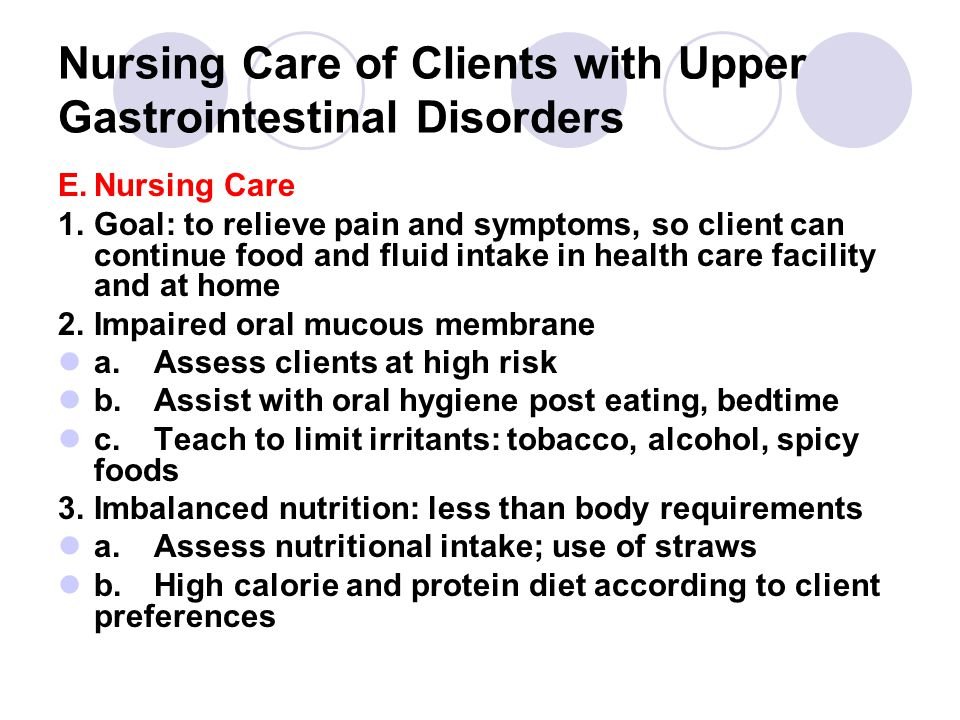
A low-fat diet is often recommended for patients with gallbladder disease, pancreatitis, or liver disease. As a nurse, it is important to provide education on dietary modifications to reduce fat intake. Encourage patients to choose lean protein sources, eliminate or minimize foods high in saturated fats, and opt for healthier cooking methods such as baking or grilling instead of frying. Providing resources and collaborating with registered dietitians can be valuable in helping patients develop personalized low-fat meal plans.
High-Fiber Diet
A high-fiber diet plays a vital role in the management of digestive disorders such as IBS and constipation. Nurses can educate patients about the benefits of a high-fiber diet, including improved bowel regularity, reduced risk of diverticular disease, and better glycemic control. Encourage patients to increase their intake of fruits, vegetables, whole grains, and legumes. Additionally, remind patients to increase their fluid consumption when increasing dietary fiber to prevent potential gastrointestinal discomfort.
Gluten-Free Diet
A gluten-free diet is essential for individuals with celiac disease, as gluten triggers an autoimmune response in their digestive system. As a nurse, it is crucial to provide comprehensive education on the gluten-free lifestyle. Encourage patients to read food labels carefully to identify hidden sources of gluten, such as wheat, barley, and rye. Collaborating with registered dietitians who specialize in gluten-free diets can be invaluable in ensuring patients’ nutritional needs are met while avoiding gluten-containing foods.
Low-Residue Diet
A low-residue diet is often recommended for patients with certain gastrointestinal disorders, such as inflammatory bowel disease in the acute phase or diverticulitis. As a nurse, it is important to educate patients about adopting a low-residue diet to reduce fecal bulk and minimize gastrointestinal irritation. Encourage patients to consume easily digestible foods such as lean protein, cooked vegetables, and refined grains while avoiding high-fiber foods, seeds, and skins.
Restriction of Caffeine, Alcohol, and Carbonated Beverages
Restricting the intake of caffeine, alcohol, and carbonated beverages is often necessary for patients with digestive disorders such as GERD, gastritis, or peptic ulcer disease. As a nurse, it is important to explain the physiological effects of these substances on the gastrointestinal system and why their consumption can exacerbate symptoms. Educate patients about alternative beverage options, such as herbal teas, decaffeinated beverages, or water infused with fruit, to encourage healthier choices and symptom management.

Fluid and Electrolyte Imbalance
Maintenance of Fluid Balance
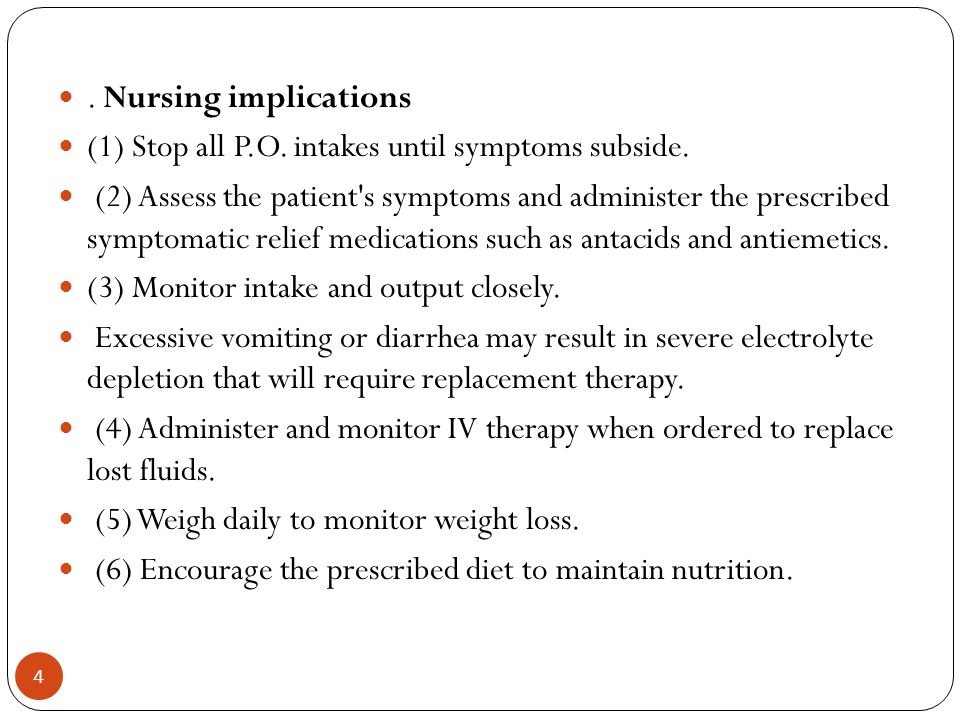
Maintaining fluid balance is crucial for patients with digestive disorders, as vomiting, diarrhea, or excessive sweating can lead to dehydration. As a nurse, it is important to monitor patients’ fluid intake and output, assessing for signs of dehydration or fluid overload. Encourage patients to drink an adequate amount of water each day and provide education on the importance of hydration. For patients with severe fluid imbalances, intravenous fluid administration may be necessary, and ensuring the correct type and rate of administration is crucial.
Monitoring Electrolyte Levels
Electrolyte imbalances are common in patients with digestive disorders, particularly those with diarrhea or malabsorption issues. Monitoring electrolyte levels, such as sodium, potassium, and magnesium, is essential to identify and address any imbalances promptly. As a nurse, it is important to educate patients about the importance of maintaining electrolyte balance and the potential signs and symptoms of electrolyte abnormalities, such as muscle weakness or cardiac arrhythmias.
Intravenous Fluid Administration
In patients with severe fluid and electrolyte imbalances or those unable to tolerate oral intake, intravenous (IV) fluid administration may be necessary. As a nurse, it is crucial to assess patients’ IV access, monitor the infusion rate, and regularly assess for any signs of complications, such as infiltration or infection. Collaboration with the healthcare team and adherence to strict aseptic techniques are vital to ensure the safety and effectiveness of IV fluid administration.
Enteral Nutrition
Enteral nutrition, including methods such as tube feeding, may be necessary for patients with digestive disorders who are unable to meet their nutritional needs orally. Nursing considerations for enteral nutrition involve assessing patients’ nutritional requirements, selecting the appropriate enteral feeding formula, and ensuring proper placement and function of the feeding tube. Monitoring for complications, such as aspiration or tube dislodgement, is crucial. Collaborating with registered dietitians and other healthcare professionals is important to develop and adjust enteral nutrition plans as needed.
Pain Management
Assessment of Pain
Assessing pain is vital for patients with digestive disorders, as abdominal pain is a common symptom. As a nurse, it is important to use appropriate pain assessment tools and techniques to evaluate the location, intensity, and quality of the pain the patient is experiencing. Frequent reassessment of pain levels is crucial to evaluate the effectiveness of interventions and make necessary adjustments to the pain management plan.
Non-Pharmacological Interventions
Non-pharmacological interventions play a significant role in the management of pain associated with digestive disorders. Nurses can provide various non-pharmacological pain management strategies, such as relaxation techniques, distraction exercises, deep breathing exercises, or heat/cold therapy. Encouraging patients to adopt these techniques and providing necessary resources, such as relaxation tapes or stress balls, can be helpful in reducing pain and promoting overall well-being.
Analgesic Medications
Analgesic medications are commonly used to manage pain in patients with digestive disorders. As a nurse, it is important to assess patients’ pain levels regularly and administer analgesic medications as prescribed. Educate patients about the potential side effects, monitoring parameters, and proper administration techniques of analgesic medications. Encourage patients to communicate any concerns or changes in pain patterns to facilitate appropriate pain management.
Prevention and Control of Infection
Hand Hygiene
Hand hygiene is the most effective measure to prevent the transmission of infection in healthcare settings. As a nurse, it is crucial to adhere to strict hand hygiene protocols, including proper handwashing techniques or the use of hand sanitizers. Educating patients and their families about the importance of hand hygiene and providing visual reminders, such as posters or sanitizer stations, can promote compliance and reduce the risk of infection transmission.
Isolation Precautions
Isolation precautions are necessary for patients with infectious gastrointestinal disorders to prevent the spread of pathogens. As a nurse, it is important to follow isolation protocols, such as contact precautions, droplet precautions, or airborne precautions, depending on the specific infectious agent. Educate patients and their families about the rationale for isolation precautions and provide measures to reduce the psychological impact of isolation, such as frequent communication and involvement in their care.
Proper Disposal of Body Fluids and Contaminated Items
Proper disposal of body fluids and contaminated items is essential for infection control in patients with digestive disorders. Nurses should educate patients and their families about the appropriate methods of disposing of items such as soiled diapers, ostomy supplies, or contaminated dressings. Providing clear instructions and necessary disposal equipment, such as biohazard bags or sharps containers, can ensure compliance with infection control guidelines and reduce the risk of cross-contamination.
Patient Education
Explaining the Disorder
Providing patient education about the specific digestive disorder is crucial for patients to understand their condition and actively participate in their care. As a nurse, it is important to explain the disorder, its underlying causes, potential complications, and treatment options in a clear and understandable manner. Using visual aids, such as diagrams or videos, can enhance patient understanding and facilitate their engagement in the management of their condition.
Teaching Self-Care Measures
Teaching self-care measures empowers patients to take an active role in managing their digestive disorder and promoting their overall well-being. As a nurse, it is important to provide instructions on self-care measures tailored to the patient’s specific condition. This may include dietary modifications, lifestyle changes, recommended exercise routines, or stress management techniques. Ensuring patients have access to educational materials and resources, such as pamphlets or websites, can support their ongoing self-care efforts.
Medication Instructions
Proper medication management is crucial for patients with digestive disorders who may require multiple medications. As a nurse, it is important to provide clear and concise instructions on medication administration, including the prescribed dosage, frequency, and potential side effects. Emphasize the importance of medication adherence and the potential consequences of missed doses or improper administration. Utilize teach-back techniques to assess patient understanding and address any questions or concerns they may have.
Dietary Recommendations
Dietary recommendations are often a key component of managing digestive disorders. As a nurse, it is important to provide detailed dietary advice tailored to the patient’s specific condition and nutritional needs. Collaborate with registered dietitians to develop personalized meal plans that meet the patient’s requirements while considering their preferences and cultural backgrounds. Utilize resources such as food diaries or portion control guides to assist patients in adhering to their dietary recommendations.
When to Seek Medical Attention
Educating patients about when to seek medical attention is crucial to ensure timely intervention and the prevention of complications. As a nurse, it is important to provide clear guidelines on the symptoms or changes in health status that warrant immediate medical evaluation. Encourage patients to communicate any new or worsening symptoms, such as severe abdominal pain, uncontrolled bleeding, or persistent vomiting, to their healthcare provider promptly. Providing contact information for their healthcare team or emergency services can facilitate timely access to appropriate care.
Psychosocial Support
Assessment of Emotional Well-being
Assessing emotional well-being is essential for patients with digestive disorders, as the impact on their quality of life can be significant. As a nurse, it is important to establish a trusting and empathetic relationship with patients, allowing them to express their concerns, fears, or frustrations related to their condition. Utilize assessment tools or open-ended questions to evaluate the patient’s emotional well-being and identify potential signs of anxiety, depression, or adjustment difficulties.
Coping Strategies
Coping strategies play a crucial role in helping patients manage the emotional and psychological challenges associated with digestive disorders. As a nurse, it is important to provide guidance on various coping mechanisms, such as engaging in relaxation techniques, practicing mindfulness, or seeking social support. Encourage patients to engage in activities that bring them joy and help reduce stress. Referrals to support groups or counseling services can provide additional psychosocial support and enhance coping strategies.
Referral to Support Groups or Counseling Services
Referral to support groups or counseling services can provide patients with important channels for emotional support and education. As a nurse, it is important to identify and connect patients with available resources, such as local support groups or mental health services specializing in digestive disorders. Collaborating with social workers, psychologists, or other mental health professionals can facilitate the timely referral and ensure that patients receive the comprehensive psychosocial support they may need.
Collaborative Care
Interdisciplinary Team Approach
Collaboration with an interdisciplinary team is essential for the comprehensive management of patients with digestive disorders. As a nurse, it is important to work closely with healthcare providers, including physicians, dietitians, pharmacists, and other specialists, to ensure coordinated care. Regular team meetings, care conferences, or case management discussions can facilitate effective communication and sharing of patient information. Adhering to clear lines of communication and collaborative documentation can help ensure the delivery of high-quality, patient-centered care.
Referrals to Specialists
Referrals to specialists may be necessary for patients with complex or refractory digestive disorders. As a nurse, it is important to assist in coordinating referrals and providing the necessary patient information to specialists. Collaborating with specialists, such as gastroenterologists, hepatologists, or surgeons, helps ensure timely evaluation, diagnosis, and implementation of appropriate interventions. Providing patients with clear instructions for specialist appointments and addressing any concerns or questions regarding the referral process can enhance their experience and adherence to the recommended care plan.
Contribution to Care Plans and Treatment Protocols
Nurses play a vital role in contributing to the development and implementation of care plans and treatment protocols for patients with digestive disorders. As a nurse, it is important to actively participate in interdisciplinary care conferences, sharing patient information, and making recommendations based on your clinical expertise. Contributing to the development of evidence-based protocols can improve the standardization and quality of care provided to patients. Regularly evaluating the outcomes of care plans and treatment protocols allows for continuous improvement and patient-centered care delivery.
In conclusion, nursing considerations for patients with digestive disorders involve comprehensive assessments, individualized care plans, and patient education. By understanding the specific disorder, implementing appropriate interventions, and providing psychosocial support, nurses play a vital role in promoting patient well-being and assisting in the management of digestive disorders. Effective collaboration with the healthcare team and ongoing evaluation of patient outcomes are crucial for achieving optimal patient outcomes and enhancing the quality of care provided.