
Living with diabetes can be a challenge, but with the right nursing considerations and management, it is possible to lead a fulfilling and healthy life. In this article, we will explore the essential nursing considerations for diabetes mellitus, providing you with valuable information to support your journey towards optimal health. From medication management to lifestyle adjustments, we will delve into the various aspects that nurses should consider when caring for patients with this chronic condition. So, let’s get started on this informative and helpful journey together.
Assessment and Diagnosis
Gathering patient history
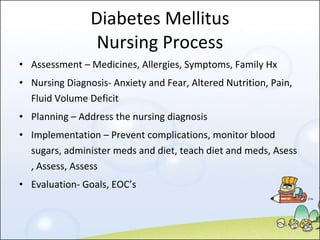
When assessing and diagnosing diabetes mellitus, gathering thorough patient history is essential. You will need to inquire about the patient’s medical history, including any family history of diabetes, as well as their lifestyle habits, such as their diet and exercise routine. Additionally, it is crucial to inquire about any symptoms they may be experiencing, such as frequent urination, excessive thirst, unexplained weight loss, or blurred vision. Gathering this information will help in identifying potential risk factors and making an accurate diagnosis.
Performing a physical assessment
In addition to gathering patient history, conducting a physical assessment is an integral part of assessing and diagnosing diabetes. During the physical assessment, you should pay close attention to the patient’s vital signs, such as their blood pressure and heart rate, as well as their body mass index (BMI). Furthermore, thorough examination of the skin for any signs of insulin resistance or complications, such as skin infections or slow-healing wounds, is crucial. Be sure to also assess their cardiovascular and neurological systems, as both can be affected by diabetes.
Monitoring glucose levels
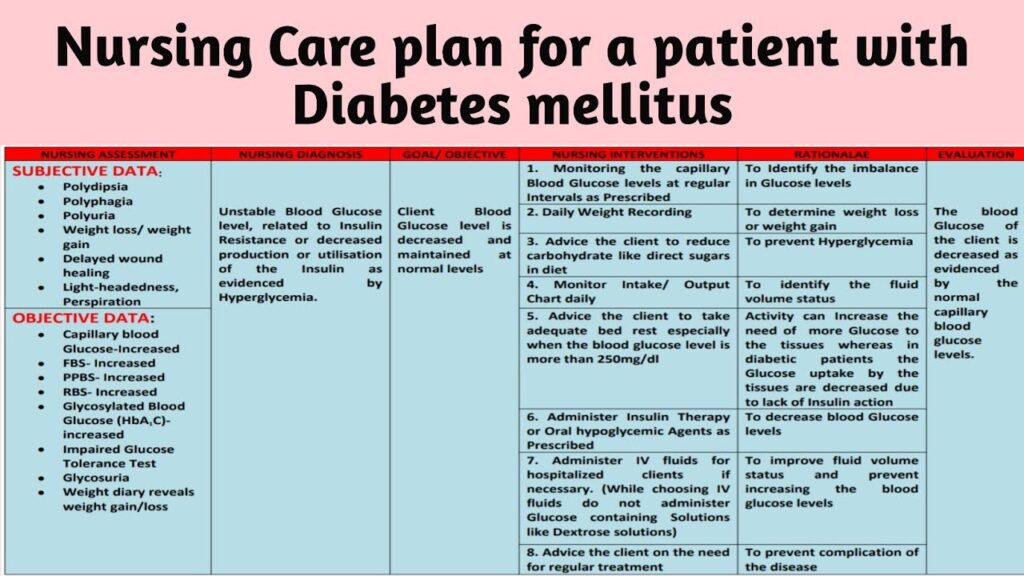
Monitoring glucose levels is a key component of managing diabetes mellitus. As a nurse, you will be responsible for teaching patients how to perform blood glucose monitoring accurately. This includes educating them on proper technique, such as washing hands before testing, using the correct lancet size, and ensuring they are aware of the appropriate timing for testing. Regular monitoring of glucose levels will provide valuable information about the effectiveness of the patient’s diabetes management plan and help identify any necessary adjustments to medication, diet, or exercise routine.
Medication Management
Understanding different types of diabetes medications
As a nurse, it is essential to have a solid understanding of the various types of diabetes medications available. This includes knowledge about oral antidiabetic medications, such as metformin, sulfonylureas, and DPP-4 inhibitors, as well as different types of insulin. Each medication has its own mechanism of action, side effects, and considerations for administration. It is vital to educate patients about their prescribed medications, including proper dosage and potential drug interactions, in order to promote medication adherence and successful diabetes management.
Administering insulin injections
For patients requiring insulin therapy, it is important to teach them how to administer insulin injections accurately. This includes instructing them on the correct injection technique, such as rotating injection sites and properly storing insulin. It is also crucial to educate patients on the signs and symptoms of hypoglycemia, or low blood sugar, which may occur as a result of insulin administration. By providing thorough education and support, you can empower patients to self-administer insulin injections confidently and safely.
Teaching patients about self-administration
In addition to teaching patients how to administer insulin injections, it is important to educate them about self-administration of other medications and managing their overall diabetes care. This includes teaching them how to properly take oral antidiabetic medications, such as timing with meals or specific instructions for certain medications. Moreover, providing clear instructions on self-monitoring of blood glucose levels and interpreting the results will enable patients to actively participate in their own diabetes management and make informed decisions about their care.
Dietary Considerations
Creating a balanced meal plan
A well-balanced meal plan is crucial for individuals with diabetes to maintain stable blood glucose levels. As a nurse, it is your role to educate patients about the importance of a balanced diet and help them create a meal plan that suits their specific needs. This involves educating them about portion control, carbohydrate counting, and the inclusion of a variety of nutrient-rich foods, such as fruits, vegetables, lean proteins, and whole grains. By providing education and resources, you can empower patients to make healthy food choices and manage their diabetes effectively.
Educating patients on carbohydrate counting
Carbohydrate counting is a valuable tool for individuals with diabetes to manage their blood glucose levels. It involves keeping track of the amount of carbohydrates consumed in each meal and adjusting insulin doses accordingly. As a nurse, you must educate patients about how to estimate the carbohydrate content of foods, read food labels, and calculate the insulin-to-carbohydrate ratio. Through thorough education and ongoing support, patients will gain the skills and confidence to successfully incorporate carbohydrate counting into their daily routine.
Monitoring blood sugar levels in response to diet
Monitoring blood sugar levels after meals is essential for patients with diabetes to evaluate the impact of their diet on glucose control. You should educate patients on the proper timing for postprandial blood glucose testing and the target levels they should strive to achieve. By teaching patients how to monitor and interpret their blood sugar levels in response to different foods or meals, you can help them make informed decisions about their dietary choices and adjust their meal plan as needed for optimal glucose control.
Exercise and Activity
Designing an exercise plan
Regular exercise is beneficial for individuals with diabetes as it can improve insulin sensitivity, promote weight management, and support overall cardiovascular health. As a nurse, you should collaborate with patients to design an exercise plan that suits their abilities and preferences. This may involve recommending a combination of aerobic exercise, strength training, and flexibility exercises. It is crucial to provide detailed instructions on exercise intensity, duration, and frequency, as well as precautions to consider, such as proper footwear and hydration.
Monitoring blood sugar levels during physical activity
During exercise, blood sugar levels can fluctuate, and it is important for patients with diabetes to monitor their levels to prevent hyperglycemia or hypoglycemia. Educate patients on the appropriate timing for blood glucose monitoring before and after physical activity, and explain how to identify and respond to abnormal readings. Additionally, it is crucial to emphasize the importance of carrying a source of fast-acting carbohydrates, such as glucose tablets or juice, to treat hypoglycemia promptly during exercise.
Educating patients on the benefits of regular exercise
Aside from its impact on glucose control, regular exercise offers a range of benefits for individuals with diabetes. Educating patients about the advantages of regular physical activity can be motivating and encourage them to incorporate exercise into their routine. Some benefits to highlight include improved cardiovascular health, increased energy levels, enhanced mood, stress reduction, and better weight management. By emphasizing these positive outcomes, you can help patients understand the importance of regular exercise as a component of their diabetes management plan.

Blood Glucose Monitoring
Teaching patients proper technique for glucose monitoring
Accurate blood glucose monitoring is vital for patients with diabetes to effectively manage their condition. As a nurse, you should thoroughly teach patients the proper technique for glucose monitoring. This includes correctly using finger-stick devices, lancets, and glucose meters. It is important to emphasize the importance of washing hands before testing, using the correct lancet size, and ensuring the accuracy of the glucose meter through regular calibration and maintenance.
Interpreting glucose readings
Once patients have obtained blood glucose readings, they need to be able to interpret the results effectively. Educate patients on the target ranges for glucose levels, including fasting blood glucose, pre-meal levels, and postprandial levels. Teach them how to identify hypo- or hyperglycemia based on readings and the appropriate actions to take in each case. By providing clear guidelines and explanations, patients can develop confidence in interpreting their own glucose readings and taking appropriate steps to manage their diabetes.
Identifying and responding to abnormal readings
Abnormal glucose readings can indicate potential issues that require attention. It is crucial to teach patients how to identify and respond to abnormal readings promptly. For example, if a patient’s blood glucose level is consistently high or low, adjustments to their diet, medication, or exercise plan may be necessary. Ensure patients understand when to contact their healthcare provider for further guidance, and emphasize the importance of regular follow-up appointments to monitor their glucose control and address any emerging concerns.
Complication Prevention
Educating patients about potential complications
Diabetes mellitus can lead to various complications if not properly managed. As a nurse, you play a crucial role in educating patients about the potential complications associated with diabetes. This includes the increased risk of cardiovascular disease, kidney problems, nerve damage, eye complications, and foot ulcers. By providing comprehensive education about potential complications, patients can understand the importance of effective diabetes management and be motivated to adopt self-care practices to prevent or minimize their risk.
Promoting self-care practices to prevent complications
Preventing complications requires patients to take an active role in their diabetes management and engage in self-care practices. As a nurse, you should educate patients about the importance of regular medical check-ups to monitor their health and detect potential complications early on. Additionally, provide guidance on maintaining healthy blood pressure and cholesterol levels, quitting smoking if applicable, and promoting good dental hygiene. By promoting self-care practices, patients can prioritize their overall well-being and reduce their risk of diabetes-related complications.
Assessing and managing foot care
Foot care is of particular importance for individuals with diabetes, as they are at a higher risk of foot ulcers and infections. As a nurse, you should assess patients’ foot health regularly and educate them about proper foot care techniques. This includes teaching them how to inspect their feet for any abnormalities, such as cuts or blisters, and how to care for their nails and skin. Emphasize the importance of wearing proper footwear, avoiding high-impact activities that may cause injury, and seeking immediate medical attention for any foot-related concerns. By addressing foot care, you can help prevent potentially serious complications and promote overall health.
Insulin Pump Management
Educating patients on insulin pump usage
For individuals with type 1 diabetes or some cases of type 2 diabetes, insulin pump therapy may be recommended. As a nurse, it is your responsibility to educate patients on the proper usage and maintenance of insulin pumps. This includes teaching them how to fill the pump with insulin, attach the infusion set, and program the pump according to their prescribed insulin regimen. Additionally, provide clear instructions on troubleshooting common issues, such as occlusions or pump alarms, so patients feel confident in their ability to use and troubleshoot their insulin pump effectively.
Teaching patients how to program and adjust insulin pump settings
Insulin pump settings may need to be adjusted periodically to meet the changing needs of patients with diabetes. Educate patients on how to navigate the menus and adjust the necessary settings on their insulin pump. This includes familiarizing them with different basal rates, insulin-to-carbohydrate ratios, and correction factors. Moreover, instruct patients on the importance of regular monitoring of blood glucose levels and how to interpret the readings to make informed adjustments to their insulin pump settings. By providing comprehensive education, patients can utilize their insulin pump to optimize their glucose control.
Monitoring for signs of insulin pump malfunction
Insulin pump malfunctions can potentially lead to uncontrolled blood glucose levels and other complications. It is crucial to educate patients on recognizing signs of pump malfunction and taking appropriate action. Teach them how to troubleshoot common issues, such as kinked tubing, air bubbles, or a depleted battery. Moreover, provide clear instructions on when to contact their healthcare provider or pump manufacturer for assistance or replacement if necessary. By promoting vigilance and education, patients can effectively manage their insulin pump and minimize the risk of complications.
Patient Education
Teaching patients about diabetes management
Providing comprehensive patient education is vital for successful diabetes management. As a nurse, you should educate patients about diabetes mellitus itself, including the underlying pathophysiology and the importance of blood glucose control. Additionally, thoroughly explain the various aspects of diabetes management, such as medication adherence, healthy eating, regular exercise, and blood glucose monitoring. By equipping patients with this knowledge, they will have a better understanding of their condition and the necessary steps to effectively manage it.
Providing resources for continued education
Education is an ongoing process, and patients need access to reliable resources to expand their knowledge about diabetes management. As a nurse, you can provide patients with reputable sources of information, such as websites, books, or educational materials. Additionally, inform them about support groups or community resources that can offer additional guidance and support throughout their diabetes journey. By encouraging continued education, patients can stay informed about the latest advancements in diabetes care and make informed decisions about their treatment.
Addressing questions and concerns
Patients may have various questions and concerns surrounding their diabetes management. It is crucial to create a safe and supportive environment where patients feel comfortable discussing these matters. As a nurse, actively listen to their concerns and provide thorough explanations and reassurance. Address any misconceptions, clarify information, and address any barriers they may face in managing their diabetes effectively. By providing personalized support and addressing their individual needs, you can empower patients to make informed decisions and take control of their diabetes management.

Psychosocial Support
Assessing emotional well-being
The emotional well-being of patients with diabetes is just as important as their physical health. As a nurse, it is vital to assess and address their emotional well-being during diabetes management. Engage in open and non-judgmental conversations to understand their feelings, fears, and frustrations associated with living with diabetes. Utilize appropriate assessment tools, such as standardized questionnaires, to identify any signs of depression, anxiety, or diabetes-related distress. By acknowledging and addressing these emotional aspects, you can support patients in building resilience and developing effective coping strategies.
Providing counseling and support
Counseling and support play a significant role in helping patients manage the emotional challenges of living with diabetes. As a nurse, provide counseling sessions to patients to help them develop coping mechanisms, set realistic goals, and overcome barriers to successful diabetes management. Offer empathetic listening, psychosocial interventions, and stress reduction techniques. Additionally, encourage patients to engage in self-care activities, such as hobbies or relaxation techniques, to promote mental well-being alongside their physical health.
Referring patients to support groups or mental health professionals
In some cases, patients may benefit from additional support beyond what can be provided by the healthcare team. As a nurse, it is important to be aware of support groups, community resources, and mental health professionals who specialize in diabetes management. Provide patients with information about these resources and facilitate referrals when necessary. By connecting patients with additional sources of support, you can ensure they have access to the comprehensive care they need to successfully manage their diabetes and address any psychosocial challenges that may arise.
Collaboration with the Healthcare Team
Communicating with physicians and specialists
Collaboration with other members of the healthcare team, including physicians and specialists, is essential for the successful management of diabetes mellitus. As a nurse, you will regularly communicate with the healthcare team to provide updates on patient progress, discuss treatment plans, and seek guidance when needed. Good communication is vital to ensure a coordinated approach to care and to address any emerging issues promptly. By fostering open lines of communication, you can enhance patient outcomes and provide comprehensive care.
Coordinating care plans with other healthcare providers
Diabetes management often involves multiple healthcare providers, including nutritionists, pharmacists, and diabetes educators. As a nurse, you will play a crucial role in coordinating care plans with these professionals. This includes sharing pertinent information, such as blood glucose readings, medication changes, and lifestyle modifications, to ensure a holistic approach to patient care. By coordinating care plans and fostering a collaborative environment, you can optimize patient outcomes and provide comprehensive diabetes management.
Participating in multidisciplinary team meetings
Multidisciplinary teamwork is instrumental in providing comprehensive care for patients with diabetes. Participating in team meetings allows for the exchange of information, discussion of challenging cases, and collaborative decision-making. As a nurse, actively engage in multidisciplinary team meetings, contribute your expertise, and advocate for the best interests of your patients. By working together with other healthcare professionals, you can develop integrated care plans and provide the highest quality of care for individuals with diabetes mellitus.
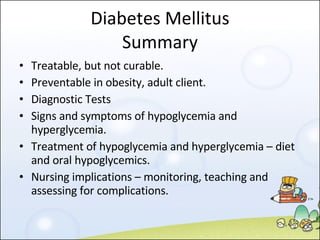
In conclusion, the nursing considerations for diabetes mellitus encompass a wide range of assessments, interventions, and support to ensure optimal patient outcomes. By gathering patient history, performing physical assessments, monitoring glucose levels, understanding different types of diabetes medications, administering insulin injections, and educating patients about self-administration, nurses play a crucial role in diabetes management. Additionally, nurses guide patients in creating balanced meal plans, educating them on carbohydrate counting, monitoring blood sugar levels in response to diet, and designing exercise plans to promote overall health. Through teaching proper glucose monitoring technique, interpreting glucose readings, and identifying abnormal readings, nurses empower patients to actively participate in their own care. Moreover, nurses educate patients about potential complications, promote self-care practices, and assess and manage foot care to prevent complications. Additionally, nurses educate patients about insulin pump usage, teach patients how to program and adjust insulin pump settings, and monitor for signs of insulin pump malfunction. Patient education, psychosocial support, and collaboration with the healthcare team are also crucial aspects of nursing considerations for diabetes mellitus. By addressing patients’ emotional well-being, providing counseling and support, and referring patients to support groups or mental health professionals, nurses contribute to the holistic care of individuals with diabetes. Effective communication with physicians, coordination of care plans with other healthcare providers, and active participation in multidisciplinary team meetings enhance the collaborative approach to diabetes management. With these comprehensive nursing considerations, individuals with diabetes can receive the support, education, and guidance they need to effectively manage their condition and lead healthy lives.