
Whether you are a seasoned nurse or just starting your career in healthcare, nurturing your personal growth is a vital aspect of your profession. In this article, we will explore the essential nursing considerations and management strategies for personal development, empowering you to enhance your skills, knowledge, and overall well-being. From embracing continuous learning opportunities to prioritizing self-care, we invite you to embark on a journey of self-discovery and professional advancement in the field of nursing. Let us delve into these key aspects and unlock your full potential as a dedicated healthcare provider.
Nursing Considerations for Personal Development
In the demanding field of nursing, personal development plays a crucial role in ensuring that nurses not only provide the best possible care for their patients, but also maintain their own well-being and professional growth. Personal development refers to the continuous process of self-improvement and acquiring new skills, knowledge, and attitudes that enhance one’s capabilities as a nurse. It is a journey of self-discovery and self-reflection, where nurses identify their strengths and weaknesses, set goals, and take steps to improve themselves both personally and professionally.
Definition and Importance of Personal Development in Nursing
Personal development in nursing encompasses a wide range of activities and strategies aimed at enhancing nurses’ knowledge, skills, and attitudes. It involves self-assessment, goal-setting, continuing education, building effective communication and interpersonal skills, managing stress and burnout, cultivating critical thinking and problem-solving abilities, promoting professionalism and ethical conduct, nurturing leadership and teamwork skills, and achieving a healthy work-life balance.
The importance of personal development in nursing cannot be overstated. It enables nurses to stay updated with the latest evidence-based practices, improves their ability to provide high-quality patient care, and enhances their job satisfaction and professional growth. Personal development also fosters resilience, enables nurses to adapt to the ever-changing healthcare landscape, and contributes to their overall well-being and happiness.
Benefits of Personal Development for Nurses
Engaging in personal development activities offers numerous benefits for nurses. Firstly, it allows them to expand their knowledge base and stay current with advancements in healthcare. By continuously learning and acquiring new skills, nurses can provide more effective and evidence-based care to their patients, resulting in improved health outcomes.
Personal development also enhances critical thinking, problem-solving, and decision-making skills. The ability to analyze complex situations, think critically, and make sound judgments is essential for nurses in providing safe and effective care. Through personal development, nurses learn to think beyond the surface and develop innovative solutions to challenges they may encounter in their practice.
Furthermore, personal development contributes to the development of strong communication and interpersonal skills. Effective communication is vital in nursing to establish rapport with patients, collaborate with interdisciplinary teams, and provide education and support to patients and their families. By improving their communication skills, nurses can foster positive relationships, enhance patient satisfaction, and improve overall patient care experience.
Factors Influencing Personal Development in Nursing
Various factors influence personal development in nursing. Firstly, self-awareness is a critical factor as it allows nurses to identify their strengths, weaknesses, and areas for growth. Self-awareness helps nurses understand their own biases, emotions, and reactions, enabling them to continuously improve and develop their skills.
Secondly, motivation and commitment play a significant role. Personal development requires dedication and a genuine desire to grow. Motivated nurses who are committed to their personal and professional growth are more likely to engage in activities that enhance their skills and knowledge.
Additionally, organizational support is crucial in promoting personal development. Employers should provide opportunities for continuing education, professional development, and mentorship programs. A supportive work environment that encourages and recognizes personal development efforts can greatly enhance nurses’ ability to grow and excel in their practice.
Identifying Personal Development Needs
To embark on a personal development journey, nurses must first identify their specific needs and areas for improvement. This self-assessment process allows nurses to reflect on their current skills, knowledge, and attitudes, and determine what they need to focus on to enhance their professional capabilities.
Self-Assessment for Personal Development
Self-assessment involves an honest and thorough evaluation of one’s strengths, weaknesses, and areas for growth. Nurses can examine their performance in various aspects of their practice, such as clinical skills, communication, leadership, and critical thinking. Reflection on past experiences, seeking feedback from colleagues and mentors, and engaging in self-reflection exercises can aid in self-assessment.
Recognizing Strengths and Weaknesses
Identifying and acknowledging personal strengths and weaknesses is crucial for personal development. Recognizing strengths helps nurses leverage their skills to their advantage and contribute to their professional growth. Identifying weaknesses allows nurses to focus on these areas and develop strategies to improve them.
Identifying Areas for Growth and Improvement
After recognizing strengths and weaknesses, nurses can identify specific areas for growth and improvement. This could include acquiring new clinical skills, enhancing communication abilities, developing leadership competencies, or improving critical thinking and problem-solving abilities. Setting clear goals and objectives helps nurses direct their efforts towards their identified areas for growth.

Creating a Personal Development Plan
Once nurses have identified their personal development needs, they can create a comprehensive personal development plan to guide their journey of growth and improvement.
Setting Goals for Personal Development
Setting clear and specific goals is a crucial part of any personal development plan. Nurses should establish both short-term and long-term goals that align with their identified areas for growth. These goals should be specific, measurable, achievable, relevant, and time-bound (SMART). Clear goals provide direction and allow nurses to track their progress as they strive for continuous improvement.
Establishing Priorities and Timeframes
Creating a personal development plan requires nurses to prioritize their goals and activities. It is essential to allocate sufficient time and resources to each goal to ensure progress and avoid overwhelm. Nurses should consider their work schedule, personal commitments, and available resources when establishing priorities and timeframes for their personal development activities.
Developing Action Steps for Skill Enhancement
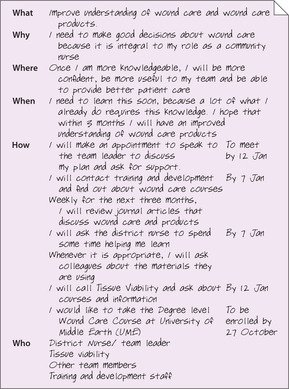
To achieve their personal development goals, nurses need to develop action steps or strategies. These action steps should be practical and specific, outlining the activities or courses nurses will undertake to enhance their skills. Nurses can consider attending relevant workshops or conferences, enrolling in online courses, seeking mentoring or coaching, or joining professional organizations to further their development.
Continuing Education and Professional Development
Continuing education is a vital component of personal and professional development for nurses. It involves ongoing learning and acquiring new knowledge and skills throughout one’s nursing career.
Importance of Lifelong Learning in Nursing
Lifelong learning is crucial in nursing due to the rapidly evolving healthcare landscape. Advances in technology, research, and evidence-based practice necessitate nurses’ continuous learning to provide safe and effective care. Lifelong learning enables nurses to stay current with best practices, expand their knowledge base, and adapt to changes in healthcare delivery.
Types of Continuing Education Opportunities
Continuing education opportunities for nurses are diverse and varied. They include attending conferences, workshops, and seminars on specific healthcare topics, pursuing advanced degrees or certifications, participating in webinars or online courses, and engaging in professional reading and research. These opportunities allow nurses to deepen their understanding, learn new skills, and broaden their perspectives.
Acquiring Specialty Certifications and Additional Training
Specialty certifications and additional training can significantly enhance a nurse’s knowledge and skills in a particular area of practice. Nurses can pursue certifications in areas such as critical care, pediatric nursing, gerontology, or oncology, among others. These certifications validate expertise and demonstrate a commitment to professional growth and excellence in specialized areas.

Building Effective Communication and Interpersonal Skills
Effective communication and interpersonal skills are essential for nurses to establish meaningful connections with patients, families, and colleagues.
Understanding the Role of Communication in Nursing
Communication is the foundation of nursing practice. It involves the exchange of information, ideas, and emotions between the nurse and the patient, as well as among healthcare team members. Effective communication is vital for accurate assessment, collaboration, patient education, and providing emotional support.
Enhancing Verbal and Nonverbal Communication Skills
Nurses can enhance their verbal communication skills by actively listening, using appropriate language and tone, and delivering clear and concise messages. Nonverbal communication skills, such as body language, facial expressions, and eye contact, also play a significant role in establishing trust and conveying empathy.
Developing Active Listening and Empathy
Active listening is a crucial skill for nurses to develop strong therapeutic relationships with their patients. It involves fully concentrating on the speaker, asking open-ended questions, and providing feedback to ensure understanding. Empathy, the ability to understand and share the feelings of another, is also essential for effective communication. Nurses can cultivate empathy by being non-judgmental, showing genuine concern, and actively seeking to understand their patients’ perspectives.
Managing Stress and Burnout
Nursing can be emotionally and physically demanding, leading to stress and burnout. Managing these challenges is vital to ensure nurses’ well-being and professional effectiveness.
Recognizing Signs of Stress and Burnout in Nursing
Nurses must be aware of the signs and symptoms of stress and burnout in themselves and their colleagues. These signs may include exhaustion, cynicism, decreased motivation, mood swings, increased absenteeism, and reduced job satisfaction. Recognizing these signs allows nurses to seek help and implement strategies for stress management.
Implementing Stress Management Techniques
There are various stress management techniques nurses can employ to cope with the demands of their profession. These techniques include physical exercise, mindfulness and relaxation exercises, engaging in hobbies and activities outside of work, seeking social support, and maintaining a healthy work-life balance.
Seeking Support and Self-Care Strategies
Nurses should not hesitate to seek support when experiencing stress or burnout. Connecting with colleagues, mentors, or support groups can provide a valuable outlet for sharing experiences and receiving guidance. Additionally, implementing self-care strategies, such as prioritizing sleep, eating well, engaging in activities that bring joy, and practicing self-compassion, are essential for maintaining well-being and preventing burnout.

Cultivating Critical Thinking and Problem-Solving Abilities
Critical thinking and problem-solving skills are vital for nurses to deliver safe and effective patient care in complex healthcare environments.
Importance of Critical Thinking in Nursing
Critical thinking involves the ability to think rationally, gather relevant information, analyze and evaluate evidence, and make informed decisions. In nursing, critical thinking is crucial for clinical reasoning, effective problem-solving, and providing high-quality care. It enables nurses to assess complex situations, consider multiple perspectives, and make sound clinical judgments.
Developing Analytical and Decision-Making Skills
Nurses can develop their analytical and decision-making skills through ongoing self-reflection and critical self-assessment. They should constantly challenge their assumptions, seek diverse perspectives, and actively engage in evidence-based practice. Additionally, nurses can benefit from participating in case studies, simulation exercises, or problem-based learning activities that stimulate critical thinking and decision-making.
Practicing Problem-Solving Techniques
Problem-solving is a core skill in nursing, allowing nurses to identify, analyze, and resolve clinical and organizational issues. Nurses can enhance their problem-solving abilities by adopting a systematic approach, considering different solutions, seeking input from colleagues or experts, and evaluating the outcomes of their interventions. Practicing problem-solving in real-life scenarios builds confidence and competence in addressing challenges.
Promoting Professionalism and Ethical Conduct
Professionalism and ethical conduct are fundamental to nursing practice and contribute to the delivery of safe, compassionate, and high-quality care.
Understanding Professional Ethics in Nursing
Professional ethics provides the framework for ethical decision-making in nursing practice. Nurses are bound by ethical principles, such as autonomy, beneficence, nonmaleficence, and justice, which guide their interactions with patients, families, and colleagues. Nurses must adhere to ethical standards and maintain the trust and confidence of those they serve.
Maintaining Confidentiality and Privacy
Respecting confidentiality and privacy is a core ethical duty for nurses. Nurses must ensure the protection of patients’ personal health information and maintain the strictest confidentiality. Respecting privacy involves creating a safe and secure environment where patients feel comfortable discussing their health concerns.
Adhering to Professional Codes of Conduct
Nurses are governed by professional codes of conduct that outline their responsibilities, obligations, and ethical behaviors. Adhering to these codes ensures that nurses uphold the highest standards of professionalism, integrity, and ethical practice. It involves treating patients and colleagues with respect, maintaining professional boundaries, and acting in the best interest of those under their care.

Nurturing Leadership and Teamwork Skills
Nursing leadership and teamwork are vital for delivering collaborative and coordinated care in today’s complex healthcare systems.
Roles and Responsibilities of Nurse Leaders
Nurse leaders assume various roles and responsibilities, regardless of their formal title or position. They provide guidance, support, and mentorship to their colleagues, facilitate effective communication, advocate for patients and the nursing profession, and drive positive change in healthcare organizations.
Developing Leadership Competencies
Developing leadership competencies requires nurses to continuously learn, seek opportunities for growth, and cultivate their leadership skills. This may involve pursuing formal leadership education, participating in leadership development programs, or seeking mentoring from experienced nurse leaders. Effective leadership involves self-awareness, emotional intelligence, effective communication, decision-making, and the ability to inspire and motivate others.
Promoting Effective Teamwork and Collaboration
Collaborative teamwork is essential in delivering safe and patient-centered care. Nurses must cultivate skills such as active listening, effective communication, conflict resolution, and shared decision-making to contribute to effective interdisciplinary teams. Promoting effective teamwork and collaboration improves patient outcomes, enhances patient satisfaction, and creates a positive work environment.
Balancing Personal and Professional Life
Finding a balance between personal and professional life is crucial for nurses to maintain their well-being and prevent burnout.
Achieving Work-Life Balance
Work-life balance involves successfully juggling the demands of work and personal responsibilities, ensuring that neither aspect dominates one’s life. Nurses must set clear boundaries between work and personal life and allocate time and energy for self-care, family, and leisure activities. Achieving work-life balance promotes overall well-being and prevents professional fatigue.
Setting Boundaries and Prioritizing Self-Care
Setting boundaries is essential for nurses to prevent work-related stress and maintain a healthy work-life balance. Nurses should communicate their needs, limitations, and availability to colleagues and supervisors and learn to say no when necessary. Prioritizing self-care activities, such as exercise, relaxation, hobbies, and spending quality time with loved ones, is vital for recharging and replenishing energy.
Seeking Support Systems and Seeking Help when Needed
Nurses should not hesitate to seek support when facing challenges in balancing their personal and professional lives. Building a strong support system, comprising family, friends, mentors, and colleagues, can provide emotional support, guidance, and practical assistance. Seeking help from Employee Assistance Programs or professional counseling services can be beneficial for managing stress, improving coping strategies, and maintaining well-being.
In conclusion, personal development is a crucial aspect of nursing practice. By engaging in self-assessment, setting goals, pursuing continuing education, building effective communication and interpersonal skills, managing stress and burnout, cultivating critical thinking abilities, promoting professionalism, nurturing leadership and teamwork skills, and achieving a healthy work-life balance, nurses can enhance their capabilities as healthcare professionals and provide the best possible care to their patients. Embracing personal development not only benefits individual nurses but also contributes to the overall advancement of the nursing profession.