
Ovarian cancer is a serious and complex disease that affects many women worldwide. As a nurse, it is important to be familiar with the various nursing considerations and management strategies that can greatly impact a patient’s overall well-being. From understanding the specific symptoms and risk factors to providing emotional support and education, nurses play a vital role in the care and support of individuals fighting ovarian cancer. In this article, we will explore important nursing considerations for ovarian cancer and discover how nurses can make a meaningful difference in the lives of these patients.

Diagnostic Considerations
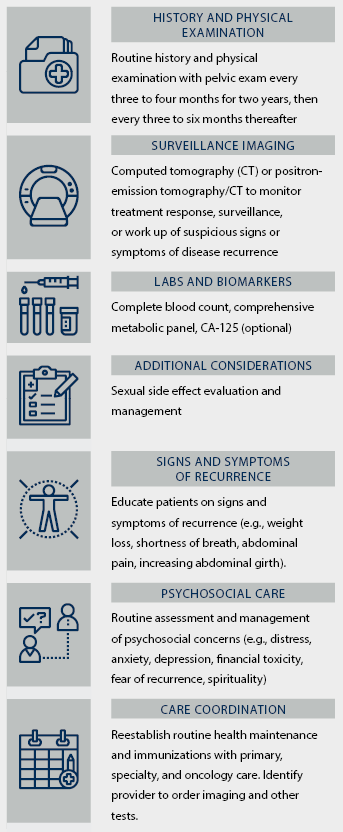
When evaluating a patient for possible ovarian cancer, several diagnostic considerations should be taken into account. The medical history and physical examination play a crucial role in detecting any potential symptoms or risk factors. It is important to inquire about any previous medical conditions, surgeries, or family history of cancer. Additionally, a thorough physical examination allows for the assessment of any abnormalities in the pelvic area.
Diagnostic imaging techniques, such as ultrasound and computed tomography (CT) scans, can provide a detailed view of the ovaries and surrounding structures. These imaging tests aid in visualizing the size, location, and characteristics of any tumors or cysts. Magnetic resonance imaging (MRI) may also be utilized in certain cases to further evaluate the extent of the disease.
Laboratory tests are essential in the diagnosis of ovarian cancer. Serum tumor markers, including CA-125 and HE4, can be measured to assess the presence and level of tumor markers in the blood. Although these markers are not specific to ovarian cancer, elevated levels may indicate the need for further investigation.
Surgical Considerations
Surgical intervention plays a vital role in the treatment of ovarian cancer. Before undergoing surgery, preoperative care is of utmost importance. This involves thorough preoperative assessment, including a review of the patient’s medical history, physical examination, and laboratory tests. In addition, the patient’s overall health and fitness for surgery should be evaluated to minimize the risk of complications.
During the intraoperative phase, the surgeon aims to remove as much of the tumor as possible while preserving the function of surrounding organs. The extent of the surgical procedure depends on the staging and extent of the cancer. In some cases, a total hysterectomy, bilateral salpingo-oophorectomy, and omentectomy may be performed.
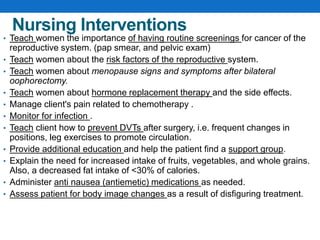
Following surgery, postoperative care is crucial for the patient’s recovery. This includes close monitoring of vital signs, pain management, and wound care. The patient should also be educated about potential postoperative complications and instructed on when to seek medical attention.

Pain Management
Assessment of pain is essential in providing adequate pain management for ovarian cancer patients. Pain can significantly impact the patient’s quality of life, and appropriate pharmacological interventions are necessary to alleviate discomfort. Non-opioid analgesics, such as nonsteroidal anti-inflammatory drugs (NSAIDs), may be used for mild to moderate pain. For more severe pain, opioids, such as morphine, may be prescribed.
In addition to pharmacological interventions, non-pharmacological interventions can also be effective in managing pain. Techniques such as relaxation exercises, therapeutic touch, and distraction techniques may provide relief and help improve the patient’s overall well-being.
Emotional Support
A diagnosis of ovarian cancer can have a profound impact on a patient’s emotional well-being. It is crucial to assess the emotional needs of the patient and provide counseling and emotional support throughout the treatment process. This involves creating a safe and supportive environment where patients can express their fears, concerns, and anxieties.
Nurses can play a vital role in providing counseling and emotional support to ovarian cancer patients. Active listening, empathy, and validation of the patient’s emotions are essential skills in this role. Nurses can also provide education on coping strategies, stress management, and relaxation techniques to help patients navigate the emotional challenges associated with the disease.
Referrals to support groups can further enhance emotional support by connecting patients with others who are facing similar experiences. Support groups provide a platform for patients to share their stories, exchange information, and receive emotional validation from their peers.
Nutritional Considerations
Assessing the nutritional status of ovarian cancer patients is crucial in developing individualized dietary plans. Proper nutrition plays a vital role in supporting the immune system, promoting healing, and managing treatment-related side effects. Malnutrition can negatively affect the patient’s response to treatment and overall well-being.
Collaboration with a registered dietitian is important in formulating a comprehensive dietary plan tailored to the patient’s specific needs. The dietitian can evaluate the patient’s nutritional status, determine any nutrient deficiencies, and provide recommendations for a well-balanced diet. Adequate protein, calories, and hydration are essential during the treatment process.
Monitoring and managing complications related to nutrition is also an important aspect of care. Some patients may experience difficulty eating or swallowing, taste changes, or gastrointestinal issues. In these cases, modifications to the diet or the use of nutritional supplements may be necessary to ensure optimal nutrition and prevent weight loss.
Managing Side Effects and Complications
Chemotherapy and radiation therapy, common treatments for ovarian cancer, can cause a variety of side effects. Nurses play a crucial role in managing these side effects and minimizing their impact on the patient’s quality of life.
Chemotherapy-related side effects can include nausea, vomiting, hair loss, fatigue, and bone marrow suppression. Antiemetic medications can be prescribed to alleviate nausea and vomiting, and hair loss can be mitigated through the use of scalp cooling techniques or the provision of supportive resources such as wigs or head coverings.
Radiation therapy-related side effects may include skin irritation, fatigue, and gastrointestinal discomfort. Nurses can provide education on skincare techniques, such as gentle cleansing and moisturizing, to alleviate skin-related side effects. Additionally, lifestyle modifications, such as maintaining a balanced diet and staying hydrated, can help manage gastrointestinal issues.
The management of post-treatment complications, such as lymphedema or neuropathy, is also an important consideration. Nurses can provide education on self-care strategies and refer patients to appropriate specialists, such as lymphedema therapists or physical therapists, for additional support.
Fertility Preservation
For patients of reproductive age, fertility preservation options should be discussed before starting treatment. Ovarian cancer treatments, such as surgery and chemotherapy, can significantly impact a woman’s fertility. It is essential to provide counseling and education on the available options for fertility preservation.
Options for fertility preservation may include oocyte or embryo cryopreservation, ovarian tissue cryopreservation, or hormonal suppression during chemotherapy. Each option has its advantages and considerations, and a multidisciplinary approach involving oncologists, reproductive specialists, and nurses is crucial in helping patients make informed decisions about their reproductive future.
Referrals to fertility specialists may be necessary to provide further evaluation and guidance specific to each patient’s circumstances. These specialists can assess the patient’s fertility potential, guide them through the preservation process, and provide ongoing support and monitoring.
Supporting Quality of Life
Supporting the quality of life of ovarian cancer patients involves addressing various aspects of their well-being. Promoting physical activity and exercise is essential for maintaining strength, mobility, and overall physical well-being. Nurses can provide guidance on appropriate exercises and work collaboratively with physical therapists to develop individualized exercise plans.
Addressing sexual health issues is another important consideration. Ovarian cancer and its treatment can negatively impact sexual function and intimacy. Nurses can provide education on managing sexual side effects, offer resources for sexual health support, and encourage open communication with healthcare providers.
Assisting with symptom management is a core component of supporting the quality of life. Strategies for managing symptoms such as pain, fatigue, nausea, and sleep disturbances can be discussed with patients. Nurses can provide education on self-care techniques, medication management, and lifestyle modifications to help alleviate these symptoms and improve the patient’s overall well-being.
Health Promotion and Education
Promoting awareness about risk factors and prevention strategies is essential in the fight against ovarian cancer. Education on self-care and symptom recognition empowers patients to take an active role in their health. Nurses can provide information on risk factors, such as family history of cancer, age, and hormonal factors, and encourage patients to seek regular medical check-ups and screenings.
Encouraging regular follow-up care is crucial for ongoing monitoring and surveillance. Nurses can emphasize the importance of regular appointments with healthcare providers, including oncologists and gynecologists, to ensure timely detection of any recurrence or new developments. Patients should be educated on signs and symptoms that require immediate medical attention and encouraged to report any changes in their health status.
Palliative and End-of-Life Care
As ovarian cancer progresses, palliative and end-of-life care become important considerations. Assessing and managing physical symptoms, such as pain, dyspnea, and gastrointestinal distress, is a priority in providing comfort to patients. Nurses can collaborate with the interdisciplinary team to develop individualized care plans that address the patient’s specific needs.
Providing psychological and spiritual support is an integral part of palliative and end-of-life care. Nurses can offer a compassionate presence, actively listen to patients’ fears and concerns, and provide appropriate emotional support. Spiritual care providers can be involved to address the patient’s spiritual needs and facilitate discussions about meaning and purpose.
Facilitating advance care planning is essential in ensuring that the patient’s wishes are respected and honored. Nurses can work with patients and their families to discuss end-of-life preferences, such as resuscitation decisions, and assist in documenting these preferences in advance directives or other legal forms. This helps ensure that patients receive care aligned with their values and preferences, even in their final stages of life.
In conclusion, nursing considerations for ovarian cancer encompass a broad range of areas, including diagnostics, surgical care, pain management, emotional support, nutrition, side effect management, fertility preservation, quality of life support, health promotion, and end-of-life care. By addressing each of these aspects with compassion and expertise, nurses can play a pivotal role in supporting patients on their ovarian cancer journey.