
If you or someone you know is dealing with nasal polyps, understanding the nursing considerations and management for this condition is crucial. Nasal polyps can cause discomfort, difficulty breathing, and other symptoms that can greatly affect a person’s quality of life. In this article, we will explore the important role that nurses play in caring for patients with nasal polyps, from assessment to treatment options and ongoing support. By delving into the specific nursing considerations for this condition, we hope to provide valuable information that can help improve the well-being of those affected by nasal polyps.
Effective Communication

Providing clear and concise information to patients
When it comes to caring for patients with nasal polyps, effective communication plays a crucial role in ensuring their understanding and cooperation. As a nurse, it is important to provide clear and concise information about the condition itself, its potential causes, and available treatment options. This includes explaining the nature of nasal polyps as benign growths in the lining of the nose and sinuses, which can cause symptoms such as nasal congestion, difficulty breathing, and decreased sense of smell. By providing this information in a straightforward manner, you can help patients better comprehend their condition and the reasons behind their symptoms.
Using appropriate language and terminology
While it is essential to provide patients with clear information, it is equally important to use language that they can easily understand. Nasal polyps can be a complex medical condition, and patients may not be familiar with medical terminology. It is crucial to use layman’s terms when explaining the condition and any medical procedures or treatments involved. By avoiding jargon and using everyday language, you can ensure that patients fully comprehend the information you are providing. This helps to empower patients to make informed decisions regarding their healthcare.
Listening actively to patients’ concerns and questions
An integral part of effective communication is actively listening to patients’ concerns and questions. Each patient’s experience with nasal polyps may be unique, and by attentively listening, you can better understand their specific needs and address any worries they may have. Encouraging patients to share their thoughts and concerns can create a supportive environment and foster a sense of trust. By taking the time to listen and empathize with patients, you can tailor your care to their individual needs and provide reassurance throughout their healthcare journey.
Assessment and Monitoring
Assessing the severity and extent of nasal polyps
As a nurse, assessing the severity and extent of nasal polyps is an essential part of providing comprehensive care. This involves conducting a thorough physical examination of the nose and sinuses, which may include visual inspection and palpation. By assessing the size, location, and number of nasal polyps, you can gain valuable information about the extent of the condition. Additionally, utilizing diagnostic imaging, such as computed tomography (CT) scans, can provide a more detailed view of the nasal and sinus cavities, aiding in accurate assessment.
Monitoring changes in symptoms over time
Nasal polyps can cause a range of symptoms that can vary in severity from patient to patient. Monitoring any changes in symptoms over time is key to evaluating the effectiveness of treatment interventions and managing the condition effectively. By regularly checking in with patients and asking about their symptoms and any changes they may have noticed, you can gather valuable information about their progress. This information can help guide treatment decisions and help identify any potential complications or comorbidities that may arise.
Checking for any complications or comorbidities
While nasal polyps typically do not cause significant complications, they can sometimes be associated with other medical conditions. As a nurse, it is crucial to be aware of the potential for complications or comorbidities and thoroughly assess patients for any indications of additional health concerns. This may involve checking for signs of associated conditions such as chronic sinusitis, asthma, or allergic rhinitis. By promptly identifying and addressing any complications or comorbidities, you can ensure that patients receive appropriate care and treatment for their overall health and well-being.
Medication Administration
Administering prescribed nasal corticosteroids
Medication plays a vital role in managing nasal polyps, and as a nurse, it is important to be knowledgeable about the medications commonly used to treat this condition. One commonly prescribed class of medications is nasal corticosteroids, which can help reduce inflammation and shrink nasal polyps. Administering these medications properly is crucial for their effectiveness. As a nurse, you will play a key role in instructing patients on how to use nasal corticosteroids correctly, which may include demonstrating proper technique, such as how to position the nasal spray, breathe properly when administering the dose, and how to clean the nasal spray device.
Educating patients on proper usage and potential side effects
In addition to administering medications, educating patients on proper usage and potential side effects is essential. As a nurse, it is important to ensure that patients understand how to use their prescribed medications correctly and are aware of any potential side effects or adverse reactions. This may involve explaining the importance of adhering to the prescribed dosage and frequency, as well as discussing any precautions or warnings associated with the medication. By providing clear and thorough education, you can empower patients to take an active role in their treatment and minimize the risk of any medication-related complications.
Monitoring for medication adherence and effectiveness
Monitoring patients’ adherence to their prescribed medication regimen is crucial for achieving optimal outcomes in the management of nasal polyps. As a nurse, it is important to regularly assess patients’ adherence to their prescribed medications by asking about any difficulties or obstacles they may be facing. This can include discussing any challenges they may have experienced with administration or potential side effects. Additionally, monitoring the effectiveness of the medication is essential in evaluating its impact on patients’ symptoms and overall health. By closely observing patients’ responses to treatment, you can make informed decisions regarding adjustments to their medication regimen, if necessary.
Symptom Management
Providing interventions to alleviate nasal congestion and obstruction
Nasal congestion and obstruction are common symptoms experienced by individuals with nasal polyps. As a nurse, providing interventions to alleviate these symptoms is essential in improving patients’ comfort and overall quality of life. This can involve suggesting non-pharmacological measures, such as elevating the head during sleep, using saline nasal sprays to keep the nasal passages moist, or utilizing nasal strips to improve airflow. Additionally, pharmacological interventions, such as decongestants, may be appropriate for some patients, and as a nurse, you can educate patients on the proper usage and potential side effects of these medications.
Educating patients on sinus hygiene practices
Proper sinus hygiene is crucial for individuals with nasal polyps, as it can help reduce inflammation and prevent infections. As a nurse, it is important to educate patients on sinus hygiene practices to promote their overall well-being. This may include instructing patients on the proper technique for nasal irrigation using saline solutions to flush out mucus and allergens, as well as emphasizing the importance of maintaining good hand hygiene to prevent the spread of bacteria. By educating patients on sinus hygiene practices, you can empower them to take an active role in managing their symptoms and promoting sinus health.
Teaching proper techniques for nasal irrigation
Nasal irrigation, also known as nasal lavage or nasal douche, is a technique that involves flushing the nasal passages with a saline solution. This can help remove excess mucus, reduce inflammation, and alleviate nasal congestion in individuals with nasal polyps. As a nurse, it is important to teach patients proper techniques for nasal irrigation to ensure its effectiveness and safety. This may involve demonstrating the correct method of preparing the saline solution, demonstrating how to position the head and administer the irrigation, and addressing any concerns or misconceptions that patients may have. By providing thorough education and hands-on guidance, you can empower patients to confidently perform nasal irrigation at home as part of their symptom management routine.
Surgical Considerations
Preparing patients for nasal polypectomy or sinus surgery
In some cases, surgical intervention may be necessary to manage nasal polyps effectively. As a nurse, it is important to play a role in preparing patients for nasal polypectomy or sinus surgery. This involves providing detailed preoperative instructions, such as any dietary or medication restrictions, as well as ensuring that patients understand the purpose and potential benefits of the procedure. It is also important to address any anxieties or concerns that patients may have and provide support and reassurance throughout the preoperative period. By actively participating in the preparation process, you can help ensure that patients are well-informed, mentally prepared, and physically ready for their surgical procedure.
Assessing for any preoperative considerations or contraindications
Assessing patients for any preoperative considerations or contraindications is crucial for ensuring their safety and the success of the surgical procedure. As a nurse, it is important to thoroughly assess patients’ overall health status, including any pre-existing medical conditions or allergies, and to notify the surgical team of any pertinent findings. This may involve conducting a comprehensive health history and physical examination, as well as reviewing any relevant laboratory or diagnostic test results. By identifying and addressing any potential concerns or contraindications before surgery, you can help minimize the risk of complications and contribute to positive patient outcomes.
Monitoring postoperative recovery and managing potential complications
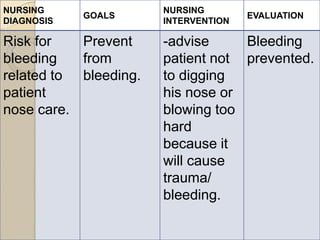
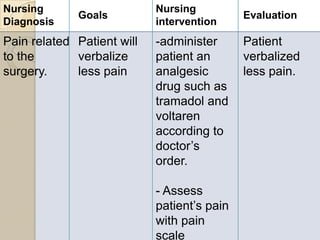
Following nasal polypectomy or sinus surgery, monitoring the postoperative recovery and managing potential complications is critical. As a nurse, you will play a crucial role in assessing patients’ vital signs, monitoring for any signs of bleeding or infection, and ensuring that they are comfortable and experiencing minimal pain. Additionally, educating patients on postoperative care, such as proper wound care, medication administration, and activity restrictions, is essential for promoting optimal recovery. By closely monitoring patients’ progress and promptly addressing any concerns or complications that may arise, you can contribute to successful postoperative outcomes and promote the overall well-being of individuals undergoing surgical interventions for nasal polyps.
Allergy Management
Identifying and avoiding potential allergens that may exacerbate nasal polyps
Allergens can often exacerbate nasal polyps and worsen symptoms. As a nurse, it is important to identify potential allergens that may be contributing to a patient’s condition and educate them on ways to avoid them. This may involve discussing common allergens such as dust mites, pollen, pet dander, or mold, and providing information on strategies to minimize exposure, such as using hypoallergenic bedding, keeping windows closed during high pollen seasons, and regularly cleaning and vacuuming the home. By helping patients identify and avoid allergens, you can potentially reduce the frequency and severity of nasal polyp symptoms.

Collaborating with allergists to develop comprehensive allergy management plans
Collaboration with allergists is vital in the management of nasal polyps and associated allergies. As a nurse, you can work closely with allergists to develop comprehensive allergy management plans for patients. This may involve referring patients to allergists for further evaluation and testing, as well as participating in collaborative discussions to align treatment strategies. By working together, you can ensure that patients receive comprehensive care that addresses both their nasal polyps and any underlying allergies, optimizing their overall well-being and symptom control.
Administering and monitoring patients receiving allergy immunotherapy
For patients with severe allergies contributing to nasal polyps, allergy immunotherapy, such as allergy shots or sublingual immunotherapy tablets, may be recommended. As a nurse, you may be involved in administering these treatments and monitoring patients’ response to therapy. This can include administering allergy shots, ensuring safe administration practices, and educating patients on any potential side effects or adverse reactions they should be aware of. Regularly monitoring patients’ progress and reporting any concerns or changes to the allergist is important for determining the effectiveness of the treatment and making any necessary adjustments to the treatment plan.
Patient Education
Educating patients on the nature of nasal polyps and their potential causes
Educating patients about the nature of nasal polyps and their potential causes is essential for fostering their understanding and involvement in their own care. As a nurse, you can provide information about the underlying factors that can contribute to the development of nasal polyps, such as chronic inflammation, allergic rhinitis, or asthma. By explaining the link between these conditions and nasal polyps, you can help patients recognize the importance of managing their overall health and mitigating risk factors. Additionally, providing information on lifestyle modifications that may help reduce the likelihood of nasal polyp recurrence, such as avoiding smoking or tobacco smoke, may empower patients to take proactive steps towards their health.
Explaining available treatment options and their respective benefits and risks
When discussing treatment options with patients, it is essential to provide comprehensive information about the available choices, their benefits, and their associated risks or potential side effects. As a nurse, you can explain the various treatment modalities for nasal polyps, ranging from medications to surgical interventions, discussing the goals of each option and their expected outcomes. This allows patients to make well-informed decisions regarding their treatment plan while considering their personal preferences and priorities. By openly discussing the benefits and risks of each treatment option, you can support patients in making choices that align with their individual needs and values.
Providing information about lifestyle modifications and preventive measures
In addition to medical treatments, lifestyle modifications and preventive measures can play a significant role in managing nasal polyps and preventing their recurrence. As a nurse, you have the opportunity to educate patients about various lifestyle modifications they can implement to support their overall well-being. This may involve providing guidance on maintaining a healthy diet, incorporating regular exercise into their routine, and managing stress effectively. Additionally, discussing the importance of good nasal hygiene, such as avoiding irritants or pollutants, and promoting regular follow-up appointments for ongoing monitoring and preventive care can empower patients to take an active role in managing their condition and preventing future complications.
Psychosocial Support
Addressing the emotional impact of living with nasal polyps
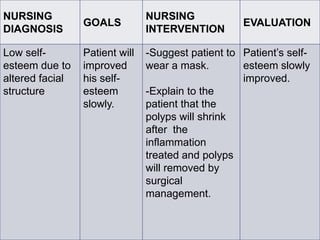
Living with nasal polyps can have a significant emotional impact on patients. As a nurse, it is important to recognize and address the emotional well-being of individuals dealing with this condition. This may involve providing empathy and support, actively listening to patients’ concerns, and acknowledging the challenges they face. By creating a safe and compassionate space for patients to express their emotions, you can help alleviate their anxiety, depression, or frustration and provide comfort during their healthcare journey.
Assessing for anxiety or depression symptoms and providing appropriate referrals
Nasal polyps can have a profound effect on patients’ mental health, and as a nurse, it is important to be vigilant in assessing for any anxiety or depression symptoms. By regularly screening patients for signs of emotional distress, such as feelings of hopelessness, persistent sadness, or changes in appetite or sleep patterns, you can identify those in need of further support. When appropriate, referring patients to mental health professionals, such as psychologists or counselors, can ensure that they receive specialized care to address their emotional well-being.
Promoting self-care and stress management techniques
Promoting self-care and stress management techniques is vital in supporting the overall well-being of individuals with nasal polyps. As a nurse, you can provide patients with practical strategies to help them cope with the challenges they may face. This may include encouraging patients to engage in activities they enjoy, such as hobbies or relaxation techniques, promoting regular exercise and adequate sleep, and emphasizing the importance of self-compassion. By empowering patients to prioritize their self-care and equipping them with tools to manage stress effectively, you can contribute to their overall sense of well-being and resilience.
Collaborative Care
Collaborating with otolaryngologists and other healthcare professionals in the management of nasal polyps
Collaboration with otolaryngologists and other healthcare professionals is essential in providing comprehensive care for patients with nasal polyps. As a nurse, you will work closely with the interdisciplinary team to develop and implement a cohesive treatment plan. This collaboration involves sharing relevant patient information, such as assessment findings, treatment progress, and medication adjustments, during interprofessional rounds or team meetings. By actively engaging in effective communication and collaboration, you can ensure that patients receive coordinated care that addresses their unique needs and optimizes their outcomes.
Participating in interprofessional rounds to discuss patient progress and treatment plans
Participating in interprofessional rounds provides an opportunity to discuss patient progress and treatment plans with the entire healthcare team. As a nurse, your perspective and insights are invaluable during these discussions, as you have direct and frequent interactions with patients. By actively participating in interprofessional rounds, you can contribute your observations, recommendations, and concerns, fostering a collaborative and patient-centered approach to care. This type of collaboration allows for dynamic decision-making, ensuring that patient management strategies are continuously evaluated and adjusted as needed.
Sharing relevant patient information and updates
Effective communication and sharing of relevant patient information are vital for providing comprehensive care to individuals with nasal polyps. As a nurse, you serve as a key link between patients and the healthcare team, facilitating the flow of information and ensuring that updates are communicated accurately and efficiently. This may involve sharing patient histories, medication lists, and any changes in symptoms or treatment plans with the rest of the healthcare team. By providing timely and thorough updates, you contribute to the continuity of care and enable healthcare professionals to make informed decisions for their patients.
Follow-Up and Continuity of Care
Scheduling regular follow-up appointments to monitor disease progression
Regular follow-up appointments are essential for monitoring disease progression and evaluating the effectiveness of interventions in managing nasal polyps. As a nurse, you can play a significant role in scheduling these appointments and providing patients with the necessary information and instructions. This may include coordinating with other healthcare professionals, such as otolaryngologists or allergists, to ensure that follow-up appointments occur at appropriate intervals. By facilitating regular follow-up visits, you contribute to the continuity of care and provide ongoing support to patients as they navigate their healthcare journey.
Ensuring smooth transitions of care between different healthcare settings
Smooth transitions of care are crucial when patients with nasal polyps require healthcare services across multiple settings. As a nurse, you can help ensure that these transitions are seamless by coordinating with other healthcare professionals and providing relevant information. This may involve communicating important details, such as treatment plans, medication changes, or recent test results, to the multidisciplinary team involved in the patient’s care. By promoting effective communication and collaboration during transitions of care, you can help minimize the risk of errors and ensure that patients receive consistent and uninterrupted care.
Providing ongoing support and education throughout the patient’s healthcare journey
Throughout the patient’s healthcare journey, providing ongoing support and education is essential. As a nurse, you can play a critical role in providing patients with the information and resources they need to actively participate in their care. This may involve addressing any questions or concerns that arise, providing educational materials on symptom management or lifestyle modifications, and connecting patients with support groups or community resources. By offering continuous support and education, you can empower patients to take an active role in managing their condition and promote their overall well-being.
In conclusion, nursing considerations for patients with nasal polyps encompass a wide range of responsibilities, from effective communication and assessment to medication administration and patient education. By employing comprehensive strategies that encompass the physical, emotional, and educational aspects of care, nurses can provide optimal support and contribute to positive patient outcomes. Through collaboration with healthcare professionals and the provision of ongoing support, nurses can play a significant role in promoting the overall well-being and quality of life for individuals dealing with nasal polyps.