
Are you curious about the important things nurses should consider when it comes to ovarian cysts? Look no further! In this article, we will explore the nursing considerations and management strategies for dealing with ovarian cysts. From understanding the symptoms to implementing effective treatment plans, we have got you covered. So, let’s dive into the world of nursing care for ovarian cysts and discover the essential factors that nurses need to keep in mind to ensure the best possible outcomes for their patients.
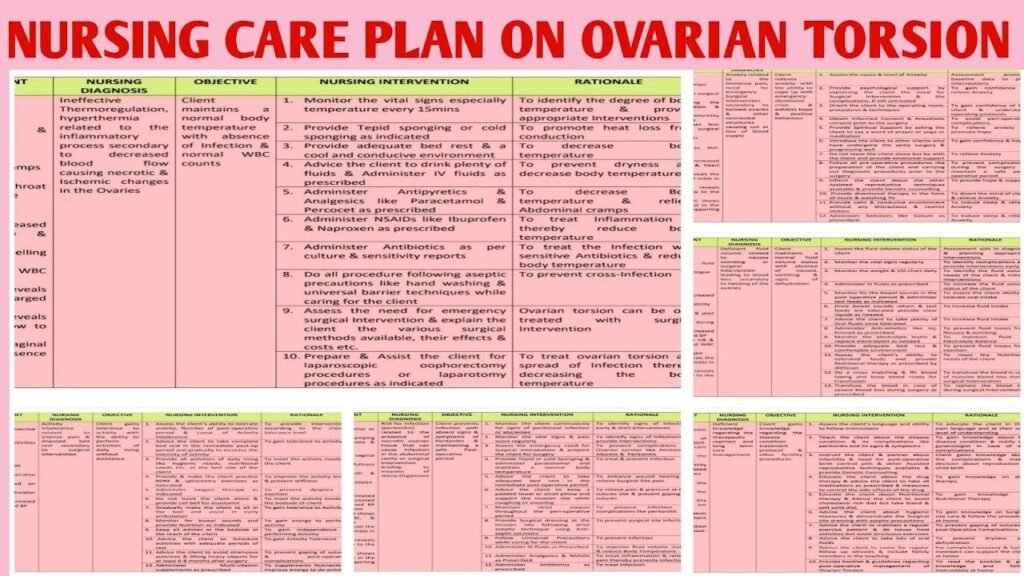
Overview of Ovarian Cysts
Ovarian cysts are fluid-filled sacs that form on or within the ovaries. They are a common gynecological condition that can affect women of all ages. Ovarian cysts can be either functional or pathological. Functional cysts are typically harmless and occur as part of the normal menstrual cycle. They usually resolve on their own without any intervention. Pathological cysts, on the other hand, are less common and may require medical or surgical intervention.
Types of Ovarian Cysts
There are several types of ovarian cysts, each with its own characteristics and potential complications. The most common types include:
Functional cysts:
Functional cysts are the most common type of ovarian cyst and are usually harmless. They develop as part of the normal menstrual cycle and typically resolve on their own within a few menstrual cycles. The two main types of functional cysts are follicular cysts and corpus luteum cysts.
Follicular cysts occur when a follicle fails to release an egg during ovulation, causing it to continue growing and become a cyst. These cysts are usually small and asymptomatic.
Corpus luteum cysts form when the follicle releases the egg but does not shrink as it should. The corpus luteum then fills with fluid and forms a cyst. Corpus luteum cysts can be more painful than follicular cysts and may cause bleeding or torsion.
Pathological cysts:
Pathological cysts can be more concerning than functional cysts and require further investigation and treatment. Some common types of pathological cysts include endometriomas, dermoid cysts, and cystadenomas.
Endometriomas, also known as chocolate cysts, occur when endometrial tissue grows on the ovaries. These cysts can cause pelvic pain, especially during menstruation.
Dermoid cysts are made up of different types of tissue, including hair, skin, and teeth. They are generally benign but can cause pain if they grow or become twisted.
Cystadenomas are cysts that form from cells on the outer surface of the ovary. They can be filled with a watery or mucous-like fluid and can grow quite large.

Causes and Risk Factors
The exact cause of ovarian cysts is often unknown, but several factors can increase the risk of developing them. These risk factors include:
- Hormonal imbalances: Fluctuations in hormone levels, such as those seen during the menstrual cycle, can contribute to the development of ovarian cysts.
- Endometriosis: A condition in which tissue that normally lines the uterus grows outside the uterus can increase the risk of developing ovarian cysts.
- Polycystic ovary syndrome (PCOS): PCOS is a hormonal disorder that can cause the ovaries to enlarge and develop multiple cysts.
- Pregnancy: The hormonal changes that occur during pregnancy can increase the risk of ovarian cysts.
- Previous history of ovarian cysts: Women who have had ovarian cysts in the past are more likely to develop them again.
- Age: Ovarian cysts are more common during the reproductive years but can occur at any age.
It is important to note that ovarian cysts are usually not caused by ovarian cancer. However, in some cases, cysts can be a sign of a more serious condition, so it is essential to seek medical evaluation if you experience any concerning symptoms.
Signs and Symptoms
In many cases, ovarian cysts do not cause any symptoms and are discovered incidentally during routine pelvic examinations or imaging studies. However, when symptoms do occur, they can vary depending on the type and size of the cyst. Some common signs and symptoms of ovarian cysts include:
- Pelvic pain: This can range from a dull ache to sharp, severe pain. The pain may be intermittent or constant and may be felt on one or both sides of the pelvis.
- Bloating or abdominal distention: Some women with ovarian cysts may experience a sensation of fullness or bloating in the abdomen, similar to premenstrual bloating.
- Changes in menstrual cycle: Ovarian cysts can cause irregular periods, heavier or lighter than normal bleeding, or skipped periods.
- Pain during sexual intercourse: Some women may experience pain or discomfort during intercourse due to the presence of an ovarian cyst.
- Urinary symptoms: Large cysts can put pressure on the bladder, causing frequent urination or a constant urge to urinate.
- Digestive disturbances: In some cases, ovarian cysts can cause symptoms such as constipation, indigestion, or a feeling of pressure on the rectum.
It is important to note that these symptoms are not specific to ovarian cysts and can be caused by other gynecological or gastrointestinal issues. If you experience any concerning symptoms, it is important to consult a healthcare provider for an accurate diagnosis.
Diagnosis
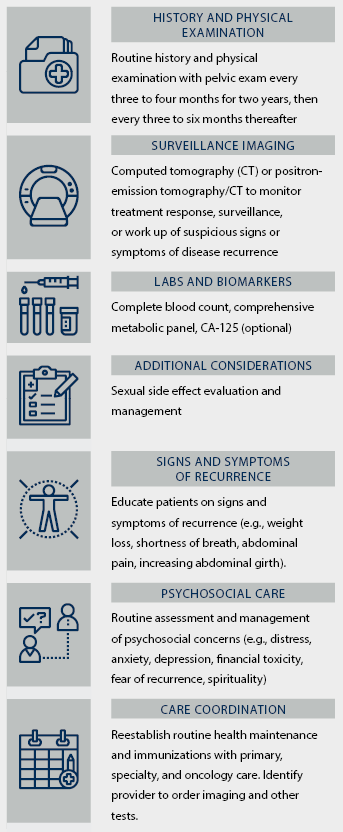
The diagnosis of ovarian cysts typically involves a combination of medical history, physical examination, and diagnostic tests. During the medical history, your healthcare provider will ask about your symptoms, menstrual history, and any relevant medical conditions. They will also perform a pelvic examination to assess the size and position of the ovaries.
In addition to the physical examination, your healthcare provider may order one or more of the following diagnostic tests:
- Ultrasound: This imaging test uses sound waves to create images of the ovaries and can help determine the size, location, and characteristics of the cysts.
- Blood tests: Hormonal blood tests can help evaluate hormone levels and rule out other conditions such as polycystic ovary syndrome or hormonal imbalances.
- Laparoscopy: In some cases, a laparoscopy may be necessary to definitively diagnose the ovarian cyst. This surgical procedure involves inserting a small camera through a small incision to visualize the ovaries and remove or biopsy the cysts.
The specific diagnostic tests recommended will depend on the individual’s symptoms, medical history, and the healthcare provider’s assessment.
Medical Management
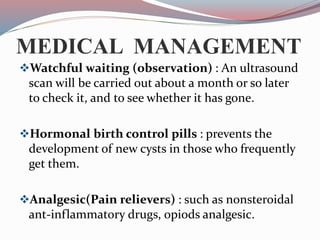
The management of ovarian cysts will depend on factors such as the type of cyst, size, symptoms, and the individual’s age and overall health. In many cases, particularly for functional cysts, a watchful waiting approach may be recommended. This involves monitoring the cysts over time to see if they resolve on their own.
Pain management may be necessary for women experiencing discomfort or pain associated with ovarian cysts. Over-the-counter pain relievers such as ibuprofen or acetaminophen may be recommended. In some cases, prescription-strength pain medications may be necessary.
If the cysts are large, causing severe symptoms, or have a high risk of complications, medical intervention may be required. In some cases, hormonal therapies, such as birth control pills, may be prescribed to regulate hormone levels and prevent the formation of new cysts. Surgery may be recommended to remove the cysts or, in some cases, the entire ovary.

Surgical Interventions
Surgical intervention may be necessary for the management of certain types of ovarian cysts. The decision to undergo surgery will depend on factors such as the type and size of the cyst, the severity of symptoms, and the individual’s desire for future fertility. Some surgical interventions for ovarian cysts may include:
Cystectomy:
A cystectomy involves the surgical removal of the cyst while leaving the ovary intact. This procedure is typically performed using minimally invasive techniques such as laparoscopy. During a cystectomy, the cyst is carefully dissected away from the ovary to preserve its function.
Oophorectomy:
An oophorectomy is the surgical removal of one or both ovaries. This procedure may be recommended if the cyst is large, causing severe symptoms, or suspected to be cancerous. If only one ovary is removed, the individual may still be able to conceive naturally, but fertility may be affected.
Salpingo-oophorectomy:
A salpingo-oophorectomy is the surgical removal of one or both ovaries as well as the fallopian tubes. This procedure may be recommended if there is concern for ovarian cancer or if the individual has a high risk of developing ovarian cancer.
Surgical interventions for ovarian cysts are typically performed under general anesthesia, and the specific approach will depend on the individual’s circumstances and the surgeon’s recommendations.
Nursing Assessments and Interventions
Nurses play a crucial role in assessing and managing women with ovarian cysts. As part of the nursing assessment, it is important to obtain a comprehensive medical history, including information on symptoms, previous cysts, and any relevant medical conditions. The nurse should also perform a thorough physical examination, including a pelvic examination if appropriate.
In terms of interventions, nurses can provide education and support to women with ovarian cysts. This includes explaining the diagnosis, discussing treatment options, and addressing any concerns or questions the individual may have. Nurses can also provide guidance on pain management strategies, including the use of over-the-counter medications and applying heat or cold packs to the abdomen.
Additionally, nurses can monitor for any changes or worsening of symptoms, such as increasing pain or signs of infection. They can also provide emotional support and help women cope with the anxiety or distress that may arise from having a cyst or undergoing treatment.
Pain Management
Pain management is an essential aspect of caring for women with ovarian cysts, especially those experiencing discomfort or severe pain. Non-pharmacological strategies, such as applying heat or cold packs to the abdomen or taking warm baths, may provide relief. Rest and relaxation techniques, such as deep breathing exercises or guided imagery, can also help alleviate pain and reduce stress.
For women experiencing moderate to severe pain, over-the-counter pain relievers such as ibuprofen or acetaminophen may be recommended. These medications can help reduce inflammation and relieve pain. In some cases, healthcare providers may prescribe stronger pain medications if over-the-counter options are insufficient.
It is important for nurses to assess pain regularly using pain scales and to evaluate the effectiveness of pain management interventions. Ongoing communication with the healthcare team can help ensure that pain is adequately managed and that adjustments to the treatment plan are made as necessary.
Monitoring and Follow-up
Regular monitoring and follow-up are essential for women with ovarian cysts, particularly if the cysts are large or have the potential for complications. Women should be encouraged to report any changes in symptoms, including increasing pain, new symptoms, or signs of infection.
Follow-up appointments with the healthcare provider will typically involve imaging studies, such as ultrasound, to assess the size and characteristics of the cysts. Blood tests may also be ordered to monitor hormone levels or investigate other potential causes of symptoms.
The frequency of follow-up appointments will depend on factors such as the type and size of the cyst, the severity of symptoms, and the individual’s overall health. Women should be encouraged to adhere to the recommended follow-up schedule to ensure that any changes or complications are promptly addressed.
In conclusion, ovarian cysts are a common gynecological condition that can vary in type, size, and symptoms. While many cysts resolve on their own without intervention, some may require medical or surgical management. Nurses play a vital role in assessing and managing women with ovarian cysts, providing education, support, and pain management strategies. Regular monitoring and follow-up are essential to ensure the ongoing well-being of women with ovarian cysts. By working collaboratively with healthcare providers, nurses can help ensure that women receive the appropriate care and support needed for the management of ovarian cysts.