
Are you tired of feeling sluggish and experiencing a constant energy crash after meals? Look no further. In this article, you will discover the effective and easy-to-follow solutions for treating postprandial hyperglycemia. Say goodbye to the rollercoaster ride of blood sugar levels and hello to sustained energy throughout your day. Say hello to a more balanced and fulfilling life.

Dietary Modifications
Low-carbohydrate diet
A low-carbohydrate diet can be beneficial for managing postprandial hyperglycemia. By reducing your intake of carbohydrates, specifically those from sugars and refined grains, you can help regulate your blood sugar levels after meals. Instead, focus on consuming whole grains, vegetables, lean proteins, and healthy fats. This approach allows for slower digestion and absorption of carbohydrates, leading to more stable blood sugar levels.
Fiber-rich foods
Incorporating fiber-rich foods into your meals can also aid in controlling postprandial hyperglycemia. Fiber helps slow down the absorption of glucose into the bloodstream, preventing spikes in blood sugar levels. Opt for whole fruits and vegetables, whole grains such as oats and quinoa, and legumes. These foods not only provide essential nutrients but also contribute to longer-lasting satiety.
Protein intake
Including an adequate amount of protein in your diet can have a positive impact on postprandial hyperglycemia. Protein has little effect on blood sugar levels and can help stabilize them after meals. It also promotes feelings of fullness and can assist in managing weight, which is crucial for diabetes management. Good sources of protein include lean meats, poultry, fish, tofu, beans, and dairy products.
Importance of portion control
Portion control plays a vital role in managing postprandial hyperglycemia. Even when consuming healthy foods, overeating can lead to elevated blood sugar levels. Be mindful of portion sizes by using measuring cups, food scales, or visual cues. It may be helpful to consult with a registered dietitian or diabetes educator to learn more about appropriate portion sizes and how to build a balanced plate.
Physical Activity
Aerobic exercise
Engaging in regular aerobic exercise can be highly beneficial for individuals with postprandial hyperglycemia. Aerobic activities, such as brisk walking, jogging, cycling, or swimming, increase insulin sensitivity, allowing for better glucose uptake into cells. Aim for at least 150 minutes of moderate-intensity aerobic exercise per week, or 75 minutes of vigorous-intensity exercise. Break it down into smaller sessions if needed, and always consult with your healthcare provider before starting any exercise program.
Resistance training
Incorporating resistance training into your routine can also help manage postprandial hyperglycemia. Resistance exercises, such as weightlifting or bodyweight exercises, help build and maintain muscle mass. Increased muscle mass enhances glucose uptake and utilization, leading to improved blood sugar control. Include two to three resistance training sessions per week, targeting major muscle groups. Remember to use proper form, start with lighter weights, and gradually increase the intensity as you progress.
Interval training
Interval training, which combines short bursts of high-intensity exercise with lower-intensity recovery periods, can be particularly effective in managing postprandial hyperglycemia. This type of training has been shown to improve insulin sensitivity and glucose metabolism. Examples of interval training include alternating between jogging and sprinting or cycling at varying intensities. Start with shorter intervals and gradually increase the duration as your fitness level improves.
Medication Options
Oral antidiabetic drugs
Oral antidiabetic drugs, also known as oral hypoglycemic agents, are commonly prescribed for managing postprandial hyperglycemia. These medications help regulate blood sugar levels by increasing insulin production, reducing glucose production in the liver, or improving insulin sensitivity. Common types of oral antidiabetic drugs include metformin, sulfonylureas, meglitinides, thiazolidinediones, and DPP-4 inhibitors. It is important to consult with your healthcare provider to determine the most suitable option for your specific needs.
Insulin therapy
Some individuals with postprandial hyperglycemia may require insulin therapy to effectively manage their blood sugar levels. Insulin is a hormone that helps glucose enter cells, where it can be utilized for energy. Insulin therapy involves injecting insulin subcutaneously to mimic the body’s natural insulin production. There are different types of insulin available, including rapid-acting insulin, short-acting insulin, intermediate-acting insulin, and long-acting insulin. Your healthcare provider will determine the appropriate insulin regimen based on your specific needs.
GLP-1 receptor agonists
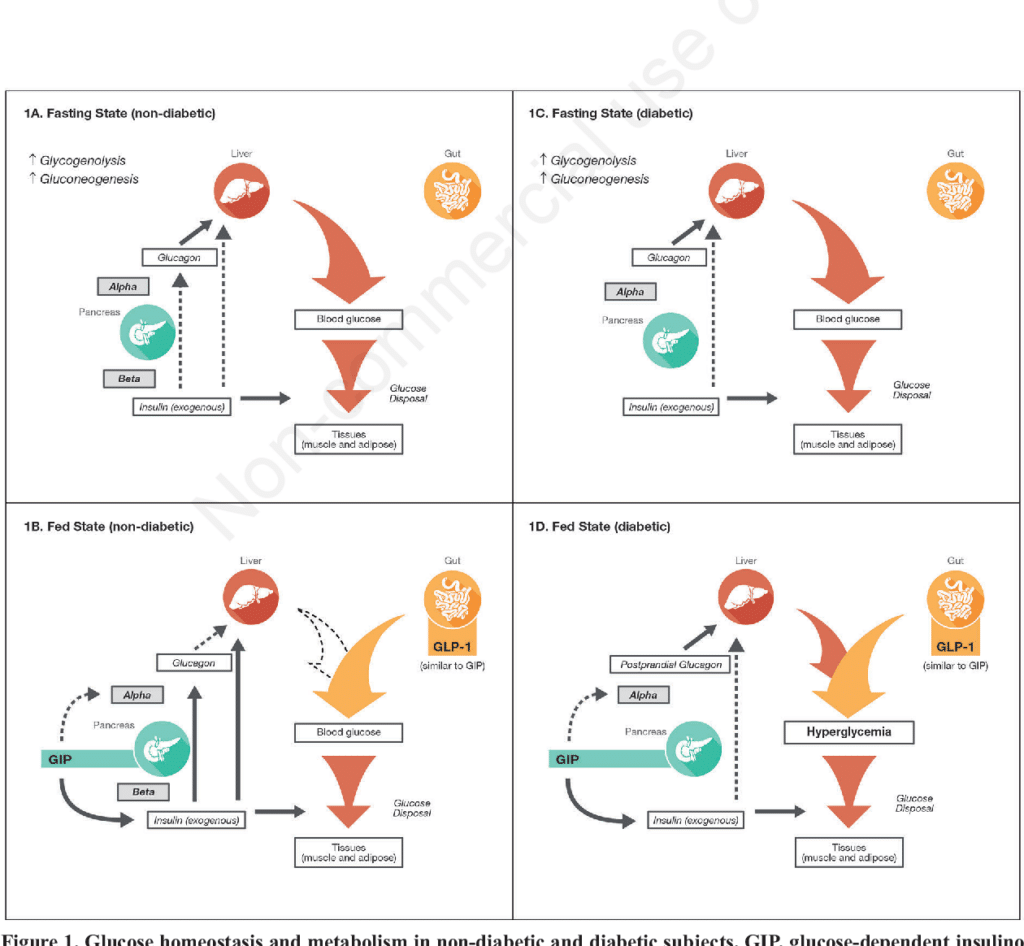
GLP-1 receptor agonists, also known as incretin mimetics, are a type of injectable medication used to manage postprandial hyperglycemia. These medications work by mimicking the action of the natural hormone GLP-1, which stimulates insulin secretion, suppresses glucagon release, slows down gastric emptying, and promotes satiety. GLP-1 receptor agonists are typically administered once or twice daily via subcutaneous injections. They may be prescribed as an alternative or in combination with other antidiabetic medications.
Insulin Therapy
Rapid-acting insulin
Rapid-acting insulin is a type of insulin that begins to work quickly after injection, typically within 15 minutes. It peaks in effectiveness within 1 to 2 hours and typically lasts for 3 to 5 hours. Rapid-acting insulin is commonly used before meals to control postprandial blood sugar levels. It can be helpful in managing the rise in blood sugar that occurs after eating. It is important to coordinate the timing of the insulin injection with meal consumption for optimal effectiveness.
Short-acting insulin
Short-acting insulin, also known as regular insulin, has a slower onset of action compared to rapid-acting insulin. It usually takes effect within 30 minutes to an hour after injection, peaks within 2 to 4 hours, and can last up to 6 to 8 hours. Short-acting insulin can be used to manage postprandial hyperglycemia, but it is important to administer it with enough lead time before a meal to allow for its effects to coincide with the rise in blood sugar after eating.
Pre-meal insulin injections
Pre-meal insulin injections are commonly utilized to address postprandial hyperglycemia. By injecting insulin shortly before a meal, you can ensure that the insulin is actively working when your blood sugar levels begin to rise. It is important to consult with your healthcare provider to determine the appropriate timing and dosage of pre-meal insulin injections based on your individual needs and blood sugar monitoring results.

GLP-1 Receptor Agonists
Mechanism of action
GLP-1 receptor agonists work by stimulating the GLP-1 receptors in the pancreas, triggering increased insulin secretion and decreased glucagon release. This dual action helps lower blood sugar levels and prevent glucose overproduction. GLP-1 receptor agonists also slow down gastric emptying, which can further aid in managing postprandial hyperglycemia. They promote a feeling of fullness, which can assist with weight management.
Benefits and limitations
GLP-1 receptor agonists have several benefits for individuals with postprandial hyperglycemia. They have been shown to reduce HbA1c levels, promote weight loss, and have a low risk of hypoglycemia. Additionally, some GLP-1 receptor agonists have cardiovascular benefits, reducing the risk of heart disease in individuals with diabetes. However, they are injectable medications and may not be suitable for everyone. It is important to discuss potential side effects and limitations with your healthcare provider.
Administration methods
GLP-1 receptor agonists are available as injectable medications and can be administered subcutaneously. They are typically injected once or twice daily, depending on the specific medication prescribed. Some GLP-1 receptor agonists are available in prefilled pens or injectors, making the administration process more convenient. It is essential to carefully follow the instructions provided by your healthcare provider for correct dosage and administration techniques.
Oral Antidiabetic Drugs
Metformin
Metformin is a commonly prescribed oral antidiabetic drug for managing postprandial hyperglycemia. It works by reducing glucose production in the liver and increasing insulin sensitivity in muscle cells. Metformin is usually taken with meals and can help improve blood sugar control throughout the day. It is generally well-tolerated, but gastrointestinal side effects, such as nausea or diarrhea, may occur. Your healthcare provider will determine the appropriate dosage and potential adjustments based on your response to the medication.
Meglitinides
Meglitinides are another class of oral antidiabetic drugs used to manage postprandial hyperglycemia. These medications stimulate insulin secretion from the pancreas, helping to lower blood sugar levels after meals. They are typically taken shortly before each meal and can be used in combination with other antidiabetic medications. Meglitinides have a rapid onset of action but a shorter duration compared to other oral antidiabetic drugs. Your healthcare provider will determine the appropriate dosage and timing for your specific needs.
Alpha-glucosidase inhibitors
Alpha-glucosidase inhibitors are oral antidiabetic drugs that work by delaying the digestion and absorption of carbohydrates from the intestine. By slowing down the breakdown of complex carbohydrates into glucose, these medications help regulate blood sugar levels after meals. Alpha-glucosidase inhibitors are taken with each meal and are particularly effective when consumed together with carbohydrate-rich meals. Potential side effects include gastrointestinal discomfort and gas. It is important to consult with your healthcare provider before starting this medication.
DPP-4 inhibitors
DPP-4 inhibitors are a class of oral antidiabetic drugs that increase the levels of incretin hormones, such as GLP-1, in the body. This leads to increased insulin release and decreased glucagon production, resulting in improved blood sugar control. DPP-4 inhibitors are typically taken orally once daily and can be used as monotherapy or in combination with other antidiabetic medications. Common side effects include upper respiratory tract infections and headache. Your healthcare provider will determine the most appropriate DPP-4 inhibitor and dosage for your individual needs.

Alternative Therapies
Herbal supplements
Some herbal supplements have shown potential benefits in managing postprandial hyperglycemia, although more research is needed to confirm their effectiveness. Examples include cinnamon, bitter melon, fenugreek, and Gymnema sylvestre. These supplements may help lower blood sugar levels or improve insulin sensitivity. However, it is essential to approach herbal supplements with caution, as they can interact with other medications and may not be suitable for everyone. Always consult with your healthcare provider before adding any herbal supplements to your regimen.
Acupuncture
Acupuncture, a traditional Chinese medicine practice, involves the insertion of thin needles into specific points on the body. Some studies suggest that acupuncture may help improve blood sugar control in individuals with diabetes, including postprandial hyperglycemia. It is believed that acupuncture can affect the release of certain hormones and neurotransmitters, promoting better glucose regulation. While acupuncture may be a complementary therapy to consider, it should not replace conventional medical treatments. Consult with a licensed acupuncturist and inform your healthcare provider before undergoing acupuncture.
Yoga and meditation
Yoga and meditation can be beneficial in managing postprandial hyperglycemia by reducing stress levels and promoting relaxation. Chronic stress can contribute to elevated blood sugar levels, so incorporating stress-reducing techniques into your routine can have a positive impact on your overall well-being. Yoga combines physical postures, breathing exercises, and meditation, while meditation involves focusing your attention and practicing mindfulness. These practices can help improve insulin sensitivity and glucose metabolism.
Chromium supplements
Chromium is a mineral that has been linked to improved glucose metabolism. Some studies suggest that chromium supplements may help enhance insulin sensitivity and lower blood sugar levels, including postprandial blood sugar levels. However, more research is needed to establish the optimal dosage, safety, and effectiveness of chromium supplements. It is important to consult with your healthcare provider before adding any supplements to your regimen, as they may interact with other medications or have side effects.
Continuous Glucose Monitoring
Advantages of CGM
Continuous Glucose Monitoring (CGM) provides real-time information about your blood sugar levels throughout the day and night. CGM systems typically consist of a glucose sensor inserted under the skin and a monitor that displays your readings. CGM offers several advantages for individuals with postprandial hyperglycemia, including the ability to detect trends and patterns in blood sugar levels, provide alerts for high or low readings, and aid in identifying the impact of dietary and lifestyle choices on blood sugar control.
Types of CGM devices
There are various CGM devices available on the market, each with its unique features and capabilities. Some devices require fingerstick calibration, while others are factory-calibrated. CGM devices also vary in terms of sensor wear time, automatic alerts, connectivity to smartphones or insulin pumps, and data display options. It is important to work with your healthcare provider to determine the CGM device that best suits your needs, taking into consideration factors such as accuracy, ease of use, and data accessibility.
Interpretation of readings
Interpreting CGM readings is crucial for managing postprandial hyperglycemia effectively. CGM devices provide real-time glucose values, as well as trends, graphs, and reports. Understanding your individual blood sugar patterns can help you make informed decisions about your diet, medication, and physical activity. Pay attention to postprandial spikes and the time it takes for your blood sugar levels to return to your target range. Work closely with your healthcare provider to interpret CGM data and make any necessary adjustments to your diabetes management plan.

Education and Support
Diabetes education programs
Participating in diabetes education programs can be highly beneficial for individuals with postprandial hyperglycemia. These programs aim to provide comprehensive knowledge about diabetes self-management, including dietary guidelines, medication management, blood sugar monitoring, and lifestyle modifications. Diabetes education programs often involve group sessions, individual counseling, and workshops. They offer support, guidance, and practical strategies to help individuals achieve and maintain optimal blood sugar control.
Peer support groups
Joining peer support groups can provide valuable emotional and practical support for individuals with postprandial hyperglycemia. These groups consist of individuals who share similar experiences and challenges related to diabetes management. Peer support groups offer a safe space to discuss concerns, share coping strategies, and learn from others’ experiences. They can help reduce feelings of isolation and provide a sense of community, empowering individuals to take control of their postprandial hyperglycemia management.
Counseling services
Counseling services, such as individual therapy or cognitive-behavioral therapy, can assist individuals with postprandial hyperglycemia in managing the emotional and psychological aspects of their condition. Living with a chronic illness can bring about stress, anxiety, and feelings of overwhelm. Counseling services provide coping strategies, stress management techniques, and a non-judgmental space for individuals to express their concerns. This holistic approach to diabetes management can positively impact overall well-being and blood sugar control.
Importance of Regular Blood Sugar Monitoring
Self-monitoring of blood glucose
Regular self-monitoring of blood glucose is crucial for managing postprandial hyperglycemia. It allows you to track your blood sugar levels before and after meals, identify patterns, and make necessary adjustments to your dietary and medication strategies. Self-monitoring can provide valuable information about the effectiveness of your management plan and help prevent complications associated with high or low blood sugar levels. Work with your healthcare provider to establish a monitoring schedule and target blood sugar ranges.
Target blood sugar levels
Target blood sugar levels for individuals with postprandial hyperglycemia may vary depending on factors such as age, overall health, and individual treatment goals. Typically, postprandial blood sugar levels should be maintained below 180 mg/dL (10 mmol/L) two hours after meals. However, it is important to consult with your healthcare provider to establish specific targets tailored to your needs. They will consider factors such as your A1C levels, overall diabetes management, and potential complications.
Frequency of testing
The frequency of blood sugar testing for postprandial hyperglycemia may vary depending on individual needs and treatment plans. Typically, individuals are advised to test their blood sugar levels before meals and two hours after meals to assess postprandial hyperglycemia control. However, your healthcare provider may recommend additional testing at other times throughout the day or night, depending on factors such as medication adjustments, recent changes in lifestyle, or specific diabetes management goals. Regular blood sugar testing provides valuable information for optimizing your treatment plan.
In conclusion, managing postprandial hyperglycemia involves a comprehensive approach that includes dietary modifications, physical activity, medication options, alternative therapies, continuous glucose monitoring, education, and support. By implementing these strategies, individuals can effectively regulate their blood sugar levels and improve their overall well-being. It is essential to work closely with healthcare providers to develop an individualized plan that suits specific needs and goals. Remember, managing postprandial hyperglycemia is a continuous journey, and with the right tools and support, you can achieve optimal blood sugar control and lead a fulfilling life with diabetes.