
In this article, you will discover important information about preventing acoustic neuroma, a rare tumor that affects the nerve responsible for hearing and balance. By understanding the risk factors associated with this condition and implementing simple prevention tips, you can take proactive steps toward maintaining your hearing health. With awareness and knowledge, you can protect yourself from the potential complications of acoustic neuroma and ensure a lifetime of clear, uninterrupted sound.
Understanding Acoustic Neuroma
Definition and Overview
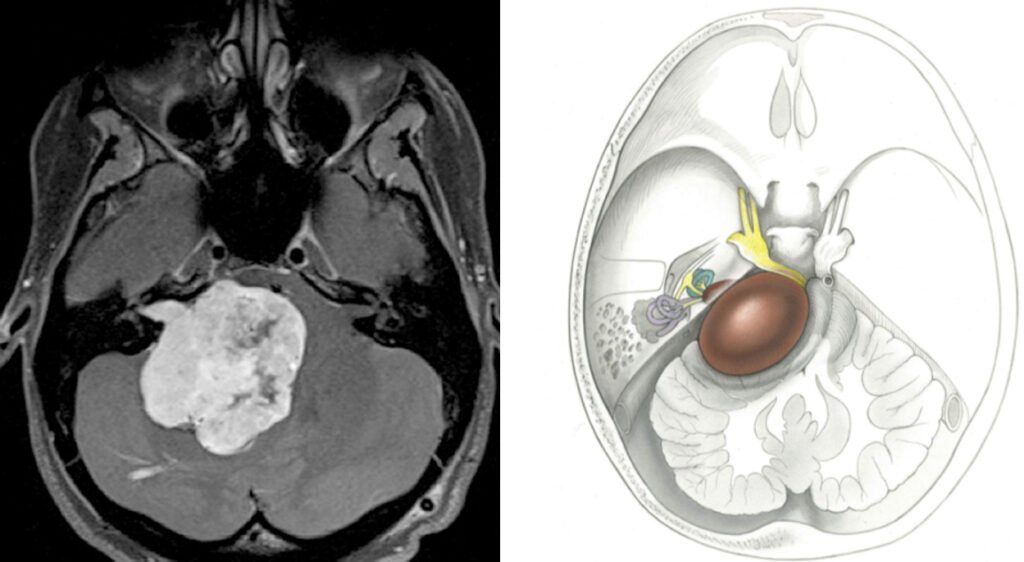
Acoustic neuroma, also known as vestibular schwannoma, is a non-cancerous tumor that develops on the main nerve leading from the inner ear to the brain. This nerve, known as the vestibulocochlear nerve or eighth cranial nerve, is responsible for transmitting sound and maintaining balance. When a tumor grows on this nerve, it can lead to various symptoms and complications.
In its early stages, an acoustic neuroma may not cause any noticeable symptoms. As the tumor grows, however, it can put pressure on the surrounding structures, including the cranial nerves responsible for facial movement and sensation. This can lead to symptoms such as hearing loss, tinnitus (ringing in the ears), unsteadiness, facial numbness or weakness, and difficulty with balance. In some cases, larger tumors can cause more severe symptoms, including headaches, dizziness, and even problems with coordination and motor function.
Causes and Symptoms
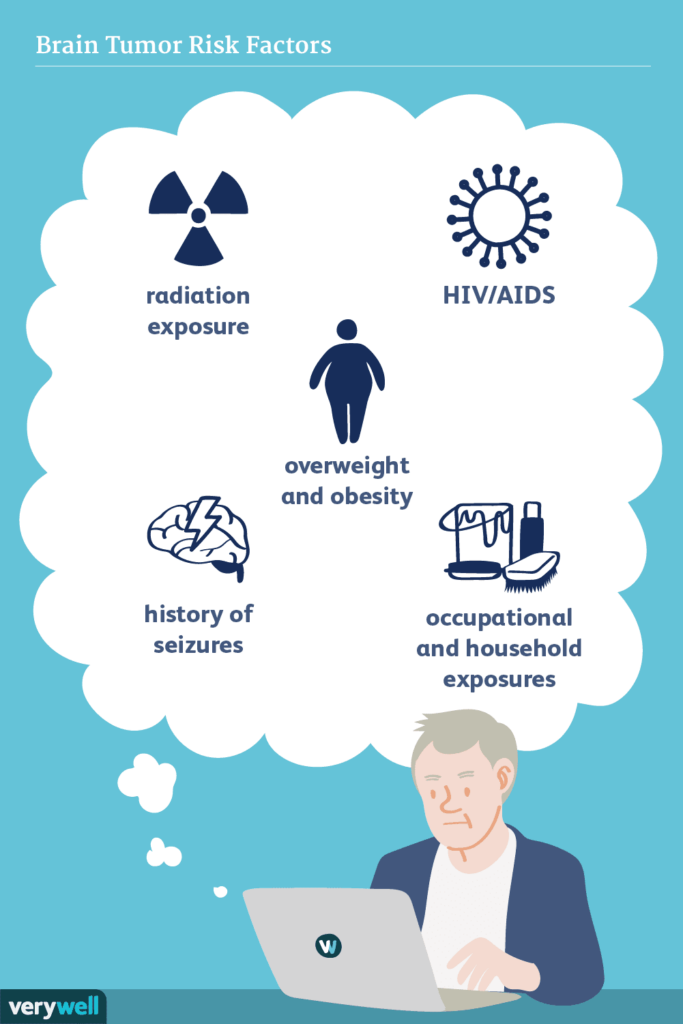
The exact cause of acoustic neuroma is still largely unknown. However, research suggests that there are several risk factors that may increase the likelihood of developing this condition. It is important to note that having one or more of these risk factors does not guarantee the development of an acoustic neuroma, but rather increases the overall risk.
Diagnosis and Treatment
If you suspect you may have an acoustic neuroma, it is important to consult with a healthcare professional for a proper diagnosis. The diagnosis of an acoustic neuroma typically involves a combination of medical history assessment, physical examination, and diagnostic tests.
Once an acoustic neuroma has been diagnosed, the treatment options will depend on several factors, including the size and growth rate of the tumor, the severity of symptoms, and the overall health of the individual. Treatment options for acoustic neuroma may include observation, radiation therapy, or surgical intervention.
Risk Factors for Acoustic Neuroma
Age
Acoustic neuromas most commonly occur in individuals between the ages of 30 and 60. While they can develop at any age, the risk tends to increase as you get older. It is important to be aware of the potential risk associated with age and to seek medical attention if you experience any symptoms related to acoustic neuroma.
Genetics
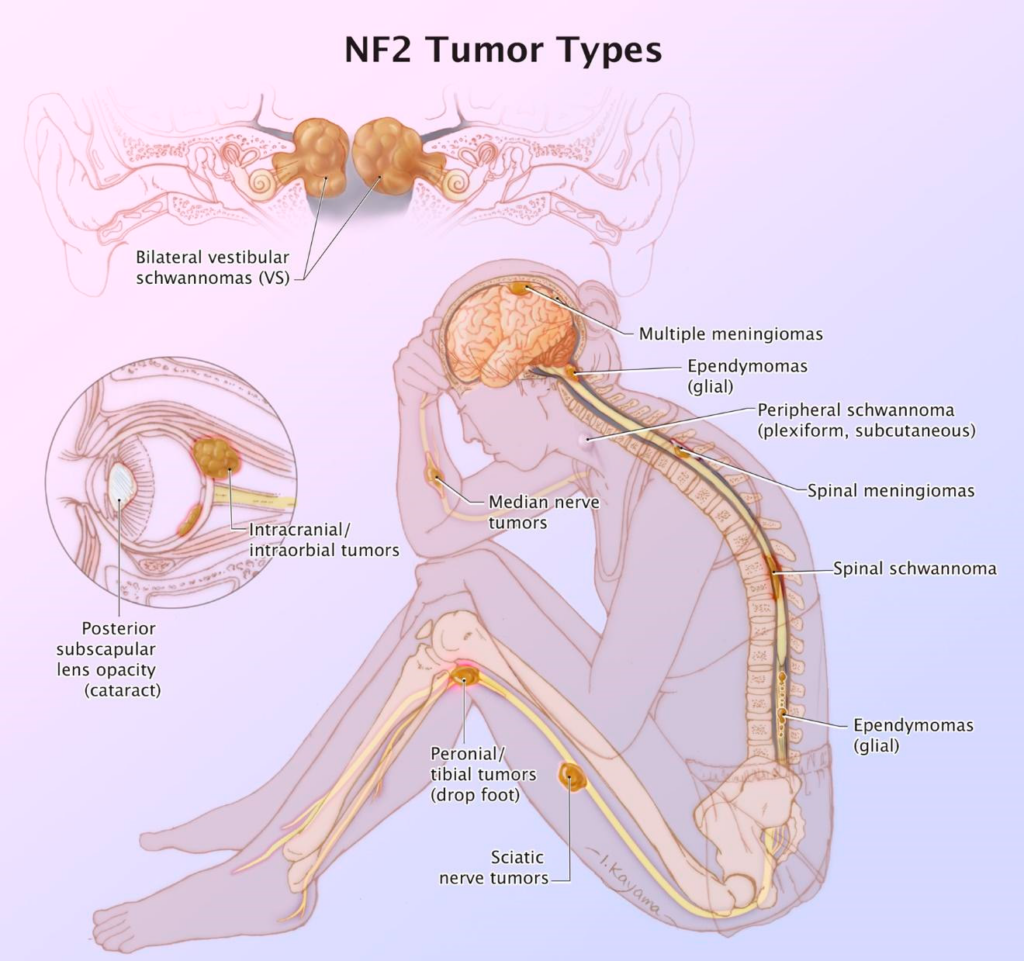
There is evidence to suggest that genetic factors may play a role in the development of acoustic neuroma. Individuals with certain genetic conditions, such as neurofibromatosis type 2 (NF2), have an increased risk of developing acoustic neuromas. It is important to be aware of your family history and inform your healthcare provider if you have any relatives with a history of acoustic neuromas or related conditions.
Exposure to Loud Noise
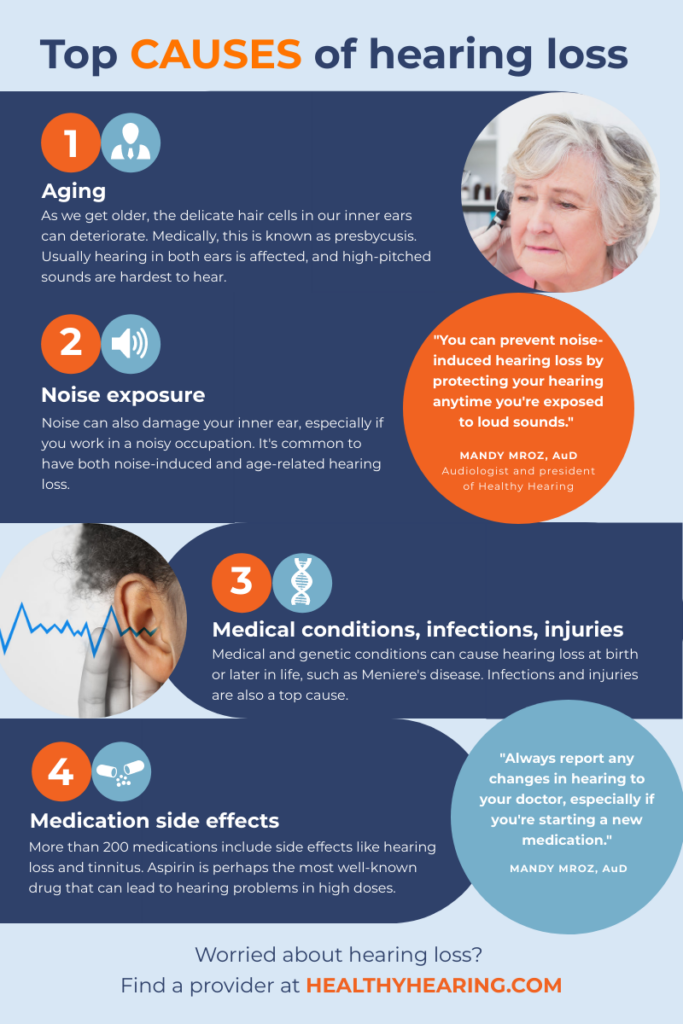
Exposure to loud noise, particularly on a regular basis, can increase the risk of developing acoustic neuroma. Jobs or hobbies that involve prolonged exposure to loud environments, such as construction work or frequent use of headphones at high volume, may contribute to the development of this condition. It is important to take steps to protect your hearing and limit exposure to loud noise whenever possible.
Radiation Exposure
Exposure to radiation, particularly in the head and neck region, has been linked to an increased risk of developing acoustic neuroma. This can include previous radiation treatment for other medical conditions or exposure to radiation through certain diagnostic procedures. It is important to discuss the potential risks of radiation exposure with your healthcare provider and consider alternative imaging options if appropriate.
Neurofibromatosis Type 2 (NF2)
Neurofibromatosis type 2 (NF2) is a genetic condition that increases the risk of developing acoustic neuromas. Individuals with NF2 have a higher likelihood of developing multiple acoustic neuromas, as well as other tumors throughout the nervous system. If you have a family history of NF2 or other related conditions, it is important to consult with a genetic counselor to assess your risk and discuss appropriate screening measures.
Prevention Tips for Acoustic Neuroma
While it may not be possible to completely prevent the development of acoustic neuroma, there are steps you can take to reduce your risk and promote good overall health.
Protecting Your Hearing
One of the best ways to reduce the risk of developing acoustic neuroma is by protecting your hearing. This includes wearing ear protection in loud environments, such as when operating power tools or attending concerts. Additionally, it is important to listen to music and other audio at a safe volume and limit exposure to loud noises whenever possible.
Avoiding Prolonged Exposure to Loud Noise
In addition to protecting your hearing, it is important to minimize prolonged exposure to loud noise. This can be achieved by taking regular breaks from noisy environments, such as when working in a loud office or attending a loud event. By giving your ears time to rest and recover, you can reduce the risk of damage to the inner ear and potentially prevent the development of acoustic neuroma.
Regular Hearing Check-ups
Regular hearing check-ups are an essential part of maintaining good hearing health and can help identify any potential issues early on. It is recommended to have your hearing tested at least once every few years or as advised by your healthcare provider. Early detection of hearing loss or other related issues can allow for prompt intervention and appropriate management.
Managing Exposure to Radiation
While exposure to radiation cannot always be avoided, it is important to manage and minimize unnecessary radiation exposure whenever possible. This can include discussing alternative imaging options with your healthcare provider, such as using magnetic resonance imaging (MRI) instead of computed tomography (CT) scans when appropriate. By reducing unnecessary radiation exposure, you can help lower the overall risk of developing acoustic neuroma.
Genetic Counseling and Testing
If you have a family history of acoustic neuroma or related conditions, genetic counseling and testing may be recommended. This can help assess your personal risk and provide guidance on appropriate screening measures. Genetic counselors can also provide information on potential treatment options and ongoing management for individuals at increased risk.
Lifestyle Modifications
Maintaining a healthy lifestyle can have a positive impact on overall health and potentially reduce the risk of developing acoustic neuroma. This includes eating a balanced diet, engaging in regular exercise, and avoiding environmental carcinogens whenever possible. Additionally, stress reduction techniques, such as meditation or deep breathing exercises, can help promote overall well-being and potentially lower the risk of developing certain health conditions.
Awareness and Early Detection
Finally, it is important to be aware of the signs and symptoms of acoustic neuroma and seek medical attention promptly if you experience any concerning symptoms. By educating yourself and others about the condition, you can help increase awareness and potentially improve early detection rates. Remember, early intervention can often lead to more effective treatment outcomes and a better quality of life.
Protecting Your Hearing
Using Hearing Protection
When it comes to protecting your hearing, one of the most important steps you can take is to use appropriate hearing protection in loud environments. This may include wearing earplugs or earmuffs when engaging in activities with high noise levels, such as attending concerts or working in noisy environments. By creating a physical barrier between your ears and the loud sound, you can help prevent damage to the delicate structures within the inner ear and reduce the risk of developing acoustic neuroma.
Limiting Exposure to Loud Environments
In addition to using hearing protection, it is important to limit your overall exposure to loud environments whenever possible. This may involve making changes to your work environment, such as using noise-canceling headphones or requesting quieter equipment. Outside of work, consider taking breaks from noisy surroundings and seeking out quieter activities to give your ears a chance to rest and recover.
Maintaining a Safe Listening Volume
When listening to music or other audio through headphones or earbuds, it is important to maintain a safe listening volume. A general rule of thumb is to keep the volume at or below 60% of the maximum level. This will vary depending on the device and the individual, but it is important to avoid prolonged exposure to high volume levels, as this can lead to damage to the inner ear and potential hearing loss.
Taking Breaks from Noisy Surroundings
Even if you are not exposed to prolonged loud noise, taking regular breaks from noisy surroundings can help reduce the overall risk of developing acoustic neuroma. This can be as simple as stepping outside for a few minutes to enjoy some quiet and give your ears a break from the constant background noise. By incorporating these breaks into your daily routine, you can help protect your hearing and potentially lower the risk of developing acoustic neuroma.
Avoiding Prolonged Exposure to Loud Noise
Understanding Safe Noise Levels
To effectively avoid prolonged exposure to loud noise, it is important to understand what constitutes a safe noise level. In general, noises above 85 decibels (dB) can be harmful to your hearing if you are exposed to them for an extended period of time. Some common examples of noise levels include normal conversation (60-70 dB), a vacuum cleaner (70-80 dB), a busy street (80-90 dB), and a rock concert (110 dB or higher). By being aware of these levels, you can make informed decisions about when to protect your hearing and take appropriate precautions.
Using Noise-Cancelling Headphones or Earplugs
In situations where you know you will be exposed to loud noise for an extended period of time, such as attending a concert or working in a noisy environment, consider using noise-canceling headphones or earplugs. These devices can help block out or reduce the volume of loud sounds, protecting your ears from potential damage. There are various types and brands available, so it is important to find the option that works best for you and ensures proper protection.
Keeping the Volume at a Comfortable Level
When listening to music or other audio through headphones or speakers, it is important to keep the volume at a comfortable level. This means avoiding excessively high volume levels that can cause discomfort or pain in the ears. If you are unsure about what level is appropriate, start at a lower volume and gradually increase until you can hear and enjoy the sound without any discomfort. Remember, it is better to err on the side of caution and keep the volume lower to protect your hearing in the long run.
Limiting Time Spent in Noisy Environments
In addition to taking precautions to protect your hearing in loud environments, it is important to limit the overall time you spend in noisy environments whenever possible. This may involve making lifestyle changes or seeking out quieter alternatives for certain activities. For example, if you enjoy live music, consider attending smaller venues with lower noise levels or wearing hearing protection. By reducing the total amount of time you spend in loud environments, you can help minimize the risk of developing acoustic neuroma and other hearing-related conditions.
Regular Hearing Check-ups
Importance of Hearing Examinations
Regular hearing check-ups are an important part of maintaining good hearing health and can help detect any potential issues early on. During a hearing examination, a healthcare provider or audiologist will assess your hearing ability and identify any areas of concern. This may involve a series of tests, including a pure-tone audiometry test to measure your hearing sensitivity, a speech audiometry test to evaluate your ability to understand speech and a tympanometry test to assess the function of the middle ear.
Frequency of Check-ups
The frequency of hearing check-ups will vary depending on individual factors, such as age, overall health, and any known risk factors for hearing loss. In general, it is recommended to have a hearing test at least once every few years, particularly after the age of 50. However, if you have any concerns about your hearing or are at increased risk for hearing loss, it is important to consult with your healthcare provider for personalized recommendations.
Identifying Early Signs of Hearing Issues
Regular hearing check-ups can help identify early signs of hearing issues before they become more severe. Some common early signs of hearing loss or related issues include difficulty understanding speech, frequently asking others to repeat themselves, trouble following conversations in noisy environments, and ringing or buzzing sounds in the ears (tinnitus). If you experience any of these symptoms or notice changes in your hearing, it is important to seek professional help for further evaluation and appropriate management.
Seeking Professional Help
If you suspect you may have a hearing issue or are concerned about your hearing health, it is important to seek professional help from a healthcare provider or audiologist. They can conduct a comprehensive evaluation, provide personalized recommendations, and offer appropriate interventions if necessary. Remember, early detection and intervention can often lead to better outcomes and improved quality of life.
Managing Exposure to Radiation
Understanding Radiation Risks
Exposure to radiation, particularly in the head and neck region, has been linked to an increased risk of developing acoustic neuroma. Radiation therapy for other medical conditions, such as certain types of cancer, may also contribute to the development of this condition. It is important to be aware of the potential risks associated with radiation exposure and take steps to manage and minimize unnecessary exposure whenever possible.
Limiting Unnecessary Medical Radiation Procedures
When it comes to managing exposure to radiation, it is important to limit unnecessary medical radiation procedures whenever possible. This may involve discussing alternative imaging options with your healthcare provider, such as using magnetic resonance imaging (MRI) instead of computed tomography (CT) scans when appropriate. It is also important to communicate your concerns and preferences with your healthcare team to ensure that radiation exposure is minimized without compromising the quality of care.
Discussing Alternative Imaging Options with Physicians
If you have concerns about radiation exposure or are considering a medical procedure that involves radiation, it is important to discuss your options with your healthcare provider. They can provide information on alternative imaging options that may be available and help you make an informed decision based on your specific circumstances. Being proactive and advocating for your own health can help reduce the risk of unnecessary radiation exposure and potential complications.
Genetic Counseling and Testing
Importance of Genetic Evaluation
Genetic counseling and testing can play a crucial role in assessing the risk of developing acoustic neuroma and related conditions. If you have a family history of acoustic neuroma or other hereditary conditions, it is important to consider genetic evaluation to determine your personal risk. Genetic counselors can provide information on the likelihood of developing specific conditions, offer guidance on appropriate screening measures, and discuss available treatment options.
Testing for Neurofibromatosis Type 2 (NF2)
Neurofibromatosis type 2 (NF2) is a genetic condition that increases the risk of developing acoustic neuromas. If you have a family history of NF2 or related conditions, genetic testing may be recommended. This involves obtaining a blood or saliva sample and analyzing it for specific genetic mutations associated with NF2. The results of genetic testing can help inform decisions about screening, surveillance, and potential treatment options.
Understanding Family History
In addition to genetic testing, it is important to understand your family history and communicate this information to your healthcare provider. The presence of acoustic neuromas or related conditions in close relatives, such as parents or siblings, can increase your personal risk of developing this condition. By understanding your family history, you can work with your healthcare team to develop a personalized screening and surveillance plan that takes into account your specific risk factors.
Consulting with Genetic Counselors
When considering genetic evaluation and testing for acoustic neuroma, it is recommended to consult with a genetic counselor. Genetic counselors are healthcare professionals with specialized training in genetics and can provide information, support, and guidance throughout the genetic testing process. They can also help interpret the results of genetic testing and provide recommendations for appropriate next steps.
Lifestyle Modifications
Maintaining a Healthy Lifestyle
Maintaining a healthy lifestyle can have a positive impact on overall health and potentially reduce the risk of developing acoustic neuroma. This includes adopting habits such as getting regular exercise, eating a balanced diet, and avoiding tobacco and excessive alcohol consumption. By taking care of your overall health, you can help support the well-being of your entire body, including the auditory system.
Eating a Balanced Diet
A balanced diet rich in nutrients can help support the overall health of your body, including your hearing health. Incorporating foods that are high in antioxidants, such as fruits and vegetables, can help reduce oxidative stress and inflammation, which can be detrimental to the auditory system. Additionally, incorporating omega-3 fatty acids, found in fish and certain nuts and seeds, may help promote good hearing health. Remember to consult with a healthcare professional or registered dietitian for personalized dietary recommendations.
Exercising Regularly
Regular exercise has numerous benefits for overall health, and it can also help promote good hearing health. Engaging in physical activity, such as walking, swimming, or cycling, can help improve blood circulation to the structures of the ear, supporting their function. Additionally, exercise can help reduce stress levels, which may have a positive impact on hearing health. Aim for at least 150 minutes of moderate-intensity aerobic activity per week, as recommended by health authorities.
Avoiding Environmental Carcinogens
Exposure to certain environmental carcinogens, such as chemicals or toxins, may increase the risk of developing acoustic neuroma and other health conditions. It is important to be aware of potential sources of exposure in your environment and take steps to minimize your risk. This may include avoiding or reducing exposure to substances such as tobacco smoke, air pollution, and other known environmental toxins whenever possible.
Reducing Stress Levels
Chronic stress has been linked to numerous negative health outcomes, including hearing loss and other hearing-related conditions. To promote good hearing health and reduce the risk of developing acoustic neuroma, it is important to find effective ways to manage stress. This may involve incorporating stress reduction techniques into your daily routine, such as meditation, deep breathing exercises, or engaging in activities you enjoy. Finding healthy outlets for stress can have a positive impact on overall well-being and potentially lower the risk of developing certain health conditions.
Awareness and Early Detection
Understanding the Importance of Awareness
Raising awareness about acoustic neuroma is crucial to ensure that individuals understand the risk factors, recognize early signs and symptoms, and seek appropriate medical attention. By increasing awareness, we can help improve early detection rates, promote timely intervention, and ultimately improve outcomes for individuals affected by this condition.
Educating Yourself and Others
One of the most effective ways to increase awareness about acoustic neuroma is by educating yourself and others. Take the time to learn about the risk factors, symptoms, and available treatment options. Share this knowledge with your friends, family, and community members to ensure that everyone has access to accurate information and can make informed decisions about their hearing health.
Recognizing Early Signs and Symptoms
Being able to recognize the early signs and symptoms of acoustic neuroma is essential for prompt medical attention. Some common early signs include gradual hearing loss in one ear, tinnitus (ringing or buzzing in the affected ear), dizziness or unsteadiness, and facial numbness or weakness. If you experience any of these symptoms or notice changes in your hearing or balance, it is important to consult with a healthcare professional for further evaluation.
Seeking Medical Attention Promptly
If you suspect you may have an acoustic neuroma or are concerned about your hearing health, it is important to seek medical attention promptly. Early detection and intervention can often lead to more effective treatment outcomes and a better quality of life. Consult with your healthcare provider to discuss your symptoms and concerns, and they can guide you through the appropriate diagnostic and treatment process.
Understanding acoustic neuroma, its risk factors, and prevention tips is essential for maintaining good hearing health. By protecting your hearing, being aware of potential risk factors, and practicing healthy habits, you can reduce the risk of developing acoustic neuroma and promote overall well-being. Remember to seek professional help if you have any concerns about your hearing or notice any changes in your auditory health. With early detection and intervention, the impact of acoustic neuroma can be minimized, leading to better outcomes and a higher quality of life.
Watch This Video Below
Related Terms About Preventing Acoustic Neuroma Risk Factors and Prevention Tips
Acoustic Neuroma Early Symptoms, Acoustic Neuroma Ent, Acoustic Neuroma Eye Problems, Acoustic Neuroma Eye Symptoms, Acoustic Neuroma Ice Cream Cone, Acoustic Neuroma Images, Acoustic Neuroma In Child, Acoustic Neuroma In Hindi, Acoustic Neuroma Is A Tumor Of The Middle Ear, Acoustic Neuroma Life Expectancy