
Living with Acoustic Neuroma can be a challenging journey, but with the right coping strategies and support, you can navigate through the ups and downs with resilience and determination. Acoustic Neuroma, a non-cancerous tumor that affects the hearing and balance nerves, can have a significant impact on various aspects of your life. From physical symptoms to emotional struggles, this article will explore the importance of coping strategies and the support available to help you thrive in the face of this condition. So, let’s explore the tools and resources that can empower you on your unique path of living with Acoustic Neuroma.

Understanding Acoustic Neuroma
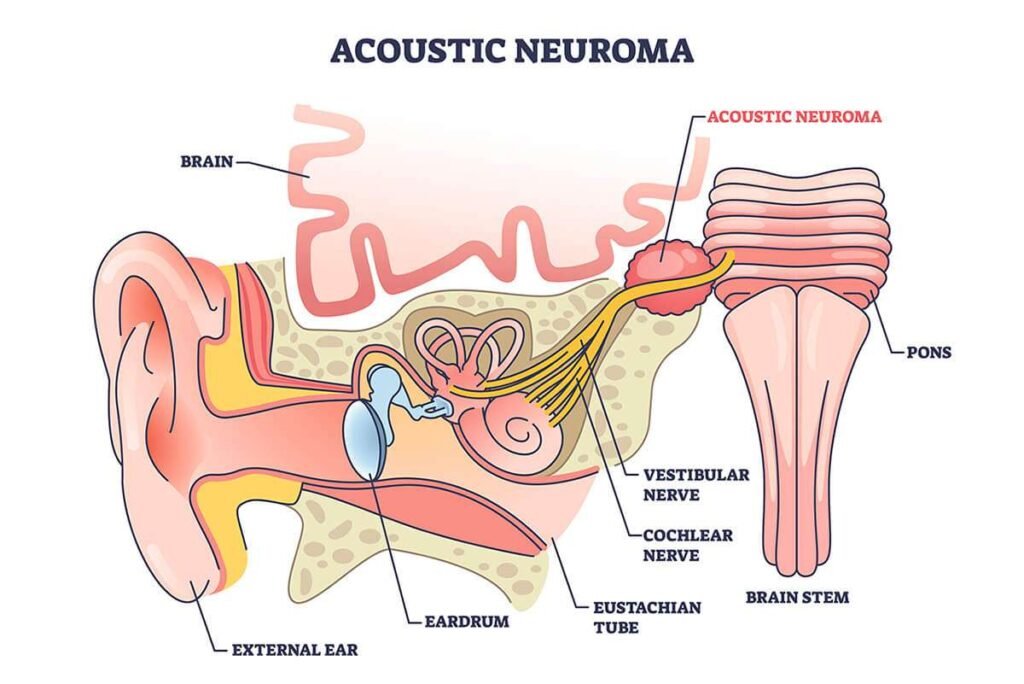
Acoustic Neuroma, also known as vestibular schwannoma, is a non-cancerous tumor that develops on the eighth cranial nerve, which is responsible for transmitting sound and maintaining balance. This nerve, called the vestibulocochlear nerve, connects the ear to the brain, and when affected by a tumor, it can lead to a range of symptoms and challenges. Understanding this condition is essential for individuals living with acoustic neuroma, as it can help them navigate their treatment options and cope with the emotional and physical impacts of the diagnosis.
What is Acoustic Neuroma?
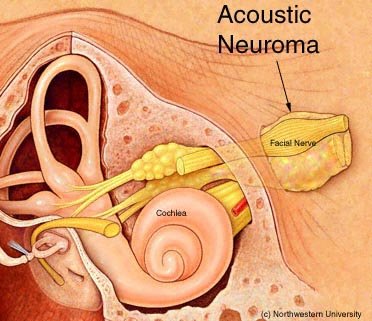
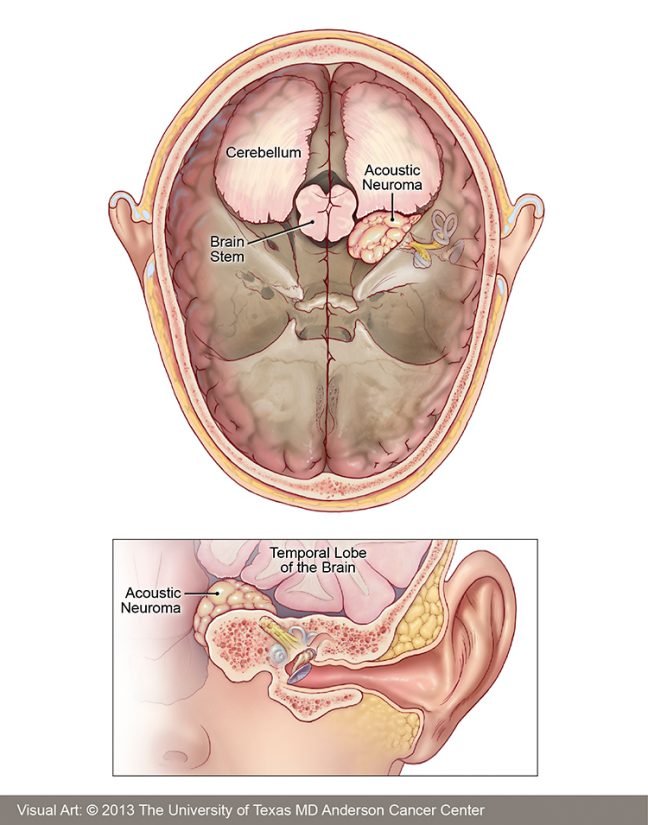
Acoustic Neuroma is a type of tumor that grows on the vestibulocochlear nerve, which is situated deep within the skull and runs from the inner ear to the brainstem. These tumors are typically slow-growing and usually develop from the Schwann cells that cover the nerve. While acoustic neuromas are usually non-cancerous, their presence can still cause significant disruptions to a person’s life due to the nerve’s crucial functions in hearing and balance.
Causes of Acoustic Neuroma
The exact cause of acoustic neuroma remains unknown, but some research suggests that a genetic predisposition may play a role in the development of these tumors. In certain cases, individuals with a syndrome called neurofibromatosis type 2 (NF2) have a higher risk of developing acoustic neuromas. NF2 is a genetic disorder characterized by the growth of multiple benign tumors in the nervous system. However, the majority of acoustic neuromas occur sporadically, without any associated genetic predisposition or known cause.
Signs and Symptoms of Acoustic Neuroma
The signs and symptoms of acoustic neuroma can vary depending on the size and location of the tumor. Common symptoms include hearing loss, tinnitus (ringing in the ears), dizziness, and balance problems. In the early stages, these symptoms may be subtle and easily attributed to other factors, such as aging or exposure to loud noise. However, as the tumor grows, the symptoms may worsen and become more noticeable. Other less common symptoms include facial numbness or tingling, headaches, and problems with coordination.
Diagnosis and Treatment Options
Receiving an accurate diagnosis for acoustic neuroma is crucial in determining the appropriate treatment options and managing the condition effectively. There are several approaches to diagnosing acoustic neuroma, which may include a medical history and physical examination, imaging tests, and consultation with specialists.
Medical History and Physical Examination
When evaluating a potential case of acoustic neuroma, healthcare providers will typically begin by discussing the patient’s medical history and assessing their symptoms. This process allows healthcare professionals to gather necessary information that can guide the next steps in the diagnostic process. Additionally, a physical examination may be conducted to assess the patient’s hearing, balance, and coordination.
Imaging Tests for Diagnosis
Imaging tests play a critical role in diagnosing acoustic neuroma. Magnetic resonance imaging (MRI) is the most common imaging technique used to visualize the tumor and determine its size and location. An MRI can provide detailed images of the brain and help confirm or rule out the presence of an acoustic neuroma. This non-invasive procedure is painless and typically takes less than an hour to complete, making it an effective tool for diagnosing the condition.
Treatment Options for Acoustic Neuroma
The appropriate treatment for acoustic neuroma depends on various factors such as the size and location of the tumor, the patient’s age, overall health, and individual preferences. The three primary treatment approaches for acoustic neuroma are observation, surgery, and radiation therapy.
Observation (Watchful Waiting)
In cases where the tumor is small and not causing significant symptoms, a healthcare provider may recommend observation, also known as watchful waiting. This approach involves regular monitoring of the tumor’s growth through imaging tests while managing symptoms through appropriate medication or lifestyle adjustments. Observation may be suitable for older individuals or those with other health concerns that make surgery or radiation therapy riskier.
Surgery
Surgical removal of an acoustic neuroma, known as tumor resection or excision, is a common treatment option for larger tumors or those causing severe symptoms. The choice of surgical procedure depends on the tumor’s size, location, and the patient’s overall health. The goal of surgery is to completely remove the tumor while preserving the facial nerve and hearing whenever possible. Surgeons may use various techniques, such as retrosigmoid, translabyrinthine, or middle fossa approach, to access and remove the tumor.
Radiation Therapy
Radiation therapy, such as stereotactic radiosurgery or fractionated radiation, may be recommended for small- to medium-sized tumors or for individuals who are not suitable candidates for surgery. This treatment approach uses targeted beams of radiation to shrink or control tumor growth. It is a non-invasive procedure that delivers precise doses of radiation to the tumor while minimizing damage to surrounding healthy tissue. Radiation therapy is typically carried out in multiple sessions and may take several months before the full effects are realized.
Coping with Acoustic Neuroma
Coping with acoustic neuroma involves addressing both the physical and emotional impacts of the diagnosis. The uncertainty, fear, and lifestyle changes that come with this condition can be challenging, but with the right strategies and support, individuals can adapt and thrive.
Emotional Impact of Acoustic Neuroma Diagnosis
Receiving a diagnosis of acoustic neuroma can be emotionally overwhelming. It is common to experience a range of emotions, including anxiety, fear, sadness, or anger. Talking about these feelings with loved ones or a mental health professional can provide support and help navigate the emotional impact of the diagnosis. Additionally, joining support groups or online communities of individuals with acoustic neuroma can provide a sense of belonging and acceptance, reducing feelings of isolation.
Building a Support Network
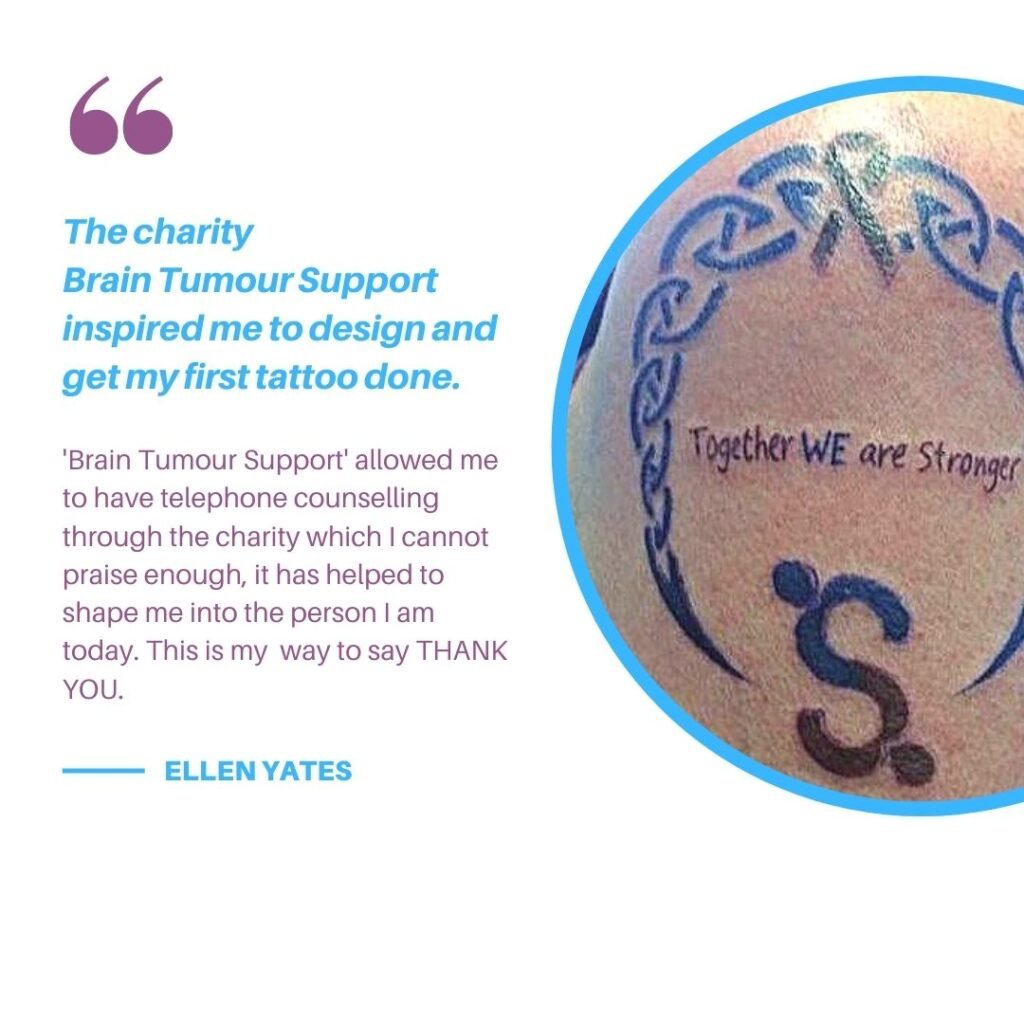
Having a strong support network is essential for individuals living with acoustic neuroma. Family, friends, and loved ones can offer emotional support, provide practical assistance, and be there for you during doctor’s appointments or treatment sessions. Additionally, connecting with others who have gone through similar experiences can be invaluable. Consider reaching out to support groups, both in-person and online, to connect with individuals who understand the challenges of living with acoustic neuroma.
Managing Stress and Anxiety
Living with acoustic neuroma can bring about stressful situations and heightened anxiety. Learning and practicing stress management techniques can help individuals cope with these challenges. Engaging in relaxation exercises such as deep breathing, meditation, or mindfulness can promote a sense of calm. Regular exercise, getting enough sleep, and maintaining a healthy lifestyle can also contribute to overall well-being and help manage stress levels.
Communication Strategies
Acoustic neuroma can affect hearing and communication abilities, presenting new challenges in daily interactions. However, with the right strategies and assistive devices, individuals can overcome these barriers and maintain effective communication.
Dealing with Hearing Loss
Hearing loss is a common symptom of acoustic neuroma. To cope with this challenge, individuals can explore various options, including hearing aids or cochlear implants. These devices amplify sound and improve hearing, allowing individuals to engage in conversations and participate in social activities. Consultation with an audiologist can help determine the most suitable hearing aid or device based on individual needs.
Using Assistive Devices and Technology
Assistive devices and technology can significantly enhance communication for individuals with acoustic neuroma. Devices such as personal amplifiers, captioned telephones, or closed-captioning services for television programs can make it easier to understand spoken words. Additionally, smartphone applications or computer programs with speech-to-text or voice-to-text functionality can aid in written communication, ensuring that individuals can actively participate in conversations without barriers.
Communication Tips for Daily Interactions
When engaging in daily interactions, individuals with acoustic neuroma can employ communication strategies to facilitate effective conversation. These may include facing the person you are speaking with to allow them to lip-read, speaking clearly and at a moderate pace, and using visual aids or cues, such as gestures or written notes if needed. It is also essential to inform others about your hearing loss and any specific accommodations or assistance you may require to ensure smooth communication.
Balance and Coordination Exercises
The vestibulocochlear nerve, which is affected by acoustic neuroma, plays a vital role in maintaining balance and coordination. Individuals with this condition can benefit from incorporating exercises that target these areas into their daily routine.
Importance of Balance and Coordination
Maintaining good balance and coordination is crucial for individuals with acoustic neuroma as it helps prevent falls and promotes overall physical well-being. Exercises that focus on balance and coordination can improve strength, stability, and spatial awareness. By practicing these exercises regularly, individuals can enhance their confidence in performing everyday activities and reduce the risk of injury.
Exercises to Improve Balance
Several exercises can help improve balance and coordination for individuals living with acoustic neuroma. These may include standing on one leg, heel-to-toe walking, Tai Chi, or yoga poses that challenge stability. Working with a physical therapist or a qualified exercise professional can provide guidance and ensure that the exercises are safe and effective.
Incorporating Exercise into Daily Routine
Finding ways to incorporate exercises into daily routines can make it easier for individuals with acoustic neuroma to prioritize their physical health. Simple activities such as taking short walks, using stairs instead of elevators, or doing household chores that require balance and coordination can provide opportunities for regular physical activity. By making exercise a habit, individuals can experience the benefits of improved balance and coordination in their daily lives.
Adapting to Changes in Sensation
Acoustic neuroma can cause changes in sensation, such as facial numbness, tingling, or vertigo. These changes can be disruptive but with appropriate management strategies, one can adapt and minimize their impact on daily life.
Managing Facial Numbness or Tingling
If you experience facial numbness or tingling as a result of acoustic neuroma, there are several techniques you can try to manage these sensations. Applying a warm compress to the affected area may help soothe discomfort. A gentle massage or facial exercises can also promote blood flow and alleviate symptoms. It is important to consult with a healthcare professional to determine the best approach for managing facial numbness or tingling specific to your condition.
Tinnitus Management Techniques
Tinnitus, the perception of ringing or buzzing in the ears, is a common symptom of acoustic neuroma. While there is no cure for tinnitus, several techniques can help manage and minimize its impact. These techniques may include using sound therapy, such as white noise machines or listening to calming music, practicing relaxation exercises, or avoiding exposure to loud noises. Certain individuals find tinnitus maskers or hearing aids with built-in sound generators beneficial in providing relief from the perceived ringing or buzzing.
Strategies for Coping with Vertigo
Vertigo, a sensation of spinning or dizziness, can be a challenging symptom of acoustic neuroma. Implementing strategies to cope with vertigo can help individuals maintain their balance and feel more in control. Avoiding sudden head movements, using assistive devices such as canes or walkers for stability, and practicing relaxation techniques during vertigo episodes can provide relief and reduce the impact of vertigo on daily life. Consultation with a healthcare professional, such as a vestibular therapist, can provide specific exercises or techniques tailored to manage vertigo symptoms.
Making Lifestyle Adjustments
Living with acoustic neuroma may require making various adjustments to daily life, both at home and in the workplace. By modifying environments and accessing the necessary assistance, individuals can create a supportive and inclusive environment.
Modifying Home and Work Environments
Modifying home and work environments can help individuals with acoustic neuroma navigate their surroundings more comfortably. This may include improving lighting conditions, reducing background noise, using non-slip mats or handrails for stability, and arranging furniture to minimize tripping hazards. At work, individuals can discuss accommodations with their employer, such as adjusting workstations, providing assistive listening devices, or allowing flexible schedules to manage medical appointments or fatigue.
Assistance and Accommodations
Depending on the severity of symptoms and individual needs, acquiring assistance and accommodations can greatly improve daily functioning for individuals with acoustic neuroma. Home care services, such as support with household tasks or personal care, may be beneficial for those experiencing significant physical limitations. Applying for disability benefits or exploring programs that offer financial assistance or vocational rehabilitation can provide additional support in managing the impact of acoustic neuroma.
Tips for Traveling with Acoustic Neuroma
While traveling with acoustic neuroma may require some extra planning and considerations, it is still possible to enjoy trips and explore new destinations. Before traveling, it is essential to consult with a healthcare professional to ensure it is safe to do so, considering individual health and specific travel activities. Packing necessary assistive devices such as hearing aids, medication, and pertinent medical documentation can help ensure a smooth travel experience. Researching accessible accommodations, transportation options, and local healthcare services can also provide peace of mind during travel.
Financial and Legal Considerations
Managing the financial and legal aspects of living with acoustic neuroma is an important part of overall well-being. Understanding insurance coverage, workplace accommodations, and legal rights can help individuals navigate these complex areas.
Insurance Coverage and Claim Assistance
Understanding health insurance coverage is essential for individuals with acoustic neuroma, as it may dictate access to necessary treatment and support services. Familiarizing oneself with insurance policies, including coverage for diagnostic tests, surgery, radiation therapy, and rehabilitation, can help minimize unexpected costs. Additionally, seeking assistance from insurance professionals or healthcare advocates can provide guidance in understanding coverage details, filing claims, and accessing appropriate resources.
Workplace Accommodations and Disability Benefits
If an individual’s ability to work is impacted by acoustic neuroma, exploring workplace accommodations and disability benefits is crucial. The Americans with Disabilities Act (ADA) protects individuals from discrimination based on their disabilities and mandates reasonable accommodations in the workplace. Open and honest communication with employers, human resources, or disability resource centers can help identify potential accommodations such as modified work schedules, assistive devices, or adjustments to workstations. Additionally, exploring disability benefits through the Social Security Administration (SSA) can provide supplemental income for individuals unable to work due to acoustic neuroma.
Legal Resources and Rights
Understanding legal resources and rights available to individuals with acoustic neuroma can ensure fair treatment and access to necessary support. Familiarizing oneself with laws and regulations related to disability rights, healthcare privacy, and workplace accommodations can help navigate complex legal landscapes. Organizations such as the Disability Rights Education & Defense Fund (DREDF) and the Office for Civil Rights (OCR) can provide valuable information, advocacy, and support in upholding legal rights related to acoustic neuroma.
Follow-Up Care and Monitoring
After initial diagnosis and treatment, individuals with acoustic neuroma require ongoing follow-up care and monitoring to ensure optimal health and manage potential tumor growth.
Importance of Regular Check-Ups
Regular check-ups are crucial for individuals with acoustic neuroma to monitor the tumor’s growth and assess any changes in symptoms or hearing. These appointments provide an opportunity for healthcare providers to evaluate the effectiveness of treatment and make adjustments as needed. Routine check-ups also allow individuals to address any new concerns or ask questions regarding their condition, ensuring continuity of care and proactive management.
Monitoring Potential Tumor Growth
After treatment or in cases where observation is the chosen approach, regular monitoring of the tumor’s growth is necessary. This monitoring is typically done through periodic imaging tests, such as MRI scans. By closely monitoring the tumor’s growth, healthcare providers can assess its progression and make informed decisions regarding potential further treatment or intervention.
Auditory Rehabilitation and Therapy
Depending on the extent of hearing loss and the impact on daily functioning, auditory rehabilitation, and therapy may be beneficial for individuals with acoustic neuroma. These programs focus on optimizing communication skills and maximizing hearing abilities through a combination of techniques, including speechreading, auditory training, and the use of assistive devices. Auditory rehabilitation is tailored to individual needs and may involve working with audiologists or speech-language pathologists to develop a personalized plan.
Exploring Complementary Therapies
Complementary therapies can complement medical treatments and support the overall well-being of individuals living with acoustic neuroma. These therapies, when used alongside conventional therapies, may enhance relaxation, reduce stress, and promote feelings of well-being.
Acupuncture and Acupressure
Acupuncture and acupressure are holistic practices derived from traditional Chinese medicine. These therapies involve stimulating specific points in the body to restore balance and improve overall health. Some individuals find that acupuncture or acupressure sessions can provide pain relief, reduce stress, and improve overall well-being. However, it is important to consult with a trained practitioner who has experience working with individuals with acoustic neuroma before pursuing these therapies.
Massage Therapy and Relaxation Techniques
Massage therapy and relaxation techniques are widely recognized for their potential to reduce stress, promote relaxation, and provide pain relief. Techniques such as Swedish massage, deep tissue massage, or aromatherapy may be beneficial in alleviating muscle tension, improving circulation, and promoting a sense of calm. Engaging in relaxation techniques such as progressive muscle relaxation, guided imagery, or deep breathing exercises can complement massage therapy and further enhance relaxation and stress reduction.
Yoga and Mindfulness Practices
Yoga and mindfulness practices focus on connecting the mind, body, and breath to promote relaxation, enhance flexibility, and improve overall well-being. Certain yoga poses, when performed mindfully, can help relieve tension, improve posture, and increase body awareness. Incorporating mindfulness meditation into daily routines can also help manage stress and promote mental clarity. It is important to consult with a qualified yoga instructor or mindfulness practitioner, ensuring that any modifications or adaptations are made based on individual needs and limitations.
Living with acoustic neuroma presents various challenges that require understanding, support, and adaptive strategies. By gaining knowledge about the condition, seeking appropriate diagnosis and treatment, and accessing emotional and practical support, individuals can effectively cope with the impact of acoustic neuroma on their lives. It is crucial to remember that everyone’s journey with this condition is unique, and finding the right combination of coping strategies and support is key to enhancing overall well-being and quality of life.
Watch This Video Below
Related Terms About Living with Acoustic Neuroma: Coping Strategies and Support
Acoustic Neuroma Life Threatening Symptoms, All Symptoms Of Acoustic Neuroma, Can You Live With Acoustic Neuroma, How Long Can You Live With An Acoustic Neuroma, Living With Acoustic Neuroma, Living With An Acoustic Neuroma, What Is The Survival Rate For Acoustic Neuroma