
If you’re tired of constantly dealing with sneezing, itchy eyes, and a runny nose, then you’ll be interested in learning about preventing allergic rhinitis. Allergic rhinitis, commonly known as hay fever, can make your days miserable and affect your overall quality of life. But fear not! There are simple steps you can take to minimize your exposure to allergens and keep those symptoms at bay. From creating an allergen-free home environment to understanding your triggers, this article will provide you with practical tips and advice to help you prevent allergic rhinitis and finally breathe freely again.

What is Allergic Rhinitis?
Allergic rhinitis refers to the inflammation of the nasal passages caused by an allergic reaction to certain substances in the environment. It is a common condition that affects millions of people worldwide. When you have allergic rhinitis, your immune system overreacts to harmless substances, such as pollen, dust mites, or pet dander, triggering symptoms like sneezing, itching, and a runny or stuffy nose.
Definition
Allergic rhinitis, also known as hay fever, is a type of allergic inflammation that primarily affects the nasal passages. It occurs when your immune system mistakenly identifies an otherwise harmless substance, known as an allergen, as a threat. This allergen can be anything from pollen and dust mites to pet dander and mold spores. When you come into contact with the allergen, your immune system releases chemicals, such as histamine, that cause inflammation in the nasal passages, leading to the characteristic symptoms of allergic rhinitis.
Causes
The exact cause of allergic rhinitis is not fully understood, but it is believed to involve a combination of genetic and environmental factors. If you have a family history of allergies, you are more likely to develop allergic rhinitis. Environmental factors, such as exposure to allergens like pollen or dust mites, can also play a role in triggering allergic reactions. Other factors that may contribute to the development of allergic rhinitis include air pollution, tobacco smoke, and certain respiratory infections.
Symptoms
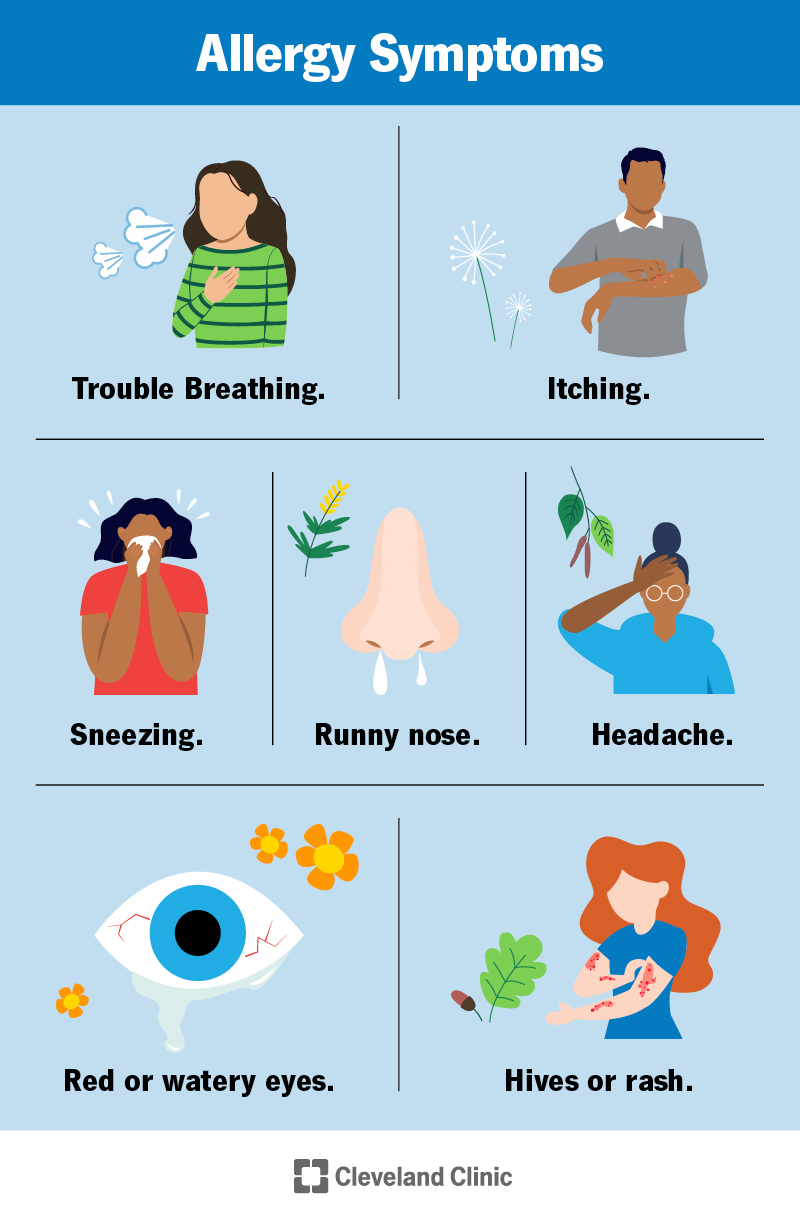
The symptoms of allergic rhinitis can vary from person to person, but they typically include:
- Sneezing
- Runny or stuffy nose
- Itching in the nose, throat, or eyes
- Watery or red eyes
- Coughing
- Fatigue
- Headache
- Decreased sense of taste or smell
These symptoms can range from mild to severe and can significantly affect your quality of life. They may be more pronounced during specific times of the year if you have seasonal allergic rhinitis, or they may persist year-round if you have perennial allergic rhinitis.
Types of Allergic Rhinitis
There are two main types of allergic rhinitis: seasonal and perennial.
Seasonal Allergic Rhinitis
Seasonal allergic rhinitis, also known as hay fever, occurs during certain times of the year when particular allergens, such as pollen from trees, grasses, or weeds, are in the air. In most cases, the symptoms of seasonal allergic rhinitis are at their peak during spring and fall, when the pollen count is high. If you experience symptoms like sneezing, itching, and a runny nose during specific seasons, it is likely that you have seasonal allergic rhinitis.
Perennial Allergic Rhinitis
Perennial allergic rhinitis differs from seasonal allergic rhinitis in that it can occur year-round. It is usually caused by allergens that are present indoors, such as dust mites, pet dander, or mold spores. If you experience allergic rhinitis symptoms throughout the year, regardless of the season, you may have perennial allergic rhinitis. Identifying the specific allergens that trigger your symptoms can help in managing this type of allergic rhinitis effectively.

Common Allergens
Several common allergens can trigger allergic rhinitis symptoms. Understanding these allergens and taking steps to reduce your exposure to them can help alleviate the severity of your symptoms.
Pollen
Pollen is one of the most common allergens that cause seasonal allergic rhinitis. It is microscopic and produced by trees, grasses, and weeds as part of their reproductive process. When you inhale pollen particles, your immune system may initiate an allergic response, leading to symptoms such as sneezing, itching, and a runny or stuffy nose. Pollen can be transported by wind or attached to insects.
Dust mites
Dust mites are tiny insects that live in household dust, particularly in bedding, mattresses, and upholstered furniture. These microscopic creatures feed on dead skin flakes and thrive in warm, humid environments. The allergens they produce, such as their waste products and body parts, can trigger allergic reactions in sensitive individuals. Common symptoms of dust mite allergy include sneezing, itching, and a stuffy or runny nose.
Pet dander
Pet dander refers to the tiny, often invisible, flecks of skin shed by animals like cats, dogs, birds, and rodents. It is a common allergen that can cause allergic rhinitis symptoms in susceptible individuals. When you come into contact with pet dander, either by touching animals directly or through their fur and saliva, your immune system may overreact, leading to symptoms such as sneezing, itching, and nasal congestion.
Diagnosing Allergic Rhinitis
If you suspect that you have allergic rhinitis, it is essential to seek a proper diagnosis from a healthcare professional. Accurate diagnosis can help identify the specific allergens triggering your symptoms and guide effective management strategies. The diagnosis of allergic rhinitis typically involves a combination of medical history assessment, physical examination, and allergy testing.
Medical History
During the medical history assessment, your healthcare provider will ask you questions about your symptoms, their duration and frequency, and factors that seem to worsen or alleviate them. They will also inquire about your exposure to potential allergens, including pollen, dust mites, and pet dander. Providing detailed information about your symptoms and environmental triggers can help your healthcare provider determine the likelihood of allergic rhinitis.
Physical Examination
A physical examination may be conducted to evaluate the condition of your nasal passages and identify any signs of inflammation or congestion. Your healthcare provider may use a nasal speculum or flashlight to examine the inside of your nose and check for redness, swelling, or the presence of nasal polyps. They may also examine your eyes, throat, and skin for any signs of allergic reactions.
Allergy Testing
Allergy testing may be recommended to identify the specific allergens that trigger your allergic rhinitis symptoms. The two main types of allergy testing are skin tests and blood tests.
Skin tests involve applying small amounts of allergen extracts to your skin and then gently pricking or scratching the skin’s surface. If you are allergic to a particular allergen, you may develop a small red bump or hive at the test site within 15-20 minutes. This reaction indicates an allergic response to the tested allergen.
Blood tests, such as the specific Immunoglobulin E (IgE) blood test, measure the levels of IgE antibodies in your blood. These antibodies are produced by your immune system in response to specific allergens. Elevated levels of IgE antibodies specific to allergens can help confirm the presence of an allergy.

Prevention Techniques
While curing allergic rhinitis completely may not be possible, several preventive measures can help reduce the frequency and severity of your symptoms. By avoiding allergens and creating a healthy indoor environment, you can minimize your exposure to triggers that aggravate your allergic rhinitis.
Avoiding Triggers
Identifying the specific allergens that trigger your symptoms is crucial in developing an effective prevention plan. Once you know your triggers, you can take steps to avoid or minimize exposure to them. For example, if pollen is your primary trigger, try to stay indoors on days when the pollen count is high and keep windows closed. If dust mites are a problem, consider using dust mite-proof mattress and pillow covers and regularly washing bedding in hot water.
Maintaining Indoor Air Quality
Improving indoor air quality can significantly reduce allergens in your living environment. Regularly vacuuming floors and furniture, using air purifiers or filters, and keeping humidity levels between 30-50% can help reduce dust mites, pet dander, and airborne particles that may trigger allergic reactions. Additionally, avoiding smoking and keeping pets out of bedrooms can further improve indoor air quality.
Keeping Windows Closed
During pollen seasons, keeping windows closed can help minimize the entry of pollen into your home. Consider using air conditioning or fans to circulate air instead. If you need to open windows, do so in the early morning or late evening when pollen levels are typically lower.
Washing Bedding Regularly
Washing bedding, including sheets, pillowcases, and blankets, regularly in hot water can help eliminate dust mites and their allergens. Aim to wash bedding at least once a week to maintain cleanliness and reduce exposure to potential triggers.
Managing Allergic Rhinitis
In addition to prevention techniques, several treatment options are available to help manage allergic rhinitis and alleviate its symptoms. Treatment plans may vary depending on the severity of your symptoms, the specific allergens involved, and your individual response to different treatments.
Medications
Various medications can be used to control the symptoms of allergic rhinitis. Over-the-counter options include antihistamines, which help block the effects of histamine released during an allergic reaction. Nasal corticosteroids can also be beneficial in reducing inflammation in the nasal passages. Decongestants are another common option, providing temporary relief from nasal congestion.
In some cases, prescription medications or allergy shots (immunotherapy) may be required for more severe or persistent symptoms. Your healthcare provider can recommend the most suitable medications based on your specific needs.
Immunotherapy
Allergy shots, or immunotherapy, are a long-term treatment option that aims to desensitize your immune system to specific allergens. This treatment involves receiving injections of small amounts of allergens over time, gradually increasing the dosage. The goal is to build tolerance to the allergens and reduce your sensitivity, ultimately leading to diminished allergic rhinitis symptoms. Immunotherapy is typically recommended for individuals with severe allergic rhinitis or those who do not respond well to other treatments.
Nasal Irrigation
Nasal irrigation, also known as nasal rinsing or nasal lavage, involves flushing out your nasal passages with a saline solution. This method can help remove allergens, mucus, and irritants from your nose, providing temporary relief from congestion and other allergic rhinitis symptoms. Nasal irrigation can be performed using a neti pot, squeeze bottle, or nasal irrigation device. It is essential to use sterile water or the proper saline solution to minimize the risk of infections.

Dietary Measures
While specific foods do not directly cause allergic rhinitis, certain dietary measures can help alleviate inflammation and support your immune system in managing allergic reactions.
Avoiding Food Allergens
If you have known food allergies that can trigger allergic reactions, it is crucial to avoid consuming those specific allergens. Common food allergens include peanuts, tree nuts, dairy products, eggs, shellfish, and wheat. Pay attention to food labels, inform restaurant staff of your allergies, and consider carrying an epinephrine auto-injector if necessary.
Consuming Anti-inflammatory Foods
Incorporating anti-inflammatory foods into your diet can help reduce overall inflammation in your body, potentially alleviating allergy symptoms. Examples of anti-inflammatory foods include fruits, vegetables, fatty fish rich in omega-3 fatty acids (like salmon and sardines), nuts, seeds, and whole grains. These foods are nutrient-dense and can support your immune system’s ability to respond to allergic triggers.
Natural Remedies
In addition to medical treatments and preventive measures, several natural remedies may help alleviate allergic rhinitis symptoms. While these remedies may not be as scientifically proven or effective as conventional treatments, some individuals find them helpful.
Quercetin Supplements
Quercetin is a bioflavonoid found in several fruits, vegetables, and herbs. It possesses anti-inflammatory and antihistamine properties, and some studies suggest that it may help reduce allergy symptoms. Quercetin supplements are available in capsule or tablet form and can be taken orally. However, it is essential to consult with a healthcare professional before starting any dietary supplements.
Herbal Tea
Certain herbal teas, such as chamomile, peppermint, and stinging nettle, are believed to have soothing and anti-inflammatory effects on the nasal passages. Drinking these teas can help alleviate congestion and promote overall respiratory health. Be sure to use organic teas and consult with a healthcare professional if you have any allergies or medical conditions.
Vitamin C
Vitamin C is an antioxidant that has immune-boosting properties. Some studies suggest that vitamin C may help reduce allergy symptoms by stabilizing mast cells and reducing histamine release. Incorporating foods rich in vitamin C, such as citrus fruits, berries, kiwi, and bell peppers, into your diet may have a positive impact on your allergic rhinitis symptoms.
Steam Inhalation
Steam inhalation can help soothe nasal congestion and relieve allergy symptoms temporarily. Boil water, remove it from the heat, and inhale the steam by carefully leaning over the pot, using a towel to cover your head and trapping the steam. Be cautious not to burn yourself with the hot water or steam.
Lifestyle Changes
Making certain lifestyle changes can also support your efforts in managing allergic rhinitis.
Regular Exercise
Engaging in regular physical exercise can help boost your immune system, improve respiratory function, and reduce inflammation. Choose exercises that suit your fitness level and preferences, such as walking, cycling, hiking, or swimming. However, be mindful of exercising outdoors during peak pollen seasons, as this may exacerbate your allergic rhinitis symptoms. Consider indoor exercise options or check the pollen count before planning outdoor workouts.
Reducing Stress
Chronic stress can weaken your immune system and exacerbate allergic reactions. Implementing stress-reducing techniques, such as practicing mindfulness or meditation, engaging in hobbies, or spending time in nature, can help manage stress levels and, potentially, reduce the severity of allergic rhinitis symptoms.
Proper Hygiene
Practicing proper hygiene can minimize exposure to allergens and reduce the risk of allergic reactions. Avoid touching your face with unwashed hands, especially after coming into contact with potential allergens. Regularly wash your hands with soap and water or use hand sanitizers when necessary. Additionally, keep your living space clean and dust-free to minimize dust mite allergens.
When to Seek Medical Help
In most cases, allergic rhinitis can be managed effectively with preventive measures and over-the-counter medications. However, there are situations where it is essential to seek medical help.
Severe Symptoms
If your allergic rhinitis symptoms are severe and significantly impact your daily life, it is crucial to consult with a healthcare professional. Severe symptoms may include severe nasal congestion or obstruction, difficulty breathing, recurrent sinus infections, or persistent headaches. Your healthcare provider can help determine the underlying cause of your symptoms and recommend appropriate treatment options.
Lack of Response to Treatment
If you have been diligently following preventive measures and using medications, but your allergic rhinitis symptoms persist or worsen, it is advisable to seek medical help. Your healthcare provider can review your treatment plan, reassess your allergies, and suggest alternative treatment options or adjustments to your current regimen.
In summary, allergic rhinitis is a common condition that can significantly impact your quality of life. By understanding the causes, symptoms, and types of allergic rhinitis, you can take proactive steps to prevent and manage your symptoms effectively. Through preventive measures, medical treatments, dietary adjustments, natural remedies, and lifestyle changes, you can improve your overall well-being and minimize the impact of allergic rhinitis on your daily life. If your symptoms are severe or unresponsive to treatment, it is essential to seek medical help to receive appropriate care and guidance.