
Anthrax, a deadly infectious disease caused by Bacillus anthracis, poses a significant threat to both humans and animals. In order to protect yourself and your loved ones from this potential danger, it is crucial to understand the importance of vaccination. Vaccination plays a vital role in preventing anthrax by stimulating the immune system to produce antibodies that can effectively neutralize the bacteria. By receiving the anthrax vaccine, you can fortify your body’s defenses and ensure a higher level of protection against this life-threatening disease. Don’t underestimate the significance of vaccination in the battle against anthrax; it could mean the difference between life and death.
Understanding Anthrax
Anthrax is an infectious disease caused by the Bacillus anthracis bacterium. This bacterium produces spores that can survive in the environment for long periods of time. These spores can infect animals and humans, causing severe illness. Anthrax primarily affects herbivorous animals such as cattle, sheep, and goats, but can also be transmitted to humans through contact with contaminated animals or animal products.
Bacillus anthracis bacterium
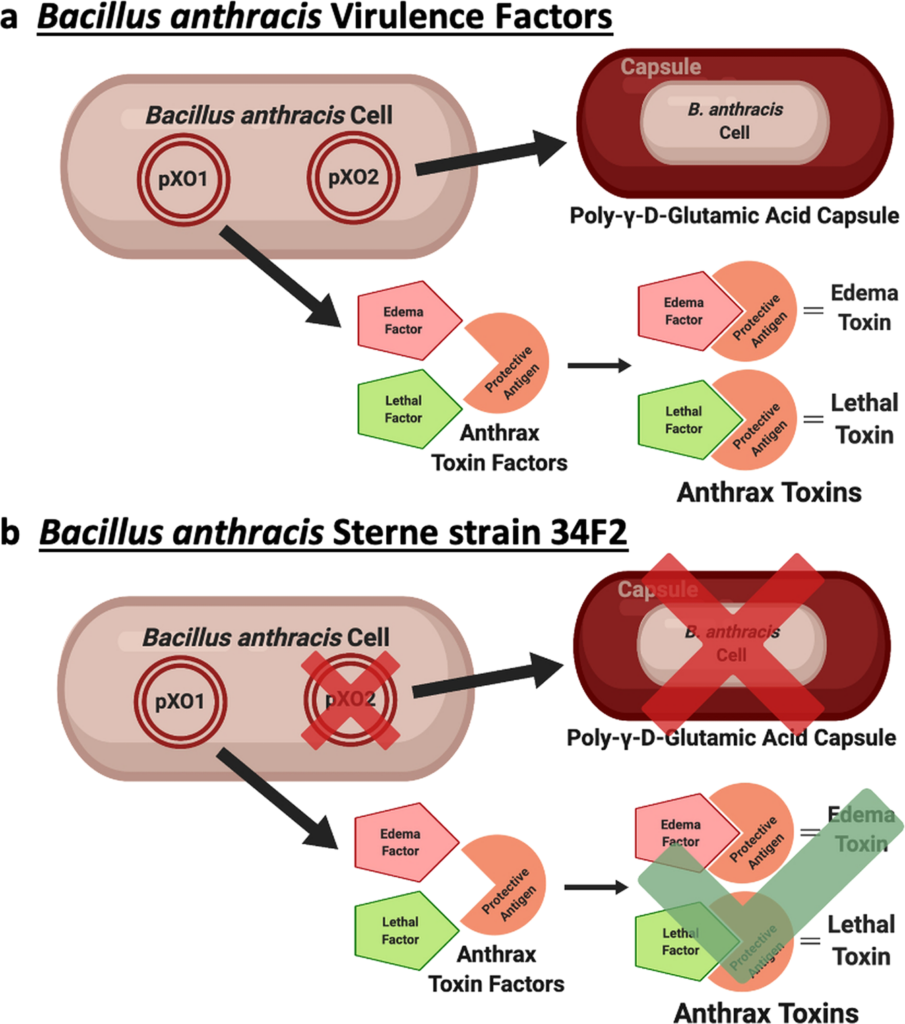
Bacillus anthracis is a gram-positive, rod-shaped bacterium that is responsible for causing anthrax. The bacterium produces toxins that are harmful to both animals and humans. It forms spores, which are the dormant, resistant form of the bacterium. These spores can survive in the environment, such as soil or animal products, for long periods of time.
Transmission methods
Anthrax can be transmitted to humans through different methods. The most common form of transmission is through direct contact with infected animals or their products, such as hides, wool, or meat. Ingestion of undercooked or contaminated meat from infected animals can also lead to transmission. In addition, inhalation of anthrax spores is another route of transmission, although this is less common. Finally, there have been rare cases of anthrax transmission through injection of contaminated drugs.
Severity of the disease
The severity of anthrax infection can vary depending on the route of transmission. Cutaneous anthrax, which occurs when the spores enter through a cut or abrasion in the skin, is the most common form and has the lowest fatality rate. Gastrointestinal anthrax, which happens when the spores are ingested, can cause severe illness and has a higher fatality rate. Inhalation anthrax, resulting from the inhalation of spores, is the most serious form with a high fatality rate if not promptly treated.
History of Anthrax Vaccines
Early developments in anthrax vaccines date back to the late 19th century when Louis Pasteur successfully developed a vaccine using a live attenuated strain of Bacillus anthracis. This vaccine, known as the Pasteur vaccine, was administered to farm animals to protect them from anthrax. Over time, improvements were made to the vaccine to enhance its effectiveness and reduce side effects.
Improvement and efficacy
The development of anthrax vaccines has come a long way in terms of improvement and efficacy. In the 1950s, a new inactivated vaccine was developed, which was found to be safe and effective for use in humans. This vaccine has been widely used in high-risk populations such as military personnel and laboratory workers. In recent years, subunit and recombinant vaccines have been developed, which offer improved safety profiles and targeted immune responses.
Types of Anthrax Vaccines
There are several types of anthrax vaccines available, each with its own method of preparation and administration. Live attenuated vaccines contain a weakened form of the bacterium, which can still trigger an immune response without causing disease. Inactivated vaccines are made from killed bacteria, while subunit vaccines only contain specific antigens from the bacterium. Recombinant vaccines are created by genetically engineering the bacterium to produce specific proteins that can stimulate an immune response.
Vaccine Development and Evaluation
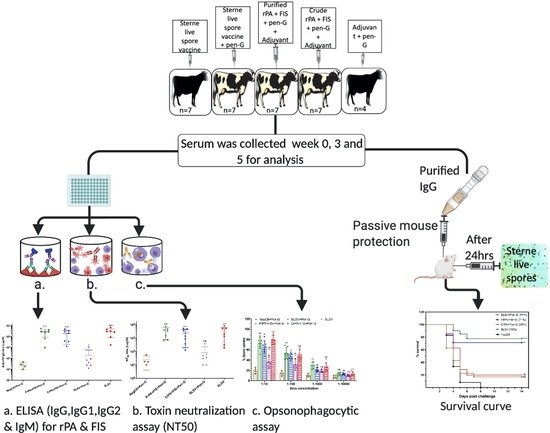
The development and evaluation of anthrax vaccines involves extensive research and testing. Scientists conduct preclinical studies to assess the safety and efficacy of potential vaccines in animal models. Promising candidates then proceed to clinical trials, which are conducted in different phases to evaluate their safety, immune response, and effectiveness in humans. Regulatory authorities, such as the FDA in the United States, review the data from these trials to determine whether to grant approval for vaccine use.
Safety and effectiveness assessment
Assessing the safety and effectiveness of anthrax vaccines is crucial to ensuring their widespread use. Safety is evaluated by monitoring adverse events during clinical trials and post-licensure surveillance. Effectiveness is measured by assessing the immune response generated by the vaccine and its ability to prevent infection or reduce the severity of the disease. Studies also evaluate the duration of protection provided by the vaccine and the need for booster doses.
Regulatory approvals
Before anthrax vaccines can be used in vaccination programs, they must undergo rigorous regulatory review and obtain approvals. Regulatory authorities review the data from clinical trials and other scientific evidence to evaluate the safety, efficacy, and quality of the vaccines. Once approved, the vaccines can be licensed for commercial use and recommended for specific populations, such as high-risk individuals or those in regions with a higher prevalence of anthrax.
Importance of Vaccination in Agriculture
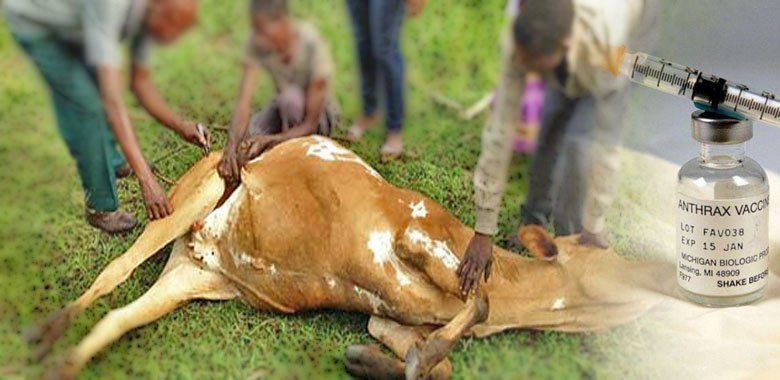
Anthrax vaccination plays a critical role in protecting the health and well-being of livestock and animal handlers in the agricultural industry. By vaccinating animals, farmers can prevent outbreaks of anthrax, which can cause significant economic losses. Vaccinated animals are less likely to become infected, reducing the need for costly treatment and preventing the spread of the disease to other animals. This has a positive impact on the overall productivity and sustainability of the agricultural sector.
Protecting livestock and animal handlers
Vaccinating livestock, such as cattle, sheep, and goats, helps to create a barrier of protection against anthrax. This not only safeguards the animals’ health but also protects those who work closely with them, such as farmers, veterinarians, and slaughterhouse workers. By minimizing the risk of anthrax infection in animals, vaccination measures contribute to maintaining a safe and healthy working environment.
Preventing economic losses
Anthrax outbreaks can lead to severe economic losses for farmers and the agricultural industry. Infected animals may suffer illness or death, resulting in financial losses for farmers who rely on livestock as a source of income. Additionally, restrictions on the movement and sale of animals from affected areas can impact trade and exports, affecting the economy as a whole. Vaccination programs help to prevent outbreaks and mitigate the economic impact of anthrax in the agricultural sector.
Impact on food safety
Ensuring the safety of food products is a key aspect of anthrax vaccination in agriculture. Consumption of meat contaminated with anthrax poses a significant health risk to humans. By vaccinating animals, the risk of anthrax contamination in meat products is reduced, enhancing food safety standards. This is particularly important for regions where meat consumption is high or where agricultural products are exported internationally.
Vaccination for High-Risk Occupations
Certain occupations are considered high-risk for exposure to anthrax, and vaccination plays a crucial role in protecting individuals in these professions. Military personnel deployed to regions where anthrax is prevalent are often required to receive the anthrax vaccine. Laboratory workers who handle anthrax samples and veterinarians who work with animals are also recommended to receive vaccination.
Military personnel
Anthrax vaccination is particularly important for military personnel, especially those deployed to regions with a higher risk of anthrax exposure. The nature of their work, which may involve contact with contaminated soil or animal products, increases the likelihood of exposure to anthrax spores. Vaccination helps to protect military personnel from the potentially severe consequences of anthrax infection, ensuring their health and readiness for duty.
Laboratory workers
Laboratory workers who handle anthrax samples are at risk of accidental exposure to the bacterium. Vaccination provides them with an additional layer of protection, reducing the chance of infection if there is a laboratory accident or an unintended release of anthrax spores. By safeguarding laboratory workers, vaccination helps to maintain a safe and secure environment for handling infectious materials.
Veterinarians and farmers
Veterinarians and farmers are often in close contact with animals, making them susceptible to anthrax infection. By administering the anthrax vaccine, veterinarians can protect themselves while providing care to infected animals. Farmers who vaccinate their livestock minimize the risk of infection not only in their animals but also in themselves, maintaining the overall health and productivity of their herds.
Anthrax Vaccination in Developing Countries
Anthrax vaccination in developing countries presents unique challenges and barriers. Limited resources, inadequate healthcare infrastructure, and lack of awareness about anthrax can hinder vaccination efforts. However, international efforts and collaborations have been instrumental in supporting the development of vaccination programs in these regions.
Challenges and barriers
Developing countries face numerous challenges when it comes to implementing anthrax vaccination programs. Limited funding and resources can make it difficult to procure and distribute vaccines effectively. Inadequate healthcare infrastructure may lead to low vaccination coverage, particularly in remote areas. Additionally, the lack of awareness and education about anthrax and its prevention may result in low demand for vaccination among populations at risk.
International efforts and collaborations
To overcome the challenges faced by developing countries, international efforts and collaborations play a crucial role. Organizations such as the World Health Organization (WHO) and the Food and Agriculture Organization (FAO) work closely with governments and local stakeholders to support the development and implementation of vaccination programs. These efforts include providing technical expertise, training healthcare workers, and assisting with vaccine procurement and distribution.
Public Health Preparedness and Anthrax Vaccination
Public health preparedness is essential in responding to anthrax outbreaks and ensuring the availability of vaccines when needed. Emergency response plans, stockpiling vaccines, and vaccination campaigns are key components of public health strategies to mitigate the impact of anthrax.
Emergency response plans
Public health agencies develop and maintain emergency response plans to guide their actions in the event of an anthrax outbreak. These plans outline the steps to be taken, such as surveillance, investigation, and containment measures, including the deployment of vaccination teams. By having comprehensive emergency response plans in place, authorities can respond promptly and effectively to minimize the spread of anthrax and protect public health.
Stockpiling vaccines
Building and maintaining stockpiles of anthrax vaccines is a critical aspect of public health preparedness. These stockpiles ensure that an adequate supply of vaccines is readily available in the event of an outbreak. The vaccines stored in these stockpiles undergo regular quality control assessments to ensure their effectiveness and safety. The stockpiling of anthrax vaccines strengthens the ability of public health agencies to respond swiftly during emergencies.
Vaccination campaigns
Vaccination campaigns are an essential part of public health strategies to prevent and control anthrax. These campaigns aim to reach the target populations, such as high-risk individuals or those residing in areas with a higher prevalence of anthrax. By conducting widespread vaccination initiatives, public health agencies can increase the overall vaccination coverage, reduce the risk of outbreaks, and protect the population from the severe consequences of anthrax.
Risks and Side Effects of Anthrax Vaccination
Like any medical intervention, anthrax vaccination carries a certain degree of risk. It is important to be aware of the potential side effects and complications associated with the vaccine. However, the benefits of vaccination in preventing anthrax and reducing its severity generally outweigh the risks.
Common side effects
Common side effects of anthrax vaccination are generally mild and temporary. These may include pain, redness, or swelling at the injection site. Some individuals may experience fatigue, muscle aches, or headache. These side effects usually resolve on their own within a few days and rarely require medical intervention.
Rare complications
While rare, there have been reports of more serious complications associated with the anthrax vaccine. These include allergic reactions, such as difficulty breathing, hives, or swelling of the face or throat. Neurological complications, such as Guillain-Barré syndrome, have also been reported, although their occurrence is extremely rare. It is important to note that the overall incidence of serious complications is low, and the benefits of vaccination in preventing anthrax generally outweigh the risks.
Risk-benefit analysis
Before receiving the anthrax vaccine, it is important to understand the risk-benefit analysis. For individuals in high-risk occupations or those living in areas where anthrax is prevalent, the benefits of vaccination in preventing the disease and safeguarding their health outweigh the potential risks associated with the vaccine. It is recommended to consult with healthcare professionals who can provide guidance based on individual circumstances.
Conclusion
In conclusion, anthrax vaccination is a crucial preventive measure in the fight against anthrax. Understanding the Bacillus anthracis bacterium, its transmission methods, and the severity of the disease is essential for developing effective vaccination strategies. The history of anthrax vaccines demonstrates the ongoing improvement and efficacy of these vaccines. Varieties of anthrax vaccines, such as live attenuated, inactivated, subunit, and recombinant vaccines, offer different approaches to protection.
Vaccine development and evaluation involve extensive research and testing to ensure safety and effectiveness. Regulatory approvals are necessary to establish the guidelines for vaccine use. The importance of anthrax vaccination in agriculture cannot be overstated, as it protects livestock, animal handlers, prevents economic losses, and ensures food safety. High-risk occupations, such as military personnel, laboratory workers, veterinarians, and farmers, also benefit from anthrax vaccination.
Developing countries face challenges and barriers to implementing anthrax vaccination programs, but international efforts and collaborations offer solutions. Public health preparedness, including emergency response plans, stockpiling vaccines, and vaccination campaigns, contributes to the effective control of anthrax outbreaks. While anthrax vaccination carries certain risks and side effects, the overall benefits in preventing anthrax outweigh these.
In summary, anthrax vaccination is of utmost importance in preventing the spread of anthrax and protecting the health of individuals, livestock, and communities. It is crucial to support vaccination programs and ensure access to vaccines for those at risk. By understanding the significance of anthrax vaccination and taking action, we can contribute to a safer and healthier future for all.