
Did you know that Anthrax, a bacterial infection caused by the spore-forming bacterium Bacillus anthracis, can affect both humans and animals? In this article, we will explore the symptoms and treatment options for Anthrax, shedding light on this potentially life-threatening disease. From flu-like symptoms to severe respiratory distress, understanding the signs of Anthrax is crucial for early detection and effective treatment. So, let’s dive into this informative piece and equip ourselves with essential knowledge about Anthrax.
Understanding Anthrax: Symptoms and Treatment
Anthrax is a serious infectious disease caused by the spore-forming bacterium Bacillus anthracis. It can affect both humans and animals, and is particularly known for its potential use as a bioweapon. In this article, we will provide a comprehensive overview of anthrax, including its different types of infections, symptoms, diagnosis, treatment options, and preventive measures.
Overview of Anthrax
Definition
Anthrax is an infectious disease caused by the bacterium Bacillus anthracis. The bacteria produce spores that can survive in the environment for many years. When these spores enter the body, they can germinate and cause infection.
Historical Background
Anthrax has been a known disease for centuries, with documented cases dating back to ancient times. It gained attention during the 2001 anthrax attacks in the United States, where letters containing anthrax spores were sent through the mail, resulting in several deaths and widespread panic.
Causes of Anthrax
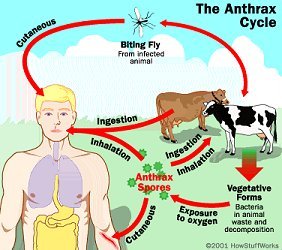
Anthrax is primarily a disease of animals, especially herbivores such as cattle, sheep, and goats. Humans can become infected through direct contact with infected animals or their products, such as hides, wool, or meat. Additionally, anthrax can also be contracted through contact with soil or objects contaminated with the spores.
Types of Anthrax Infections
Cutaneous Anthrax
Cutaneous anthrax is the most common form of anthrax infection, accounting for approximately 95% of cases. It occurs when the spores enter the body through a break in the skin, such as a cut or abrasion. This type of infection usually presents as a painless skin lesion that can develop into an ulcer with a characteristic black center.
Gastrointestinal Anthrax
Gastrointestinal anthrax is a rare form of anthrax that occurs when the spores are ingested through contaminated food or water. It primarily affects the digestive tract, causing symptoms such as nausea, vomiting, abdominal pain, and bloody diarrhea. Gastrointestinal anthrax can be fatal if left untreated.
Inhalational Anthrax
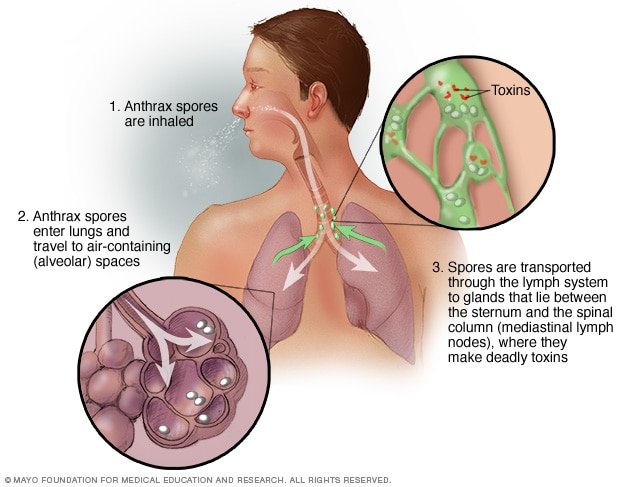
Inhalational anthrax is the most severe and potentially deadly form of anthrax infection. It occurs when the spores are inhaled into the lungs, usually through the inhalation of contaminated dust or aerosols. Initial symptoms resemble a common flu-like illness, but can rapidly progress to severe respiratory distress, shock, and organ failure.
Injection Anthrax
Injection anthrax is a rare form of anthrax that occurs when the spores are injected directly into the body, typically through contaminated drug use. This type of infection can lead to severe soft tissue swelling and infection at the injection site, as well as systemic illness.
Symptoms of Anthrax
Common Symptoms
While symptoms can vary depending on the type of anthrax infection, there are some common symptoms that may be present in all forms of the disease. These include fever, fatigue, muscle aches, and malaise. These general symptoms can make it difficult to diagnose anthrax, as they can be mistaken for other common illnesses.
Symptoms of Cutaneous Anthrax
In addition to the common symptoms, cutaneous anthrax typically presents as a painless skin lesion that initially resembles an insect bite. The lesion then progresses to the formation of a black eschar in the center, surrounded by a red border. Swelling and lymph node enlargement may also occur.
Symptoms of Gastrointestinal Anthrax
Gastrointestinal anthrax manifests primarily in the digestive system, causing symptoms such as nausea, vomiting, abdominal pain, fever, and bloody diarrhea. The severity of symptoms can vary, with severe cases leading to bowel perforation and septicemia.
Symptoms of Inhalational Anthrax
Inhalational anthrax initially presents with flu-like symptoms, including fever, cough, chest discomfort, and fatigue. As the disease progresses, respiratory symptoms worsen, and severe respiratory distress, shock, and meningitis can occur. Without prompt treatment, inhalational anthrax is often fatal.
Symptoms of Injection Anthrax
Injection anthrax typically causes severe swelling, redness, and pain at the injection site. Systemic symptoms such as fever, malaise, and muscle aches may also be present. Rapid progression of symptoms is common, making early diagnosis and treatment essential.

Cutaneous Anthrax
Overview
Cutaneous anthrax is the most common form of anthrax infection, and it occurs when the spores enter the body through a break in the skin. While it is rarely fatal if promptly treated, it can cause significant morbidity and long-term complications.
Transmission
Cutaneous anthrax is usually transmitted through direct contact with infected animals or their products. Occupational exposure, such as handling animal hides or wool, is a common route of transmission. It can also occur through contact with contaminated soil or objects.
Treatment Options
The primary treatment for cutaneous anthrax is antibiotics, such as ciprofloxacin or doxycycline, which can effectively kill the bacteria and prevent disease progression. Additionally, cleaning and decontaminating the wound site is crucial to minimize the risk of further infection. In severe cases, surgery may be required to drain an abscess or remove dead tissue.
Gastrointestinal Anthrax
Overview
Gastrointestinal anthrax is a rare but severe form of anthrax infection, primarily affecting the digestive system. It is typically contracted through the consumption of contaminated meat or dairy products, especially in countries where the disease is endemic.
Transmission
Gastrointestinal anthrax occurs when the spores are ingested through contaminated food or water. Improperly cooked or cured meat from infected animals is the main source of transmission. It can also occur through ingesting spore-contaminated dust or through contact with the spores.
Symptoms
The symptoms of gastrointestinal anthrax include nausea, vomiting, abdominal pain, fever, and bloody diarrhea. In severe cases, bowel perforation can occur, leading to septicemia and a high risk of death.
Treatment Options
Prompt treatment with antibiotics such as ciprofloxacin or doxycycline is crucial in the management of gastrointestinal anthrax. In severe cases, surgical intervention may be required to address complications such as bowel perforation. Supportive care, such as intravenous fluids and pain management, is also essential.
Inhalational Anthrax
Overview
Inhalational anthrax is the most severe and deadly form of anthrax infection. It occurs when the spores are inhaled into the lungs, typically through the inhalation of contaminated dust or aerosols. It is highly contagious and can be transmitted from person to person.
Transmission
Inhalational anthrax primarily occurs through the inhalation of spore-contaminated air. Once inhaled, the spores can germinate within the lungs and cause infection. Close contact with infected individuals or exposure to contaminated materials can also lead to transmission.
Symptoms
The early symptoms of inhalational anthrax are similar to those of a common flu-like illness, including fever, cough, and fatigue. As the disease progresses, respiratory symptoms worsen, with severe respiratory distress, chest pain, shock, and meningitis. Without prompt treatment, inhalational anthrax is often fatal.
Treatment Options
Immediate treatment with antibiotics such as Ciprofloxacin, Doxycycline, or Penicillin is crucial in inhalational anthrax. Hospitalization and supportive care, including respiratory support, intravenous fluids, and appropriate management of complications, are necessary for optimal outcomes.
Injection Anthrax
Overview
Injection anthrax is a rare form of anthrax that occurs when the spores are injected directly into the body, typically through contaminated drug use. It is often associated with the use of heroin that has been contaminated with anthrax spores. Injection anthrax can cause severe soft tissue swelling and systemic illness.
Transmission
Injection anthrax occurs when the spores are introduced into the body through contaminated needles or drug paraphernalia. It primarily affects individuals who inject drugs, especially heroin users.
Symptoms
Injection anthrax typically presents with severe swelling, redness, and pain at the injection site. Systemic symptoms such as fever, malaise, and muscle aches may also be present. Rapid progression of symptoms is common and requires immediate medical attention.
Treatment Options
Prompt treatment with antibiotics such as ciprofloxacin or doxycycline is crucial in the management of injection anthrax. In severe cases, surgical intervention may be required to address complications such as abscess formation. Supportive care, including pain management and wound care, is also essential.

Diagnosis of Anthrax
Clinical Examination
Diagnosing anthrax can be challenging due to its nonspecific initial symptoms. However, a thorough clinical examination can help identify potential signs of infection, such as skin lesions, swelling, and respiratory distress. Gathering a detailed patient history, including exposure to contaminated animals or substances, is also important.
Laboratory Tests
Laboratory tests are essential in confirming the diagnosis of anthrax. These tests include culturing samples from skin lesions, blood, or respiratory secretions to detect the presence of Bacillus anthracis bacteria or its DNA. Additionally, serological tests can detect specific antibodies against the bacterium.
Imaging Techniques
Imaging techniques such as X-rays and CT scans may be used to assess the extent of organ involvement in severe cases, particularly in inhalational anthrax. These imaging studies can help identify signs of respiratory distress, pneumonia, or complications such as pleural effusion.
Prevention and Vaccination for Anthrax
Preventive Measures
Preventing anthrax infection involves taking appropriate precautions when handling animals or animal products. This includes wearing personal protective equipment, such as gloves and masks, when working with potentially infected materials. Additionally, proper cooking and handling of meat products can help reduce the risk of gastrointestinal anthrax.
Anthrax Vaccines
Anthrax vaccines are available and can provide protection against the disease. They are commonly administered to individuals at high risk of exposure, such as veterinarians, livestock handlers, and laboratory workers. Vaccination is an important preventive measure, especially in areas where anthrax is endemic or in the event of a bioterrorism threat.
Post-Exposure Prophylaxis
In cases of suspected or confirmed exposure to anthrax spores, post-exposure prophylaxis with antibiotics is recommended to prevent infection. This involves the immediate administration of antibiotics to individuals at risk, even before the development of symptoms. Close monitoring and follow-up evaluations are crucial to ensure early detection and prompt treatment if infection occurs.
In conclusion, understanding anthrax, its various types of infections, symptoms, diagnosis, treatment options, and preventive measures is important in effectively managing this serious infectious disease. Prompt recognition of symptoms, early diagnosis, and appropriate treatment are essential in improving outcomes and preventing complications. By following preventive measures and ensuring vaccination for high-risk individuals, we can help minimize the risk of anthrax infection and its potential consequences.
