Are you tired of those pesky stomach bugs ruining your day? Look no further! In this article, we will provide you with some valuable tips on how to prevent gastroenteritis and maintain a healthy digestive system. From practicing good hygiene to making smart dietary choices, we’ve got you covered. Say goodbye to those dreaded days of staying home sick and hello to a healthier and happier you!
Understanding Gastroenteritis
What is Gastroenteritis?
Gastroenteritis, often referred to as the stomach flu, is an inflammation of the stomach and intestines that results in symptoms such as vomiting, diarrhea, abdominal pain, and fever. It is commonly caused by viral or bacterial infections and can be contracted through contaminated food or water, close contact with infected individuals, or poor hygiene practices. While gastroenteritis is typically a short-term illness, it can cause discomfort and disruption to your daily life.
Causes of Gastroenteritis
Gastroenteritis can be caused by a variety of factors, with viral and bacterial infections being the most common culprits. Viruses such as norovirus and rotavirus are highly contagious and can spread easily in crowded places like schools, daycare centers, or cruise ships. On the other hand, bacteria like Salmonella, E. coli, and Campylobacter are often transmitted through contaminated food or water. These bacteria can enter the body if you consume undercooked or raw meat, dairy products, or contaminated produce.
Symptoms of Gastroenteritis
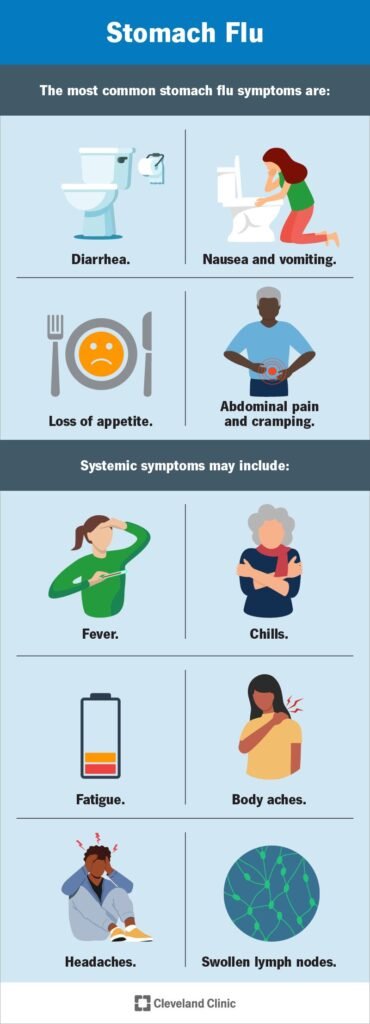
The symptoms of gastroenteritis can vary depending on the cause of the infection and the individual’s immune response. Common signs include nausea, vomiting, diarrhea, abdominal cramps, muscle aches, and fever. These symptoms typically appear within 12-48 hours after exposure to the virus or bacteria and can last for a few days to a week. Fatigue and dehydration are also common during this time. If you experience severe or persistent symptoms, it is important to consult a doctor for proper diagnosis and treatment.
Maintaining a Balanced Diet
The Importance of a Balanced Diet
A balanced diet plays a crucial role in maintaining a healthy digestive system and preventing gastroenteritis. By ensuring you consume a variety of nutrient-rich foods, you provide your body with the essential vitamins, minerals, and fiber it needs to function optimally. A well-balanced diet not only supports your immune system but also helps regulate bowel movements and promotes the growth of beneficial gut bacteria.
Include Fiber in Your Diet
Dietary fiber is an essential component of a healthy digestive system. It adds bulk to your stool, making it easier to pass, and helps prevent constipation. Fiber also acts as a prebiotic, providing nourishment for the beneficial bacteria in your gut. To increase your fiber intake, include sources such as whole grains, fruits, vegetables, legumes, and nuts in your daily meals. Aim for at least 25-30 grams of fiber per day for optimal digestive health.
Stay Hydrated
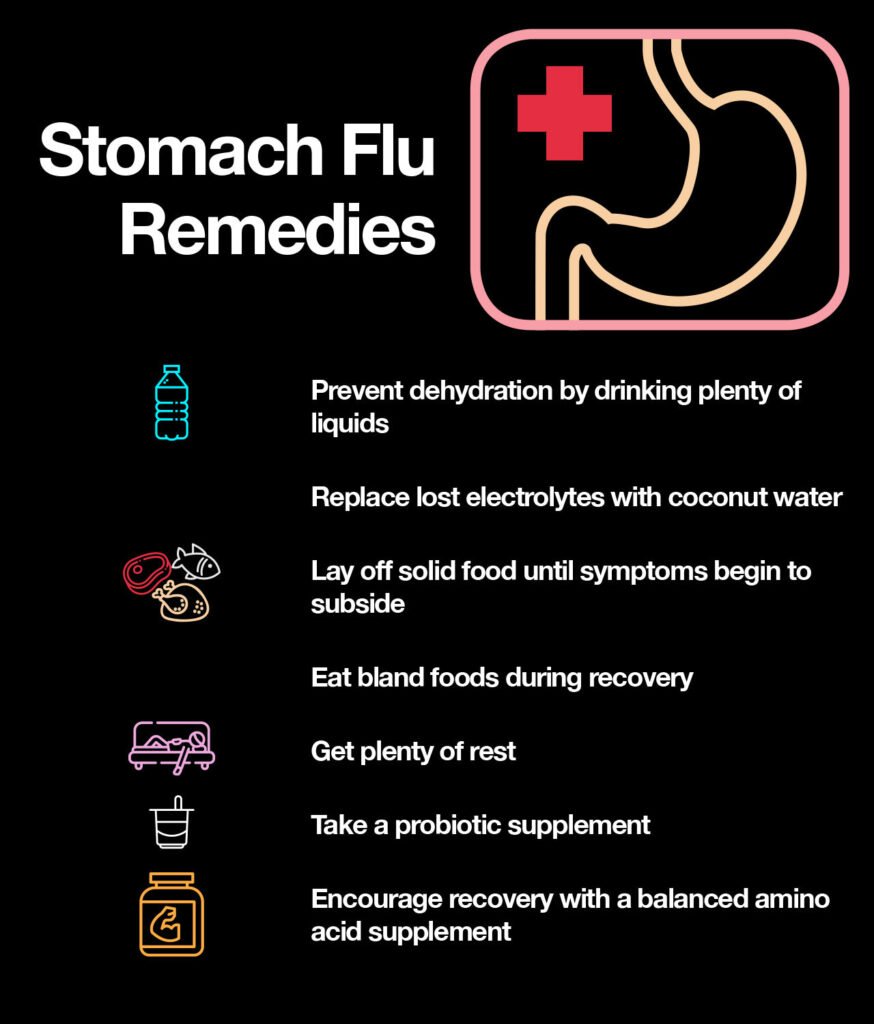
Proper hydration is vital for maintaining a healthy digestive system and preventing dehydration, a common complication of gastroenteritis. When experiencing bouts of vomiting or diarrhea, the body loses significant amounts of fluids. To stay hydrated, drink plenty of water throughout the day and consider consuming electrolyte-rich beverages like oral rehydration solutions or coconut water. Avoid alcoholic and caffeinated beverages as they can exacerbate dehydration.

Proper Food Handling and Preparation
Wash Your Hands
One of the simplest yet most effective ways to prevent gastroenteritis is to maintain proper hand hygiene. Wash your hands thoroughly with soap and clean water before and after handling food, using the toilet, or coming into contact with potentially contaminated surfaces. Scrub your hands for at least 20 seconds, ensuring you clean the area between your fingers and under your nails. This simple practice helps eliminate harmful bacteria and viruses that may cause gastroenteritis.
Separate Raw and Cooked Foods
To minimize the risk of cross-contamination and foodborne illnesses, it is essential to separate raw and cooked foods when storing, preparing, or serving them. Raw meat, poultry, seafood, and eggs can harbor bacteria that can cause gastroenteritis if not handled properly. Store these foods separately from ready-to-eat items and use separate cutting boards, utensils, and plates to prevent the spread of harmful pathogens.
Cook Food Thoroughly
Proper cooking of food is a crucial step in eliminating harmful bacteria and viruses that may be present. Ensure that meat, poultry, seafood, and eggs are cooked thoroughly to their recommended internal temperatures to kill any potential pathogens. Using a food thermometer can help you accurately determine if the food is safe to consume. For example, poultry should be cooked to an internal temperature of 165°F (74°C), while ground beef should reach 160°F (71°C).
Practicing Good Hygiene
Wash Hands Regularly
In addition to proper food handling, maintaining good hand hygiene is essential for preventing the spread of gastroenteritis-causing pathogens. Wash your hands thoroughly with soap and clean water after using the toilet, changing diapers, or assisting someone who is ill. Teach children the importance of handwashing and supervise them to ensure they follow proper hand hygiene practices. If soap and water are not available, use an alcohol-based hand sanitizer with at least 60% alcohol content.
Avoid Close Contact with Infected Individuals
Gastroenteritis is highly contagious, especially during the acute phase when symptoms are present. If you or someone you know is experiencing symptoms of gastroenteritis, it is advisable to avoid close contact with others to prevent the spread of the infection. Stay home from work, school, or social gatherings until at least 48 hours after the symptoms have resolved to minimize the risk of infecting others.
Clean and Disinfect Surfaces
Regularly cleaning and disinfecting surfaces in your home, particularly those that are frequently touched, can help reduce the risk of gastroenteritis transmission. Use a household disinfectant to clean doorknobs, light switches, countertops, and other surfaces that may harbor germs. Additionally, launder bedding and towels regularly to eliminate any potential pathogens that may be present. These simple hygiene practices can go a long way in preventing the spread of gastroenteritis.

Strengthening the Immune System
Get Vaccinated
Vaccination against certain pathogens that cause gastroenteritis, such as rotavirus, can significantly reduce the risk of infection. Ensure you and your children receive all recommended vaccinations according to the immunization schedule provided by healthcare professionals. By getting vaccinated, you not only protect yourself but also contribute to the community’s overall immunity.
Get Enough Sleep
Adequate sleep is vital for maintaining a strong immune system. During sleep, your body repairs and regenerates cells, including those involved in fighting off infections. Aim to get 7-9 hours of quality sleep each night to give your immune system the rest it needs to function optimally. Establish a bedtime routine, create a comfortable sleep environment, and limit exposure to screens before bed to promote better sleep hygiene.
Manage Stress
Chronic stress can weaken the immune system, making you more susceptible to infections such as gastroenteritis. Find healthy ways to manage stress, such as regular exercise, meditation, deep breathing exercises, or engaging in hobbies you enjoy. Prioritize self-care and ensure you take time to relax and unwind. By managing stress effectively, you can support your immune system and reduce the risk of illness.
Preventing Infection from Contaminated Water
Drink Clean and Safe Water
Contaminated water is a common source of gastroenteritis-causing pathogens. Ensure the water you consume is clean and safe by using reliable sources such as municipal water supplies or properly maintained private wells. If there are concerns about water quality, consider using a water filtration system or purchasing commercially bottled water. Avoid drinking water from unknown or potentially contaminated sources.
Boil Water before Drinking/Using
In situations where the cleanliness of the water source is uncertain, boiling the water can effectively kill most pathogens. Bring the water to a rolling boil for at least one minute, then let it cool before drinking or using for cooking, brushing teeth, or making ice. Boiling is a reliable method to ensure water safety, especially in areas with limited access to clean drinking water.
Avoid Swimming in Polluted Water
Recreational water sources such as lakes, rivers, and pools can become contaminated with bacteria and viruses that cause gastroenteritis. Before swimming, check water quality advisories and avoid swimming in areas known for pollution. Practice good personal hygiene by showering before and after swimming, avoiding swallowing the water, and encouraging children to take regular bathroom breaks. These measures can help protect you from waterborne infections.
Promoting Regular Exercise
Benefits of Regular Exercise
Regular exercise offers numerous benefits for overall health, including the prevention of gastroenteritis. Engaging in physical activity boosts the immune system, improves digestion, and helps maintain a healthy weight. Exercise stimulates the natural movement of the digestive tract, reducing the risk of constipation and promoting regular bowel movements. Aim for at least 150 minutes of moderate-intensity aerobic exercise or 75 minutes of vigorous-intensity exercise each week for optimal health.
Include Physical Activity in Your Routine
Incorporating physical activity into your daily routine doesn’t have to be complicated. Choose activities you enjoy, such as walking, cycling, swimming, or dancing, and make them a regular part of your lifestyle. Take the stairs instead of the elevator, walk or bike to nearby destinations, or join group fitness classes to stay motivated. Remember, even small amounts of exercise can make a big difference in maintaining a healthy digestive system.
Avoiding Unnecessary Antibiotic Use
Antibiotics and Gastroenteritis
Antibiotics are a powerful tool for fighting bacterial infections, but they are ineffective against viral infections like most cases of gastroenteritis. Inappropriate or unnecessary use of antibiotics can disrupt the balance of bacteria in your gut and increase the risk of developing antibiotic-resistant strains. Only take antibiotics when prescribed by a healthcare professional and complete the full course as directed.
Follow Prescription Guidelines
If you are prescribed antibiotics for a bacterial infection, it is essential to follow the prescription guidelines carefully. Take the medication as directed, at the prescribed times, and for the recommended duration. Avoid skipping doses or stopping the medication early, even if you start feeling better. Completing the full course of antibiotics ensures that all bacteria are eliminated, reducing the risk of recurrent or prolonged gastroenteritis.
Probiotics for Gut Health
Probiotics are beneficial bacteria that can help restore the natural balance of gut flora and support digestive health. While research on their effectiveness in preventing or treating gastroenteritis is ongoing, certain strains of probiotics have shown promising results in reducing the severity and duration of symptoms. Talk to your healthcare provider about incorporating probiotic-rich foods (like yogurt, kefir, sauerkraut) or probiotic supplements into your diet to promote gut health.

Maintaining a Clean and Sanitary Environment
Keep Surfaces Clean
Regularly cleaning and disinfecting surfaces in your home, especially those that come into frequent contact with hands, can help prevent the spread of gastroenteritis-causing pathogens. Use a household disinfectant to clean doorknobs, light switches, countertops, and other surfaces. Pay particular attention to shared areas, such as the kitchen and bathroom, that may harbor germs. By maintaining a clean environment, you reduce the risk of contamination and the spread of infection.
Proper Disposal of Waste
Proper waste disposal is crucial in preventing the transmission of gastroenteritis-causing pathogens. Dispose of waste, particularly diapers, sanitary products, and tissues, in sealed plastic bags to prevent the spread of germs. Regularly empty and clean trash bins, and ensure they have a tightly fitting lid to minimize odors and discourage pests. By practicing appropriate waste management, you contribute to a cleaner and healthier environment.
Practice Good Toilet Hygiene
Practicing good toilet hygiene helps prevent the spread of gastroenteritis-causing pathogens. Always wash your hands thoroughly with soap and clean water after using the toilet or assisting someone who is ill. Keep toilet surfaces clean and disinfected, regularly clean and replace toilet brushes, and ensure that toilets are properly flushed to eliminate any potential sources of contamination. These simple practices can significantly reduce the risk of gastrointestinal infections.
Seeking Medical Attention
When to Consult a Doctor
In most cases, gastroenteritis will resolve on its own within a few days to a week. However, there are situations where it is important to seek medical attention. Consult a doctor if you experience severe or persistent symptoms, such as blood in your vomit or stool, high fever, signs of dehydration (excessive thirst, dark urine, dry mouth), or if you have underlying medical conditions that may complicate the illness. Your doctor can provide a proper diagnosis and recommend appropriate treatment.
Treatment Options for Gastroenteritis
Treatment for gastroenteritis mainly focuses on relieving symptoms and preventing dehydration. Your doctor may recommend oral rehydration solutions to restore fluids and electrolyte balance. In severe cases, hospitalization and intravenous fluids may be necessary. Medications to control nausea, vomiting, and diarrhea may also be prescribed if needed. It is important to follow your doctor’s instructions and allow your body time to recover.
Preventing Dehydration
Dehydration is a common complication of gastroenteritis, particularly when vomiting and diarrhea are present. To prevent dehydration, it is essential to replenish lost fluids and electrolytes. Drink plenty of water and consume oral rehydration solutions that are readily available at pharmacies. Avoid sugary drinks, caffeine, and alcohol, as these can worsen dehydration. If you have difficulty keeping fluids down or if your symptoms worsen, seek medical attention promptly.
In conclusion, understanding gastroenteritis and taking proactive steps to prevent its occurrence is crucial for maintaining a healthy digestive system. By following proper hygiene practices, maintaining a balanced diet, strengthening your immune system, and seeking timely medical attention when needed, you can reduce the risk of gastroenteritis and minimize its impact on your overall well-being. Remember, prevention is key when it comes to avoiding the discomfort and inconvenience of gastroenteritis.