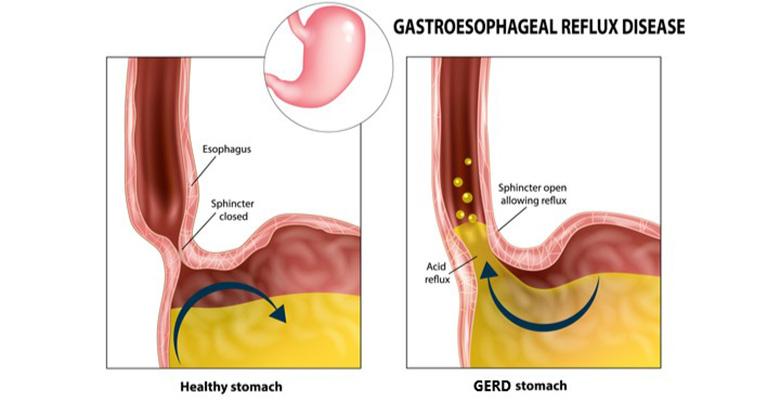
Are you experiencing frequent heartburn or a sour taste in your mouth? If so, you might be dealing with Gastro-oesophageal Reflux Disease, or GORD for short. This common condition occurs when stomach acid flows back into the oesophagus, causing discomfort and potential complications. In this article, we will explore the causes, symptoms, and effective treatments for GORD, providing you with a better understanding of this condition and how to manage it. So, let’s dive into the world of GORD and find ways to alleviate your symptoms and improve your quality of life.
Causes
Hiatal Hernia
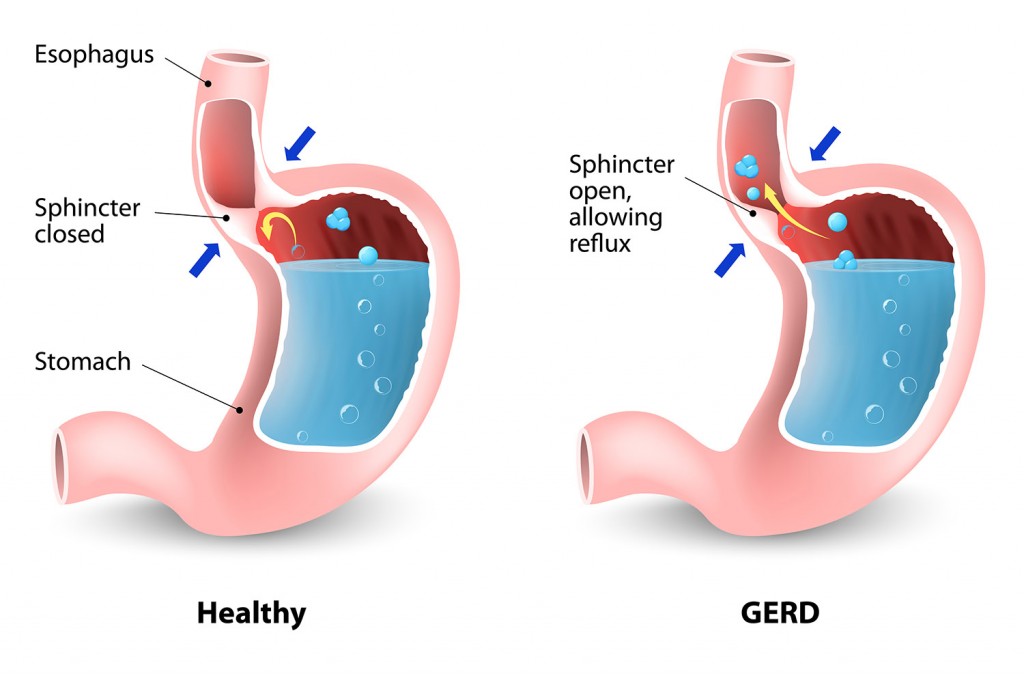
One of the main causes of gastro-esophageal reflux disease (GERD) is a hiatal hernia. A hiatal hernia occurs when the upper part of the stomach bulges through the diaphragm, allowing acid to flow back into the esophagus. It can weaken the lower esophageal sphincter, which is responsible for preventing acid reflux.
Weak Lower Esophageal Sphincter
The lower esophageal sphincter (LES) is a ring of muscle that acts as a valve between the esophagus and the stomach. When the LES is weak, it can allow stomach acid to flow back into the esophagus, leading to acid reflux. This weakened muscle can be a result of various factors such as obesity, pregnancy, smoking, and certain medications.
Abnormal Esophageal Contractions
Abnormal esophageal contractions, also known as esophageal dysmotility, can contribute to GERD. When the esophagus does not contract properly, it can impede the normal movement of food and acid, causing acid reflux.
Delayed Stomach Emptying
Delayed stomach emptying, also known as gastroparesis, is a condition where the stomach takes longer than usual to empty its contents into the small intestine. This delay can cause stomach acid to back up into the esophagus, leading to GERD symptoms.
Obesity
Obesity is a significant risk factor for GERD. Excess weight, especially around the abdomen, can put pressure on the stomach, leading to the weakening of the LES. Additionally, adipose tissue releases chemicals that can worsen acid reflux symptoms.
Pregnancy
Pregnancy can increase the risk of developing GERD. Hormonal changes during pregnancy can relax the LES, allowing stomach acid to flow back into the esophagus. The growing uterus can also put pressure on the stomach, contributing to acid reflux.
Smoking
Smoking can contribute to GERD in multiple ways. Firstly, it can weaken the LES, making it more prone to relax and allow acid reflux. Additionally, smoking can increase acid production in the stomach and decrease saliva production, which helps neutralize acid.
Certain Medications
Certain medications can trigger or worsen GERD symptoms. These include nonsteroidal anti-inflammatory drugs (NSAIDs), calcium channel blockers, nitrates, bronchodilators, sedatives, and antidepressants. These medications can relax the LES or irritate the lining of the esophagus, leading to acid reflux.
Dietary Factors
Certain foods and beverages can trigger or worsen GERD symptoms. These include spicy and fatty foods, citrus fruits, tomatoes, chocolate, coffee, alcohol, carbonated drinks, and peppermint. These foods can relax the LES or increase stomach acid production, leading to acid reflux.
Other Factors
Other factors that can contribute to GERD include stress, lack of sleep, and certain medical conditions like diabetes and connective tissue disorders. These factors may affect the functioning of the LES or increase the risk of acid reflux.
Symptoms
Heartburn
Heartburn is the most common symptom of GERD. It is characterized by a burning sensation in the chest, usually after eating or at night when lying down. Heartburn is caused by stomach acid flowing back into the esophagus and irritating its lining.
Regurgitation
Regurgitation is the sensation of acid or food coming back up into the throat or mouth. It can cause a sour or bitter taste and may be accompanied by a burning sensation. Regurgitation is a result of weakened esophageal muscles that fail to keep the stomach contents in the stomach.
Dysphagia
Dysphagia refers to difficulty swallowing or a feeling of food getting stuck in the throat or chest. It can occur due to narrowing of the esophagus caused by long-term acid reflux or other complications of GERD.
Chest Pain
Chest pain, also known as heartburn-like pain, is a common symptom of GERD. It can feel like a burning or squeezing sensation in the chest, similar to a heart attack. Chest pain due to GERD is often worse after meals or when lying down.
Chronic Cough
A chronic cough can be a symptom of GERD, especially when it is not accompanied by other respiratory symptoms. Acid reflux can irritate the throat and trigger a cough that persists for an extended period of time.
Hoarseness
Hoarseness is a voice change characterized by a raspy or strained sounding voice. It occurs when stomach acid backs up into the throat and irritates the vocal cords. Hoarseness is a common symptom of chronic acid reflux.
Sore Throat
GERD can cause a persistent sore throat, which may be accompanied by a burning sensation. The acidic stomach contents can irritate the lining of the throat, leading to inflammation and discomfort.
Excessive Salivation
Excessive salivation, also known as water brash, is a symptom of GERD. It is characterized by an increased production of saliva that is often accompanied by a sour or bitter taste.
Nausea or Vomiting
Nausea or vomiting can occur in individuals with severe GERD. The refluxed acid can irritate the stomach lining, leading to feelings of nausea or triggering vomiting.
Bad Breath
Bad breath, also known as halitosis, can be a symptom of GERD. The regurgitated stomach acid can have a foul odor, contributing to chronic bad breath.

Complications
Esophagitis
Untreated GERD can lead to esophagitis, which is inflammation of the esophagus. Esophagitis can cause pain and difficulty swallowing and may lead to complications such as esophageal ulcers and bleeding.
Esophageal Stricture
Long-term acid reflux can cause the esophagus to narrow and develop strictures. Esophageal strictures make it difficult for food and liquids to pass through the esophagus, leading to dysphagia.
Barrett’s Esophagus
Barrett’s esophagus is a condition in which the lining of the esophagus changes to resemble the lining of the intestine. It can occur as a result of long-term acid reflux and significantly increases the risk of developing esophageal cancer.
Respiratory Issues
Chronic acid reflux can lead to respiratory problems such as asthma, bronchitis, and recurring pneumonia. The refluxed stomach acid can irritate the airways and trigger coughing and wheezing.
Dental Problems
The acid from refluxed stomach contents can erode tooth enamel, leading to dental problems such as tooth decay, sensitivity, and tooth loss. Persistent acid exposure can also cause gum inflammation and contribute to periodontal disease.
Erosive Tooth Enamel
The repeated exposure of tooth enamel to stomach acid can cause erosion, leading to thinning and weakening of the enamel. This erosion increases the risk of tooth decay and tooth sensitivity.
Recurrent Ear Infections
In children with GERD, the refluxed stomach acid can enter the middle ear through the eustachian tubes, leading to recurrent ear infections. These infections can cause ear pain, hearing loss, and fluid buildup in the middle ear.
Asthma
There is a strong association between GERD and asthma. Acid reflux can trigger or worsen asthma symptoms by irritating the airways, leading to coughing, wheezing, and shortness of breath.
Pulmonary Fibrosis
Pulmonary fibrosis is a serious complication that can occur in individuals with longstanding and severe GERD. The refluxed stomach acid can reach the lungs and cause inflammation and scarring of the lung tissue.
Worsening of Existing Lung Conditions
GERD can worsen existing lung conditions such as chronic obstructive pulmonary disease (COPD) and cystic fibrosis. The refluxed acid can irritate the airways and trigger exacerbations of these conditions.
Diagnosis
Medical History and Symptoms
During the diagnosis of GERD, your doctor will ask about your medical history and symptoms. They will inquire about your experience of heartburn, regurgitation, difficulty swallowing, and other related symptoms.
Physical Examination
A physical examination may be conducted to assess any signs of complications, such as weight loss or swelling of the abdomen. Your doctor may also examine your throat and mouth for signs of GERD-related damage.
Endoscopy
Endoscopy involves the use of a thin, flexible tube with a light and camera (endoscope) to examine the lining of the esophagus and stomach. It helps identify any inflammation, strictures, or other abnormalities caused by GERD.
Ambulatory Acid Probe Test
The ambulatory acid probe test, also known as pH monitoring, measures the amount of acid in the esophagus over 24 to 48 hours. It involves placing a small probe through the nose or mouth into the esophagus to monitor acid levels.
Esophageal Manometry
Esophageal manometry measures the pressure and coordination of the muscles in the esophagus. It helps identify any abnormalities in the movement and function of the esophagus.
Barium Swallow X-Ray
A barium swallow x-ray involves swallowing a liquid containing barium, which coats the esophagus and stomach. X-ray images are then taken to evaluate the structure and movement of these organs.
pH Monitoring
pH monitoring measures the acidity in the esophagus by inserting a small catheter through the nose or mouth into the esophagus. The catheter is connected to a device that records acid levels over a 24-hour period.
Esophageal Impedance Monitoring
Esophageal impedance monitoring measures the movement of liquids and gases in the esophagus. It helps identify both acid and non-acid reflux episodes.
Biopsy
If there are concerns about complications or the presence of Barrett’s esophagus, a biopsy may be performed. During a biopsy, a sample of tissue from the esophagus is removed and examined under a microscope.

Treatment
Lifestyle Modifications
Lifestyle modifications can help alleviate GERD symptoms and prevent their recurrence. These include avoiding trigger foods, maintaining a healthy weight, eating smaller meals, avoiding lying down after meals, quitting smoking, limiting alcohol and caffeine intake, wearing loose clothing, elevating the head of the bed, reducing stress, and exercising regularly.
Medications
Medications are essential in managing GERD symptoms and reducing the production of stomach acid. There are several types of medications available, including:
Antacids
Antacids work by neutralizing stomach acid and providing immediate relief for symptoms like heartburn. They can be purchased over the counter and are available in liquid, tablet, or chewable form.
H2 Blockers
H2 blockers reduce the production of stomach acid. They can provide longer-lasting relief and are available both over the counter and with a prescription.
Proton Pump Inhibitors (PPIs)
PPIs are potent acid reducers that block the production of stomach acid. They are available over the counter and by prescription. PPIs are often prescribed for individuals with severe or persistent GERD symptoms.
Prokinetics
Prokinetics enhance the movement of food through the digestive tract, preventing acid reflux. They are primarily prescribed for individuals with gastroparesis, a delayed stomach emptying condition associated with GERD.
Foam Barrier Medications
Foam barrier medications form a protective layer on top of the stomach contents, preventing acid reflux. These medications are typically prescribed for individuals with nighttime GERD symptoms.
Surgery
Surgery may be recommended for individuals with severe GERD symptoms who do not respond to medication or lifestyle changes. The most common surgical procedure for GERD is fundoplication, where the upper part of the stomach is wrapped around the lower esophagus to strengthen the LES.
Endoscopic Treatments
Endoscopic treatments can be an option for individuals with less severe GERD symptoms. These procedures involve using an endoscope to tighten the LES or create scar tissue in the esophagus, reducing the likelihood of acid reflux.
Natural Remedies
Some individuals may find relief from their symptoms with natural remedies like herbal supplements, such as slippery elm and deglycyrrhizinated licorice (DGL), as well as dietary changes and lifestyle modifications. However, it is important to consult with a healthcare professional before incorporating natural remedies into your treatment plan.
Prevention
Maintain a Healthy Weight
Maintaining a healthy weight is crucial in preventing GERD. Excess weight puts pressure on the stomach and can weaken the LES, leading to acid reflux. Incorporating regular exercise and a balanced diet can help achieve and maintain a healthy weight.
Avoid Trigger Foods
Identifying and avoiding trigger foods can significantly reduce the frequency and severity of GERD symptoms. Common trigger foods include spicy and fatty foods, citrus fruits, tomatoes, chocolate, coffee, alcohol, carbonated drinks, and peppermint.
Eat Smaller Meals
Eating smaller, more frequent meals instead of large, heavy meals can help prevent acid reflux. This allows the stomach to digest food more efficiently and reduces the pressure on the LES.
Avoid Lying Down After Meals
Avoid lying down immediately after meals. Instead, try to stay upright for at least two to three hours after eating to allow proper digestion and prevent stomach acid from flowing back into the esophagus.
Quit Smoking
Smoking is a significant contributing factor to GERD. Quitting smoking can help improve LES function and reduce acid reflux symptoms. Seek support from healthcare professionals or support groups to quit smoking successfully.
Limit Alcohol and Caffeine Intake
Alcohol and caffeine can worsen GERD symptoms by relaxing the LES and increasing stomach acid production. Limiting the consumption of these substances can help alleviate symptoms and prevent acid reflux.
Wear Loose Clothing
Tight clothing and belts can put pressure on the stomach, leading to acid reflux. Opt for loose-fitting clothing, especially around the waist, to prevent unnecessary pressure on the abdomen.
Elevate the Head of Your Bed
Elevating the head of your bed by using a wedge pillow or raising the head of the bed can help prevent acid reflux during sleep. Gravity can help keep stomach acid in the stomach and prevent it from flowing back into the esophagus.
Reduce Stress
Stress can exacerbate GERD symptoms. Incorporating stress-reducing techniques like exercise, meditation, deep breathing exercises, and engaging in hobbies can help manage stress levels and minimize acid reflux episodes.
Exercise Regularly
Regular exercise has numerous health benefits, including reducing the risk of GERD. Engaging in physical activity helps maintain a healthy weight, improve digestion, and reduce stress levels.
Home Remedies
Ginger
Ginger has long been used as a natural remedy for digestive issues, including GERD. It can help calm the stomach and reduce inflammation in the esophagus. Ginger can be consumed as a tea or added to meals as a spice.
Baking Soda
Baking soda, when mixed with water, can temporarily neutralize stomach acid and provide relief from heartburn. However, it should be used sparingly, as excessive use can lead to electrolyte imbalances.
Aloe Vera Juice
Aloe vera juice can help soothe the lining of the esophagus and reduce inflammation caused by acid reflux. However, it is important to choose a brand that is free from added sugars or artificial ingredients.
Chamomile Tea
Chamomile tea has anti-inflammatory properties and can help reduce GERD symptoms. It is best consumed after meals or before bedtime to promote relaxation and aid digestion.
Licorice Root
Licorice root, especially deglycyrrhizinated licorice (DGL), has been used to relieve heartburn and promote healing of the esophagus. DGL is available in chewable tablets or powder form.
Apple Cider Vinegar
Contrary to its acidic nature, apple cider vinegar can help balance stomach acid levels. However, it should be diluted with water and consumed in small amounts to avoid aggravating symptoms.
Slippery Elm
Slippery elm is a herbal supplement that can help soothe the lining of the esophagus and reduce inflammation. It is available in powder or capsule form and can be consumed with water.
Marshmallow Root
Marshmallow root has demulcent properties, which means it can create a protective coating on the lining of the esophagus. It is available as a herbal supplement or can be consumed as tea.
Papaya
Papaya contains enzymes that aid digestion and reduce acid reflux symptoms. It can be consumed fresh or as a supplement, but it is important to choose ripe papayas for optimal benefits.
Deglycyrrhizinated Licorice (DGL)
Deglycyrrhizinated licorice (DGL) can help soothe the esophageal lining and promote healing. It is available in chewable tablets or powder form and can provide relief from GERD symptoms.
Dietary Recommendations
Foods to Avoid
To manage GERD, it is important to avoid certain foods that can trigger or worsen symptoms. These include spicy foods, high-fat foods, citrus fruits, tomatoes, chocolate, caffeine, alcohol, carbonated drinks, peppermint, and onions.
Foods to Eat
Choosing the right foods can help alleviate GERD symptoms. Opt for low-acid foods such as vegetables, lean proteins, whole grains, low-fat dairy products, and non-citrus fruits. Incorporating foods rich in fiber can aid digestion and prevent acid reflux.
Mealtime Tips
To minimize acid reflux, it is recommended to eat smaller, more frequent meals and chew food slowly and thoroughly. Avoid eating large meals before bedtime and give yourself at least two to three hours to digest before lying down.
Eating Before Bed
If you experience nighttime acid reflux, it is advisable to have your last meal or snack at least two to three hours before bedtime. This allows enough time for digestion and reduces the likelihood of reflux when lying down.
Maintaining Hydration
Drinking enough water throughout the day is essential for overall health and can also help manage GERD symptoms. Staying hydrated can aid digestion and promote proper acid balance in the stomach.
Tracking Trigger Foods
Keeping track of foods and beverages that trigger or worsen your GERD symptoms can help you identify your personal triggers. This way, you can make informed decisions about your diet and avoid foods that cause discomfort.
Keeping a Food Diary
Maintaining a food diary can be an effective way to track your diet and monitor how certain foods affect your GERD symptoms. It can help you identify patterns and make adjustments to your diet accordingly.
Eating a Balanced Diet
Eating a balanced diet that includes a variety of fruits, vegetables, whole grains, lean proteins, and healthy fats is essential for overall health and can contribute to better management of GERD symptoms.
Opting for Low-Acid Foods
Choosing low-acid alternatives to high-acid foods can help minimize acid reflux. For example, opt for oatmeal instead of high-sugar cereals or almond milk instead of citrus juices.
Avoiding Overeating
Overeating can increase the pressure on the stomach and lead to acid reflux. It is important to eat until you feel satisfied, rather than overly full, to prevent GERD symptoms.

Alternative Therapies
Acupuncture
Acupuncture involves the insertion of thin needles into specific points in the body to promote overall well-being and alleviate specific health conditions. Some individuals find acupuncture helpful in managing GERD symptoms.
Yoga
Yoga incorporates breathing exercises, stretching, and relaxation techniques to promote physical and mental well-being. It can help reduce stress levels and improve digestion, which may have a positive impact on GERD symptoms.
Meditation
Meditation is a practice that involves focusing the mind and achieving a state of deep relaxation. It can help manage stress, which is a common trigger for GERD symptoms.
Hypnotherapy
Hypnotherapy uses guided relaxation and focused attention to help individuals achieve a heightened state of suggestibility. It can be beneficial in managing stress and promoting relaxation, which may alleviate GERD symptoms.
Herbal Supplements
Herbal supplements, such as chamomile, slippery elm, and marshmallow root, have been traditionally used to soothe the digestive system and reduce GERD symptoms. However, it is important to consult with a healthcare professional before incorporating herbal supplements into your treatment plan.
Essential Oils
Certain essential oils, such as peppermint or ginger oil, can be used in aromatherapy or diluted with a carrier oil and applied topically to the chest or abdomen for relief from GERD symptoms. However, it is important to use essential oils with caution and consult with a healthcare professional, as they can be potent and may interact with medications.
Chiropractic Care
Chiropractic care focuses on the alignment of the spine and nervous system to promote overall health. Some individuals find chiropractic adjustments beneficial in managing GERD symptoms.
Massage Therapy
Massage therapy involves the manipulation of soft tissues to promote relaxation and relieve muscle tension. It can help reduce stress levels, improve digestion, and alleviate GERD symptoms.
Aromatherapy
Aromatherapy involves the use of essential oils to promote physical and mental well-being. Certain essential oils, such as lavender or lemon, can be used in aromatherapy to help manage stress levels and reduce GERD symptoms.
Relaxation Techniques
Relaxation techniques, such as deep breathing exercises, guided imagery, or progressive muscle relaxation, can help reduce stress and promote relaxation. These techniques may alleviate GERD symptoms by minimizing stress-induced acid reflux episodes.
Conclusion
Gastro-oesophageal reflux disease (GERD) is a common condition that can cause significant discomfort and impact daily life. Understanding the causes, symptoms, and complications of GERD is crucial in its management and prevention. Lifestyle modifications, medication, and natural remedies can help alleviate symptoms and reduce the risk of complications. By adopting a holistic approach that includes proper diet, regular exercise, stress management, and avoiding trigger factors, individuals can effectively manage and prevent GERD symptoms. It is important to consult with a healthcare professional for an accurate diagnosis and personalized treatment plan based on individual needs. With proper care and management, individuals with GERD can experience improved quality of life and minimize the impact of the condition.