
Impetigo, a common and highly contagious skin infection, can be a nuisance for both adults and children. But fear not, for there are various effective strategies and tips to prevent its occurrence. From maintaining good hygiene practices to wearing clean and breathable clothing, implementing these preventative measures can significantly reduce the risk of contracting impetigo. In this article, you will discover a range of friendly and practical advice to keep impetigo at bay and ensure a healthier, happier you.
Understanding Impetigo
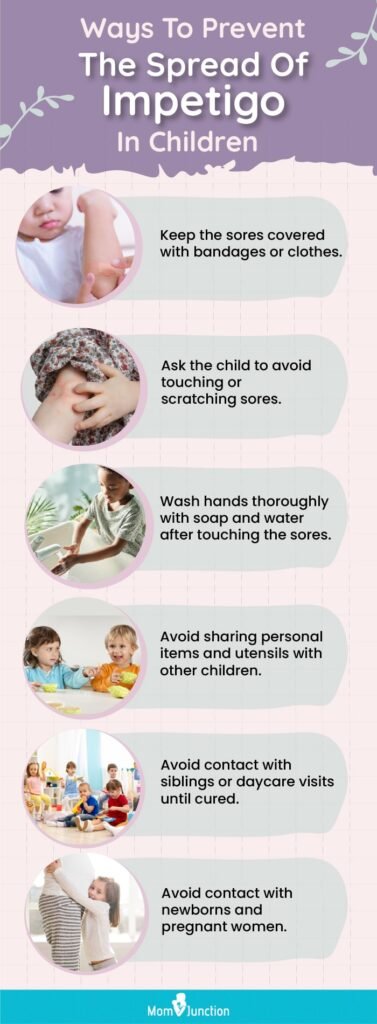
Impetigo is a highly contagious bacterial skin infection that primarily affects children but can also affect adults. It is characterized by red sores that form on the face, hands, and other parts of the body. While impetigo is generally a mild condition, it can cause discomfort and can be easily spread from person to person if proper precautions are not taken.
Definition of Impetigo
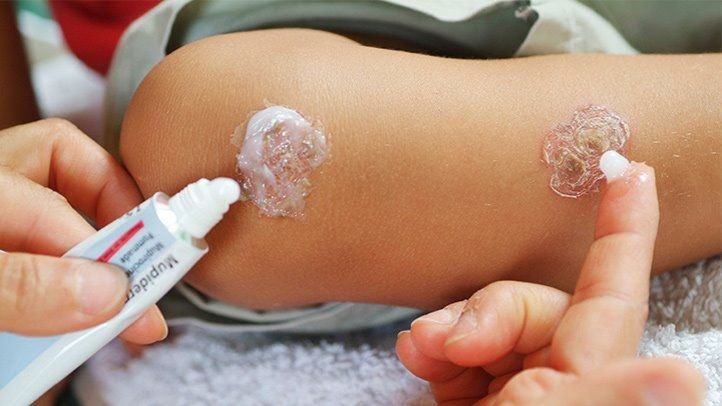
Impetigo is a bacterial skin infection caused by either Staphylococcus aureus or Streptococcus pyogenes bacteria. It is typically characterized by red sores or blisters that burst and ooze, forming a yellowish crust. These sores can be itchy and may be accompanied by swollen lymph nodes. Impetigo can occur anywhere on the body, but it is most commonly found around the mouth and nose.
Causes of Impetigo
Impetigo is primarily caused by two types of bacteria: Staphylococcus aureus and Streptococcus pyogenes. These bacteria can enter the body through cuts, scrapes, insect bites, or areas of skin that are already irritated or compromised. Impetigo can also be spread through direct contact with an infected individual or by touching contaminated surfaces or personal items.
Common Symptoms of Impetigo
The most common symptoms of impetigo include red sores or blisters that burst and form a yellowish crust. These sores may be itchy and can cause discomfort. In some cases, swollen lymph nodes may also be present. It is important to note that impetigo is highly contagious, so it is crucial to take steps to prevent its spread.
Hygiene Practices
Maintaining good hygiene practices is key in preventing the spread of impetigo. By practicing regular handwashing, keeping the skin clean and dry, and avoiding close contact with infected individuals, you can significantly reduce the risk of contracting or spreading impetigo.
Regular Handwashing
One of the most effective ways to prevent the spread of impetigo is by practicing regular handwashing. Make it a habit to wash your hands with soap and water for at least 20 seconds, especially before and after touching your face, eating, or using the restroom. If soap and water are not available, you can use an alcohol-based hand sanitizer with at least 60% alcohol content.
Keeping Skin Clean and Dry
Maintaining clean and dry skin is essential in preventing impetigo. Gently wash the affected areas with mild soap and water, being careful not to burst any blisters. After washing, pat the skin dry with a clean towel and avoid using the same towel on other parts of the body to prevent the spread of bacteria.
Avoiding Close Contact with Infected Individuals
Impetigo is highly contagious and can easily spread through close contact with an infected individual. If you or someone in your household has impetigo, it is important to avoid close contact with others to prevent the spread of the infection. Refrain from sharing personal items such as towels, clothing, or bedding to minimize the risk of transmission.
Maintaining a Clean Environment
In addition to personal hygiene practices, maintaining a clean environment is crucial in preventing the spread of impetigo. By regularly cleaning and disinfecting surfaces, washing and disinfecting personal items, and following proper laundry practices, you can help eliminate bacteria and reduce the risk of impetigo.
Cleaning and Disinfecting Surfaces
Frequently touched surfaces such as doorknobs, countertops, and toys can harbor bacteria and contribute to the spread of impetigo. Regularly clean and disinfect these surfaces using an appropriate disinfectant. Be sure to follow the instructions on the product label for effective disinfection.
Washing and Disinfecting Personal Items
Personal items that come into direct contact with the skin, such as towels, clothing, and bedding, should be washed and disinfected regularly. Use hot water and laundry detergent to wash these items, and consider using a disinfectant laundry additive for an extra layer of protection. Be sure to dry the items thoroughly before using or storing them.
Proper Laundry Practices
To prevent the spread of impetigo, it is important to handle and launder contaminated items properly. Avoid shaking dirty laundry to minimize the spread of bacteria in the air. Wash contaminated items separate from other laundry, and if possible, use a higher water temperature setting to help kill bacteria. Additionally, clean and disinfect laundry hampers regularly to prevent any bacteria from lingering.
Promoting Skin Health
Maintaining healthy skin is crucial in preventing impetigo and minimizing its recurrence. By properly caring for wounds, avoiding scratching or picking at sores, and moisturizing and nourishing the skin, you can support your skin’s natural defenses and reduce the risk of impetigo.
Proper Wound Care
If you have any cuts, scrapes, or insect bites, it is essential to clean and cover them properly to prevent bacterial infections. Wash the wound gently with soap and water, apply an antiseptic ointment, and cover it with a clean bandage. Regularly change the bandage and monitor the wound for any signs of infection.
Avoiding Scratching or Picking at Sores
Impetigo sores can be itchy and tempting to scratch or pick at, but doing so can worsen the infection and increase the risk of spreading bacteria. Encourage yourself or your child to avoid scratching or picking at the sores. If necessary, consult a healthcare professional for advice on managing the itching.
Moisturizing and Nourishing the Skin
Properly moisturizing and nourishing the skin can help maintain its integrity and prevent dryness or cracking, which can make it more susceptible to impetigo. Use a gentle moisturizer regularly to keep the skin hydrated. Additionally, ensure a well-balanced diet rich in vitamins and nutrients to support overall skin health.

Preventing Spread in Communities
Preventing the spread of impetigo in communities requires a collective effort. By educating parents and caregivers, implementing hygiene policies in schools and daycares, and encouraging vaccination, communities can minimize the occurrence and impact of impetigo outbreaks.
Educating Parents and Caregivers
Providing parents and caregivers with information about impetigo, its causes, symptoms, and preventive measures can help raise awareness and encourage early intervention. Distribute educational materials or organize community workshops to ensure that parents and caregivers have the knowledge and tools to protect themselves and their children.
Implementing Hygiene Policies in Schools and Daycares
Schools and daycares play a significant role in preventing the spread of impetigo among children. Implementing hygiene policies such as regular handwashing routines, proper cleaning and disinfection practices, and exclusion policies for infected individuals can help minimize the risk of outbreaks and protect the health of the entire community.
Encouraging Vaccination
Some cases of impetigo can be caused by Streptococcus pyogenes, which is also a common cause of strep throat. This bacterial strain can be prevented through routine vaccinations, such as the pneumococcal vaccine and the Hib vaccine. Encouraging individuals to receive these vaccinations can help reduce the risk of impetigo and its complications.
Preventing Impetigo in Athletes
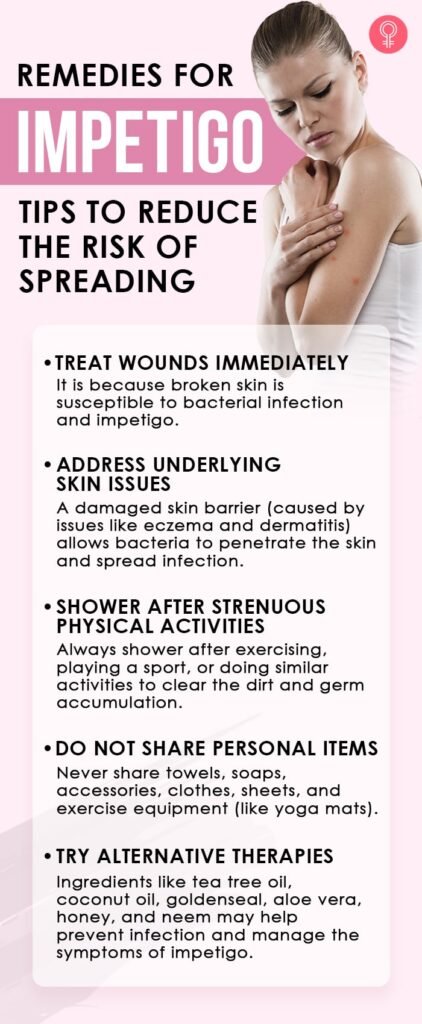
Athletes, particularly those involved in contact sports, are at increased risk of contracting impetigo due to skin-to-skin contact and sharing of equipment. By following specific hygiene practices such as showering before and after sports activities, avoiding sharing personal items, and regularly cleaning sports equipment, athletes can minimize the risk of impetigo.
Showering Before and After Sports Activities
Encourage athletes to shower before and after engaging in sports activities. Thoroughly clean the body with soap and water to remove any sweat, dirt, or bacteria that may have accumulated on the skin. Pay extra attention to areas prone to impetigo, such as the face, hands, and feet.
Avoiding Sharing Personal Items
Sharing personal items, such as towels, clothing, or gear, can contribute to the spread of impetigo. Encourage athletes to use their own personal items and avoid sharing with teammates. It is also essential to regularly wash personal items used during sports activities to eliminate any bacteria that may be present.
Regularly Cleaning Sports Equipment
Sports equipment, including helmets, padding, and gloves, can harbor bacteria and contribute to the transmission of impetigo. Athletes should clean their equipment regularly using appropriate cleaning agents or disinfectants. Follow the manufacturer’s instructions for proper cleaning techniques and frequency.
Identifying and Treating Early Infections
Recognizing early signs of impetigo is crucial in seeking prompt medical attention and initiating treatment. By understanding the early signs, knowing when to consult a healthcare professional, and adhering to prescribed medications, individuals can effectively manage impetigo infections.
Recognizing the Early Signs
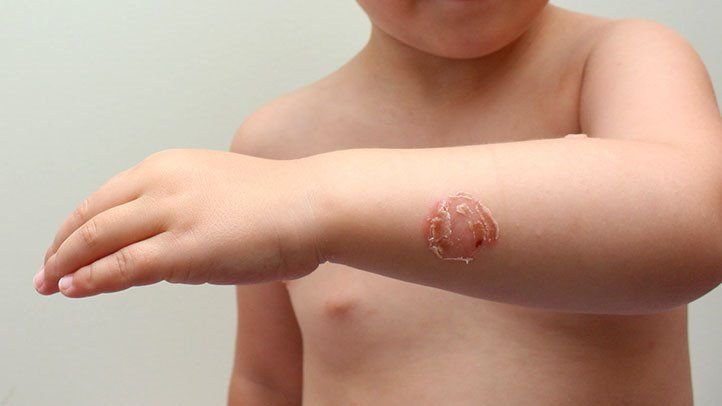
Early signs of impetigo include redness, itching, and the presence of small blisters or sores that may burst and form a yellowish crust. These symptoms may initially be mistaken for other skin conditions, so it is important to be vigilant and seek professional advice if any concerns arise.
Seeking Prompt Medical Attention
If you suspect impetigo or observe any signs of infection, it is important to seek prompt medical attention. A healthcare professional can diagnose impetigo based on the appearance of the sores and may perform additional tests if necessary. Early diagnosis and appropriate treatment can help prevent the spread of the infection and minimize its impact.
Prescribed Medications
Treatment for impetigo typically involves topical or oral antibiotics to eliminate the bacterial infection. Follow the prescribed treatment regimen as instructed by your healthcare professional. It is crucial to complete the full course of medication even if the symptoms improve to prevent the recurrence or development of antibiotic-resistant bacteria.
Preventing Recurrent Impetigo
Individuals who have previously experienced impetigo are at a higher risk of recurrence. By completing the full course of treatment, maintaining good hygiene habits, and boosting immunity through a healthy lifestyle, it is possible to prevent recurrent impetigo.
Completing Full Course of Treatment
To prevent the recurrence of impetigo, it is important to complete the full course of treatment as prescribed by your healthcare professional. Even if the symptoms have resolved, continuing the medication for the recommended duration ensures the complete eradication of the bacteria and reduces the risk of reinfection.
Maintaining Good Hygiene Habits
Continuing good hygiene practices is essential in preventing the recurrence of impetigo. Regular handwashing, keeping the skin clean and dry, and avoiding close contact with infected individuals remain key preventive measures. By incorporating these habits into daily routines, the risk of reinfection can be significantly reduced.
Boosting Immunity
A strong immune system can help prevent the recurrence of impetigo. Maintain a healthy lifestyle by eating a balanced diet, exercising regularly, and getting adequate rest. Additionally, consider incorporating immune-boosting measures such as consuming probiotics and immune supplements under the guidance of a healthcare professional.
Managing Impetigo in a Family Setting
If impetigo occurs within a family setting, extra precautions must be taken to prevent its spread among household members. By isolating the infected individual, separating personal items and clothing, and regularly disinfecting commonly used areas, the risk of transmission can be minimized.
Isolating Infected Individual
To prevent the spread of impetigo within the household, it is important to isolate the infected individual until they have received appropriate treatment and are no longer contagious. Avoid close contact with the infected person and encourage them to follow strict hygiene practices to prevent further contamination.
Separate Personal Items and Clothing
To minimize the risk of spreading impetigo, it is advisable to separate the personal items and clothing of the infected individual from those of other household members. Use separate towels, bedding, and clothing and avoid sharing personal items until the infection has cleared and the risk of transmission has subsided.
Disinfecting Commonly Used Areas
Regularly disinfecting commonly used areas within the household is crucial in preventing the transmission of impetigo. Pay extra attention to high-touch surfaces such as doorknobs, light switches, countertops, and faucets. Use an appropriate disinfectant and follow the recommended contact time to ensure effective disinfection.
Alternative Prevention Strategies
While traditional preventive measures are key in managing impetigo, some individuals may consider alternative prevention strategies. It is important to note that these strategies should be used under the guidance of a healthcare professional and in conjunction with conventional treatments.
Herbal and Natural Remedies
Certain herbs and natural remedies may have antibacterial or immune-boosting properties that can potentially aid in preventing impetigo. Examples include tea tree oil, garlic, and calendula. However, it is crucial to consult with a healthcare professional before using any herbal or natural remedies to ensure safety and efficacy.
Probiotics and Immune Supplements
Probiotics and immune supplements have gained popularity for their potential in supporting overall health and bolstering the immune system. While research on their specific effects on impetigo prevention is limited, incorporating probiotics and immune supplements into a healthy lifestyle may provide additional support. Consult with a healthcare professional for guidance on suitable options.
Avoiding Triggers
Certain triggers, such as environmental allergens or irritants, can weaken the skin’s natural defenses and increase the risk of impetigo. Identify and avoid these triggers whenever possible. Examples may include certain fabrics, soaps, detergents, or environmental factors such as excessive heat or moisture. Consulting with a healthcare professional or dermatologist can provide further guidance on identifying triggers and implementing appropriate preventive measures.
In conclusion, understanding impetigo and implementing effective prevention strategies are essential in minimizing the occurrence and spread of this highly contagious bacterial skin infection. By practicing good hygiene, maintaining a clean environment, promoting skin health, and taking appropriate preventive measures in various settings, individuals and communities can successfully prevent impetigo and ensure the well-being of all. Remember to consult with a healthcare professional for personalized guidance and treatment recommendations.