
Imagine a world where malignant brain tumors are no longer a threat. This article explores the latest advancements in brain tumor prevention, offering hope for those at risk. By understanding the causes and implementing proactive measures, individuals can protect themselves from this devastating disease. From lifestyle changes to innovative medical treatments, this insightful piece will equip you with valuable information on preventing malignant brain tumors and living a healthier, tumor-free life.
Preventing Malignant Brain Tumors
Welcome to this comprehensive guide on preventing malignant brain tumors! In this article, we will explore various aspects of malignant brain tumors, including their definition, risk factors, early detection and diagnosis, lifestyle modifications, dietary recommendations, environmental exposures, genetic testing, vaccination, screening, and promising research and treatment approaches. By understanding these factors and making necessary lifestyle changes, we can work towards reducing the risks associated with malignant brain tumors.

Understanding Malignant Brain Tumors
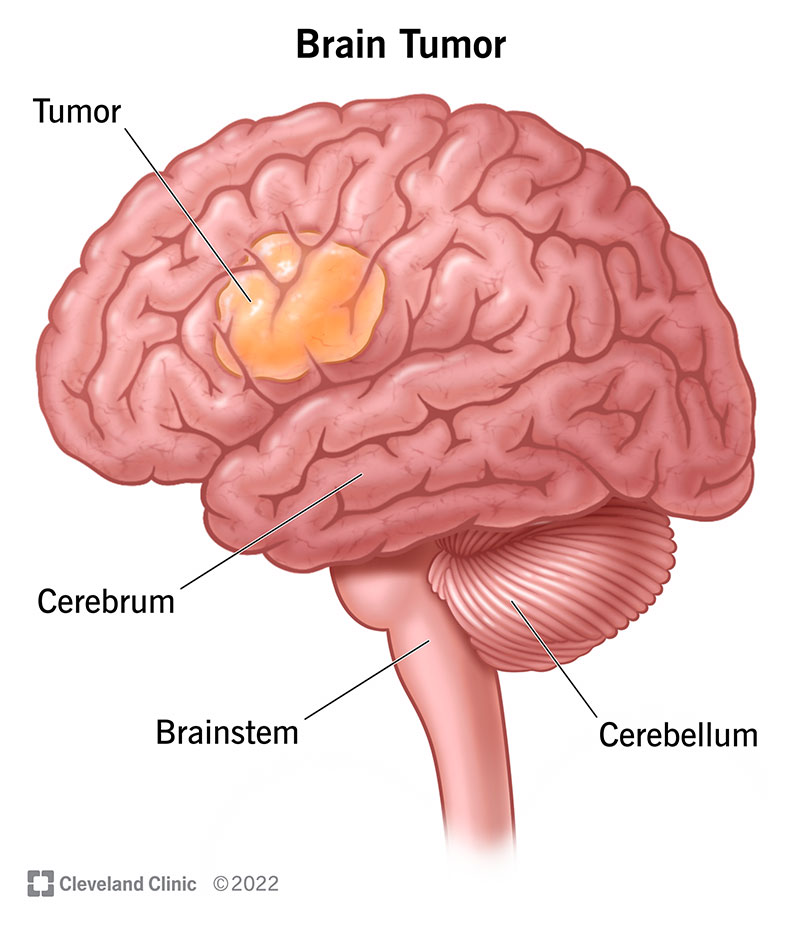
Malignant brain tumors are cancerous tumors that develop within the brain or its surrounding tissues. There are several types of malignant brain tumors, including glioblastoma, astrocytoma, oligodendroglioma, and medulloblastoma, each with its own characteristics and treatment challenges. These tumors arise from abnormal growth of cells in the brain, which can infiltrate and damage surrounding tissues.
Risk Factors for Malignant Brain Tumors
While the exact causes of malignant brain tumors are still being studied, there are certain risk factors that have been identified. Age and gender can play a role in the development of brain tumors, with incidences typically increasing with age and certain types being more common in males or females. Genetic and hereditary factors can also contribute to an individual’s susceptibility to brain tumors. Exposure to ionizing radiation, such as radiation therapy for other cancers, is another known risk factor. Chemical and environmental exposures, certain medical conditions and treatments, family history, and race and ethnicity are also associated with an increased risk of developing malignant brain tumors.
Early Detection and Diagnosis
Early detection of malignant brain tumors plays a crucial role in improving outcomes and increasing treatment options. Being aware of the common signs and symptoms of brain tumors is essential. These symptoms can vary depending on the location and size of the tumor, and may include headaches, seizures, changes in vision or hearing, cognitive and memory problems, and balance and coordination issues. If you experience any persistent or worsening symptoms, it is important to consult a healthcare professional for further evaluation.
Diagnostic tests and imaging techniques are used to detect and diagnose brain tumors. A neurological examination is typically conducted to assess a person’s overall neurological function. Imaging studies such as magnetic resonance imaging (MRI), computed tomography (CT), and positron emission tomography (PET) scans can provide detailed images of the brain, allowing healthcare professionals to identify any abnormal growths. In certain cases, a biopsy may be necessary to obtain a sample of the tumor tissue for analysis and to determine the grade and staging of the tumor.
Lifestyle Modifications and Prevention
While not all cases of malignant brain tumors can be prevented, certain lifestyle modifications can help reduce the risks. Maintaining a healthy weight through a balanced diet and regular physical activity is crucial. Obesity has been linked to an increased risk of various cancers, including brain tumors. Avoiding tobacco products and limiting alcohol consumption are also important preventive measures. Studies have shown that smoking and heavy alcohol use can contribute to the development of brain tumors. Managing stress levels and improving sleep patterns are also beneficial for overall health and reducing the risk of brain tumors.
Protective headgear and safety measures can be effective in preventing brain injuries that may lead to the formation of tumors. Wearing helmets while participating in activities such as biking, skateboarding, and skiing can help prevent head trauma that could potentially result in brain tumors. Additionally, maintaining a healthy immune system through proper nutrition, regular exercise, and adequate rest can also play a role in reducing the risks associated with malignant brain tumors.

Dietary Recommendations and Preventive Measures
A balanced and nutrient-rich diet is important for overall health and can have a positive impact on reducing the risks of malignant brain tumors. Consuming antioxidant-rich foods such as berries, leafy greens, and colorful vegetables can help combat the oxidative stress that may contribute to tumor growth. Omega-3 fatty acids and vitamin D, found in fatty fish like salmon and tuna, as well as fortified dairy products, have shown potential protective effects against brain tumors.
Minimizing processed and red meat consumption can also be beneficial, as high intake of these foods has been associated with an increased risk of certain cancers, including brain tumors. Limiting sugar and trans fat intake is important as well, as excessive consumption of these substances has been linked to inflammation and other health issues. Increasing fiber intake through whole grains, fruits, and vegetables is recommended, as fiber has been shown to have a protective effect against various types of cancer.
Staying hydrated and avoiding harmful substances such as excessive alcohol and certain environmental toxins is also crucial for brain health and reducing the risk of tumors.
Environmental Exposures and Avoidance
Choosing to avoid certain environmental exposures can contribute to reducing the risks of malignant brain tumors. Limiting exposure to radiation, particularly ionizing radiation, is important in prevention efforts. This may involve being mindful of unnecessary medical procedures involving radiation, as well as minimizing exposure to occupational radiation sources.
Reducing electromagnetic field (EMF) exposure is another proactive step one can take. EMF exposure has been a topic of debate, and while current evidence does not suggest a direct link between EMF and brain tumors, it is still advisable to minimize exposure as a precautionary measure. This can include limiting the use of electronic devices and keeping a safe distance from high EMF-emitting sources.
Taking precautions in the workplace to minimize exposure to occupational hazards, such as certain chemicals, solvents, and toxins, can also contribute to reducing the risks of malignant brain tumors. Additionally, avoiding the use of pesticides and harmful chemicals in our homes and gardens can be helpful in preventing brain tumors.
Ensuring clean air and water quality in our living environments is vital. This can involve using air purifiers, filtering water, and being conscious of potential sources of pollution. Taking protective measures, such as using hands-free devices or speakerphone options, when using cell phones may also reduce exposure to potentially harmful radiation.

Genetic Testing and Counseling
Genetic factors can contribute to an individual’s predisposition to malignant brain tumors. Understanding these genetic risk factors is crucial for early detection and prevention strategies. Genetic testing can help identify specific gene mutations or abnormalities that may increase the risk of developing brain tumors. Genetic counseling plays an integral role in assessing an individual’s risk, offering guidance, and providing strategies for prevention and early detection.
For individuals with a family history of brain tumors, genetic screening and family screening can help identify potential susceptibility genes and determine appropriate preventive measures. Knowing the genetic makeup of an individual or family can contribute to developing personalized prevention strategies and regular screening schedules.
Vaccination and Immunotherapy
Vaccinations play a critical role in cancer prevention, including brain tumors. Certain viral infections, such as human papillomavirus (HPV), have been associated with an increased risk of brain tumors. Vaccination against such viruses can help reduce the risk. Advancements in immunotherapy have also shown promise in the treatment and prevention of brain tumors. Immunotherapies aim to enhance the body’s natural immune response against cancer cells. Developing personalized immunotherapies based on an individual’s unique tumor characteristics is an area of active research.

Screening and Regular Check-ups
Regular screening and check-ups are essential for the early detection of malignant brain tumors. These screenings typically involve neurological examinations and imaging studies, such as MRI, CT, or PET scans. By incorporating regular check-ups into your healthcare routine, any potential changes or abnormalities can be identified early, allowing for timely intervention and treatment.
Promising Research and Treatment Approaches
The field of brain tumor research is constantly advancing, offering hope for improved prevention and treatment strategies. Novel therapies and treatment approaches are being developed that target specific tumor characteristics and pathways. Precision medicine, which involves tailoring treatment based on an individual’s genetic makeup and tumor characteristics, is an area of active research. Developing personalized vaccines to target brain tumor-associated viruses is another avenue being explored. Gene therapy and immunogenomics, which involve harnessing the power of the immune system and genetic engineering, hold great promise.
Clinical trials and experimental treatments are ongoing, offering new opportunities for individuals with brain tumors to access cutting-edge treatments and contribute to furthering research efforts.
In conclusion, preventing malignant brain tumors requires a multifaceted approach that includes understanding the disease, addressing risk factors, early detection and diagnosis, lifestyle modifications, dietary recommendations, environmental exposures, genetic testing, vaccination, regular check-ups, and staying informed about promising research and treatment approaches. By implementing these strategies and making conscious choices, we can work towards reducing the risks associated with malignant brain tumors and promoting overall brain health. Remember, it’s never too late to start taking proactive steps towards a healthier future.