
Hey there! Brace yourself for some eye-opening information about the impact of cancerous brain tumors. These malignant tumors, commonly known as brain cancer, can have a profound effect on not only the affected person but also their loved ones. From physical symptoms to emotional and cognitive changes, the presence of cancerous brain tumors can bring about a significant shift in one’s life. So, let’s dive into this article and discover the various ways in which these tumors impact individuals and their communities.
Overview of Brain Tumors

Definition and classification
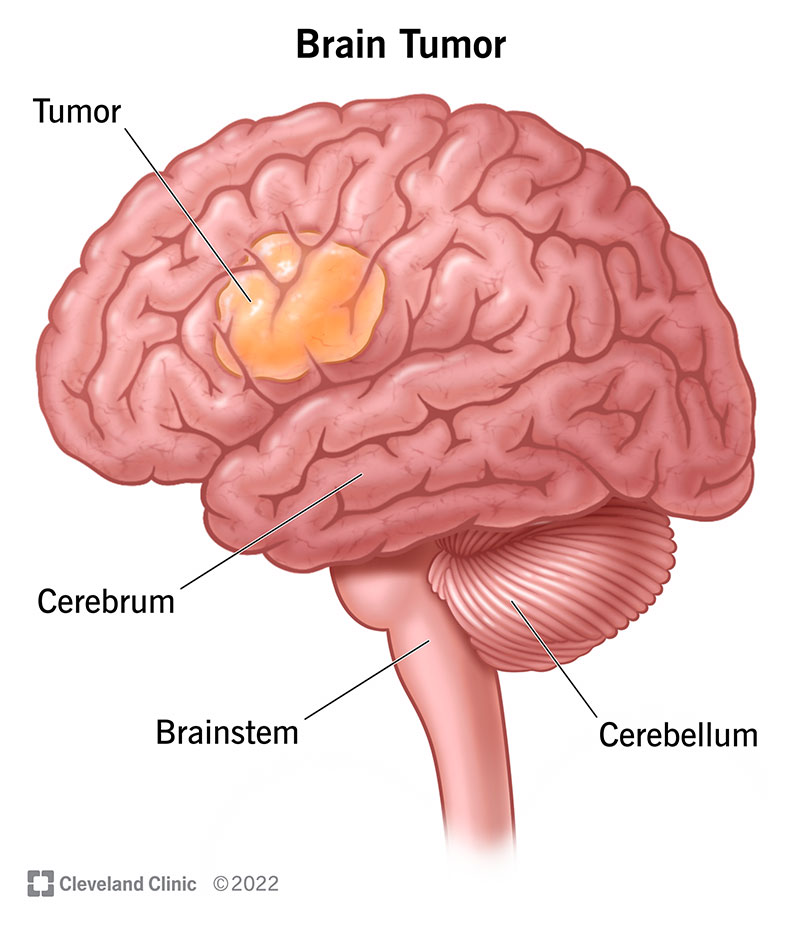
Brain tumors are abnormal growths of cells in the brain. These tumors can be malignant (cancerous) or benign (non-cancerous). Malignant brain tumors are considered more serious as they tend to grow rapidly and invade surrounding tissues. They can also spread to other parts of the body. Brain tumors can be classified based on their cell origin, location, and grade.
Prevalence and incidence
Brain tumors are relatively rare compared to other types of cancers, accounting for around 1% of all cancer cases. However, they can have a significant impact on individuals and their families. The incidence of brain tumors varies by age, with higher rates observed in children and older adults. Overall, brain tumors are more common in males than females.
Causes and Risk Factors
Genetic predisposition
Some individuals may have a genetic predisposition to develop brain tumors. Certain hereditary conditions, such as neurofibromatosis and Li-Fraumeni syndrome, can increase the risk of developing brain tumors. Genetic counseling and testing may be recommended in individuals with a family history of brain tumors or related conditions.
Exposure to ionizing radiation
Exposure to high-dose ionizing radiation, such as radiation therapy for the treatment of other cancers or radiation accidents, can increase the risk of developing brain tumors. This risk is more significant in individuals who received radiation at a young age.

Age and sex as risk factors
Brain tumors can affect people of all ages, but the risk increases with age. Certain types of brain tumors, such as meningiomas, are more common in older adults. Additionally, some studies suggest that males have a slightly higher risk of developing brain tumors compared to females.
Symptoms and Presentation
Headaches and seizures
One of the most common symptoms of brain tumors is persistent or severe headaches. These headaches are often more intense in the morning and may worsen with physical activity. Seizures, particularly those that occur for the first time in adulthood, can also be a sign of a brain tumor.
Neurological deficits
Brain tumors can cause various neurological deficits depending on their location. These deficits may include weakness or numbness in specific body parts, difficulty speaking or understanding language, balance problems, and coordination difficulties.
Cognitive and behavioral changes
Some individuals with brain tumors may experience cognitive and behavioral changes. These can include memory problems, difficulties with concentration and attention, personality changes, mood swings, and depression. These changes can significantly impact a person’s daily functioning and quality of life.
Diagnosis and Staging

Imaging techniques
Imaging techniques such as magnetic resonance imaging (MRI) and computed tomography (CT) scans are commonly used to diagnose brain tumors. These imaging tests can help visualize the size, location, and characteristics of the tumor.
Biopsy and pathological examination
In some cases, a biopsy may be necessary to confirm the diagnosis and determine the type of brain tumor. During a biopsy, a small sample of the tumor is removed and examined under a microscope. This examination helps determine the tumor’s grade, which provides important information about its aggressiveness and treatment options.
Types of Cancerous Brain Tumors
Gliomas
Gliomas are the most common type of malignant brain tumors. They originate from glial cells, which provide support and insulation for nerve cells in the brain. Gliomas can be further classified into subtypes, such as astrocytomas, oligodendrogliomas, and ependymomas, based on the specific type of glial cells involved.
Meningiomas
Meningiomas are typically benign tumors that develop in the meninges, the protective layers surrounding the brain and spinal cord. Although most meningiomas are non-cancerous, some may be malignant and require appropriate treatment. These tumors are more common in older adults, particularly females.
Medulloblastomas
Medulloblastomas are malignant tumors that primarily affect children and adolescents. They usually develop in the cerebellum, the part of the brain responsible for coordination and balance. Medulloblastomas tend to grow rapidly and can spread to other parts of the central nervous system.
Treatment Options
Surgery
Surgery is often the initial treatment approach for brain tumors. The goal of surgery is to remove as much of the tumor as possible while preserving normal brain tissue. In some cases, the complete removal of the tumor may not be feasible due to its location or size.
Radiation therapy
Radiation therapy uses high-energy beams to kill cancer cells or slow their growth. It is commonly used after surgery to target any remaining tumor cells and reduce the risk of recurrence. Radiation therapy can also be used as the primary treatment for inoperable tumors or in combination with other treatments.
Chemotherapy
Chemotherapy involves the use of anti-cancer drugs to kill cancer cells or prevent their growth. It is often administered orally or intravenously. Chemotherapy may be recommended before or after surgery, depending on the type, grade, and location of the tumor.

Targeted therapy
Targeted therapy utilizes medications that specifically target certain molecules or genetic changes in cancer cells. These treatments aim to block the growth and spread of cancer cells while minimizing damage to normal cells. Targeted therapy is an evolving field, and its use in brain tumor treatment is still being studied.
Complications and Side Effects
Neurological impairments
The presence of a brain tumor and its treatment can lead to neurological impairments. These can include motor deficits, sensory disturbances, speech and language difficulties, and cognitive impairments. Rehabilitation programs, including physical therapy, occupational therapy, and speech therapy, can help manage these impairments and improve quality of life.
Cognitive and emotional challenges
Brain tumors and their treatments can significantly impact cognitive function, including memory, attention, and executive functions. Emotional challenges such as depression, anxiety, and emotional instability are also common. Supportive therapies, counseling, and medication can be beneficial in managing these challenges.
Treatment-related side effects
Treatment for brain tumors can cause various side effects depending on the type and extent of treatment. These can include fatigue, hair loss, nausea and vomiting, changes in appetite, and sleep disturbances. Close monitoring and supportive care can help alleviate these side effects and improve overall well-being.
Prognosis and Survival Rates
Factors influencing prognosis
The prognosis for brain tumors depends on various factors, including the type of tumor, its grade, the extent of tumor removal, the age and overall health of the individual, and the presence of genetic changes. It is important to discuss these factors with a healthcare provider to understand the individual prognosis and treatment options.
Survival rates by tumor type
Survival rates for brain tumors can vary widely based on the specific tumor type, grade, and stage. Some brain tumors have higher survival rates, particularly if diagnosed at an early stage and treated with a combination of surgery, radiation therapy, and chemotherapy. However, it is essential to consider each case individually, as outcomes can differ significantly.
Impact on Quality of Life
Physical limitations and disabilities
Brain tumors and their treatments can lead to physical limitations and disabilities. These can include mobility issues, muscle weakness, difficulties with coordination and balance, visual impairments, and alterations in sensory perception. Rehabilitation therapies and assistive devices can play a crucial role in improving or managing these physical limitations.
Emotional distress and psychological impact
The diagnosis and treatment of a brain tumor can cause significant emotional distress and psychological impact. Anxiety, fear, sadness, and uncertainty are not uncommon. Supportive counseling, psychotherapy, and participation in support groups can help individuals and their families cope with these challenges and improve emotional well-being.
Social and financial implications
Living with a brain tumor can have social and financial implications. The need for ongoing medical care, potential loss of employment or income, and changes in lifestyle can create financial burdens. Additionally, individuals may experience social isolation or difficulties in maintaining relationships due to physical or cognitive limitations. Seeking support from social services and engaging with support networks can provide valuable assistance and alleviate these challenges.
Support and Coping Strategies
Support networks and organizations
There are numerous support networks and organizations dedicated to providing assistance and support to individuals and families affected by brain tumors. These organizations offer resources, educational materials, forums for sharing experiences, and connections to healthcare professionals and support groups. Some examples include the American Brain Tumor Association and the Brain Tumor Foundation.
Psychosocial interventions and therapies
Psychosocial interventions and therapies can help individuals cope with the emotional and psychological challenges associated with brain tumors. These may include cognitive-behavioral therapy (CBT), mindfulness-based interventions, stress management techniques, and relaxation exercises. These interventions aim to enhance emotional well-being and improve overall quality of life.
Cancer survivorship programs
Cancer survivorship programs provide comprehensive care and support to individuals after completing their brain tumor treatment. These programs often include follow-up medical appointments, rehabilitative services, survivorship care plans, and ongoing support for managing long-term physical, emotional, and financial challenges. Participating in these programs can help individuals transition to post-treatment life and ensure optimal follow-up care.
In conclusion, cancerous brain tumors have a significant impact on individuals’ lives, requiring effective diagnoses, treatment, and supportive care. Understanding the various aspects of brain tumors, including their causes, symptoms, treatment options, and support strategies, is essential for individuals, their families, and healthcare providers in managing these conditions. With advancements in medical research and multidisciplinary care, there is hope for improved outcomes and enhanced quality of life for those living with cancerous brain tumors.